
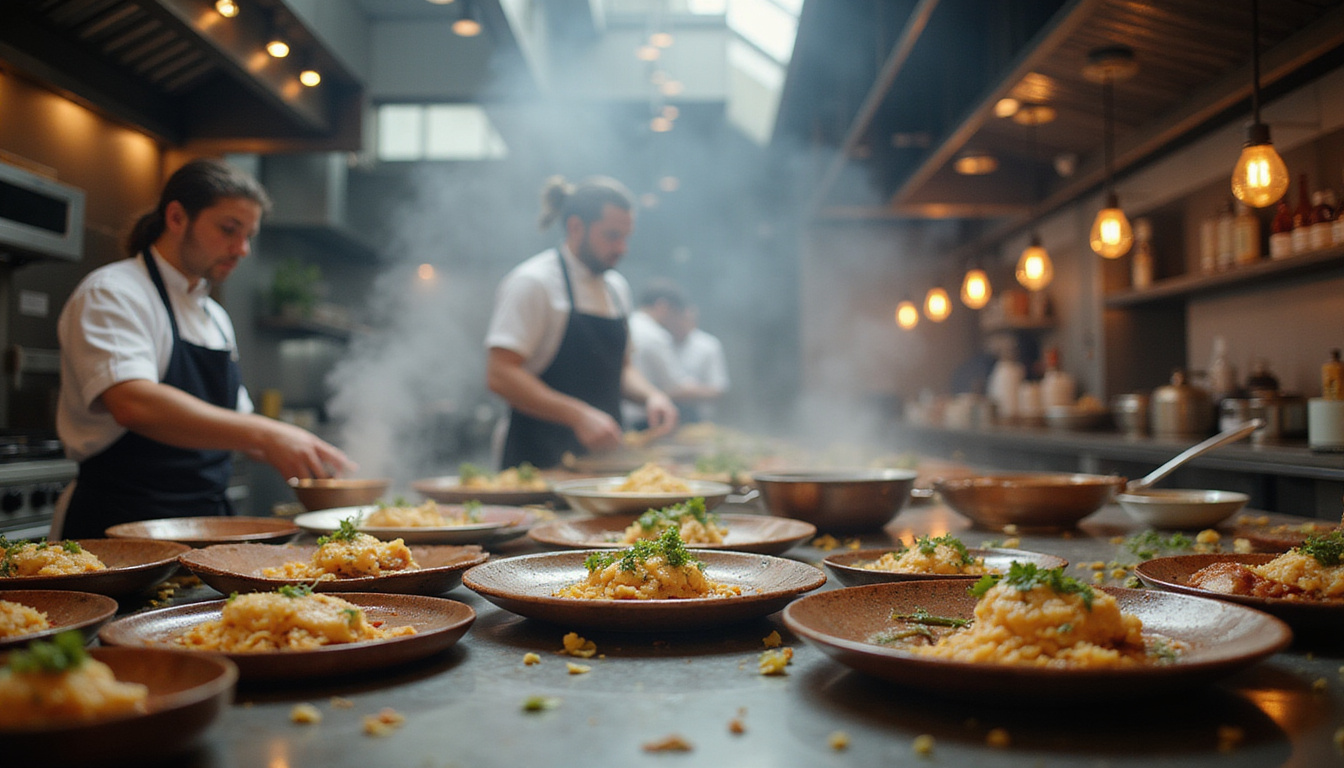
From the moment cameras rolled on Chefs Table, our view of kitchen work changed. Kitchens became more than work spots. They grew into labs, art spaces, and stages, where taste, tradition, and personal memory meet on each plate. Today, a chef’s table is not a seat in the kitchen alone. It is a view into how top cooks think and work.
In this article, we step behind the pass to see how leading kitchens work, plan, and change—and what guests learn from the chefs who shape food’s future.
What “Chef’s Table” Means Today
The term chef’s table used to mean a special seat in or near the kitchen for select guests. Now, it has two sides:
A physical spot:
- A counter or table by the kitchen
- A set menu where you talk directly with the cook
A new point of view:
- A way to tell stories where cooks share why and how dishes come to life
- A method that helps guests see food as more than taste—seeing story, culture, and craft
Film and TV have helped give the chef’s table idea a clear meaning: deep insight into new ways of cooking. Yet true magic lives in the small, daily work of passionate kitchens.
Parts of an Innovative Kitchen
New kitchens mix art with care. They work with a few main ideas:
1. A Clear, Fast Layout
Great kitchens plan space like a well-timed chain. Common plans include:
- The classic team setup: Stations for sauces, grill, sweet dishes, and cold foods, all with a clear guide.
- Open kitchens: These let guests see the work from the chef’s table or the room.
- Central suites: A middle space where cooks talk easily and move without much extra travel.
Every inch has a role. Where pans hang, the spot of the fridge, and the flow from prep to plate all link together to cut down on wasted steps and keep work on track.
2. Mise en Place as a Way of Thought
“Mise en place” means all things are at hand. It is the base of a strong kitchen:
- Supplies stand ready; each item is trimmed and set before cooking begins.
- Tools line up the same way every day.
- Cooks plan their tasks and order in their minds.
In top kitchens, this state of readiness becomes a daily habit. It lets cooks make many parts of a dish fast and true.
3. Tools and New Tech
New work is hard without the right gear. Many kitchens now include:
- Devices for slow, controlled cooking
- Machines for drying, pureeing, and rapid cool-down
- Burners that heat in a flash and are easy to control
- Ovens that bake, steam, and roast with sharp limits
Some cooks join with makers to build special tools or work surfaces that fit their own style.
A New Way to See Flavor
Great kitchens do not stick only to old methods. They mix old and new, sometimes using ideas from science and faraway lands.
Modern Methods
- Turning liquids into soft shapes or small balls to pack flavor in new ways.
- Using light, airy toppings that add scent and taste without heaviness.
- Breaking apart known dishes into new parts—a Caesar salad might come as a crisp base, a soft gel, and a light vapor.
When used with care, these methods open up a new view of each ingredient. When used without care, they seem empty. The best kitchens add these moves when they help the dish speak.
Fire, Ferment, and Old Ways
High-tech work is one part; age-old ways also give taste strength:
- Cooking with wood and charcoal gives a warm, raw taste.
- Fermenting food—with koji, miso, or vinegars—builds layers of rich taste.
- Aging and curing meats, fish, or vegetables bring out deep flavor and change texture.
Many chefs study old ways and push them into new forms. They might treat a vegetable with koji or form a sauce from old parts of corn or tomato.
Sustainability: New Ground in Cooking
More and more, a strong chef’s table kitchen shows care in how food comes to life.
Local, In-Season, and Regrowth
Many leading spots now:
- Build menus from what is fresh each week or day.
- Work with small farms, local fishers, and wild pickers.
- Adopt growing methods that help the land and nature bounce back.
Reports tell us that food systems change nature and climate, so farms and kitchens now share a clear duty to work smartly with nature.
Whole Use and Waste Not
Cooks now aim to work with each part of an item:
- Turning fish bones to sauces, vegetable skins to powders, or old bread into crisp bites.
- Working backwards from what many call waste to form a whole meal.
- Using slow methods like drying, pickling, or fermenting to make ingredients last longer.
Limits like these often spark fresh ways of thinking.
Culture, Identity, and Telling Stories at the Chef’s Table
Above all, a kitchen’s spirit lives in its voice.
Food as Personal Story
Many top chefs build a menu that mirrors their own path:
- Bringing childhood dishes into a fine kitchen.
- Mixing journeys from home and new lands into one meal.
- Re-writing family recipes with care—keeping the soul while giving a new look.
At a chef’s table, these tales come out. Cooks or waiters may share where a dish starts, what it means, or the memory behind it.
Food as Local Mark
“Terroir” once served wine. Now, it helps shape whole menus. Great kitchens now:
- Focus on their own land—coast, wood, dry land, or hills.
- Create meals that mirror the local smell, look, and feel.
- Use the menu as a snapshot of a small part of the world.
For guests at a chef’s table, the meal feels like a short trip without leaving the seat.
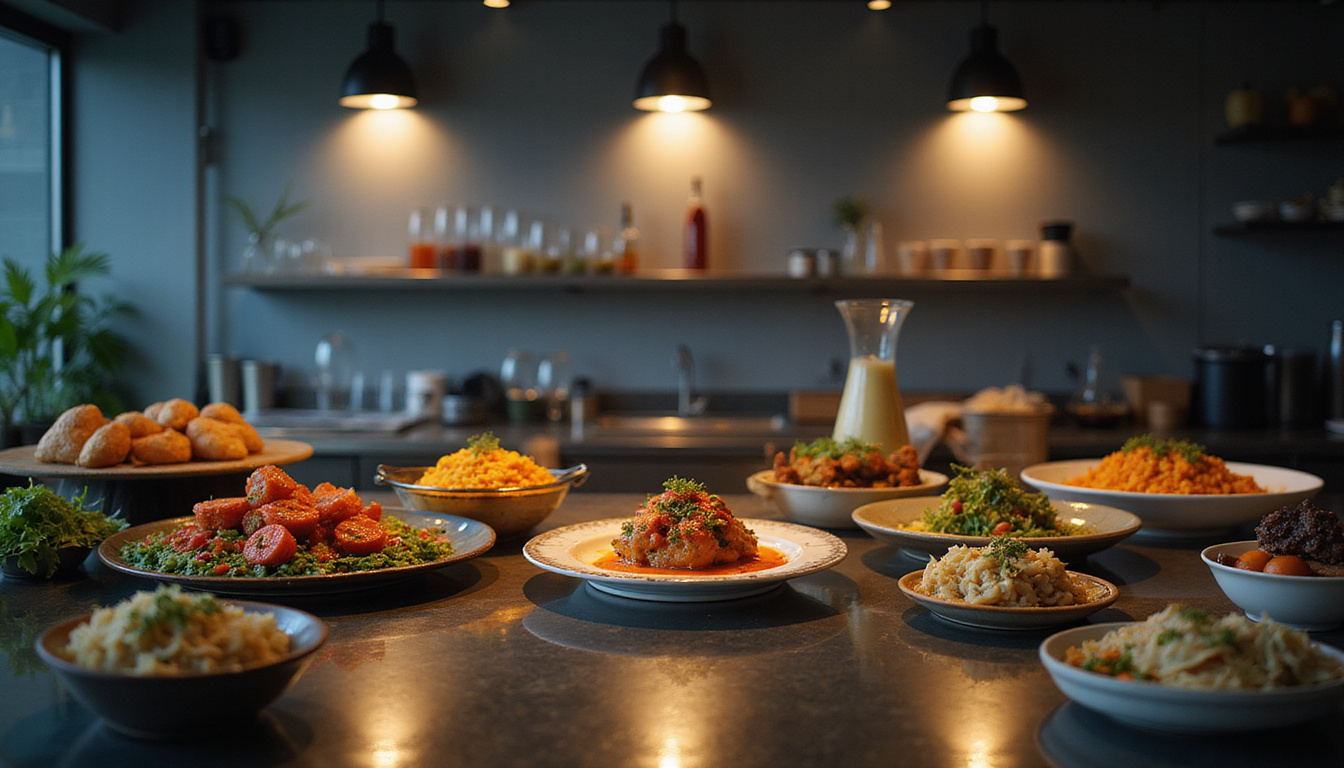
How a Kitchen Runs During Service
The shine of the chef’s table comes from steady, sometimes strict, work. In a top kitchen, service flows in well-timed beats:
Pre-service talk
- Tasting small amounts of new ideas
- Checking bookings, needs, and special notes
- Sharing roles and signals
Quiet work to full heat
- Early time: slow, focused setup
- When doors open: fast moves, keen timing
The pass in motion
- The lead cook calls out orders, times each dish, and checks work.
- Cooks speak with short, clear words; each word links to the next.
Last dish out, then a clean start
- After work: clean, count supplies, and note changes
- Chat about adjustments for the next day or new methods
From the chef’s table seat, you watch both art and hard work come together.
What Guests Gain from a Chef’s Table
Sitting at a chef’s table does more than add to your list. It changes how you think about food.
A Nearer Look at the Craft
You see:
- The care in each garnish, sauce, and choice of heat.
- The team work and swift word between cooks.
- The small changes made when the moment calls.
This view brings a fresh respect for not just high food but for home work too.
Learning from Each Taste
Many chef’s table ideas follow a clear story:
- Begin with light, bright notes.
- Move to fuller, deep, and rich parts.
- End with a fun or warm surprise.
In time, you may face new foods, ways, or hints from far places, and each taste teaches silently.
Bringing the Chef’s Table Mind to Your Home
A five-star tag is not needed to cook with this way of thought. Try this at home:
Mise en place:
- Get all your food ready before you heat the pan.
- Lay out your tools on a clear counter.
In-season cooking:
- Base your meal on what looks best at the market now.
Care for each item:
- Use as much of the vegetable or bird you can.
- Turn what may seem waste into broths or oil.
Share your story:
- Make meals tied to your own past, your own ways, or trips you’ve made.
- Tell the tale as you serve the food.
By following these steps, you bring a small part of the chef’s table spirit to your own kitchen.
FAQ: Chefs Table and New Kitchens
Q1: What means a chef’s table in a restaurant?
A chef’s table usually means a set seat or counter near the kitchen. Guests get a set tasting meal while watching the team work and may chat with the cook.
Q2: How do chef’s table restaurants plan their menus?
Those spots make menus that tell a story—about what is local, the cook’s own past, or a clear theme. Menus change often with the season and fresh ideas.
Q3: Is the chef’s table idea only for high-end spots?
No. Though many fine spots serve it, the idea exists in casual kitchens too. Any place where you sit close and watch the work can hold the chef’s table mind.
Step Up to the Pass: Your Next Step
Leading kitchens tell us that food is not just fuel. It is art, memory, science, nature, and craft all on one plate. Whether you love a great meal, wish to cook better, or already work in food, a chef’s table sight gives you a direct look at these ideas.
Find restaurants with open kitchens. Book that spot at the counter. Or, try a small change in your own kitchen with clear steps and personal stories. Your next big food idea may wait not only in top kitchens but in your own space.