
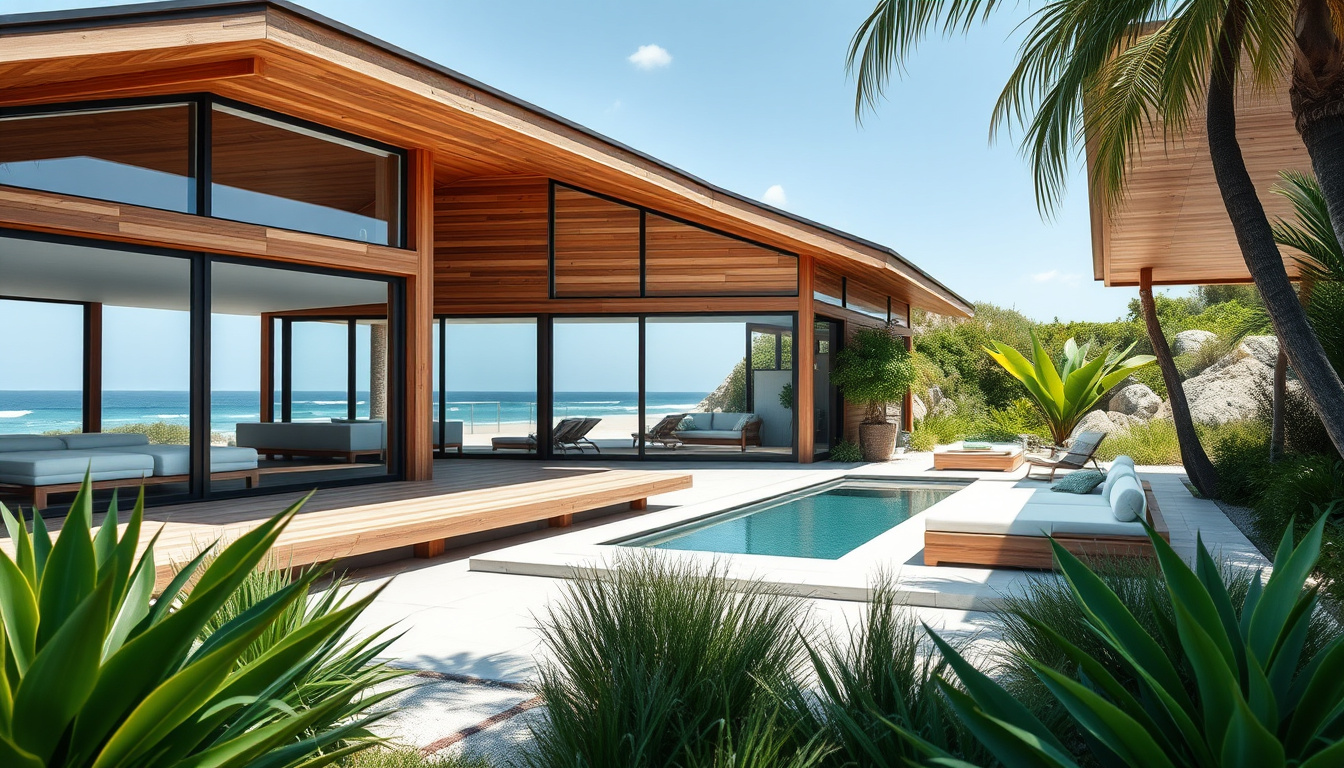
Architectural design meets the task of joining built space with nature. The Rockbound home sits on Nova Scotia’s Aspotogan Peninsula to show this mix. Omar Gandhi Architects built the coastal house with care. The design keeps the link between the rough Atlantic shore, the calm woods, and human ease close. The designers chose good materials, planned the room order, and stayed alert to the place and weather. In this article we look at the design aims, room flow, material choices, and weather proofing that make this home blend with nature.
Location and Context: Nestled Between Ocean and Woods
Rockbound sits on a firm rocky outcrop on the Aspotogan Peninsula in Nova Scotia. The house looks out over St. Margaret’s Bay and across to Peggy’s Cove, a well-known coastal spot. On one side, the wide Atlantic Ocean brings large views and coastal strength; on the other, the quiet woods give calm and shelter.
This mix set the design plan. The architects did not pick only one part—the sea view or the forest retreat. The house faces the shore so that people sit toward the water while staying close to the forest and rock. The brief called for a home where a couple, who love to host visitors, could find both lively spaces and quiet nooks.
Architectural Philosophy: A Conversation Between Place and Structure
Omar Gandhi and Jordan Rice of Omar Gandhi Architects spoke of the work as one that welcomes contrasts with open flow. "It isn’t about one view or one light," they said. The goal was to create a look that moves naturally between the wide sea and the close woods. The design fits into the forest and rests on granite. It makes the building seem small and respectful on the land.
Spatial Experience: Moving Through Views and Sizes
When you enter the home, you meet a clear path. A stairs leads up to the second floor, and the water view is hidden at first. This choice makes you pause before you move further in.
Inside, the kitchen and dining room share one large space with full, wide views of the water. Right next to it, the living room becomes a place for watching and enjoying the sea. This move—from a small, tight look to a big, open water scene—asks you to feel the change in the place as you go through the home.
The home’s work areas, guest rooms, and behind-the-scenes services lie on one floor. A step above, you find a home office and the main bedroom suite. In the main room, light and space fill you with a feeling of being inside nature. High above the rock, the view drops away and nature softly takes hold.
Outside, a big covered deck hugs the living space. The roof over the deck keeps out the strong coastal winds and rain, so you can enjoy the outdoors in more months. A few steps lower is a fire pit set among rocks. It is a spot where people gather among the raw land. From there, you see the private wing of the house set high on the rock, with old, rugged views below that keep the link with nature.
Materiality: Facing Time and Weather
The outside face uses materials that match the coastal setting. Eastern White Cedar clad the walls. This wood stands strong in the wet season. It has been used in local shacks because it holds up to rough weather. Over time the wood softens and turns gray. It then fits in well with the stone and green of the woods.
Corten steel played a small, clear role. It brings a rough look that fits the mix of wet and dry air on different sides of the home. These choices tie the materials to the land’s slow change and give the house a strong link to its site.
Interior Atmosphere: Warmth Beside the Wild
While the outside speaks of blunt strength, the inside brings soft warmth. The chosen furniture, fabrics, and finishes build a home that feels at ease even when the weather is harsh.
A two-sided fireplace sits at the center of the living area. It gives steady heat throughout harsh winters and strong storms. Large windows invite in natural light and bring views that keep you close to the outside world. Each window is a small picture of both sea and forest.
Responding to Extreme Climate: Shelter with Openness
The coastal home must stand strong against wind, snow, rain, fog, and heavy storms. The design uses solid build methods and arranged room layers to create a safe home that still feels open to nature.
Omar Gandhi points to how the home catches the force of its site while giving a snug retreat. The building appears to belong on the rock, as if it grew from it, even while speaking in a modern way.
Conclusion: An Architectural Meditation on Place
Rockbound shows how architecture can join nature and human space with care and beauty. By using both ocean views and forest calm, rough exteriors and warm insides, as well as shelter from hard weather with a clear tie to the outside, the project builds a strong mix of respect for nature and clear design.
This home does more than give cover; it makes the link between people and place strong. The space lets nature be seen, felt, and held close. It is a sign of strength in the wild and a gentle note on the continuing chat between land and home.
FAQ
Where is the Rockbound house located?
The Rockbound house sits on the Aspotogan Peninsula in Nova Scotia, Canada. It rests on a rocky outcrop and looks over St. Margaret’s Bay toward Peggy’s Cove.How does the design join the home with nature?
The building faces both the wide ocean and the quiet forest. It rests on a rock and uses wood and steel that suit the coastal weather. Its placement gives a good mix of space and calm.What materials were chosen for strength in the weather?
Eastern White Cedar and Corten steel were picked. Cedar stands up to tough weather and softens to gray over time. Corten steel adds a rough look that fits the site.How does the interior cope with a harsh climate?
The inside mixes rough stone and warm light. A two-sided fireplace gives steady heat, and large windows let in light and views even when the weather is rough.What happens when you first enter the home?
On arrival, a stair blocks the first view of water. As you move inside, the tight space opens into full views of the sea, which makes you feel the change in the site.How does outdoor space work with the design?
A big covered deck and a rock-set fire pit add extra space outside. The deck brings shelter from wind and rain, while the pit invites connection with the raw land.Who was the house designed for?
It was built for a couple who like to host friends. They needed a home that mixes lively gathering spaces with quiet spots, all while staying true to the views and nature outside.
Rockbound stands as a fine expression of how building, nature, and people can grow together in a true meeting of place and design.