
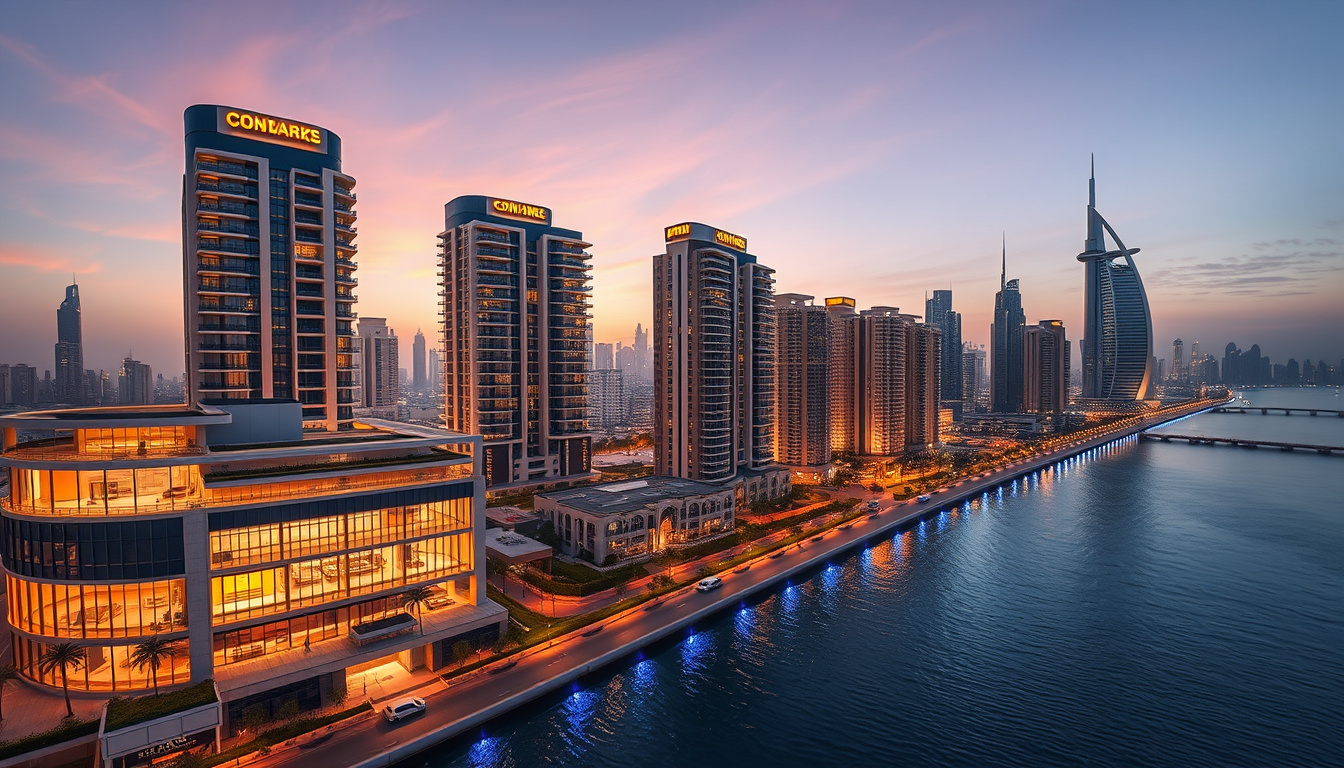
Dubai’s real estate market stays on the move. Branded residences are a top trend. Global luxury brands team with property developers to craft these homes. They promise a life linked to a famous name. A key point remains: are these places wise investments or is the appeal made by clear marketing? This article looks at how branded residences in Dubai work. It checks design, lifestyle, and investment value for smart investors.
What Are Branded Residences?
Branded residences are homes made under a famous luxury name. Over the past ten years, this idea has grown fast. Dubai now has the largest group of such properties, with about 150 projects done or in progress.
Branded residences come in two main types:
1. Hospitality-Led (Hotel-Branded) Residences
These homes link directly to hotels run by groups like Four Seasons, Ritz-Carlton, Dorchester, and Address. They provide services such as housekeeping, room service, and a reception desk. Living here means you feel like you stay in a five-star hotel. This style gives ease and luxury but also means higher service fees and strict rules.
2. Design-Led Branded Residences
Names like Armani, Cavalli, Mercedes-Benz, or Pininfarina lead this type. Their focus shifts to good looks and smart design that match the brand’s style. These properties stress a clear visual look and building style rather than hotel-like service.
The Brand Behind the Property: Licensing vs. Development
The brand does not usually build the property. Instead, a luxury name lets the developer use its name for a fee.
Buying a branded residence means you buy a home with a famous name. This may not always mean a better design or stronger building quality. The brand adds status and a warm appeal, but these points do not replace solid real estate basics.
Are Branded Residences Truly Serviced?
Many think that branded residences always run like hotels. Some do come with full service like a hotel, which gives a complete luxury living feel. Others work like normal homes with a strong brand look but few hotel-style services.
This mix matters to buyers. Hotel-linked residences often have higher fees and more rules than design-led or partly serviced units. In the end, costs differ a lot based on the type of residence.
Design and Lifestyle: More Than Just a Logo?
Many buyers notice that special building shapes and inside looks help these homes stand out. Some projects show designs made by well-known architects or artists who match the brand’s style.
Still, a famous name does not always give better floor plans or a smarter layout. Some branded residences, even with a known name, have poor use of space. This setup can lower living comfort or value over time.
Many of these homes stick to strict rules about outside views, interior changes, and upgrades to keep the brand look. Owners who wish to change or add to their space may find these limits hurt long-term value.
Also, many branded residences come partly furnished with main spaces like kitchens and baths. The stylish show homes in ads often do not include full furniture. Buyers must often buy their own items to achieve the look, which raises the total cost.
The Investment Premium: What Are You Really Paying For?
In Dubai, branded residences usually cost 20% to 40% more than similar non-branded luxury homes. On average, branded units sell for about 3,288 AED per square foot, while similar non-branded ones go for around 2,321 AED per square foot.
This higher price comes from three ideas:
• A strong brand name gives a sense of status and calm.
• Famous names suit buyers from many nations.
• The reputation makes buyers feel safer in their choice.
Yet, buyers should note that this extra cost often comes from feeling, not from the building itself. The real test is whether the brand makes up for the higher price when you look at true property values.
Risks to Consider with Branded Residences
Investors should mark two main risks:
1. Over-Supply and Declining Exclusivity
Dubai sees many new branded towers. As more projects use a luxury name, the special feel that allows higher prices may drop. Lower uniqueness can cut the true value.
2. Brand Partnership and License Risks
Branded deals work under a licensing contract. If a brand pulls out, the agreement ends, or the name suffers, the building stays but the name loses worth. This risk might lead to lower prices or slow sales.
Fundamentals First, Logo Second
Smart buyers look first at solid real estate facts. They check:
• Is the home in a top location?
• Who built it and what is their record?
• How good is the build and design?
• Are the service fees fair over time?
• Do the rental returns cover the extra cost?
• How do other similar sales show its value later on?
Many times, a smart design and careful upgrades give better returns than a home bought only for its name.
Conclusion: Are Branded Residences a Smart Investment?
Branded residences in Dubai are not a quick ticket to high gains. The best picks come when a smart location, a trusted builder, good design, and real brand work come together.
In the end, a strong name may speed up sales and add a touch of style, but real value builds from location, design, solid build, and clear money matters.
FAQ: Branded Residences in Dubai
Q1: What sets hotel-branded residences apart from design-led ones?
A: Hotel-branded residences link closely with hotels and give full services like housekeeping and a front desk. Design-led ones focus on looks and style without many hotel services.
Q2: Does a branded residence promise better returns?
A: Not always. Even if they cost more, the extra fees may lower rental gains when compared to non-branded or well-upgraded homes.
Q3: Are branded residences always fully ready to live in?
A: Many come partly furnished with key areas like kitchens and baths. Buyers often need to add more items to match the pictures seen in ads.
Q4: What risks come with branded residences?
A: The main risks are too many similar projects that lower the special feel and possible changes in brand deals that can drop the name’s worth.
Q5: How should a buyer value a branded residence?
A: Look at location, the builder’s record, build quality, costs to run the place, rental returns, and market value later. See the brand as one part of the decision.
Q6: Can buyers change or upgrade these units?
A: Strict style rules often limit changes to the outside look, the inside layout, or upgrades, which may affect the chance to add value.
Q7: Why do many international buyers prefer these homes?
A: A known brand gives a clear look and a sense of trust. This ease helps buyers make a choice without deep checks on every detail.
By checking these points and doing careful research, buyers can work through the branded residence market in Dubai and make choices that mix a dream lifestyle with smart money plans.