
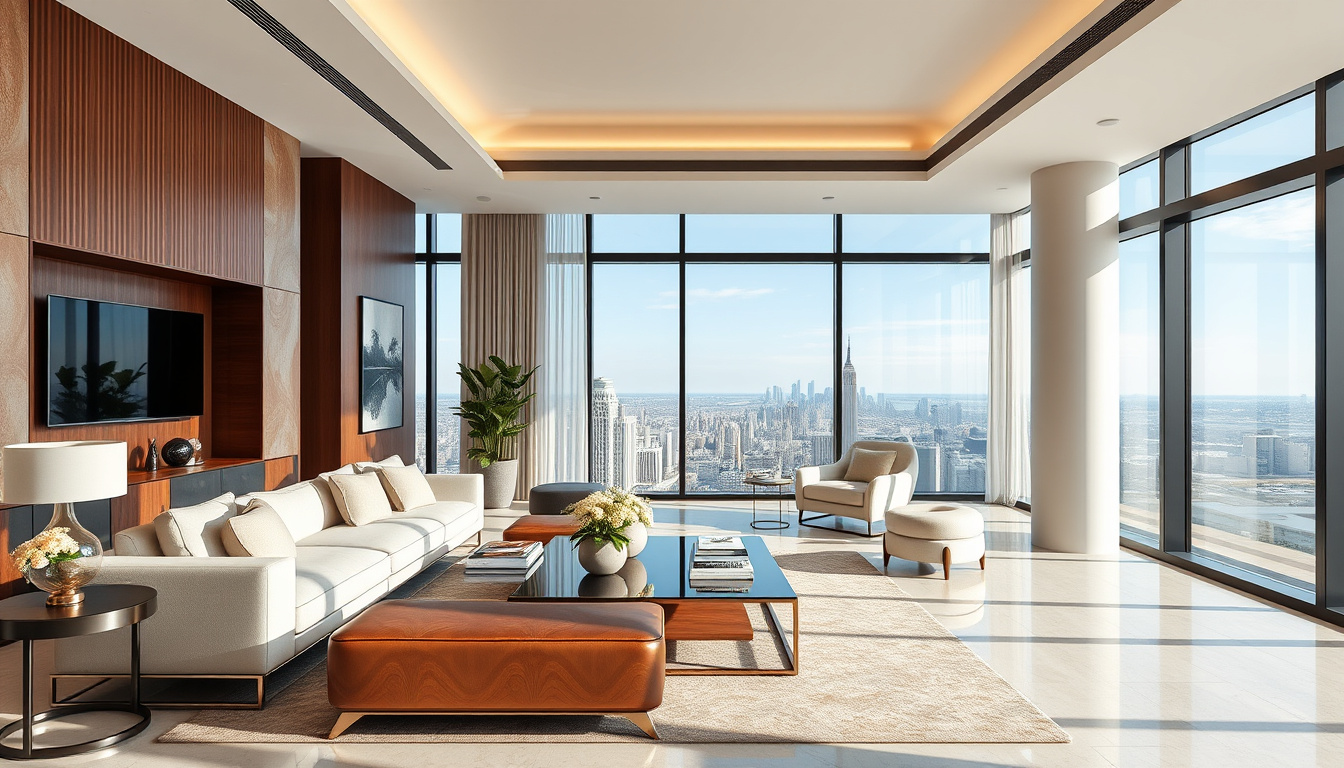
Branded homes grow in the global real estate market. High-end names such as Armani, Gucci, or Ritz-Carlton join with luxury homes. Buyers seek design, good service, and high status. Still, not every project keeps its worth. Some buyers face a drop in price after they receive the keys because of high costs or poor work. This guide points to key points you need to check. We use Dubai’s market as an example.
Understanding Branded Residences: What Are They?
Branded homes are built with famous names from hotels, fashion, or design. These projects aim to give a life filled with the brand’s history, style, and service. They mix high-class amenities, fine work, and hotel-like care. This mix attracts both home buyers and investors.
Why Choose Branded Residences?
- Brand names can lift a home’s status.
- Residents may get services like help with tasks, regular housekeeping, and places for health and rest.
- The design of the home may show the brand’s own style.
Keep in mind that a brand name by itself does not mean the home will always hold its value if the work or idea is weak.
The Rising Popularity of Branded Residences in Dubai
Dubai is one of the fastest-growing and competitive places for branded homes. Today, about 12-15% of homes in Dubai have brand names. The number of these homes grows as demand goes up.
Builders often attach a famous name to boost sales or change the look of a project. When too many branded homes appear, around 35-40%, their rare feel may fade, and buyers can lose trust. In such cases, homes may lose value, especially if buyers feel the high price is not fair.
Why Some Branded Residences Lose Value
After buyers move in, many branded homes sell for 30-40% less than their start price. This drop happens because:
- The brand name is used only to dress up the exterior. The brand’s own style or care may not be real.
- The work on the home may be poor. A famous name and plan matter little if building work does not meet need.
- The place and local area matter. Homes set among lower-cost or poor-quality projects lose their pull.
- Too many branded homes can raise prices too high and make them unsustainable.
How to Evaluate Branded Residence Projects: A Simple Framework
When you think about spending money, check if the brand adds true worth beyond its name. Here is a simple way to look at it:
1. Idea Strength
Ask yourself:
“If I live here, what will be different because of this brand? What feelings, services, or daily comforts does the brand give?”
If the brand drop makes little change in the experience, the name may add little true worth.
A strong idea works in design, daily life, service, and feelings. This mix can explain a higher price.
2. Work Quality
Look at who builds the home. The work of the builder and developer is very key. A home will lose value if the building, materials, or finish are poor, no matter the brand name.
Builders with long records of good work can help save your money.
3. Location and Area Planning
Location is more than a spot on a map. Think about the community, nearby projects, roads, and plans for growth. A branded home among low-cost or poor-quality sites may struggle with value.
Check the area plans to see if new work will add or take from your home’s pull.
Types of Branded Residences: Which Names Give True Worth?
Branded homes fall into three types:
1. Hotel-Branded Residences
These homes are tied to luxury hotels or resorts. They have hotel-level care, services, and management.
Why these homes work:
- Residents get five-star care every day.
- Services include help with tasks, cleaning, pools, spa areas, restaurants, and sometimes ready-made furniture.
- The best hotel-linked homes mix hotel care with home life in one project.
Examples:
- The Address Residences in Dubai show home buyers a mix of hotel care and home life.
- Ritz Carlton Residences, with strong work and good sites, show how a branded home can work well.
Be aware that some hotel brands may start projects that lack the hotel’s core care. This gap can weaken the name and lower the price.
2. Design and Furnishing Branded Residences
These homes use the unique look of famous designers or brands.
Positives:
- They give a unique look.
- Homes come fully ready with furniture.
Negatives:
- They often do not include extra services or a strong neighborhood.
- Simply tagging the interior does not give a strong boost in value.
3. Architect-Led Branded Residences
Here, well-known architects or designers shape the whole project.
Strengths:
- They give a unique building look and fresh style.
- They often mix well with the area and local life.
Yet, a great design needs good work and a strong location to keep its worth.
Common Pitfalls When Investing in Branded Residences
- Thinking that a big name always means high value; some deals use the name just for show.
- Ignoring the work quality; even a strong name loses weight when building work is poor.
- Overpaying for a home in a bad spot; even a great name cannot fix a weak area.
- Missing the fact that too many branded projects can make the price tag seem too high.
Top Tips Before Investing in Branded Residences
- Check the past work of the builder and the track record of the contractor.
- Understand how the brand is used: Is the design, care, and daily life fully built in?
- Visit completed projects to see the true work.
- Look at the surrounding neighborhood and long-term area plans.
- See the pattern of resale prices for similar homes.
- Work with real estate agents who know well about high-end branded homes.
- Think about long-term community growth and not just the building itself.
FAQs About Branded Residences
What makes a branded home different from a regular luxury apartment?
Branded homes carry a known name that adds a mix of style, care, and a way of life built on the brand’s past. They often include hotel-like care and extra services.Are branded homes a good buy?
They can be if the name ties in well with good building work, a strong spot, and real daily comforts. A name alone, without a real plan, can lead to loss of value.How do hotel names add worth to homes?
Hotel names bring a level of care such as help with tasks, spa areas, cleaning, and special spaces. This extra care adds work to the daily life of the residents.Can the name alone keep resale prices high?
No. The name must work with strong design, good building work, a smart location, and a neat community to keep or raise value later.What are the risks of buying branded homes?
Risks include paying too much just for a name, too many similar projects, poor building work, and a lack of true care from the brand. All of these can drop the home’s price.How does location affect a home’s value?
A good spot pulls more buyers, gives good rent, and helps in resale. Even a strong name has trouble in a poor area or a bad mix of projects.How do I check if a branded project is worth its high price?
Ask about the brand’s role, the care you can expect, the work done by the builder, and the plans for the area. Compare with homes that do not carry the name and check past price trends.
Conclusion
Branded homes give a mix of status with a way of life and care. Buyers must check the true work behind the brand. Real worth comes from a clear plan, strong work by trusted builders, and a good spot with good area plans. A name by itself, without these points, may lead to loss in value.
Dubai shows both the good and weak sides of branded homes. With the right facts and a clear way to check, you can find projects that truly match a high price and avoid loss. Whether linked to hotels or marked by strong design, the best branded homes bring a strong daily feel and a steady worth.
Buy smart and live a life that lives up to the brand name, not just owns it.