
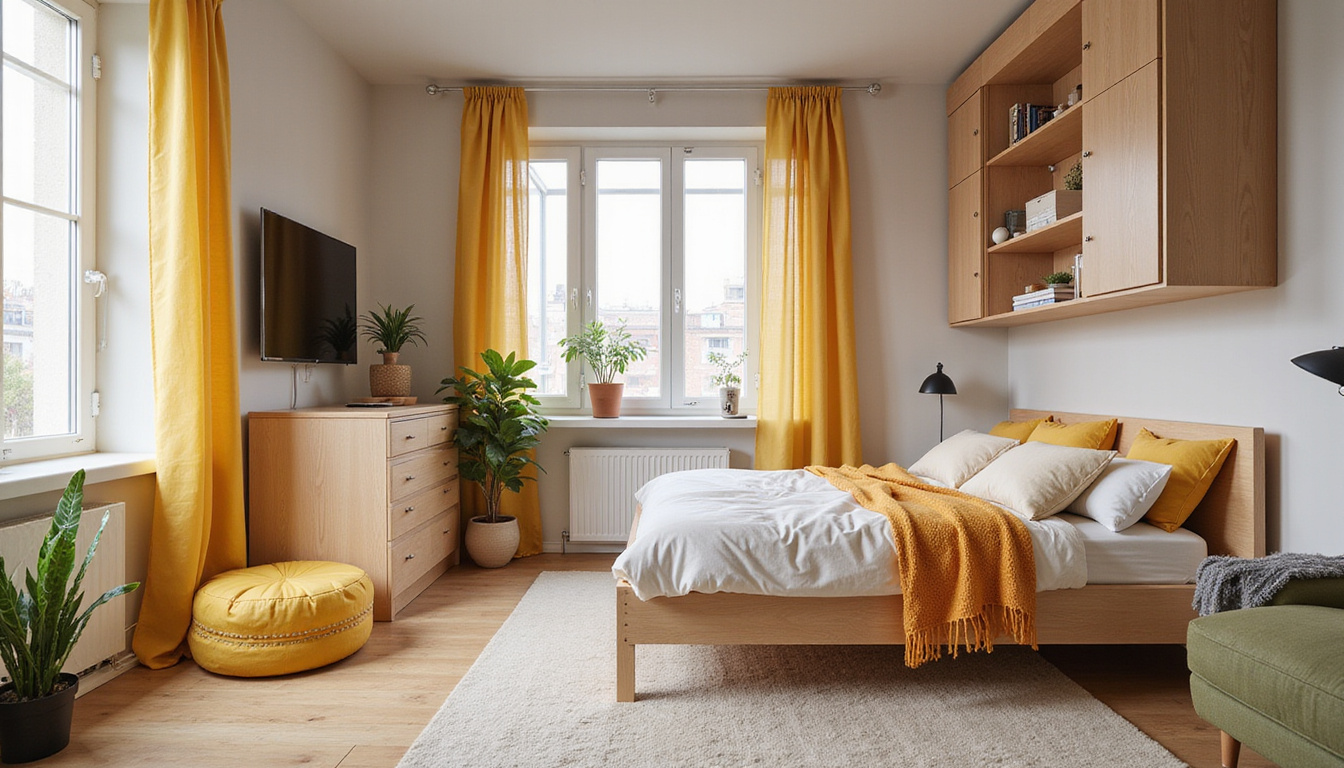
Micro apartments are transforming how people live in crowded cities, offering compact, smartly designed homes that trade excess space for location, flexibility, and affordability. If you’re considering micro apartments as a housing solution—or you already live in one and want to make it work better—clever design is your best friend. With the right layout, furniture, and storage hacks, even 20–30 square meters can feel surprisingly comfortable, stylish, and functional.
Below, you’ll find practical, people-first design strategies you can apply immediately, whether you’re planning from scratch, renovating, or just rearranging your current place.
What Are Micro Apartments—and Who Are They For?
Micro apartments are typically small, self-contained units, often between 15 and 35 square meters (160–375 sq ft), that include a sleeping area, kitchenette, bathroom, and some form of living or work space. They’re most common in dense urban areas where housing demand is high and space is scarce.
They’re popular with:
- Young professionals who want to live close to work or city centers
- Students in major university cities
- Digital nomads and remote workers
- Downsizers who prefer location and convenience over space
The key to making micro apartments genuinely livable isn’t just shrinking everything—it’s smart design that makes each square centimeter work harder.
Step One: Plan Your Layout Around Your Daily Life
Before buying a single piece of furniture, map how you actually live. Micro apartments can feel cramped if you copy a traditional home layout. Instead, design for your routines.
Ask yourself:
- Where do I spend the most awake time—at a desk, on a sofa, at a table?
- Do I cook real meals or mostly reheat/take away?
- Do I entertain guests often, or is it mostly just me?
- Am I okay turning my bed into a sofa daily, or do I prefer a fixed bed?
Use your answers to decide which zone gets the “prime real estate” by the window or best light. For example:
- If you work from home, prioritize a comfortable, well-lit desk and ergonomic seating by the window.
- If you cook and host, allocate the best space to the kitchen and a flexible dining area.
Micro apartments work best when every design choice starts with actual use, not assumptions.
Zoning a Single Room: Create “Rooms” Without Walls
In many micro apartments, the main space has to function as bedroom, living room, home office, and dining area. Smart zoning creates a sense of order and makes everything feel bigger.
Simple zoning strategies
- Rugs as boundaries: Use different rugs to visually separate a “living area” from a “bedroom” or “workspace.”
- Open shelving: A low, open bookcase or shelving unit can act like a wall while still letting light through.
- Curtains or sliding panels: Ceiling-mounted curtains can hide your bed by day, or screen a workspace in the evening. They’re flexible and rental-friendly.
- Lighting zones: Use floor lamps, table lamps, and under-cabinet lighting to define different zones without building anything.
By subtly dividing the space, micro apartments feel more like a “home with rooms” and less like a single multipurpose box.
Furniture that Does Double (or Triple) Duty
In micro apartments, every piece of furniture should justify its footprint. Multi-functional pieces are essential.
Smart furniture ideas
- Murphy (wall) beds: Fold up vertically into a cabinet, freeing up floor space for working or entertaining. Choose models with integrated desks or sofas for maximum value.
- Sofa beds and daybeds: If a Murphy bed isn’t an option, invest in a high-quality sofa bed or daybed with storage drawers underneath.
- Extendable tables: Go from a compact desk to a dining table for six when needed. Wall-mounted drop-leaf tables are especially powerful space savers.
- Storage ottomans and benches: Provide both seating and hidden storage for linens, shoes, or electronics.
- Nesting tables: Use a set of two or three small tables instead of one big coffee table; slide them away when not needed.
In well-designed micro apartments, few items do just one job. Look for ways to replace “single-use” furniture with versatile alternatives.
Vertical Space: The Secret Weapon of Micro Apartments
While floor area is limited, ceiling height is often underused. Think in 3D, not just 2D.
Ways to use vertical space
- Floor-to-ceiling storage: Tall wardrobes, bookcases, or kitchen cabinets take storage all the way up. Use the highest shelves for seasonal or rarely used items.
- Lofted beds: If ceiling height allows, a lofted bed can free up valuable floor space for a desk or sofa beneath.
- Wall-mounted shelves: Over doors, along hallways, or above desks, wall shelving keeps surfaces clear.
- Pegboards and rail systems: Especially in kitchens and workspaces, these can hold utensils, tools, or office supplies vertically instead of in drawers.
By stacking storage upward, micro apartments can hold far more than their floor size suggests.
Minimalism with Personality: Style in a Small Space
Minimalism is practical in micro apartments—but that doesn’t mean white walls and no soul. You can express your style without clutter.
Keep it clean, but not sterile
- Choose a cohesive color palette: 2–3 main colors with a few accent tones keep the space calm and unified. Light neutrals on big surfaces with bolder accents in textiles or art work well.
- Limit visual noise: Avoid too many patterns; choose a few statement pieces instead of many small decorative objects.
- Large art over many small pieces: One or two larger prints or canvases create impact without visual clutter.
- Transparent and reflective surfaces: Glass tables, acrylic chairs, and mirrors bounce light and make micro apartments feel bigger.
Aim for “edited but warm”—practical minimalism with a few well-chosen items that reflect your taste.
Storage Hacks That Truly Make a Difference
Storage is often the biggest challenge in micro apartments. The goal isn’t just more storage, but smarter, more accessible storage.
High-impact storage hacks
- Under-bed storage: Use drawers or rolling bins. If your bed is low, consider risers or a storage bed frame.
- Behind-the-door organizers: For bathrooms, closets, and even entry doors, hanging organizers can hold shoes, cleaning products, or small items.
- Hooks everywhere: Entryways, back of doors, bathroom walls—hooks handle coats, bags, towels, and more without taking floor space.
- Built-in seating with storage: Window benches and banquettes can conceal bulky items like luggage or rarely used gear.
- Kitchen magnet strips and racks: Free up counter and drawer space by hanging knives, spices, and utensils on walls or inside cabinet doors.
Regular editing is crucial in micro apartments: the less you own, the more comfortable and flexible your space becomes.
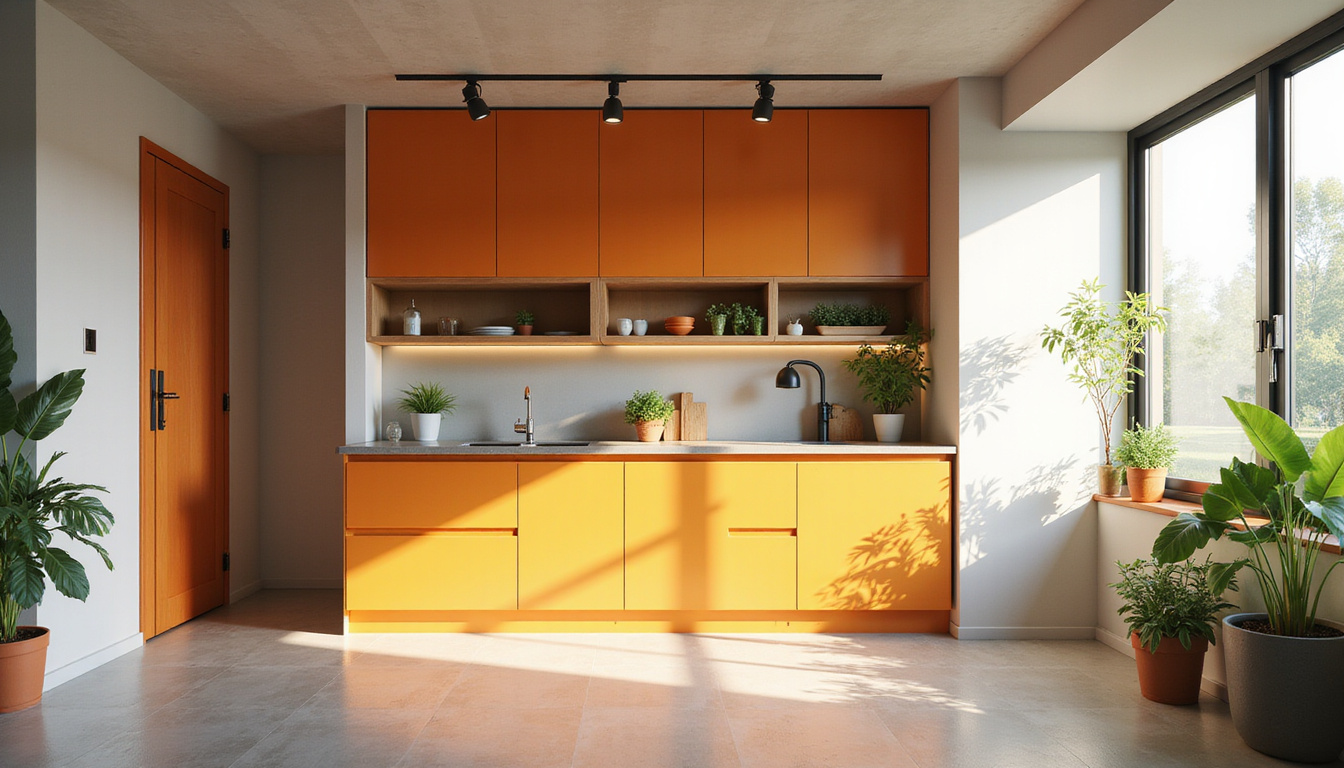
Light, Color, and Materials: Making Small Feel Spacious
Thoughtful use of light and color can make micro apartments feel significantly larger.
Design choices that expand space
- Maximize natural light: Keep window treatments light and minimal. Avoid blocking windows with tall furniture.
- Mirrors: Place a large mirror opposite or adjacent to a window to reflect light and views.
- Light-colored large surfaces: Walls, ceilings, and big furniture pieces in lighter tones make the room feel more open.
- Consistent flooring: Using the same flooring throughout (including kitchen, if practical) creates visual continuity and a sense of a bigger footprint.
Even in window-poor micro apartments, layered lighting (ambient, task, accent) and a bright, cohesive palette go a long way.
Tech and Smart Home Solutions for Tiny Urban Living
Technology can help micro apartments stay efficient and uncluttered.
- Smart lighting: Programmable bulbs and switches let you create “work,” “relax,” or “sleep” presets, shifting the mood without more fixtures.
- Compact, multi-use appliances: Washer–dryer combos, convection microwaves, and induction cooktops save space compared to full traditional setups.
- Cable management: Use cable trays, clips, and wireless peripherals to keep surfaces clean and flexible.
- Foldable monitors and devices: Slim laptops with external foldable or portable monitors prevent bulky desktop setups in tiny homes.
The modern micro apartment often functions as home, office, and entertainment hub—smart tech keeps it seamless instead of chaotic.
Real-Life Inspiration: Learning from People Already Living Small
If you’re new to micro apartments, it helps to see what actual residents have learned the hard way. This honest video, “Things I Wish I Knew Before Moving to Egypt – My Honest Experience,” offers useful insight into adapting to compact, urban living and local housing realities:
Even if your city is different, the principles of prioritizing location, balancing cost and comfort, and adapting your lifestyle to a smaller physical footprint are widely applicable.
For broader context on urban housing and affordability challenges that fuel demand for micro apartments, data from organizations like UN-Habitat can be helpful (source: UN-Habitat).
Micro Apartments Pros and Cons: Is This Lifestyle for You?
Before you commit to this way of living, weigh the benefits and trade-offs honestly.
Advantages
- Prime locations: Live closer to work, transit, and city life.
- Lower total rent and utility costs: Less space often means lower monthly bills.
- Less to clean and maintain: Housekeeping becomes quick and easy.
- Encourages intentional living: You’re pushed to own only what you really need and value.
Drawbacks
- Limited privacy if sharing: Even with clever zoning, there’s little escape in a tiny shared space.
- Entertaining constraints: Hosting large gatherings is challenging.
- Storage pressure: Hobbies or gear-heavy lifestyles (sports equipment, instruments, etc.) are harder to accommodate.
- Mental adjustment: Some people never quite adapt to the lack of personal space.
The best micro apartments match both your budget and your personality. Be realistic about your tolerance for small-space living.
Quick Checklist: Essential Design Moves for Micro Apartments
Use this as a rapid reference when planning or refreshing your tiny home:
- Define your top 2–3 daily activities (work, cooking, relaxing) and prioritize those in your layout.
- Create clear zones using rugs, furniture placement, and lighting.
- Choose multi-functional furniture (sofa bed, extendable table, storage ottoman).
- Exploit vertical space with tall storage, lofted beds (if possible), and wall shelving.
- Use a cohesive color palette and minimize visual noise.
- Install under-bed and behind-door storage to capture hidden space.
- Maximize natural and artificial light; add mirrors to amplify brightness.
- Regularly declutter—micro apartments require ongoing editing.
FAQ: Living Smarter in Micro Apartments
1. Are micro apartments good for couples or just singles?
Micro apartments can work for couples, but it depends on your habits and communication. Dual-purpose furniture, excellent storage, and clear agreements about noise, work-from-home routines, and hosting are essential. Some couples thrive in micro apartments; others find the constant closeness stressful.
2. How can I make micro apartment living feel less cramped?
Prioritize vertical storage, keep pathways clear, and use light colors, mirrors, and layered lighting. Limit large, dark furniture and avoid over-decorating walls. In micro apartments, even small amounts of visual clutter quickly make the space feel tight, so adopt a “one in, one out” rule for new items.
3. What should I look for when renting or buying micro apartment units?
Beyond price, check ceiling height, natural light, built-in storage, and layout flexibility. In micro apartments, awkward corners, limited windows, or no storage can be much more problematic than in larger units. Also, consider building amenities—shared laundry, lounges, or roof decks can extend your living space beyond the unit.
Turn Your Tiny Urban Space into a Home You Love
Micro apartments don’t have to feel like compromises. With deliberate layout planning, multi-functional furniture, vertical storage, and a calm, cohesive design, you can transform a small unit into a highly efficient, genuinely pleasant home that supports your real lifestyle.
If you’re ready to make the most of your micro apartment—whether you’re designing from scratch, moving into a new unit, or refreshing your current place—start by choosing one or two strategies from this guide and implementing them this week. Small, focused changes add up quickly in a tiny home. With each improvement, you’ll feel your micro apartment shifting from “just a place to sleep” into a smart, comfortable urban sanctuary that works hard for you every day.