
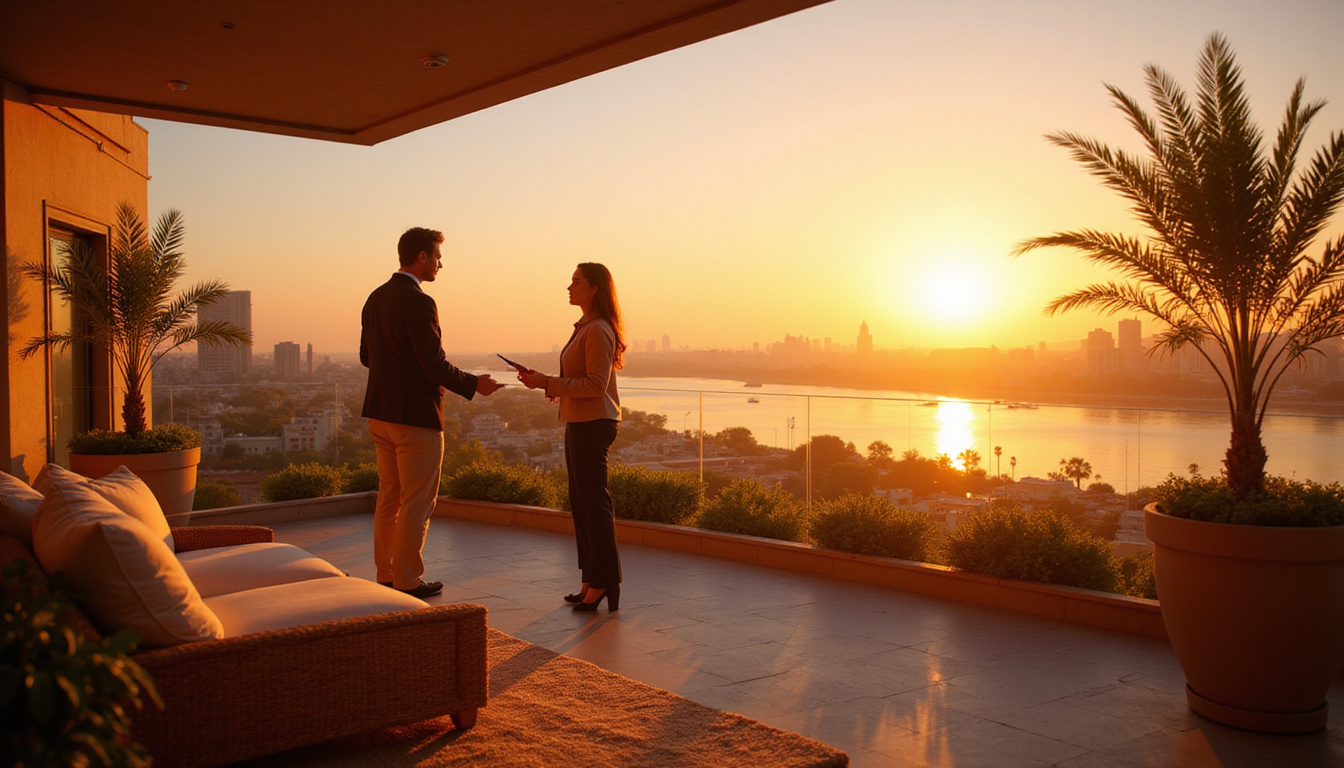
Egypt homes are attracting more attention than ever—from local buyers upgrading their lifestyle to foreign investors hunting for high-yield opportunities. With competitive prices, improving infrastructure, and a strong tourism sector, Egypt’s real estate market offers genuine potential. But to benefit, you need to understand the nuances of buying, renting, and investing in this unique market.
This guide walks you through everything you need to know about Egypt homes: where to look, what to watch out for, and how to make smart, safe decisions.
Why Egypt Homes Are on So Many Buyers’ Radars
Egypt’s property market combines relatively low entry prices with long-term growth potential. Several factors are driving interest in Egypt homes:
- Major new cities like New Cairo, the New Administrative Capital (NAC), and New Alamein
- Strong local demand from a young and growing population
- Expansion of infrastructure: new roads, metro extensions, and coastal developments
- Attractive payment plans from developers, especially off‑plan
For expats and foreign buyers, Egypt also offers an appealing cost of living compared with many Western countries. To get a realistic feel for everyday expenses, this video overview of the cost of living is very helpful:
Best Areas to Consider for Egypt Homes
Where you buy in Egypt can matter as much as what you buy. Each area has its own character, price levels, and investment profile.
Greater Cairo: New Cairo, 6th of October, Sheikh Zayed, NAC
New Cairo (5th Settlement, Rehab, Madinaty, etc.)
Popular with families and expats, with gated compounds, international schools, and malls. Prices are higher but resale and rental demand are strong.6th of October & Sheikh Zayed
West Cairo’s answer to New Cairo: big compounds, universities, and commercial centers. Often slightly more affordable than prime New Cairo, with good long-term potential as infrastructure improves.New Administrative Capital (NAC)
A government-backed mega‑project. Egypt homes here are mostly new builds and off‑plan. Strong speculation and future promise, but you must vet developers carefully and consider delivery timelines.
Coastal Homes: North Coast & Red Sea
North Coast (Sahel, New Alamein)
Famous for seasonal luxury. Villas and chalets are ideal for holiday use and short‑term rentals in summer, but be aware of mostly seasonal occupancy.Red Sea (Hurghada, El Gouna, Sahl Hasheesh, Marsa Alam)
A favorite with foreign buyers. El Gouna and Sahl Hasheesh, in particular, offer resort-style communities, marinas, and better year-round rental potential from tourists and long-stay visitors.
Alexandria and Nile Cities
Alexandria
Historic charm and Mediterranean climate. Many older apartments, plus newer compounds on the outskirts. Seafront properties can hold value well but may need renovation.Mansoura, Tanta, other Nile Delta cities
Mostly local demand, lower price points, and decent rental yields if you know the local market. Better for those with strong local knowledge or family ties.
How Foreigners Can Own Egypt Homes
Foreign ownership in Egypt is allowed but subject to rules. The basics:
- You can typically own up to two residential properties in Egypt for personal use.
- Each property size is capped (commonly referenced around 4,000 m², but always confirm current rules).
- Some strategic or border areas have special restrictions.
- Resale might be restricted within a certain period (e.g., five years) depending on how you purchased.
Because regulations can evolve, it’s important to:
- Hire a local lawyer who specializes in real estate.
- Verify whether the land and building are fully registered at the Real Estate Publicity Department (el‑shahr el‑aqary).
- Check if any special approvals apply in coastal or border regions.
For up-to-date legal background, you can review guidance from Egypt’s official Investment Authority and Ministry resources (source: Egyptian General Authority for Investment and Free Zones).
Buying Egypt Homes: Step-by-Step
Buying property in Egypt involves different processes depending on whether you buy directly from a developer or on the resale market.
1. Define Your Goal and Budget
Before looking at listings, get clear on:
- Are you buying to live, rent long term, use as a vacation home, or purely invest?
- What’s your total budget including:
- Down payment
- Monthly installments (if any)
- Registration costs
- Finishing and furnishing
This will help you choose between central Egypt homes, gated compounds, or coastal units.
2. Choose Developer vs Resale
Developer / Off‑Plan
- Pros: Lower initial payments, flexible installments, modern layouts, amenities.
- Cons: Delivery risk, construction delays, sometimes smaller unit sizes, not always fully registered land.
Resale / Ready Units
- Pros: You can see exactly what you’re buying, existing community, immediate use or rental.
- Cons: Higher initial cash outlay, fewer payment facilities, potential need for renovation.
3. Legal Due Diligence
Your lawyer should:
- Check the title deed or ownership documents.
- Confirm whether the property is registered or “old contract” only.
- Review building permits and master plans (especially in compounds).
- Ensure there are no liens, debts, or inheritance disputes.
Do not rely solely on agents or sales offices. Insist on official documentation.
4. Contracts and Payment Terms
In Egypt, especially with developers:
- First step: Reservation form with a small deposit.
- Second: Sales contract outlining:
- Total price and payment schedule
- Delivery date and penalties for delay
- Maintenance fees and community charges
- What “finishing” includes (core & shell vs fully finished)
For resale properties, a private sale contract is typically signed first, followed by legal registration steps.
Renting Egypt Homes: What Tenants and Landlords Should Know
The rental market for Egypt homes is diverse, from economy apartments to luxury villas. Understanding typical practices protects both tenants and landlords.
For Tenants
- Lease Duration: Commonly 6 or 12 months, often renewable.
- Deposit: Usually 1–2 months’ rent as security.
- Furnishing: Many Egypt homes are offered fully or semi‑furnished in expat areas, unfurnished in local neighborhoods.
- Bills: Clarify who pays for electricity, water, gas, internet, and building maintenance.
Key tips:
- Always sign a written lease in Arabic (and English if needed).
- Check the condition report: appliances, ACs, water heaters, etc.
- Ensure the landlord provides proof of ownership (title or registered contract).
For Landlords
- Screen tenants carefully—employment, references, or previous landlord contacts.
- Use a lawyer-drafted lease to define:
- Payment dates and method
- Penalties for late payment
- Maintenance responsibilities
- Clear move-out rules
If you’re an overseas owner, it may be worth engaging a local property manager to handle rent collection, inspections, and minor repairs.
Investing in Egypt Homes: Key Strategies
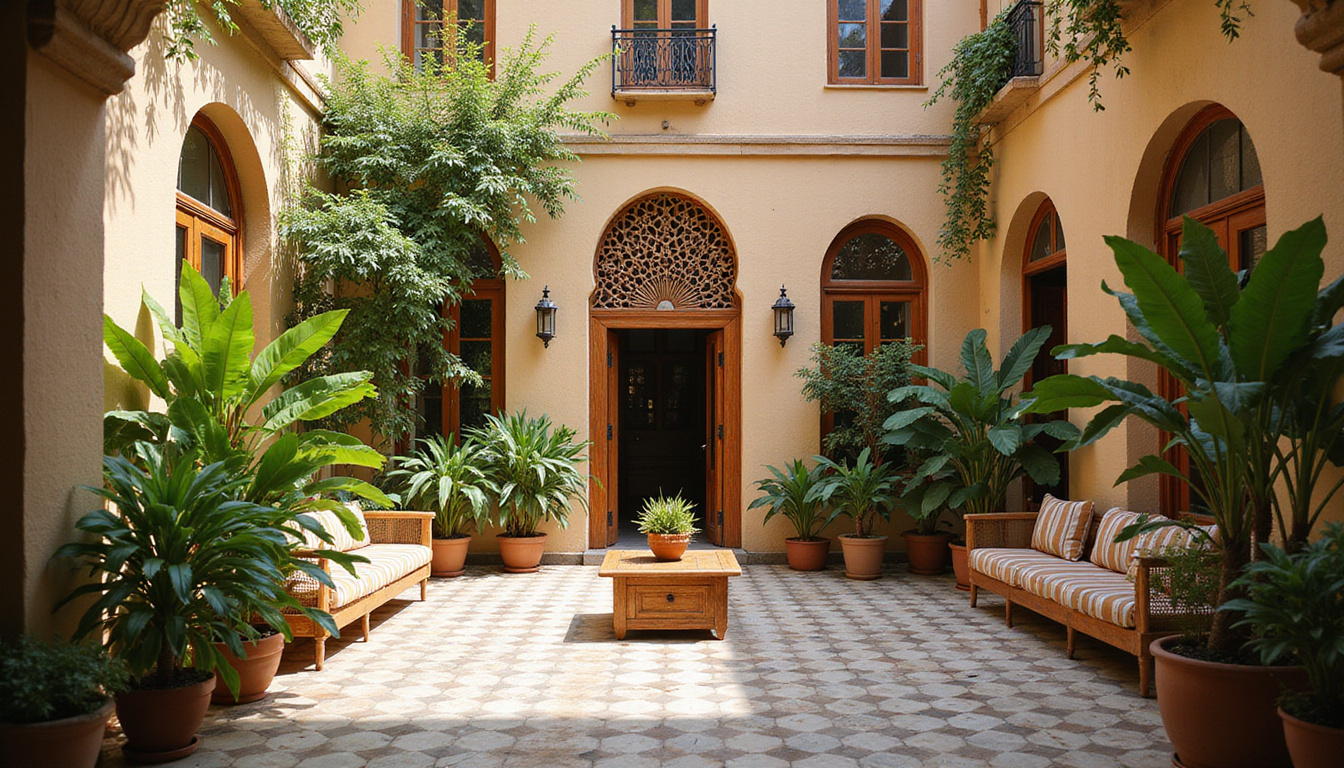
Whether you’re local or foreign, Egypt homes can deliver attractive returns if you choose the right strategy.
Long-Term Rental Income
Ideal areas: New Cairo, Sheikh Zayed, 6th of October, El Gouna, some parts of Alexandria.
- Target middle- to upper-middle-income tenants: professionals, expats, families.
- Prioritize accessibility: near schools, business hubs, and main roads.
- Choose functional layouts: 2–3 bedrooms, good natural light, reliable utilities.
Holiday and Short-Term Rentals
Ideal areas: North Coast, New Alamein, Hurghada, Sahl Hasheesh, El Gouna.
- Seasonal income can be high, especially in Sahel summer months.
- Consider partnering with a local rental agency or using international platforms for marketing.
- Check building or compound rules regarding short-term rentals.
Capital Appreciation (Buy & Hold)
New or expanding areas—like parts of NAC, New Alamein, and early phases of large compounds—can generate strong appreciation over several years.
To maximize potential:
- Select projects by reputable, well-funded developers.
- Prefer locations near future transport hubs, universities, or business districts.
- View infrastructure projects (roads, services, malls) as major value drivers.
Common Pitfalls to Avoid When Buying Egypt Homes
To protect your money and peace of mind, stay alert to these frequent issues:
Unclear or Unregistered Titles
Many older properties are sold with “old contracts” and no full registration. This can be okay in practice but carries higher legal risk. Always discuss the trade‑offs with your lawyer.Overstretching on Installments
Attractive payment plans can tempt buyers into oversized commitments. Stress‑test your budget against currency fluctuations and unexpected expenses.Hidden Maintenance and Community Fees
Compounds often have recurring fees for security, pools, landscaping, and clubs. Ask for exact figures and how often they increase.Ignoring Construction Quality
Even in prestigious compounds, finishing quality can vary. Inspect materials, doors, windows, plumbing, and electrical work—or pay an engineer to do it.Not Accounting for Finishing and Furniture
Many developer-delivered Egypt homes are semi-finished or “core & shell.” The cost to finish and furnish can be substantial; build this into your total budget.
Practical Checklist for Evaluating Egypt Homes
When you view properties, use a simple checklist to compare options objectively:
- Location: distance to work, schools, hospitals, and daily services
- Neighborhood: noise level, cleanliness, security presence
- Building: elevator condition, common areas, parking, water pressure
- Unit: layout, natural light, ventilation, structural cracks or dampness
- Legal: ownership documents, registration status, service charge details
- Financials: price vs area average, payment terms, realistic rental income
Having these points written down prevents emotional decisions and helps you negotiate from a position of strength.
Quick Pros & Cons of Egypt Homes
Pros
- Competitive prices vs many global markets
- Strong local demand and demographic growth
- Wide variety: city apartments, gated villas, coastal homes
- Attractive payment plans and off‑plan opportunities
Cons
- Legal and registration complexity
- Quality inconsistency between developers
- Currency and inflation risks for foreign buyers
- Seasonal nature of some coastal rental markets
FAQ: Buying and Renting Egypt Homes
Q1: Are Egypt homes a good investment for foreigners?
Yes, Egypt homes can be a solid investment, especially in well-located compounds in New Cairo, Sheikh Zayed, and established Red Sea resorts. Foreign buyers should pay extra attention to legal checks, currency risk, and exit strategies, ideally with professional legal and tax advice.
Q2: How much do homes in Egypt cost on average?
Prices for homes in Egypt vary widely by city and neighborhood. Local areas can start at relatively low price points per square meter, while prime compounds in New Cairo, West Cairo, and top coastal projects command significantly higher figures. Always compare with recent sales in the same area and project rather than national averages.
Q3: Is it better to rent or buy a home in Egypt first?
If you’re unfamiliar with Egypt, it’s often wiser to rent an Egypt home first for 6–12 months. This allows you to explore different areas, understand daily life and traffic, and refine your priorities before committing capital to a purchase.
Turn Your Egypt Homes Plan into Reality
If you approach the market with clear goals, solid legal support, and realistic numbers, Egypt homes can offer lifestyle upgrades, income, and long-term growth. Focus on strong locations, reputable developers, and transparent documentation, and take your time to compare options.
Whether you’re dreaming of a family apartment in New Cairo, a coastal retreat on the Red Sea, or a rental unit that generates steady income, the opportunities are there.
Start by shortlisting a few areas, speaking with an independent lawyer, and viewing properties—on the ground or virtually. The sooner you begin exploring, the sooner you can secure an Egypt home that fits your budget, your lifestyle, and your investment goals.