
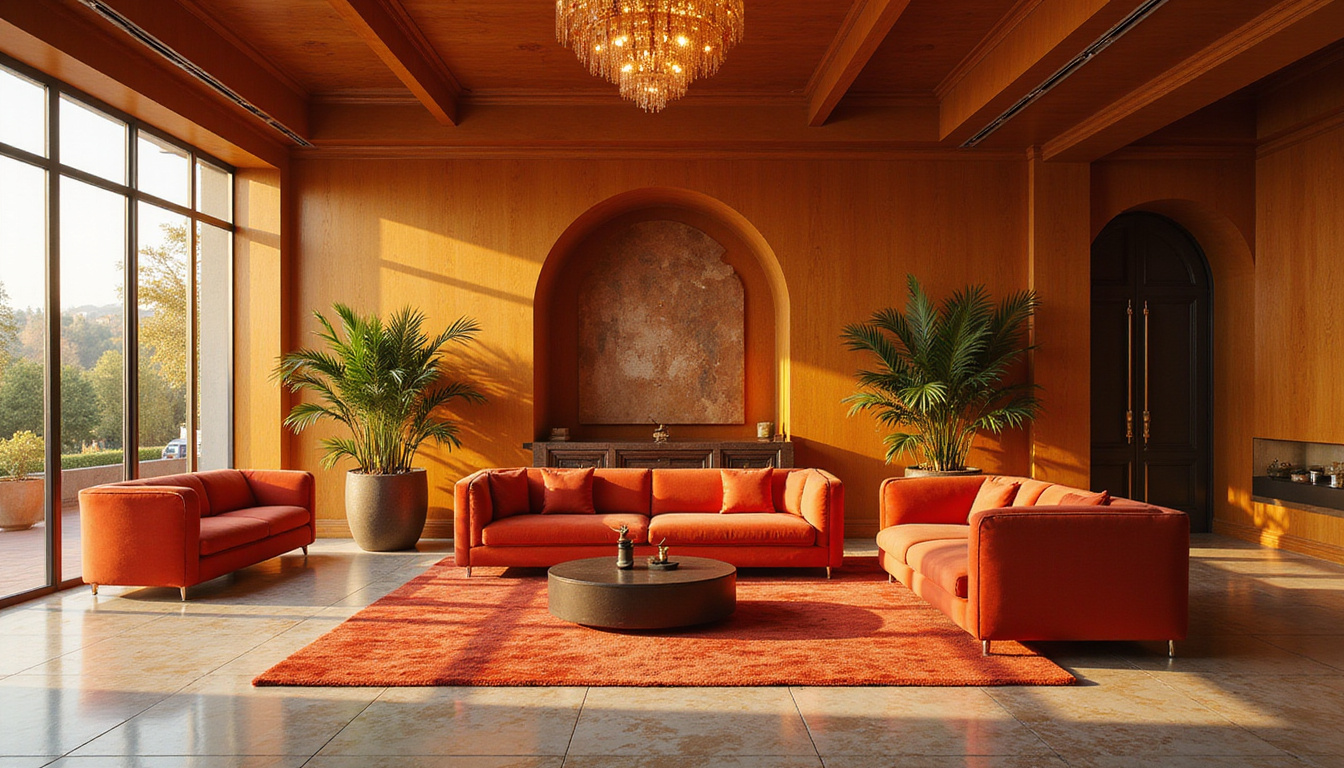
Luxury hotel photography is one of the most powerful levers you have to increase direct bookings, raise ADR, and elevate brand positioning. In a world where travelers scroll through dozens of options on OTAs and social media, your visuals are often the first—and sometimes only—chance to communicate the level of comfort, service, and exclusivity you offer. Done well, photography doesn’t just show rooms; it tells a story that makes guests want to be there.
Below is a practical, people-first guide to creating, commissioning, or optimizing luxury hotel photography that genuinely moves the needle on bookings and brand appeal.
Why Luxury Hotel Photography Directly Impacts Revenue
High‑quality luxury hotel photography does more than look good on your website. It affects:
- Click-through rates on OTAs and metasearch
- Time on site and lower bounce rates
- Direct booking conversion versus third-party bookings
- Perceived value, helping support higher room rates
Studies show that hotels with strong visual content see higher engagement and booking conversion compared to those with poor or generic imagery (source: Booking.com Partner Hub). Guests can’t feel the sheets or smell the spa online—but they can emotionally experience your brand through imagery that’s aspirational yet believable.
Step 1: Define Your Visual Brand Story Before You Shoot
Before you pick up a camera or hire a photographer, be clear about what your luxury hotel photography should communicate.
Ask:
- What 3–5 words describe our brand (e.g., “discreet,” “playful,” “heritage,” “urban chic”)?
- Who is our primary audience (honeymooners, families, business travelers, ultra‑high‑net‑worth guests)?
- What emotions do we want guests to feel (serenity, excitement, exclusivity, belonging)?
From there, create a simple visual narrative:
- Sense of place – What makes your location unique? Nile views, desert dunes, bustling city skyline, or historic old town?
- Journey through the stay – Arrival, check‑in, room reveal, dining, spa, evening ambiance, departure.
- Signature moments – Floating breakfast, sunset terrace cocktails, curated tours, personalized turndown service.
This story becomes your brief for every shot, ensuring your images are consistent and on-brand across your website, OTAs, and social platforms.
Step 2: Plan a Shot List That Sells the Experience
Luxury hotel photography must cover both the essentials and the emotional hooks. Work from a detailed shot list so you don’t miss key revenue-driving spaces.
Core spaces to capture
Exterior & arrival
- Day and night facades
- Entrance, driveway, doorman or valet
- Lobby and check‑in area
Guest rooms & suites
- Wide room views and close‑ups of details (textures, amenities)
- Bed styling, seating areas, workspaces
- Bathrooms: showers, bathtubs, double vanities, luxury amenities
F&B outlets
- Fine‑dining, casual outlets, café, bar, club
- Hero dishes and signature drinks
- Breakfast buffet and in‑room dining setups
Wellness & leisure
- Spa reception and treatment rooms
- Fitness center, pool, beach, gardens
- Private cabanas, rooftop pools, and relaxation areas
Meetings & events
- Ballrooms, meeting rooms, boardrooms
- Breakout areas, pre‑function spaces, terraces
Unique features
- Art collection, architecture, historical elements
- Specialized suites, private villas, butler service
Capture sequences, not just single images
Think in series:
- Guest arriving → welcomed with a drink → entering room → relaxing by the window → enjoying an evening cocktail at the bar.
- Spa day from check‑in to treatment to post‑treatment relaxation.
These sequences are perfect for website galleries, lookbooks, social media carousels, and marketing campaigns.
Step 3: Master Light—The Non‑Negotiable of Luxury Hotel Photography
Light is what separates mediocre shots from imagery that feels cinematic and luxurious.
Use natural light whenever possible
- Schedule room and suite shoots during soft daylight (early morning or late afternoon).
- Open curtains fully but control harsh sun with sheers.
- Turn off mixed color-temperature lights when they create orange/blue casts.
Control artificial light for mood
- Use warm, consistent lighting in rooms; replace mismatched bulbs ahead of the shoot.
- For restaurants and bars, embrace low‑light ambience but add subtle, diffused fill light to keep detail visible.
- Highlight focal features: a freestanding bathtub, a bespoke art piece, or an ornate headboard with accent lighting.
Avoid common lighting mistakes
- Mixed color temperatures (cool daylight + warm lamps) causing strange skin tones and wall colors.
- Overexposed windows that turn views into white voids.
- Underexposed interiors that feel dull or cheap.
A professional specializing in luxury hotel photography will often use techniques like bracketing and flash blending to balance bright windows and dim interiors seamlessly.
Step 4: Style Rooms and Spaces to Feel Lived-In, Not Staged
Luxury isn’t about perfection; it’s about thoughtful details and a sense of effortless comfort.
Room and suite styling tips
- Make beds impeccably crisp but soften the scene with:
- A book and glasses on the bedside table
- A light throw casually draped
- A breakfast tray with coffee and fresh juice
- Clear away clutter: remote controls, trash bins, too many brochures.
- Arrange fresh flowers or greenery in key spots—bedside, coffee table, bathroom.
F&B styling
- Choose realistic yet aspirational setups:
- Two cocktails by the pool with a skyline or sea in the background
- A beautifully plated tasting menu on a crisp tablecloth
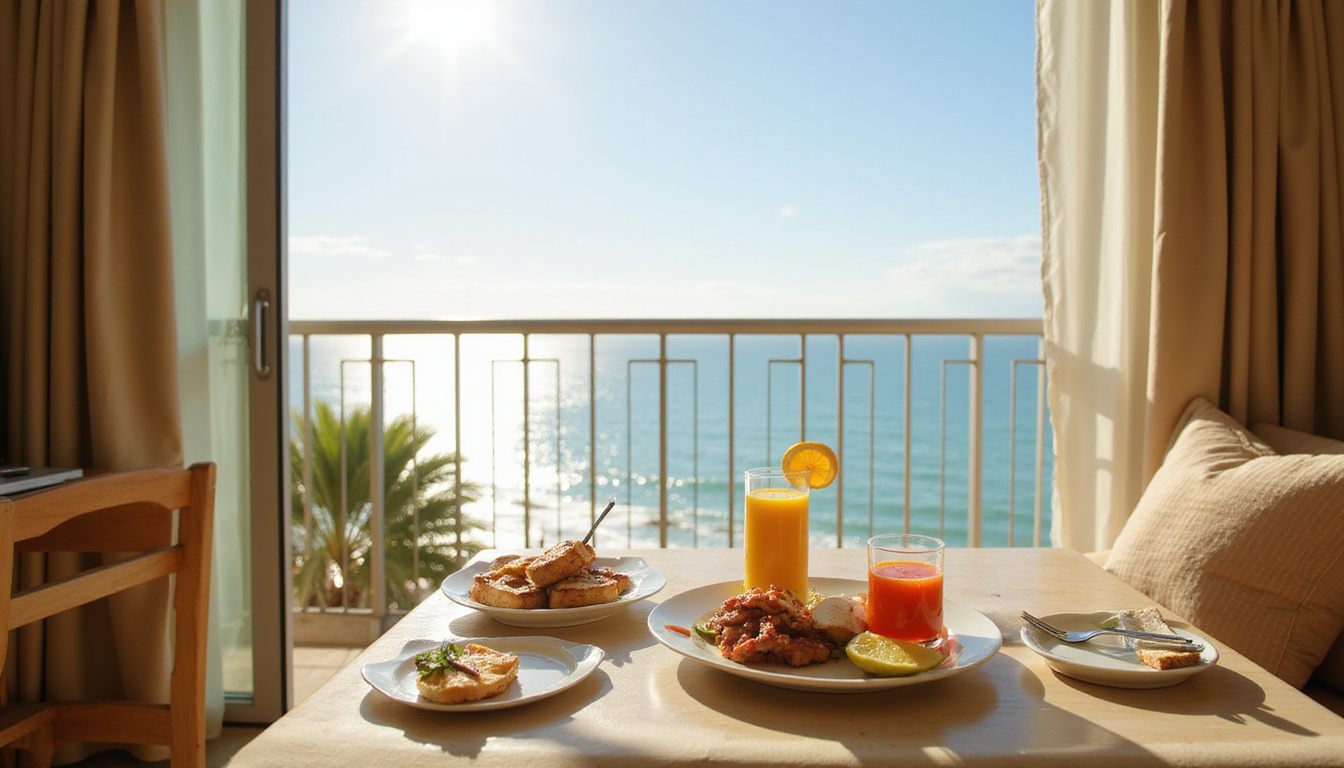
- A curated breakfast spread with local specialties
- Pay attention to:
- Clean plates and cutlery
- Steam on hot dishes (for a sense of freshness)
- Color balance on the table: greenery, colorful food, elegant tableware
Spa and leisure styling
- Neatly folded towels, robes, and slippers.
- Glowing candles or warm, indirect lighting.
- Herbal tea, infused water, or fruit platter on a small table.
The goal: every scene should make the viewer think, “I want to be right there, right now.”
Step 5: Use Models to Tell Human Stories (Without Losing Authenticity)
Including people can dramatically increase emotional impact and relatability—but it must be done with taste and alignment to your positioning.
Choosing and using models
- Reflect your target guests in age, style, and demeanor.
- Dress them according to your brand: resort chic, business elegant, or relaxed luxury.
- Focus on natural interactions:
- A couple laughing at breakfast
- A guest working on a laptop in a lounge
- A family enjoying the pool together
Avoid:
- Overly posed, “stock-photo” vibes.
- Crowded scenes; keep compositions clean and calm to maintain a sense of exclusivity.
Guest privacy is paramount. Unless you have explicit, signed consent, don’t photograph recognizable guests for marketing purposes.
Step 6: Compose Images to Highlight Space, Comfort, and View
Composition is where your property’s strengths are either enhanced or hidden.
Techniques for powerful compositions
- Wide shots with depth – Use foreground elements (flowers, a sofa, a table) to lead the eye into the room.
- Straight lines and symmetry – In luxury environments, crooked lines signal carelessness. Keep verticals vertical (doors, walls, windows).
- Rule of thirds – Position the bed, bathtub, or seating area off-center for more dynamic images.
- Hero the view – Frame windows and balconies to highlight sea, city, desert, garden, or historical views without overexposing.
Think in terms of “thumbnail first”: how will this image look small on an OTA search results page or mobile screen? Clear, strong shapes and focal points work best.
Step 7: Edit for Consistency, Not Fantasy
Post‑processing should enhance reality, not create a misleading version of your property.
Editing guidelines
- Maintain color accuracy: walls, textiles, and greenery should match real life.
- Remove small distractions: scuffs on walls, exit signs (within legal limits), cords, small litter.
- Keep contrast and clarity moderate; avoid HDR that looks artificial.
- Align your visual style:
- Warmer tones for cozy, romantic brands
- Cleaner, neutral tones for modern, minimalist properties
Misleading luxury hotel photography can lead to negative reviews and lower guest satisfaction. Guests should arrive and feel, “This is exactly like the photos—if not better.”
Step 8: Optimize Your Luxury Hotel Photography for Web, OTAs, and Social
Stunning photos only contribute to bookings if they’re used intelligently across channels.
Website
- Feature a hero image or video on the homepage that instantly conveys your strongest emotional proposition (e.g., rooftop infinity pool at sunset).
- Organize galleries by experience: Rooms & Suites, Dining, Wellness, Events, Destination.
- Use alt text and descriptive filenames for SEO:
luxury-hotel-photography-city-view-suite.jpgluxury-spa-hotel-egypt-rooftop-pool.jpg
OTAs and metasearch
- Lead with your best 5–10 images: exterior, standout room type, pool, restaurant, spa, key view.
- Ensure images meet each platform’s resolution and size requirements.
- Refresh galleries periodically to reflect refurbishments, seasonal offerings, or new outlets.
Social media and campaigns
- Use sequences and behind‑the‑scenes clips from your luxury hotel photography sessions for Reels, Stories, and TikTok.
- Highlight people-centric images on Instagram; use room and amenity shots for Pinterest and Facebook ads.
- Repurpose photos into email marketing headers and seasonal offers.
Step 9: Measure the Impact and Refine Over Time
Treat luxury hotel photography as a performance asset, not a one‑time expense.
Track:
- Conversion rates before and after new imagery goes live.
- Heatmaps on key landing pages to see which photos draw attention.
- OTA metrics: photo engagement, time viewed, and ranking changes where available.
Use this data to refine which types of images you shoot more of: is it balconies, F&B, spa, or destination-led imagery that drives the most engagement?
Quick Checklist: Essential Shots for Luxury Hotel Photography
Use this list when planning your next shoot:
- Exterior day and night
- Lobby and key public spaces
- All room categories (especially top revenue generators)
- Bathrooms and specialty amenities
- Pool(s), beach, and leisure areas
- Spa reception, treatment rooms, relaxation lounges
- F&B outlets with hero dishes and drinks
- Meeting and event spaces set up in different layouts
- Signature experiences (e.g., yacht, desert safari, rooftop dining)
- Seasonal or cultural elements unique to your location
FAQ: Common Questions About Luxury Hotel Photography
Q1: How much does professional luxury hotel photography cost?
Costs vary widely by market and scope, but true specialists in luxury hotel photography typically charge more than generalist photographers. Expect pricing to reflect pre‑production planning, shoot days, professional equipment, assistants, retouching, and usage rights. While it’s an investment, even a small uplift in conversion or ADR can quickly cover the cost.
Q2: How often should we update our high-end hotel photos?
Refresh key images every 2–3 years, or anytime you complete renovations, rebrand, or launch new venues. Regularly updating your luxury accommodation photography helps keep OTAs and repeat guests engaged and ensures your visuals match the current guest experience.
Q3: Can we handle luxury hotel imagery in‑house instead of hiring a pro?
You can use in‑house content for social media and day‑to‑day updates, but for website and OTA hero images, specialized luxury hotel photography is strongly recommended. Professionals understand lighting, composition, styling, and brand storytelling at a level that significantly affects perceived value and bookings.
Turn Your Visuals into a Competitive Advantage
In competitive markets—whether it’s a Nile‑front landmark, a Red Sea resort, or a downtown business hotel—luxury hotel photography is one of the few elements fully under your control. When your imagery brings your brand story, design, and service promise to life, you’re not just filling rooms; you’re attracting the right guests at better rates.
If your current photos don’t truly reflect the experience you deliver, now is the time to act. Audit your existing visuals, define your brand story, and partner with a photographer who understands luxury hospitality. With a strategic image overhaul, you can sharpen your brand, stand out on every platform, and convert more lookers into loyal guests.