
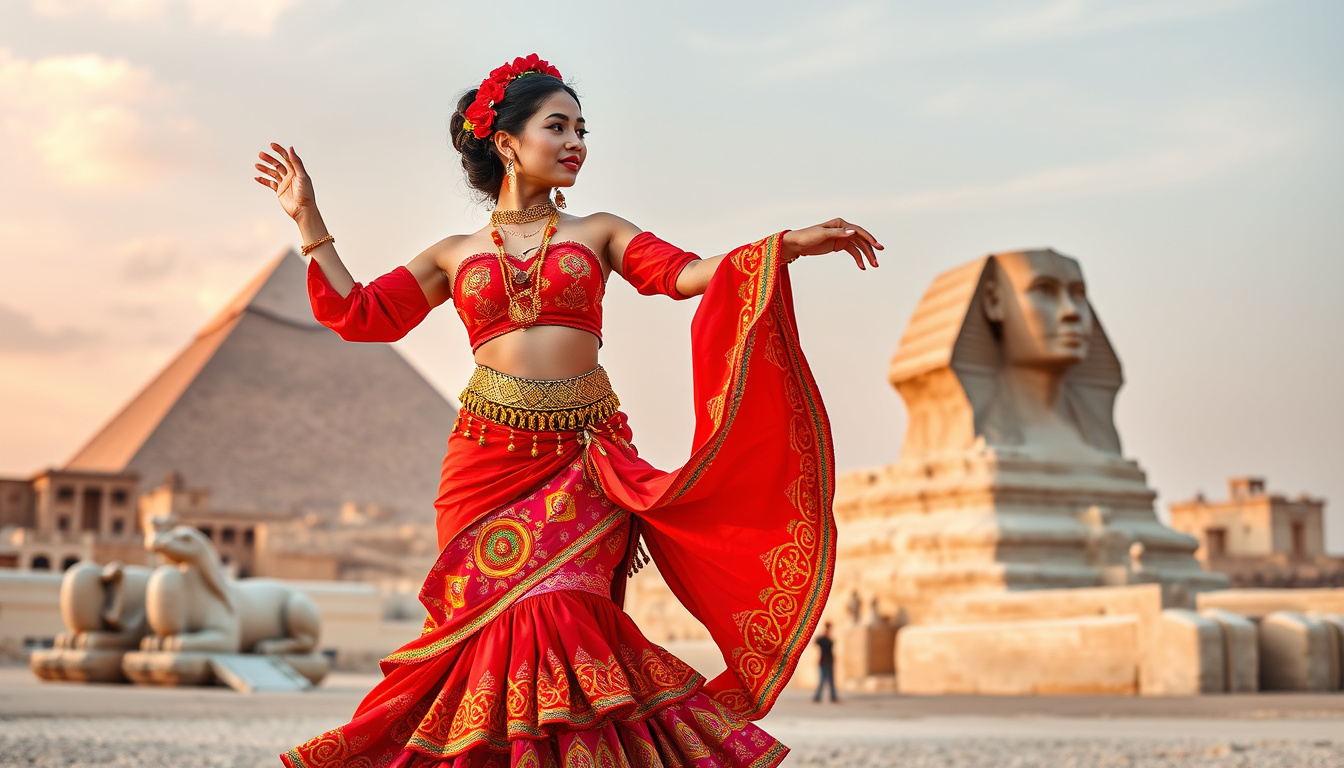
In today’s globalized world, cultural exchanges are more prevalent than ever.
For many, the intertwining of traditions can lead to transformative experiences that reshape personal narratives.
In the heartfelt article ‘When My Hips Learned to Speak Arabic’ by Atiqah Ghazali-alKashif, we follow her inspiring journey as a Malaysian woman who falls in love with Egyptian culture through the art of belly dancing.
Set against the backdrop of a tranquil studio in Bangsar, Atiqah delves into the powerful connection between movement, identity, and heritage.
This article unpacks her exploration of belly dancing—a dance form often misunderstood in Western contexts—as she navigates her femininity, self-acceptance, and the cultural tapestry within her marriage to an Egyptian man.
Join us as we discover how embracing this ancient dance transformed her understanding of her identity and fostered a deeper appreciation for the cultural traditions that bind her journey.
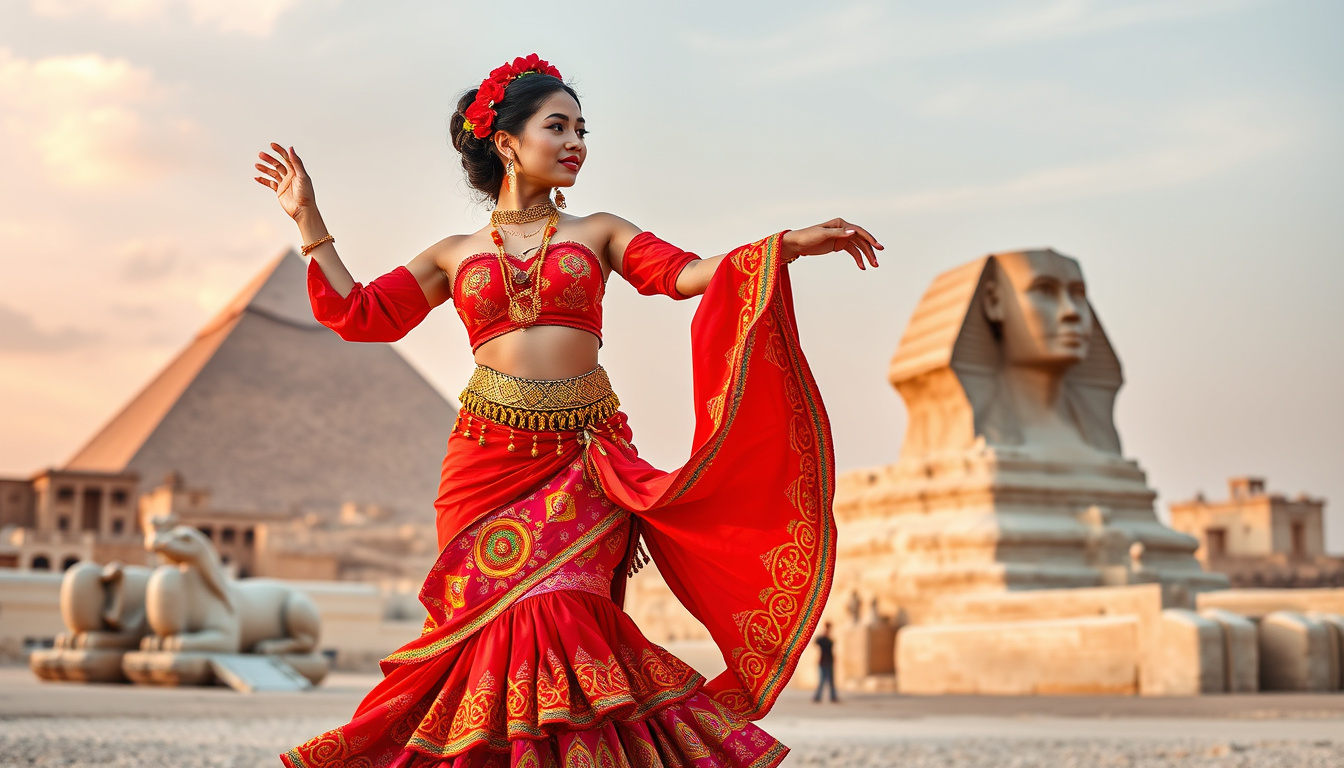
Key Takeaways
- Belly dancing serves as a bridge for the author to connect with her Malaysian heritage and her husband’s Egyptian culture.
- The art form challenges societal misconceptions, offering a deeper understanding of femininity and cultural identity.
- Through dance, the author experiences personal transformation, healing, and a celebration of her identity in a multicultural marriage.
Discovering Cultural Connections Through Dance
Dance is a universal language that transcends borders, allowing individuals to connect with their cultural heritage and express their innermost emotions.
In Atiqah Ghazali-alKashif’s enlightening article, ‘When My Hips Learned to Speak Arabic,’ the author explores her transformative journey into the world of belly dancing, a profound experience as a Malaysian woman married to an Egyptian man.
Set in a serene studio in Bangsar, the narrative unfolds to reveal how dance becomes not just a form of movement but a pathway to understanding her roots and cultural nuances.
Ghazali-alKashif reflects on her early days of learning belly dance, discovering unexpected facets of her identity, body, and emotions.
Her husband’s appreciation of classical Arab music enhances her experience, underscoring the blending of their distinct cultural backgrounds.
This beautiful exploration of belly dancing dismantles Western misconceptions that often reduce the art form to mere sexual performance, instead asserting its rightful place as a cherished element of communal celebration and female empowerment in Egypt.
Through dance, she finds healing and embraces her femininity, confidently asserting her self-worth amid societal challenges and misunderstandings.
The author articulates how belly dancing serves as a quiet rebellion—a tool for self-expression and acceptance that allows her to weave her own cultural narrative.
Ultimately, dance becomes a celebration of heritage, identity, and the rhythms of life, guiding Ghazali-alKashif in her quest for joy and belonging within a new cultural landscape.
Redefining Femininity and Identity in a New Context
In this context, belly dancing emerges not only as a compelling artistic expression but also as a conduit for cultural dialogue and personal empowerment.
Atiqah’s journey showcases how movement enables her to connect deeply with her Malay roots while simultaneously embracing her husband’s Egyptian heritage.
The intricate moves and captivating rhythms allow her to embody not just the technical aspects of dance but also the rich tapestry of stories and traditions that accompany it.
By immersing herself in this art form, Ghazali-alKashif challenges prevailing stereotypes, shedding light on the diverse interpretations of femininity and identity that exist within her multicultural marriage.
As viewers witness her evolution, it becomes clear that belly dancing transcends performance; it signifies a reclaiming of power, agency, and self-definition in a world that often seeks to box individuals into narrow identities.
This article encourages readers to reflect on the importance of embracing one’s cultural heritage and the unique narratives that shape our identities, ultimately highlighting the transformative power of art in fostering personal and communal connections.