

If you’re buying a home, closing costs can feel like a confusing wall of fees between you and your new front door. These charges typically range from 2% to 5% of the purchase price—and that adds up fast. Understanding what’s included, what’s negotiable, and how to strategically reduce these home fees can save you thousands without derailing your purchase.
Below, you’ll find a clear breakdown of closing costs, smart tactics to cut them, and practical tips you can use whether you’re a first-time buyer, upgrading, or investing.
What Are Closing Costs, Exactly?
Closing costs are the total of all the fees you pay at the end of a real estate transaction, in addition to your down payment. They cover services and charges required to legally and financially transfer ownership of the property to you.
Typical closing costs include:
- Lender fees (origination, underwriting, application)
- Appraisal and credit report fees
- Title search and title insurance
- Escrow or settlement fees
- Recording fees and transfer taxes
- Prepaid items like property taxes and homeowner’s insurance
- Prepaid interest (from closing date to first mortgage payment)
These costs are itemized in the Loan Estimate you receive soon after applying for a mortgage and again in the Closing Disclosure provided before signing. Comparing these documents carefully is your first step toward paying less.
How Much Are Closing Costs on a Typical Home?
While closing costs vary by location, lender, and property type, a common range is:
- 2% to 5% of the purchase price
For example:
- On a $200,000 home: about $4,000–$10,000
- On a $350,000 home: about $7,000–$17,500
- On a $500,000 home: about $10,000–$25,000
Several factors influence where you land in that range:
- Local taxes and government fees: Some cities and states have higher transfer taxes and recording charges.
- Lender pricing: Different mortgage companies structure fees differently.
- Type of loan: FHA, VA, conventional, and jumbo loans can have different fee structures.
- Discount points: If you pay points to lower your rate, your upfront closing costs go up, even though your monthly payment goes down.
According to the Consumer Financial Protection Bureau, closing fees can vary widely across lenders and locations, which is exactly why comparison shopping matters (source: consumerfinance.gov).
The Major Parts of Closing Costs (And Which You Can Reduce)
Not all closing costs are created equal. Some are fixed or government-driven, while others are highly negotiable.
1. Lender Fees
These are charged by your mortgage provider and may include:
- Origination fee
- Underwriting fee
- Processing or application fee
How to reduce them:
- Ask for a no-origination-fee or reduced-fee loan.
- Get at least 3 written quotes and use lower offers as leverage.
- Question any vaguely named fee—ask, “Is this required? Can this be waived or reduced?”
2. Third-Party Fees
These include costs paid to outside companies:
- Appraisal
- Credit report
- Survey
- Home inspection (sometimes paid outside of closing)
How to reduce them:
- Where allowed, choose your own provider from your lender’s approved list and shop around.
- Ask whether an existing survey or recent appraisal can be reused (not always possible, but worth asking).
3. Title and Escrow Fees
These ensure you get clear ownership and that money is handled correctly:
- Title search
- Lender’s and owner’s title insurance
- Escrow/settlement fee
- Notary
How to reduce them:
- Get quotes from multiple title or escrow companies if your area allows you to choose.
- Ask about reissue or discounted rates if the property was recently refinanced or sold.
- See whether your state customarily has buyers or sellers pay certain title fees—standards can be negotiated.
4. Taxes, Government, and Prepaids
This group includes:
- Transfer taxes
- Recording fees
- Prepaid property tax
- Prepaid homeowner’s insurance
- Prepaid mortgage interest
Many of these are not negotiable because they’re set by law or by your insurer. But timing your closing date can change how much you prepay.
Smart Strategies to Lower Your Closing Costs
You don’t have to accept every fee at face value. Use these strategies to trim your bill.
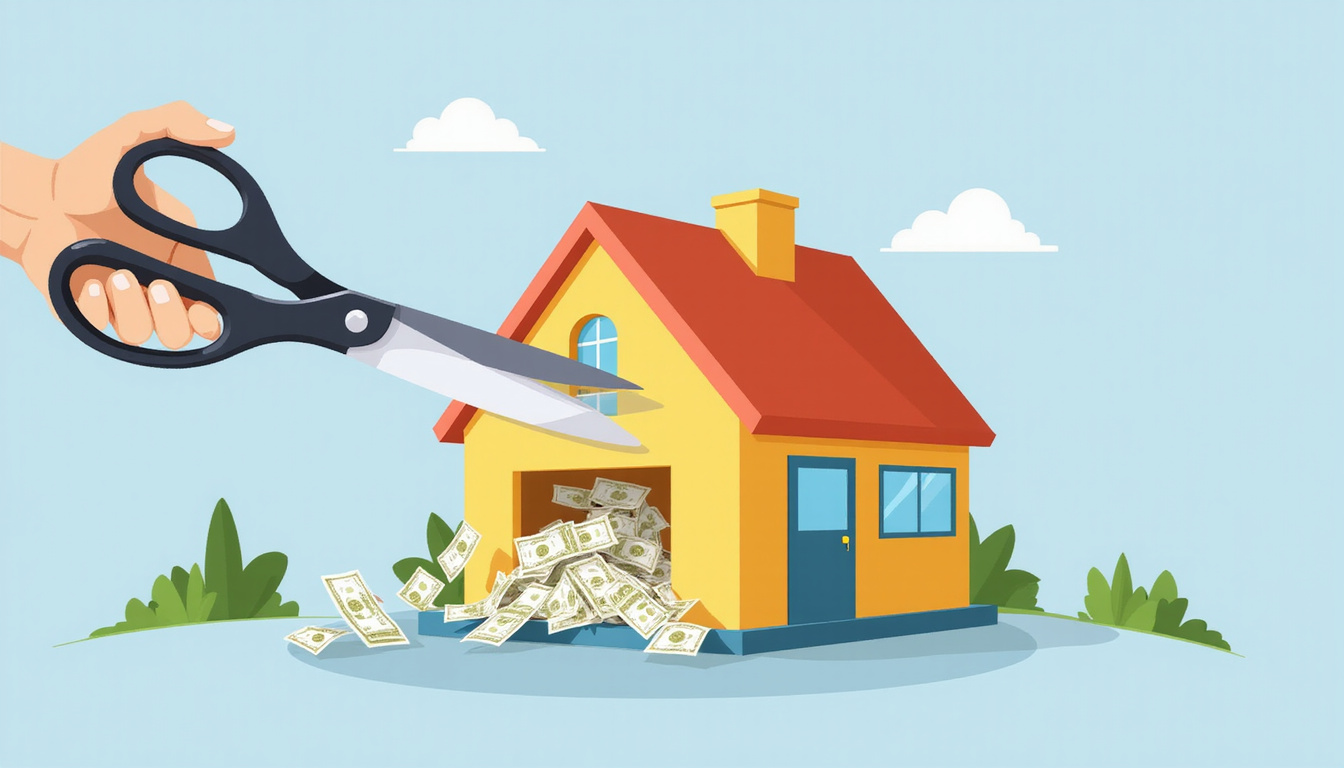
1. Shop Around Aggressively for Your Mortgage
Even a slight difference in lender fees or interest rate can translate into substantial savings over time, plus lower closing costs upfront.
- Request detailed Loan Estimates from multiple lenders.
- Compare the APR as well as the interest rate.
- Ask each lender, “How can I lower my closing costs with you?”—then compare what they’re willing to do.
2. Negotiate Lender Fees Directly
Many buyers don’t realize certain lender-related closing costs can be negotiated:
- Ask for a lender credit in exchange for a slightly higher interest rate. This can dramatically cut or even eliminate upfront closing costs if you plan to sell or refinance within a few years.
- Request that junk fees be waived or reduced. If you see vague items like “processing fee” or “admin fee,” ask why they’re needed.
3. Time Your Closing Date Wisely
Your “prepaid interest” at closing covers interest from the day you close until the end of that month. Closing near the end of the month usually reduces this amount.
Example:
- Close on the 3rd → You pay interest for most of the month.
- Close on the 28th → You pay only a few days of interest.
This doesn’t change your total mortgage cost long-term, but it can reduce your cash due at closing.
4. Ask the Seller to Contribute
In many markets, sellers may agree to cover part of your closing costs as an incentive.
- Ask your agent about seller concessions and what’s typical in your area.
- Structure your offer as: “Full price offer, with the seller paying X toward buyer’s closing costs.”
Note: Some loan programs cap how much sellers can contribute (often 3–6% of the price), so check your lender’s rules.
5. Use Closing Cost Assistance and Grants
Depending on where you’re buying and whether you’re a first-time buyer, you may qualify for programs that reduce your closing costs, provide grants, or offer forgivable loans.
- Look for state and local housing agency programs.
- Ask your lender about down payment and closing cost assistance they’ve seen buyers use successfully.
These programs can be income-based or limited to certain neighborhoods, but when available they can dramatically reduce the cash you need at closing.
6. Choose the Right Combination of Rate and Fees
Mortgage pricing is a tradeoff between:
- Lower rate, higher closing costs (paying discount points)
- Higher rate, lower or zero closing costs (lender credits)
Which is better depends on:
- How long you plan to keep the home.
- Whether you anticipate refinancing in the near future.
- Your current cash situation.
If cash is tight, it may make sense to accept a slightly higher rate in exchange for lower closing costs, especially if you’ll likely move or refinance within a few years.
Common Closing-Cost Mistakes to Avoid
Here are pitfalls that often cost buyers more than necessary:
- Not reading the Loan Estimate or Closing Disclosure carefully
- Failing to compare multiple lenders and title companies
- Assuming all closing costs are non-negotiable
- Ignoring the impact of discount points and lender credits
- Waiting until the last week to ask questions—when it’s hardest to change anything
Ask early, and don’t be afraid to slow things down long enough to understand every line item.
Example: How Small Tweaks Can Save Thousands
Imagine you’re buying a $300,000 home and your initial estimate of closing costs is $10,000. Here’s how you might reduce that:
- You shop two more lenders and find one with $1,000 lower lender fees.
- You negotiate a $1,500 seller credit toward closing costs.
- You move your closing date from the 5th to the 28th of the month, trimming $300 in prepaid interest.
- You choose a recommended title company with $400 lower fees.
Total potential savings: $3,200—just by asking questions and comparing options.
Video: Real-World Insights on Costs of Homeownership
For another perspective on the true costs of living and housing beyond just your closing costs, this video can help you think more holistically about your budget and long-term affordability:
[The Real Cost of Living In Egypt 2025](
While it focuses on a specific country, the principles around planning for hidden costs and budgeting beyond the purchase price are relevant wherever you’re buying.
Quick Checklist to Control Your Closing Costs
Use this list as you move through the buying process:
- Get at least three mortgage quotes and compare total lender fees.
- Ask each lender: “What are my options to reduce closing costs?”
- Clarify which closing costs are mandatory vs. negotiable.
- Ask your real estate agent about seller credits or concessions.
- Check for local grants or assistance programs.
- Review your Closing Disclosure line by line a few days before closing.
- Confirm whether your closing date is minimizing prepaid interest.
Keeping this checklist handy can help you stay focused as deadlines approach.
FAQ: Common Questions About Closing Costs
1. What are typical closing costs for buyers?
Typical closing costs for buyers are around 2–5% of the home’s purchase price, depending on your location, lender, and loan type. On a $300,000 home, that would be roughly $6,000–$15,000. The best way to know your specific range is to compare Loan Estimates from at least a few lenders and ask them to explain each item.
2. Can you roll closing costs into your mortgage?
In many cases, yes—closing costs can be rolled into the mortgage or offset with lender credits, especially for refinances. For a purchase, many buyers instead negotiate seller-paid closing costs or accept a slightly higher rate in exchange for reduced upfront fees. Always compare the long-term interest cost against the short-term cash savings.
3. How can first-time buyers reduce closing costs the most?
First-time buyers can reduce closing costs by combining several strategies:
- Applying for first-time buyer assistance programs and grants
- Requesting seller credits toward closing expenses
- Comparing multiple lenders and title companies
- Considering a lender credit in exchange for a slightly higher rate
Taking advantage of all available programs and shopping carefully can significantly lower the cash needed to get into your first home.
Take Control of Your Closing Costs and Own with Confidence
You don’t have to be surprised or overwhelmed by closing costs. When you know what each fee covers, which ones are flexible, and how to negotiate, you gain real control over one of the largest financial transactions of your life.
As you move toward homeownership, start early: compare lenders, ask pointed questions about every fee, explore assistance programs, and lean on experienced professionals who will advocate for you. A few strategic decisions now can save you thousands at the closing table—and set you up for a more affordable, sustainable future in your new home.
If you’re ready to take the next step, begin by requesting detailed, written quotes from multiple lenders and title companies today. Use those numbers as tools to negotiate, structure your offer, and build a closing-cost plan that fits your budget—so you can cross the finish line confidently and focus on enjoying your new home.