
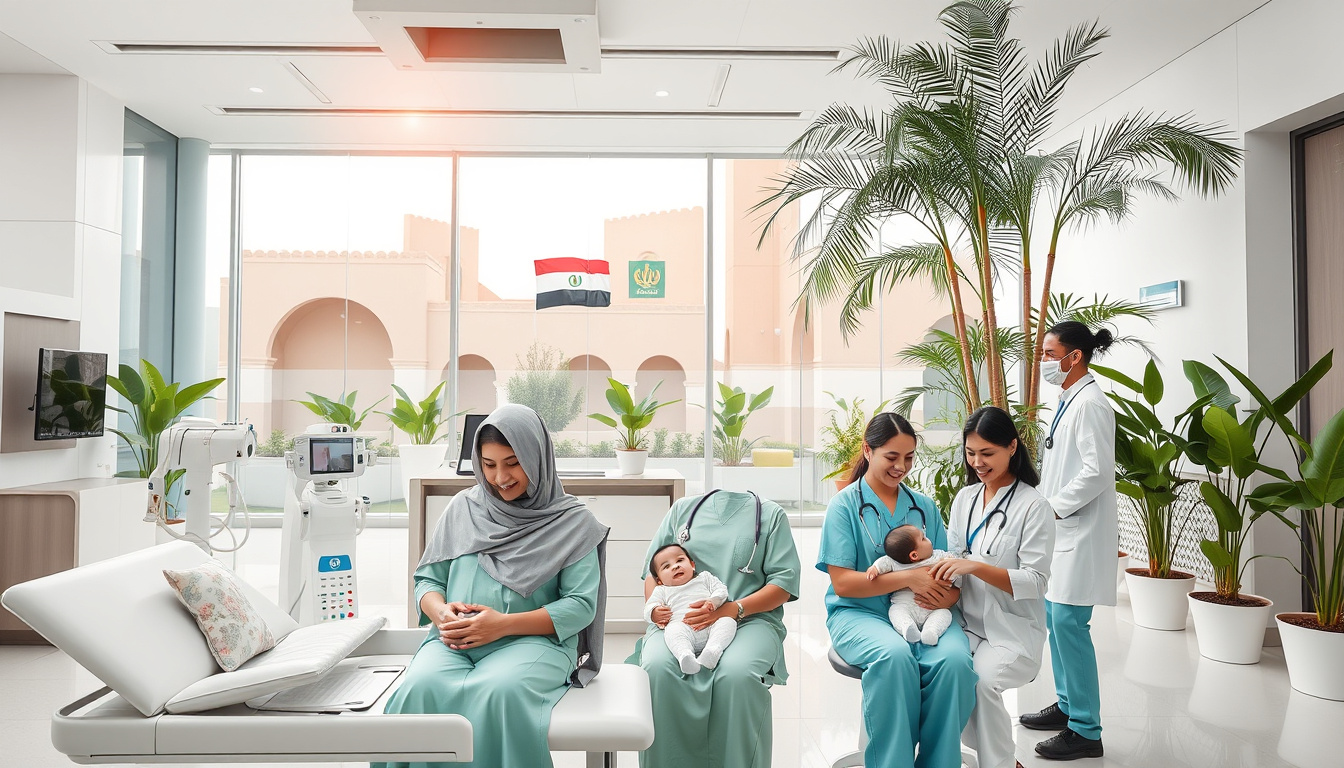
As the world increasingly recognizes the critical importance of maternal and infant health, Egypt stands on the brink of a monumental change in healthcare delivery with its upcoming ‘Newborn Pathway’ initiative.
Scheduled for launch on June 1, 2026, by the Egyptian Ministry of Health and Population, this program aims to transform the landscape of healthcare for mothers and their newborns during the crucial first month after birth.
In a nation where the birth rate is notably high, the Newborn Pathway is not just a health initiative; it is a lifeline designed to ensure that infants receive comprehensive preventive and therapeutic services in their early days.
This groundbreaking approach will provide essential health services, addressing the fundamental needs of both mothers and their newborns, and sets a precedent in the realm of maternal and child health in Egypt.
Key Takeaways
- Egypt’s ‘Newborn Pathway’ will launch on June 1, 2026, focusing on essential health services for mothers and newborns.
- The initiative emphasizes preventative care, including screenings and vaccinations, during the crucial first month after birth.
- This program is part of Egypt’s broader efforts to enhance maternal and child health in response to its high birth rate.
Overview of the Newborn Pathway Initiative
The ‘Newborn Pathway’ Initiative, spearheaded by the Egyptian Ministry of Health and Population, is set to be a transformative program launching on June 1, 2026, aimed at significantly improving the health outcomes of mothers and their newborns in Egypt.
This comprehensive initiative will be implemented through a well-integrated system across primary healthcare units nationwide, focusing specifically on the vital first month after birth.
This period is crucial for health monitoring as it lays the foundation for both maternal and child health.
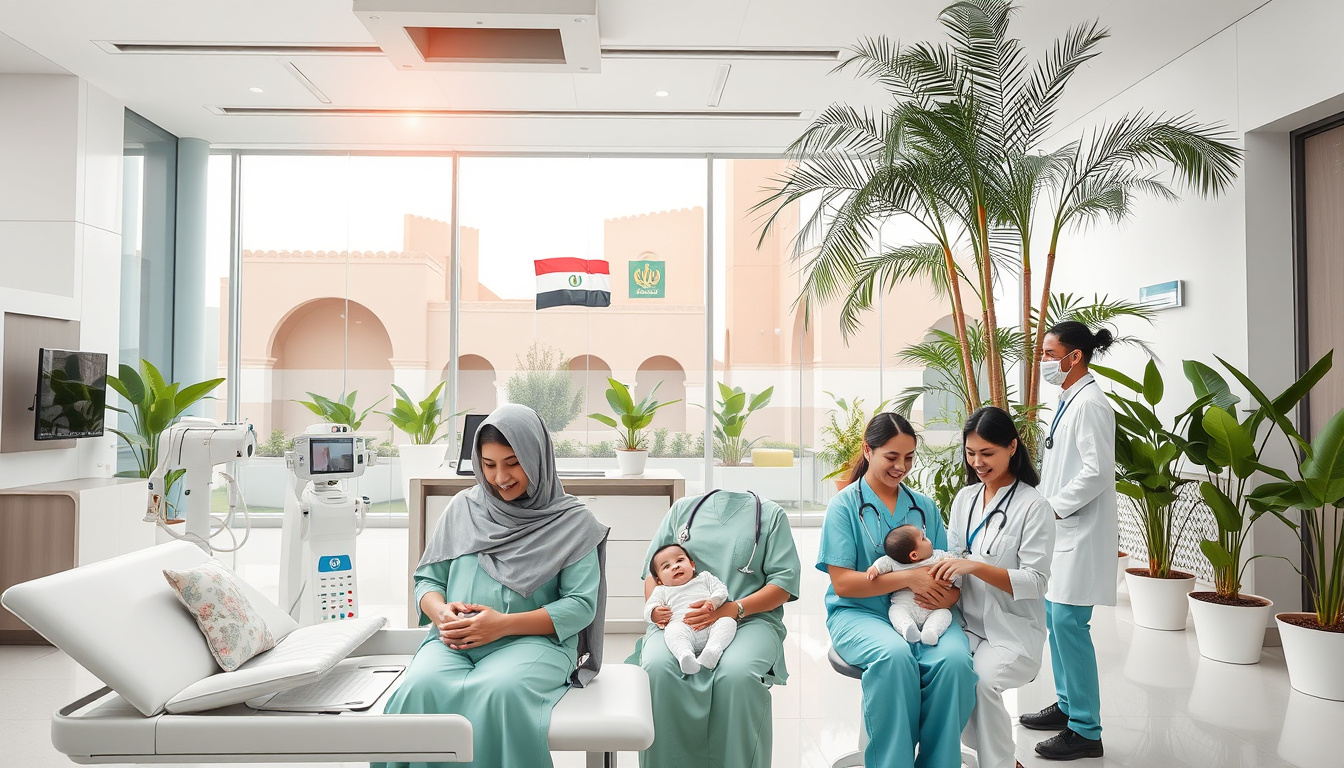
As part of the Newborn Pathway, newborns will undergo a series of essential medical services within their first week, including detailed health examinations, growth assessments, hearing tests, heel-prick screenings for detecting genetic and metabolic disorders, early diagnosis of jaundice, and necessary vaccinations to ensure their healthy development.
Additionally, mothers will benefit from postpartum care, which encompasses not only medical check-ups but also support in breastfeeding and education on recognizing potential health warning signs.
This initiative aligns with Egypt’s broader commitment to enhance national health programs aimed at improving maternal and child health, reflecting the urgent need for efficient healthcare solutions in light of the country’s high birth rate.
Recent statistics reveal that from August 16, 2025, to May 9, 2026, Egypt experienced
1.452 million births, averaging 5,439 births daily, underscoring the significance of timely and effective healthcare interventions for this population.
Importance of Maternal and Infant Health Services
The ‘Newborn Pathway’ initiative represents a significant step forward in addressing the pressing health needs of mothers and newborns across Egypt.
By focusing on the first month of life, a critical period known for high vulnerability, the program not only seeks to ensure that newborns receive thorough health assessments but also emphasizes maternal well-being.
The comprehensive care provided will include vital screenings for conditions like jaundice and metabolic disorders, which are essential for early intervention.
Furthermore, the educational components aimed at mothers will empower them with knowledge about breastfeeding and recognizing health concerns, ultimately leading to healthier family dynamics and community well-being.
This holistic approach promotes a nurturing environment essential for the physical and emotional growth of both mothers and their children, thereby reinforcing the importance of maternal and infant health services as foundational pillars of a robust healthcare system.