
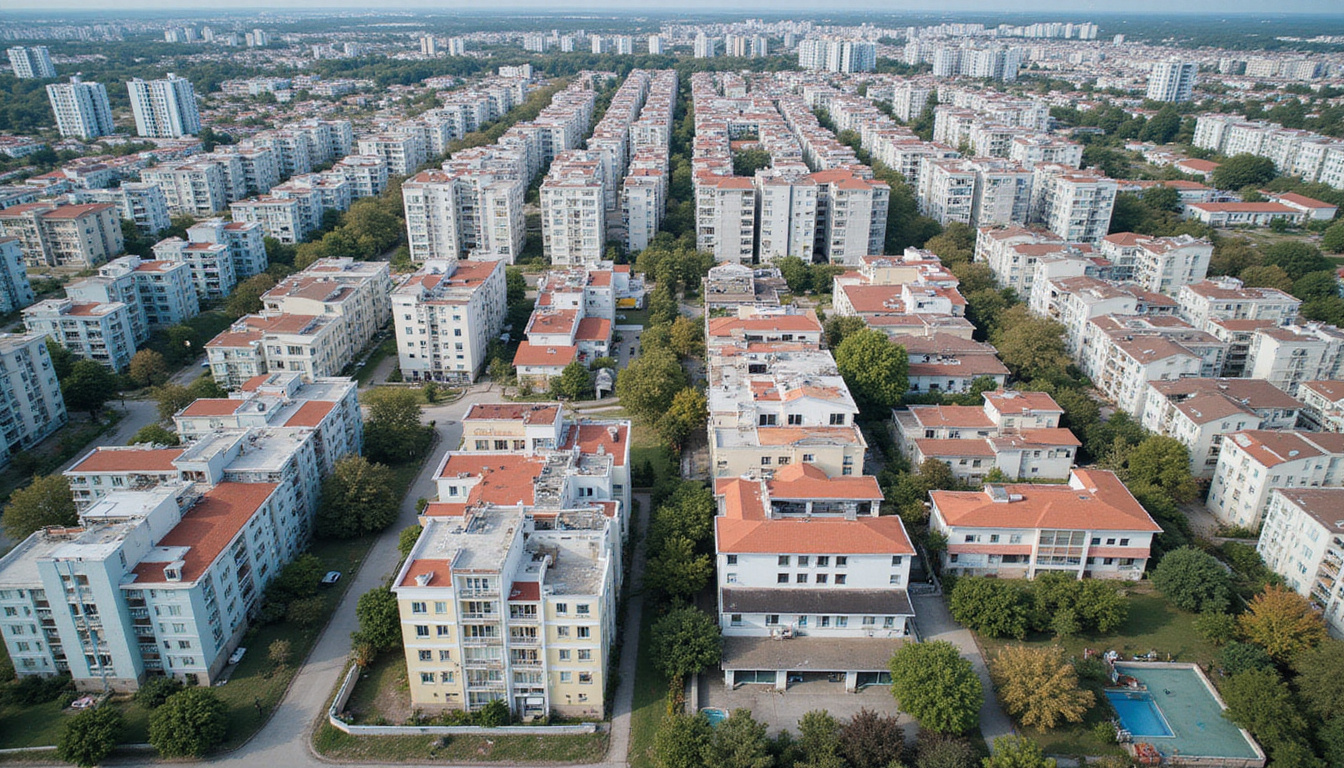
Property Portfolio Strategy: How to Maximize Rental Income and Value
Building and managing a property portfolio is one of the most reliable ways to generate long-term wealth—if you approach it with a clear strategy. Whether you own a single rental in Cairo or a diversified mix of apartments, villas, and commercial units across Egypt, the key to maximizing both rental income and overall asset value lies in smart planning, disciplined execution, and continuous optimization.
This guide breaks down how to structure, grow, and refine your property portfolio so it works harder for you year after year.
What Is a Property Portfolio—and Why It Matters
A property portfolio is simply a collection of real estate assets owned by an individual, family, or company. It can include:
- Residential units (apartments, villas, townhouses)
- Short-term rentals (Airbnb-style units in tourist areas)
- Commercial spaces (shops, clinics, offices)
- Land and development plots
Instead of viewing each property in isolation, you treat them as a single, income-producing ecosystem. That mindset shift is where serious gains come from: you can balance risk, optimize financing, and time your upgrades and exits to support your entire portfolio.
For investors in Egypt, this is especially powerful. Markets like New Cairo, 6th of October, the North Coast, and the New Administrative Capital are evolving quickly, with rental demand and capital growth varying by area and segment.
Step 1: Define Clear Goals for Your Property Portfolio
Your strategy starts with what you want your portfolio to achieve. Without this, even “good” deals can pull you off track.
Ask yourself:
- Are you focused on maximum monthly cash flow, or long-term capital appreciation?
- Do you want low maintenance, or are you open to more management in exchange for higher yields (e.g., short-term rentals)?
- Is your time horizon 5–10 years, or are you building a multi-decade wealth plan for your family?
Once you’re clear:
- Income-focused: Favor areas with strong rental demand, stable tenants (families, professionals), and good net yields, even if capital growth is moderate.
- Growth-focused: Target up-and-coming districts, early phases of reputable developments, and areas benefitting from new infrastructure.
- Balanced: Mix high-yield rentals with a few high-potential growth properties.
Write these objectives down—your property portfolio decisions should map back to them.
Step 2: Choose the Right Mix of Properties
A resilient property portfolio usually blends different asset types so that if one segment slows, others support your returns.
Residential Rentals
Great as a foundation:
- High demand in major cities and university areas
- Relatively predictable occupancy
- Easier to finance and resell
Key Egyptian hotspots:
New Cairo, Sheikh Zayed, Maadi, Heliopolis, Alexandria, and established coastal areas where year-round rentals are feasible.
Short-Term and Holiday Rentals
Best in tourist-heavy locations:
- North Coast (Sahel), Ain Sokhna, Hurghada, Sharm El Sheikh, Gouna
- Central Cairo districts attractive to foreigners and business travelers
Pros: Higher nightly rates and strong peak-season income.
Cons: More management, seasonality, and dependence on platforms and tourism trends.
Commercial and Mixed-Use Units
Shops, clinics, offices, and ground-floor units in busy locations:
- Often longer leases and tenants who invest in fit-out
- Higher rent per sqm, but also higher entry price and vacancy risk
For many investors, a strong property portfolio in Egypt includes:
- 60–70% residential (core stability)
- 10–20% short-term/holiday rentals
- 10–30% commercial (depending on risk appetite)
Step 3: Location Strategy to Maximize Rental Income
“Location, location, location” is more nuanced when you’re managing an entire property portfolio. You’re not just hunting for good spots—you’re seeking the right combination of locations.
Core vs. Growth Locations
- Core locations: Established, high-demand areas with reliable tenants and lower vacancy risk (e.g., central neighborhoods in Cairo or Alexandria).
- Growth locations: Emerging districts where new infrastructure, transport lines, or developments are pushing prices up (e.g., New Capital, new phases in New Cairo or 6th of October).
Combining both can give you:
- Steady baseline income from core areas
- Strong upside from growth areas over 5–10 years
Micro-Location Factors That Impact Rent
Within each city or district, drill down to:
- Proximity to schools, universities, and business districts
- Access to transportation (metro, main roads, bus routes)
- Nearby amenities: malls, hospitals, supermarkets, parks, waterfront
- Security and building standards, especially for expat-focused rentals
A slightly higher purchase price in a prime micro-location can deliver:
- Easier tenant acquisition
- Shorter vacancies
- Tenants willing to accept rent increases
Step 4: Financing and Leverage—Without Overstretching
How you finance your property portfolio heavily influences both cash flow and long-term value.
Smart Use of Leverage
- Moderate leverage amplifies returns when property values and rents rise.
- Over-leverage can turn a temporary vacancy or interest rate change into a serious problem.
Guidelines:
- Keep total debt service (loan payments) comfortably below your total rental income.
- Aim for buffer: even if rents drop by 10–15% or one unit is vacant, you remain cash-flow positive.
- Fix or lock in favorable loan terms where possible to reduce uncertainty.
Recycling Equity
As some properties appreciate:
- Revalue the property.
- Refinance to pull out a portion of the equity.
- Use that equity as down payment on your next purchase.
This “recycling” can help you scale your property portfolio faster without injecting new cash every time—provided the new finance still leaves you with healthy net cash flow.
Step 5: Rental Strategy and Tenant Targeting
Your tenant selection strategy should be intentional, not accidental.
Define Your Ideal Tenants
For each unit, decide:
- Families vs. singles vs. students
- Locals vs. expats vs. tourists
- Long-term vs. short-term stays
Then tailor:
- Interior design and furnishing level
- Marketing channels (local platforms, Facebook groups, Airbnb/Booking)
- Lease terms and pricing
Example:
A two-bedroom flat in New Cairo close to an international school can be optimized for expat families: high-quality furniture, ACs, reliable internet, and possibly a higher rent with inclusive services.
Pricing for Profit and Occupancy
To maximize income across your portfolio:
- Benchmark rents regularly using local platforms and brokers.
- Consider tiered pricing: slightly below market for faster lease-up in slower periods, and premium pricing for top-condition, prime-location units.
- Offer longer lease discounts to strong tenants to reduce turnover costs.
Avoid leaving units empty for months to chase an unrealistic rent; occupancy is a crucial part of overall portfolio performance.
Step 6: Optimize Property Management for Scale
As your property portfolio grows, management becomes the difference between a solid return and a constant headache.
In-House vs. Property Manager
- In-house/self-management: More control, savings on fees, but time-consuming—especially for short-term rentals.
- Professional management: 5–15% of rent depending on services (and more for Airbnb-style management), but can significantly reduce vacancies and problems.
For many investors, a hybrid works best:
- Self-manage stable, nearby, long-term rentals.
- Outsource short-term or distant properties to specialists.
Systems and Processes
To run a portfolio smoothly:
- Standardize lease agreements and check-in/check-out inspections.
- Use simple software or spreadsheets to track:
- Rents received
- Expenses (maintenance, utilities, taxes, management)
- Lease expiry dates and rent review dates
- Build a reliable contractor network: plumbers, electricians, cleaners, handymen.
Better systems can directly increase net income by reducing downtime and preventing small issues from becoming major repairs.

Step 7: Strategic Upgrades to Boost Rent and Value
Not all renovations are equal. In a property portfolio context, you want high-ROI upgrades that:
- Raise rents enough to justify the investment
- Reduce vacancy by making your units more attractive
- Improve the long-term value of the property
High-impact, cost-effective upgrades often include:
- Fresh, neutral paint and modern lighting
- Upgraded kitchens or bathroom fixtures
- Air conditioning and quality water heaters
- Built-in wardrobes and efficient storage
- Reliable internet wiring and smart locks (especially for expat or short-term lets)
Before investing heavily:
- Estimate the total cost.
- Calculate the expected rent increase and how soon it pays back the investment.
- Consider whether it makes the property easier to sell at a premium later.
Step 8: Risk Management Across Your Property Portfolio
Protecting your downside lets you confidently pursue growth.
Diversification
Within your portfolio, avoid having:
- All properties in one building or one micro-area
- Only one tenant type (e.g., all student rentals)
- Only one market segment (e.g., all luxury units)
A mix of cities, neighborhoods, and tenant profiles buffers you against local shocks.
Insurance and Legal Protection
- Insure against fire, major damage, and liability where available.
- Use proper contracts and follow local regulations carefully.
- Keep a cash reserve equivalent to at least 3–6 months of total portfolio expenses for emergencies and vacancies.
According to global real estate investment best practices, properly insured and diversified portfolios historically weather downturns far better than highly concentrated ones (source: OECD real estate and housing markets).
Step 9: Track Performance and Refine Your Strategy
Treat your property portfolio like a business. At least once a year, review:
- Gross and net yield for each property
- Occupancy and vacancy durations
- Rent collection issues or problem tenants
- Maintenance costs and trends
Then make decisions such as:
- Hold: Strong performance, reliable tenants, and good growth outlook.
- Upgrade: Underperforming but well-located units might just need a refresh.
- Refinance: To improve cash flow or recycle equity into better investments.
- Sell and rebalance: Offload weak assets and redirect capital to stronger opportunities or new markets.
Over time, this pruning and upgrading process transforms a random collection of units into a finely tuned, income-generating machine.
Understand the Real Cost of Living for Your Tenants
Understanding what your target tenants face in terms of daily costs helps you set realistic rents and tailor your offer.
For example, this video gives a practical overview of day-to-day costs and lifestyle expectations in Egypt:
[The Real Cost of Living In Egypt 2025](
When you understand your tenants’ budgets and priorities, you can:
- Design units and services they value most.
- Set rent levels that are sustainable for them and profitable for you.
- Decide when to bundle utilities, internet, or cleaning into the rent.
Simple Checklist to Grow a Strong Property Portfolio
Use this quick list as a guide when reviewing or expanding your portfolio:
- Clarify your main goal: income, growth, or a balance of both.
- Map your current mix: residential, short-term, commercial, and locations.
- Stress-test your cash flow: can you handle vacancies or rate changes?
- Benchmark your rents: are you under/over market?
- Identify high-ROI upgrades for 1–3 properties this year.
- Decide what to hold, refinance, or sell based on performance.
- Strengthen management systems and contractor relationships.
- Reinvest surplus cash flow and equity into higher-potential assets.
Repeating this cycle yearly keeps your strategy sharp.
FAQ About Property Portfolios and Rental Strategy
1. How many properties do I need to have a property portfolio?
Technically, owning two or more investment properties can be considered a property portfolio. The key is managing them as a unified strategy—tracking performance, balancing risk, and making decisions based on the overall picture rather than viewing each property in isolation.
2. What is a good return for a rental property portfolio in Egypt?
It varies by city and segment, but many investors target a net yield (after expenses) of around 5–8% for residential and potentially higher for well-located commercial or short-term rentals. The best measure is the combined performance of your entire property investment portfolio, not just one standout unit.
3. Should I focus on paying down debt or expanding my real estate portfolio?
If your interest rates are reasonable and your rentals are comfortably cash-flow positive, using some of your surplus to expand your real estate portfolio can accelerate wealth building. If your debt feels tight or volatile, prioritize paying it down and strengthening your financial base before aggressive expansion.
Turn Your Property Portfolio into a Wealth Engine
A well-designed property portfolio doesn’t happen by accident. It’s the result of clear goals, smart financing, deliberate tenant targeting, disciplined management, and regular performance reviews. The reward is powerful: stable rental income today, growing asset value over time, and a flexible wealth platform for you and your family.
If you’re serious about maximizing rental income and long-term value, now is the time to act:
- Audit your current properties with a hard, numbers-first look.
- Identify 1–2 units to upgrade or refinance.
- Decide where your next strategic purchase should be.
- Put simple systems in place so you operate like a professional investor, not just a landlord.
The sooner you treat your holdings as a true property portfolio, the faster they can start working together to build the financial future you want.