
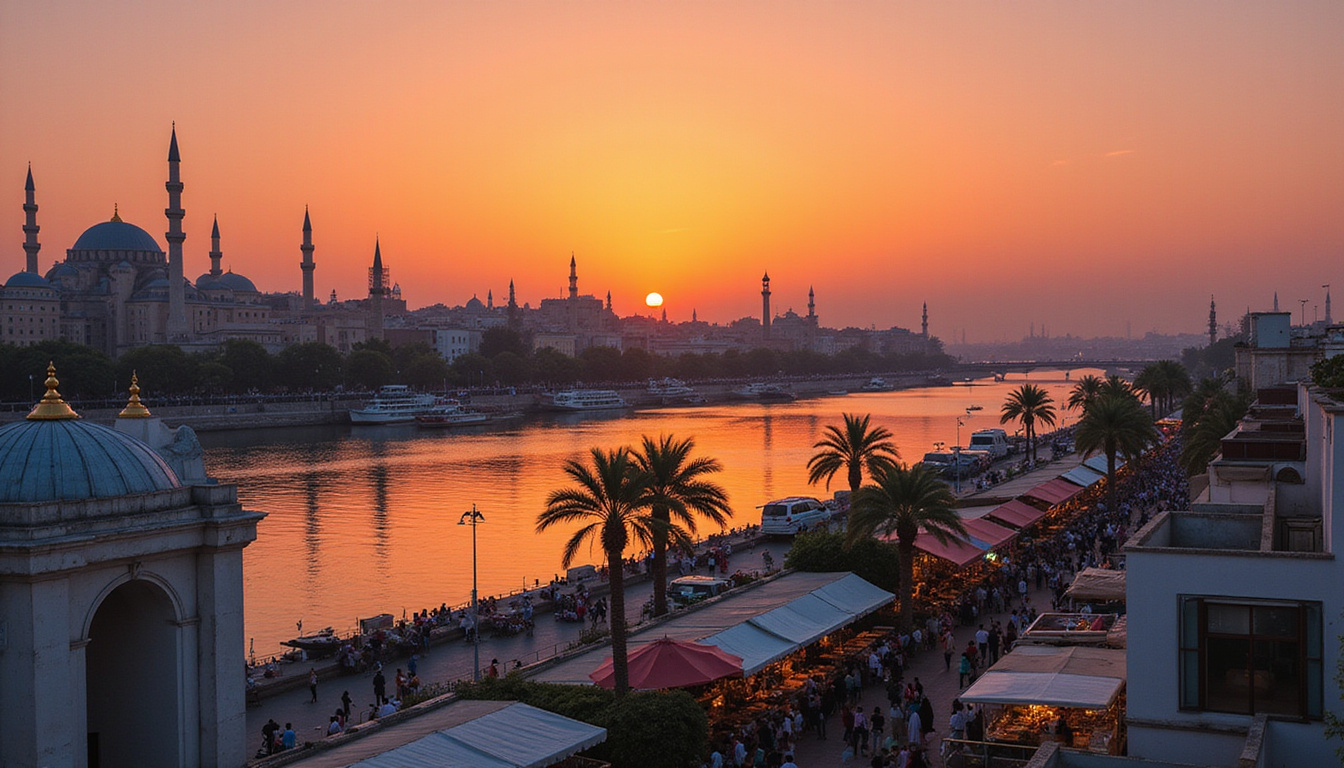
Greater Cairo is Egypt’s powerhouse: a vast metropolis that blends pharaonic history, Islamic heritage, cosmopolitan living, and fast‑evolving property markets. Whether you’re relocating, investing, or just planning a longer stay, choosing the right neighborhood in Greater Cairo will shape how you live, commute, eat, and explore the city.
This guide walks through the key districts of Greater Cairo—from historic Downtown to the new desert cities—highlighting lifestyle, real estate character, food scenes, and what to do in each area.
Understanding Greater Cairo: The Big Picture
“Greater Cairo” usually refers to the contiguous urban region that includes:
- Cairo Governorate (central Cairo and most historic areas)
- Giza Governorate (across the Nile, including many residential and suburban zones)
- Parts of Qalyubia (northern extensions)
Together, this megacity is home to more than 20 million people and is the political, cultural, and economic heart of Egypt (source: World Bank). It’s also where you’ll find the most dynamic real estate options, from classic apartments in leafy neighborhoods to gated compounds in new cities.
Downtown Cairo & Garden City: Heritage, Culture, and Urban Energy
Why live here?
If you love walkable streets, historic architecture, and being in the thick of things, Downtown and Garden City are two of the most atmospheric parts of Greater Cairo.
- Downtown Cairo: Belle Époque buildings, theaters, bookshops, cafés, and proximity to the Nile and Tahrir Square.
- Garden City: Quieter, embassy-heavy district south of Downtown with leafy streets and some of the city’s most elegant old villas and apartments.
Real estate & lifestyle
- Property type: Older apartments with high ceilings, some beautifully restored, others in need of renovation. Limited new-builds.
- Audience: Young professionals, artists, diplomats, NGOs, long-term expats who love urban living.
- Pros:
- Very central; good for those working in core Cairo.
- Rich culture: cinemas, galleries, music venues, and independent cafés.
- Historic charm that newer districts can’t match.
- Cons:
- Older infrastructure and frequent traffic congestion.
- Parking is difficult; noise levels can be high in some streets.
Eat & explore
- Classic local cafés serving Egyptian breakfast and shisha.
- Trendy coffee shops and bistros in renovated heritage buildings.
- Walk to the Egyptian Museum (and its successors), the Nile Corniche, and numerous galleries.
- Evening strolls around Talaat Harb and stretches of Qasr El Nil Street.
Zamalek: Island Living in the Heart of Greater Cairo
Why live here?
Zamalek sits on Gezira Island in the middle of the Nile—arguably the most desirable urban address in Greater Cairo for those who want centrality, greenery, and a cosmopolitan vibe.
Real estate & lifestyle
- Property type: Mid-20th century apartment blocks, some luxury high-rises, and rare villas. Many units have Nile views.
- Audience: Expats, diplomats, affluent Egyptians, professionals in media, culture, and NGOs.
- Pros:
- Walkable, with tree-lined streets and neighborhood feel.
- Excellent security and services.
- High concentration of restaurants, bars, and boutique shops.
- Cons:
- Rents and sale prices are among the highest per square meter in Greater Cairo.
- Traffic on and off the island can bottleneck at peak hours.
- Limited availability of parking and large family-sized units.
Eat & explore
Zamalek is a culinary hotspot:
- International restaurants (Lebanese, Japanese, Italian, Indian, and more).
- High-end patisseries, wine bars, and rooftop lounges.
- Cairo Opera House, Cairo Tower, and several art galleries.
- Ideal for Nile-side walks and riverboat restaurants.
Maadi: Leafy Suburbia with an International Community
Why live here?
Maadi, in southeastern Greater Cairo, offers a greener, calmer environment while remaining well-connected to central districts. It’s a long-time favorite of expat families and NGOs.
Real estate & lifestyle
- Property type: Mix of low- to mid-rise apartment buildings, villas, and semi-detached houses. Older sections feel like a garden suburb.
- Key zones:
- Maadi Degla: Quiet, residential, leafy; popular with families.
- Old Maadi: Historic villas, embassies, and large gardens.
- Saraya & Zahraa El Maadi: More modern, mixed-use areas with growing commercial strips.
- Pros:
- Community-oriented, with international schools and clubs.
- Walkable pockets with tree-shaded streets.
- Good balance between city access and tranquility.
- Cons:
- Commute to western or northern Greater Cairo can be long.
- Older buildings can vary widely in quality.
- Some rising congestion on main commercial streets.
Eat & explore
Maadi has an eclectic food scene:
- Family-friendly restaurants and cafés, including many vegan and health-conscious options.
- Local bakeries, international supermarkets, and specialty food stores.
- Popular for running and cycling; you’ll see expats and locals exercising in Degla’s quieter streets.
For a feel of everyday life in the city, check out:
Things I Wish I Knew Before Moving to Egypt – My Honest Experience
New Cairo & Fifth Settlement: Master-Planned Modern Living
Why live here?
On the eastern edge of Greater Cairo, New Cairo—particularly the Fifth Settlement (Tagamoa El Khames)—has become a magnet for middle- and upper-middle-class families, investors, and returning Egyptians seeking modern homes and gated communities.
Real estate & lifestyle
- Property type:
- Gated compounds with villas and townhouses.
- Mid-rise apartment complexes.
- Mixed-use developments with malls, offices, and residential units.
- Audience: Families, professionals, students at nearby universities (AUC, GUC), and investors looking for capital appreciation.
- Pros:
- Newer infrastructure, wider streets, and better urban planning.
- A/C-friendly modern construction; many units in compounds include amenities (pools, gyms, security).
- Close to major international schools and universities.
- Cons:
- Car-dependent; walking is difficult outside compounds.
- Distances to central Cairo can be long, especially in rush hour.
- Some areas still under development, so construction can be ongoing.
Eat & explore
- High-end malls like Cairo Festival City, Point 90, and Downtown Katameya with cinemas, restaurants, and international brands.
- A booming café culture, especially in the Fifth Settlement.
- Sports clubs and compound clubhouses as key social hubs.
For property buyers focused on Greater Cairo, New Cairo is one of the top areas for off-plan and resale investment—especially in compounds aligned with new Cairo Ring Road and Suez Road developments.
6th of October City & Sheikh Zayed: Western Expansion and Gated Compounds
Why live here?
On the western side of Greater Cairo, 6th of October City and Sheikh Zayed offer spacious housing, cleaner air, and newer infrastructure. They’re well-suited for families and professionals working in Giza, the Smart Village, and emerging west-of-Cairo business zones.
Real estate & lifestyle
- Property type:
- Large gated compounds with villas and townhouses.
- Apartment complexes in mixed-use projects.
- More affordable apartments in non-compound neighborhoods.
- Audience: Families seeking space and quiet; professionals in technology, media, and education; investors eyeing west Cairo’s growth.
- Pros:
- More land = lower density and larger homes versus central areas.
- Newer road networks connecting to the Ring Road and Cairo-Alex Desert Road.
- Many “all-in-one” projects with retail, education, and healthcare nearby.
- Cons:
- Longer commute to central Cairo’s traditional business districts.
- Reliant on cars, ride-hailing, or private buses.
- Some districts still feel semi-rural or underdeveloped.
Eat & explore
- Malls like Mall of Arabia, Mall of Egypt (with Ski Egypt), and Arkan Plaza in Sheikh Zayed.
- Wide choice of restaurants—from Egyptian grills and shawarma spots to international franchises and upscale dining.
- Proximity to the Giza Plateau and the new Grand Egyptian Museum adds cultural and tourism appeal.
Nasr City & Heliopolis: Established Urban Hubs with Strong Amenities
Why live here?
East of central Cairo but closer in than New Cairo, Heliopolis and Nasr City are long-established urban districts in Greater Cairo, offering dense infrastructure, established communities, and relatively convenient access to many parts of the city.
Real estate & lifestyle
- Heliopolis:
- Mix of 20th-century European-style buildings and modern apartment blocks.
- Historic tram lines (some decommissioned), wide avenues, and classic cafes.
- Nasr City:
- More modern, grid-like layout with high-density residential buildings.
- Major commercial areas and government institutions.
Pros:
- Excellent access to public transport and main roads.
- Wide range of property prices and sizes; more budget-friendly than Zamalek or New Cairo’s luxury compounds.
- Close to Cairo International Airport and key commercial zones.
Cons:
- Traffic congestion is common.
- Building quality varies; some older structures need renovation.
- Limited green spaces compared to Maadi or Zamalek.
Eat & explore
- Traditional Egyptian restaurants, pastry shops, and ice cream institutions in Heliopolis.
- Bustling shopping streets and mid-range malls in Nasr City.
- Easy trips to City Stars and City Centre Almaza for dining and shopping.
Old Giza, Dokki & Mohandessin: Central West Bank Convenience
Why live here?
Across the Nile from central Cairo, Giza, Dokki, and Mohandessin form a busy, central west-bank cluster with good access to both Cairo and Giza sides of Greater Cairo.
Real estate & lifestyle
- Property type: Mostly mid-rise apartment blocks, some older villas converted to offices or embassies.
- Audience: Middle-class families, students, professionals who value centrality over “new city” amenities.
- Pros:
- Very central; convenient for universities, government entities, and many corporate offices.
- Broad price range, with both affordable and mid-high options.
- Good access to metro and main traffic arteries.
- Cons:
- Dense and congested; limited parking and greenery.
- Fewer gated communities; less of a “suburban” feel.
Eat & explore
- Street food (koshary, ful and ta’ameya, shawarma) alongside family restaurants and cafes.
- Close to the Nile Corniche and Giza Pyramids area.
- Easy access to downtown cultural institutions via bridges.
Emerging Frontier: New Administrative Capital and Beyond
While not traditionally counted in old definitions of Greater Cairo, the New Administrative Capital (NAC) east of New Cairo is rapidly changing the region’s urban map. Many developers market NAC projects to Cairo residents as part of a broader “Greater Cairo” property ecosystem.
Why consider it?
- Government ministries and many state institutions are relocating there.
- Significant high-rise and master-planned projects with modern infrastructure.
- Early investors aim for long-term capital appreciation as the city matures.
For now, NAC is best for buyers and renters who prioritize future potential over immediate convenience and who are comfortable with developing surroundings.
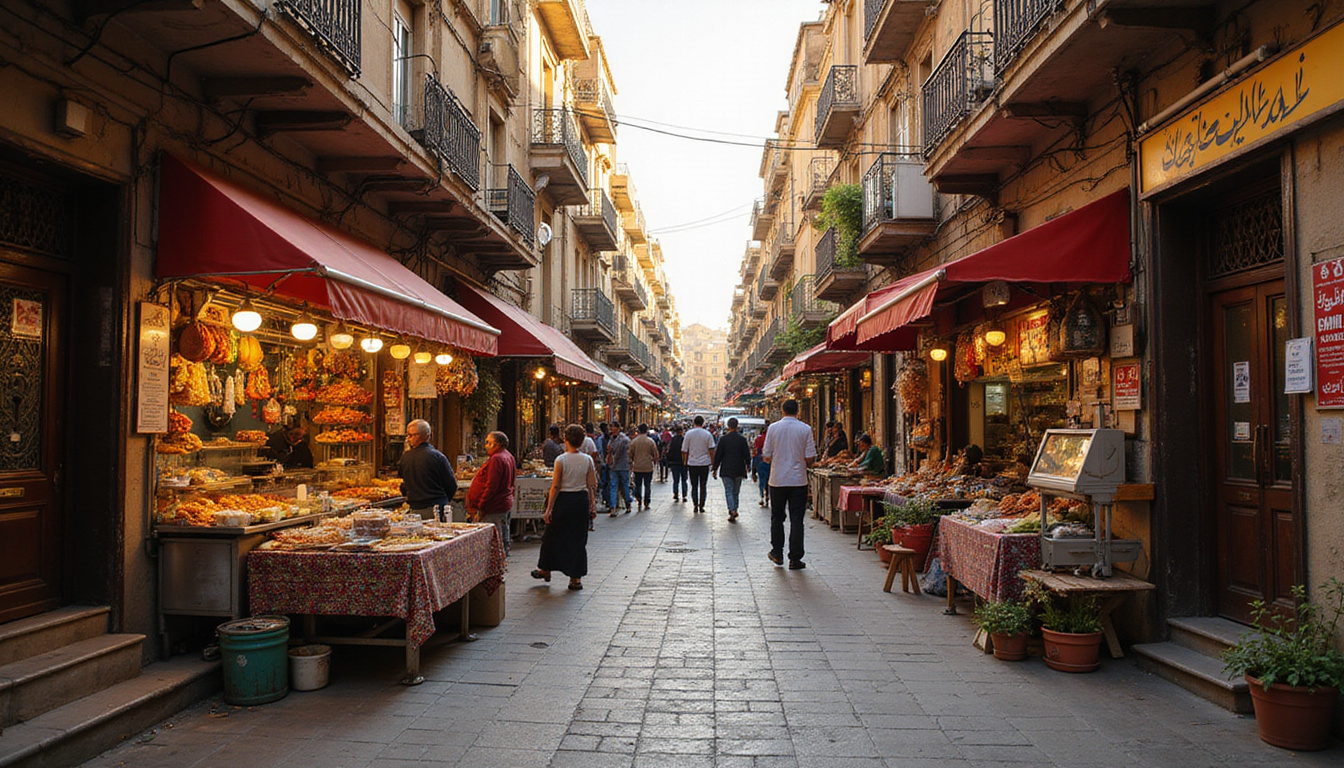
Quick Comparison: Choosing Your Greater Cairo Neighborhood
When evaluating where to live in Greater Cairo, consider:
- Commute & Connectivity
- Budget & Property Type (apartment vs. villa, compound vs. open city)
- Lifestyle Priorities (walkability, nightlife, schools, green space)
- Noise & Air Quality Tolerance
- Long-Term Plans (resale value, rental yield, family needs)
A simplified guide:
- For a classic urban vibe: Downtown, Garden City, Heliopolis.
- For expat-friendly, walkable, and central: Zamalek, Maadi.
- For modern compounds and schools: New Cairo, Fifth Settlement.
- For space, villas, and west-side growth: 6th of October City, Sheikh Zayed.
- For maximum centrality at a range of budgets: Dokki, Mohandessin, Nasr City.
FAQ: Living and Investing in Greater Cairo
Q1: Is Greater Cairo a good place for property investment?
Yes. Greater Cairo has the strongest real estate demand in Egypt, driven by population growth, internal migration, and government-backed expansion. New Cairo, 6th of October, Sheikh Zayed, and the New Administrative Capital are especially active for off-plan investments, while Zamalek, Maadi, and Heliopolis retain steady demand for quality resale units.
Q2: Which area in Greater Cairo is best for expats and foreigners?
Zamalek and Maadi are the most popular for expats due to their international communities, walkable pockets, and access to international schools and services. New Cairo is increasingly attractive for those working in business parks and preferring compounds with facilities. Ultimately, the best Greater Cairo neighborhood depends on where you work, your budget, and your lifestyle needs.
Q3: How does the cost of living vary across Greater Cairo neighborhoods?
Central, sought-after areas like Zamalek and Garden City have higher rents and dining costs, while parts of Nasr City, Heliopolis, and Giza offer more affordable everyday living. New Cairo and west-side compounds may carry higher housing costs but can provide better infrastructure and amenities. Watching updated videos on the cost of living in Egypt and comparing neighborhoods on the ground is crucial before committing to long leases or purchases.
Ready to Find Your Place in Greater Cairo?
Greater Cairo is not one city—it’s a collection of distinct urban worlds. From the island cafés of Zamalek to the family compounds of New Cairo and the leafy lanes of Maadi, every district offers a different balance of history, comfort, price, and possibility.
If you’re considering renting, buying, or investing, the next step is to narrow your priorities—commute, budget, lifestyle—and then visit a short list of neighborhoods in person. Work with a reputable local agent who knows Greater Cairo’s micro-markets, ask about infrastructure plans and upcoming projects, and compare both compound and open-city options before deciding.
Start exploring now, and you’ll quickly discover that there’s a corner of Greater Cairo that feels like home—whether you’re here for a few years or building a long-term future in Egypt’s ever-evolving capital region.