
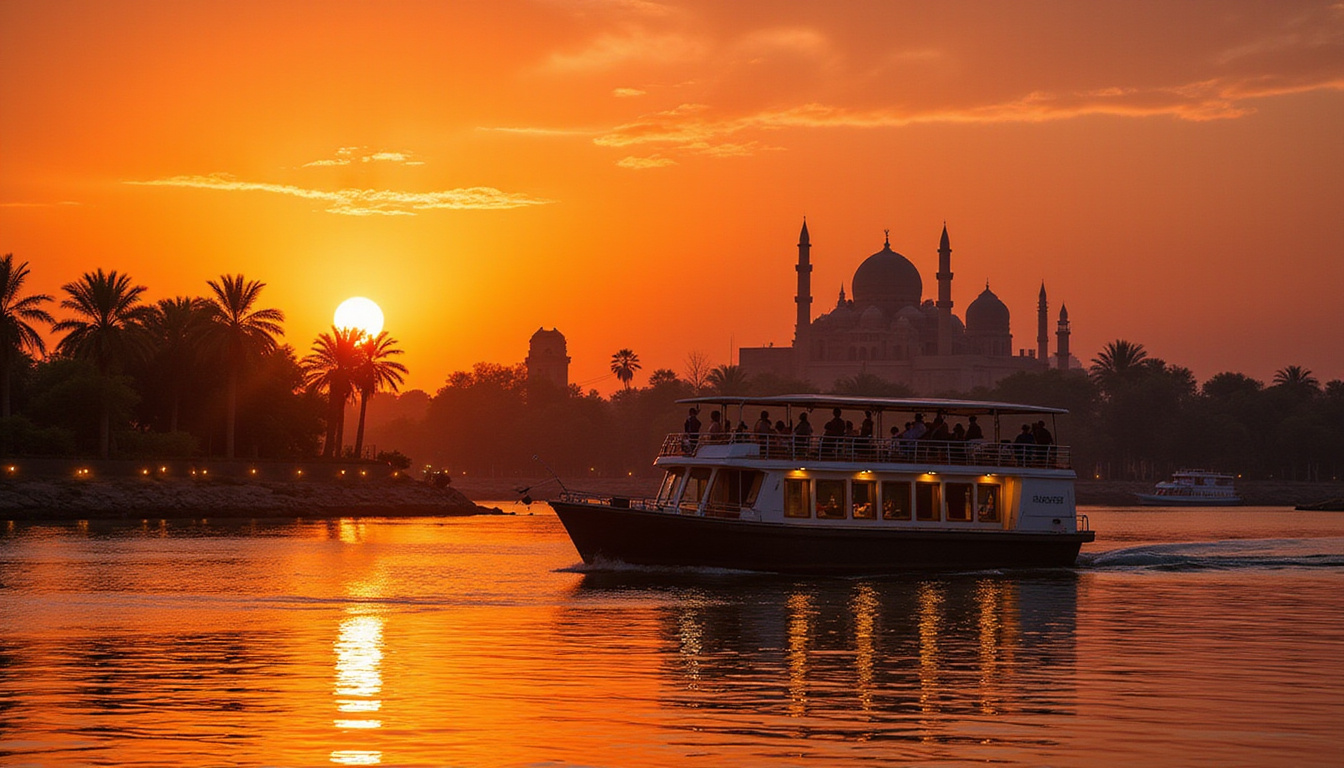
Nile houseboats offer one of the most atmospheric and luxurious ways to experience Egypt—far from crowded tour buses and standard hotels. Whether you’re dreaming of sunset views over Cairo’s skyline, drifting past ancient temples, or waking up to birdsong on the river, Nile houseboats can turn a regular holiday into an unforgettable river adventure.
Below you’ll find insider tips on choosing, booking, and enjoying Nile houseboats like a pro, plus practical guidance on safety, seasons, and local etiquette.
Why Choose Nile Houseboats Over Standard Cruises?
Before you book a traditional Nile cruise, it’s worth understanding how Nile houseboats differ—and why so many repeat visitors prefer them.
What sets houseboats apart:
- Privacy and space: Instead of hundreds of passengers, you may share the river with only a handful of guests or have a houseboat entirely to yourself.
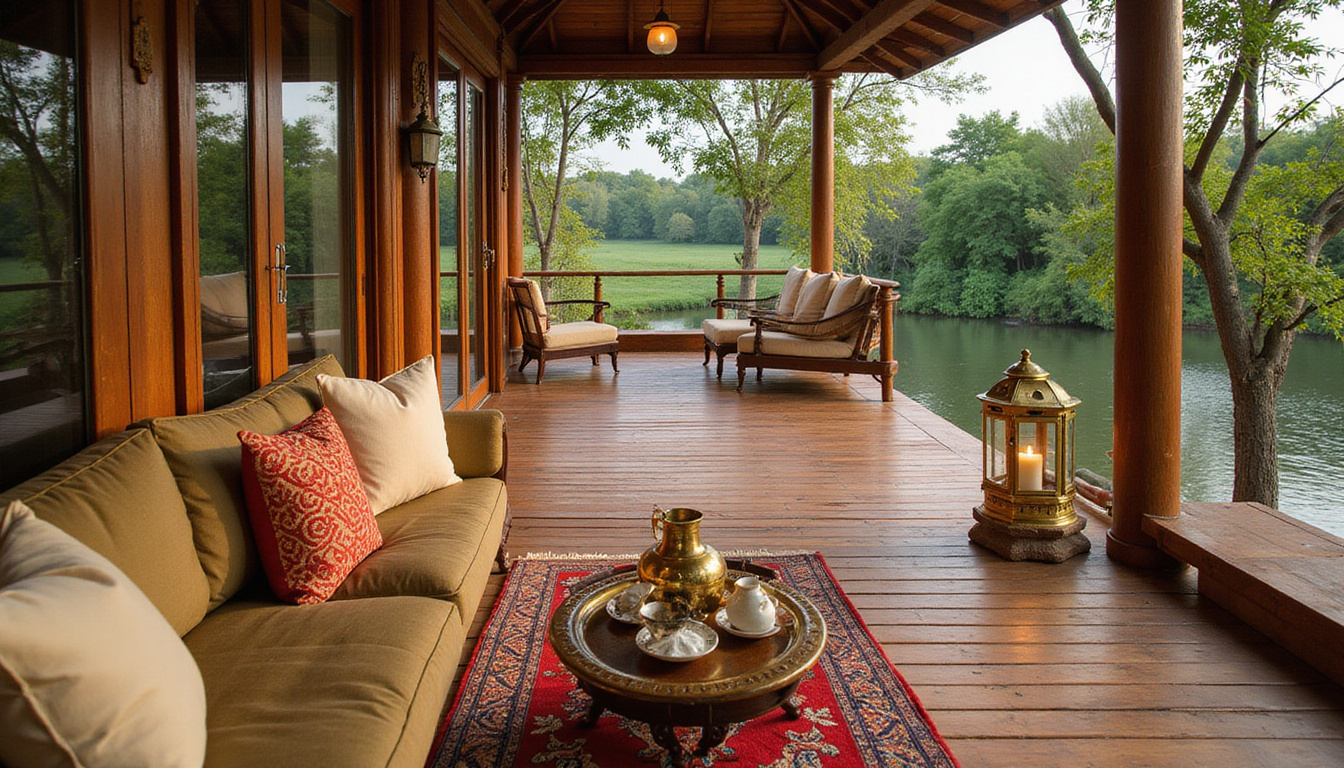
- Character and charm: Many Nile houseboats (especially in Cairo) are historic or boutique-style, with wooden decks, plants, and eclectic interiors instead of uniform cruise décor.
- Flexible itineraries: Smaller vessels can adjust routes and stops more easily than big cruise ships, allowing for customized experiences.
- Immersive river life: You’re closer to the water, local fishermen, and daily life along the banks, giving you a more authentic sense of the Nile.
If you’re looking for a “floating villa” feel—morning coffee on your private deck, evenings under the stars, and a pace that’s entirely your own—Nile houseboats are often the better choice.
Types of Nile Houseboats: Cairo vs. Upper Egypt
Not all Nile houseboats are the same. The experience changes significantly depending on where you sail.
1. Cairo Houseboats (Aarousa El Nil / Akrab)
Cairo’s riverfront is lined with moored Nile houseboats, some used as full-time residences, others as boutique rentals.
What to expect:
- Fixed location: Many Cairo houseboats are permanently moored. They don’t cruise but offer a luxurious riverfront living experience in neighborhoods like Zamalek or Manial.
- Urban views: You’ll see a mix of skyscrapers, bridges, and city lights at night—ideal if you like the energy of a big city with river serenity.
- Great for longer stays: These are perfect if you’re working remotely, studying Arabic, or exploring Cairo in depth and want a memorable base.
- Varying noise levels: Some spots are tranquil; others are near bridges or nightlife. Ask in advance about noise at night.
2. Cruising Houseboats in Luxor & Aswan
In Upper Egypt, you’ll find more traditional Nile houseboats and dahabiyas (elegant, smaller sail-powered vessels) that actually move along the river.
Expect:
- Scenic routes: Think palm groves, desert cliffs, and small villages instead of city skylines.
- Temple access: Easily visit Karnak, Luxor Temple, Edfu, Kom Ombo, and Philae.
- Slower travel: Dahabiyas and houseboats typically move at a gentler pace than big Nile cruise ships, making the journey more relaxing and intimate.
- Fewer crowds: Smaller vessels = fewer passengers, more personal service.
Choosing the Right Nile Houseboat for Your Trip
To match the perfect Nile houseboat to your travel style, focus on a few key factors.
Define Your Priorities
Ask yourself:
- Do I want city energy (Cairo) or historical, laid-back vibes (Luxor/Aswan)?
- Is my priority luxury and comfort, authentic charm, or budget-friendly?
- Do I prefer a moored floating home or a multi-day cruise that travels between cities?
Key Features to Compare
When browsing Nile houseboats, pay attention to:
Boat size and capacity
- Small (4–8 cabins): Intimate, great for families or groups.
- Medium (8–12 cabins): Balance of privacy and social atmosphere.
Cabin types and views
- Private balconies or shared deck access.
- Ensuite bathrooms vs. shared facilities (the former is strongly recommended for comfort and hygiene).
Amenities
- Air conditioning (essential in summer).
- Onboard Wi-Fi (expect it to be slower than on land).
- Sun deck with loungers, shaded areas, and possibly a small plunge pool or jacuzzi.
Crew and service level
- Dedicated chef and daily housekeeping signal a more luxurious experience.
- English-speaking (or your language) guide/host makes logistics easier.
Safety standards
- Life jackets and safety briefings.
- Clear info about insurance and boat licensing.
When to Go: Best Seasons for a Nile Houseboat Experience
The time of year heavily shapes your comfort level on Nile houseboats.
Ideal Months
- October to April: Generally the best period. Days are warm, evenings are cool, and sightseeing is comfortable.
- December to February: Peak season—pleasant weather but higher prices and more demand. Book houseboats well in advance.
Months to Approach Carefully
- May, September: Shoulder seasons—hot but manageable with A/C and midday rest.
- June to August: Can be extremely hot, particularly in Luxor and Aswan, often well over 40°C (104°F). If you visit then, prioritize boats with strong air conditioning and shaded decks, and plan activities early morning and late afternoon.
For updated climate data and travel advice, checking an official source like the UK government’s Egypt travel advice page is useful (source: GOV.UK Foreign Travel Advice – Egypt).
What a Typical Day on a Nile Houseboat Feels Like
While every operator is different, Nile houseboats often follow a similar rhythm, especially in Upper Egypt.
Morning
- Sunrise over palm-fringed banks.
- Light breakfast on deck—tea/coffee, fresh bread, cheese, fruit.
- Early excursion to avoid the midday heat: temples, villages, or local markets.
Midday
- Return for lunch onboard, often homemade Egyptian dishes like molokhia, grilled meats, mezze, and fresh salads.
- Free time to rest, read, or nap in your cabin.
- Some trips add optional felucca (traditional sailboat) rides or camel rides.
Afternoon & Evening
- Short sail to the next stop, watching local life: fishermen, kids swimming, farmers watering fields.
- Golden hour on the sun deck, then dinner.
- Quiet evenings with stargazing, board games, or chatting with other guests and crew.
In Cairo’s moored Nile houseboats, your “daily itinerary” revolves more around city exploration by day and calm river views by night.
Essential Packing List for Nile Houseboats
Pack light but smart—space can be limited, and comfort is key.
Consider bringing:
- Light, breathable clothing: Linen or cotton, with layers for cool evenings.
- Sun protection: Wide-brim hat, sunglasses, high-SPF sunscreen, and a thin long-sleeve for extra coverage.
- Comfortable walking shoes: For temple visits and village walks.
- Scarf or shawl: Useful for sun, wind, and modest dress in religious sites.
- Swimsuit: If your boat (or nearby hotels) has a pool or designated swimming area.
- Motion sickness remedies: If you’re sensitive, even gentle river movement can affect you.
- Power adapter: Egypt uses Type C and Type F plugs (220V).
- Small daypack: For camera, water, and essentials on excursions.
Safety, Health, and Comfort on Nile Houseboats
Nile houseboats are generally safe, but it’s worth being deliberate about a few basics.
River Safety and Boat Standards
- Check that your operator is licensed and insured, especially for cruising houseboats.
- Confirm the presence of life jackets, fire extinguishers, and first-aid kits.
- Pay attention to safety briefings, even if the river appears calm.
Water and Food
- Tap water: Avoid drinking it. Stick to sealed bottled water on board and off.
- Onboard meals: Good operators maintain high hygiene standards. If you have a sensitive stomach, start with cooked dishes and gradually try salads and raw items as you feel comfortable.
- Dietary needs: Notify the operator in advance about vegetarian, vegan, gluten-free, or allergy requirements.
Health Tips
- Use mosquito repellent at dawn and dusk, especially near river vegetation.
- Wear sunscreen even on cloudy days; the reflection off the water amplifies UV exposure.
- Have basic meds: painkillers, anti-diarrheal tablets, antihistamines, and any personal prescriptions.
Cultural Etiquette and Responsible River Travel
Nile houseboats bring you very close to local communities. A few respectful habits go a long way.
Dress and Interaction
- Modest dress is appreciated in villages and religious sites: shoulders and knees covered is a good rule of thumb for all genders.
- Ask permission before photographing people, particularly women and children.
- Learn a few Arabic phrases; even “shukran” (thank you) and “sabah el kheir” (good morning) are warmly received.
Supporting Local Communities
- Buy crafts directly from artisans when possible—handwoven textiles, baskets, perfumes, and spices are popular in Luxor and Aswan.
- Tip fairly. Wages can be modest; small tips to boat crew and local guides make a meaningful difference.
- Avoid plastic waste where you can; refill a reusable bottle from large filtered dispensers if your operator offers them.
Budgeting for Nile Houseboats: What Affects the Price?
The cost of Nile houseboats spans a wide range, depending on style and inclusions.
Main Price Drivers
Location
- Cairo moored houseboats range from simple to ultra-luxury.
- Luxor/Aswan houseboats with temple tours and full-board will generally be more than a static stay but often include more services.
Season
- High season (Dec–Feb) = highest prices.
- Shoulder seasons can offer better value while still being pleasant.
Inclusions
- All-inclusive: Accommodation, meals, soft drinks, and guided excursions.
- Half-board or bed & breakfast: Cheaper upfront but you’ll pay on the go for excursions and some meals.
- Some trips bundle in airport transfers and entry fees; others don’t.
Level of luxury
- High-end Nile houseboats feature designer interiors, premium bedding, and gourmet cuisine.
- Mid-range options can still feel very special with simple but comfortable finishes.
For a deeper sense of costs and lifestyle considerations, you might find it helpful to watch firsthand accounts like “The Real Cost of Living In Egypt 2025” on YouTube:
How to Book Nile Houseboats Wisely
To avoid disappointment and ensure your luxury river adventure goes smoothly, keep these booking strategies in mind.
Research and Reviews
- Use multiple platforms (rental sites, boutique cruise operators, and independent reviews) to cross-check feedback.
- Pay attention to recent reviews—boats can change ownership or management.
- Look for mentions of cleanliness, food quality, crew friendliness, and honesty about noise or movement.
Ask Specific Questions Before Paying
Message the host/operator and ask:
- Is the houseboat moored or cruising? If cruising, what is the exact route and duration?
- What is included in the price—meals, drinks, tours, transfers, entry tickets?
- Is there 24/7 air conditioning, and how reliable is the electricity?
- What is the cancellation policy and payment method?
- Are there any extra fees (service charges, docking fees, tips)?
Booking Direct vs. via Platforms
- Platforms give you built-in review systems and some payment protection.
- Direct bookings with reputable operators can be cheaper and more flexible but require you to research the company’s credibility.
FAQ: Nile Houseboat Holidays and Experiences
1. Are Nile houseboat holidays suitable for families with children?
Yes, many Nile houseboat holidays work well for families, especially private or small-vessel charters where you can control the schedule. Check that safety features (railings, life jackets in children’s sizes) are in place, and consider shorter itineraries so kids don’t get restless.
2. How do Nile houseboat rentals in Cairo differ from Upper Egypt cruises?
Nile houseboat rentals in Cairo are often stationary, functioning like unique riverfront apartments with access to city life. In contrast, Upper Egypt cruises typically move between Luxor, Esna, Edfu, Kom Ombo, and Aswan, focusing on temples, landscapes, and a quieter environment.
3. Is a Nile houseboat cruise better than a large Nile cruise ship?
It depends on your priorities. A large cruise ship offers more facilities (pools, bigger buffets, sometimes onboard entertainment), while a Nile houseboat cruise offers more intimacy, flexibility, and character. Travelers seeking a personal, boutique feel tend to prefer houseboats or dahabiyas over standard large ships.
Turn Your Nile Houseboat Dream into Reality
If the idea of waking up to the soft ripple of the Nile, sipping sunset drinks on your private deck, and drifting between ancient temples in comfort appeals to you, now is the time to plan your trip. With the right Nile houseboat, you gain more than accommodation—you gain a front-row seat to Egypt’s timeless river life and history.
Start by choosing your region (Cairo’s vibrant skyline or Upper Egypt’s tranquil temples), clarify your budget and comfort level, and reach out to a few carefully selected operators with the questions above. Once you’ve secured your dates, you can focus on the fun part: imagining that first evening on deck as the call to prayer echoes across the water and the Nile carries you into one of the most memorable adventures of your life.