
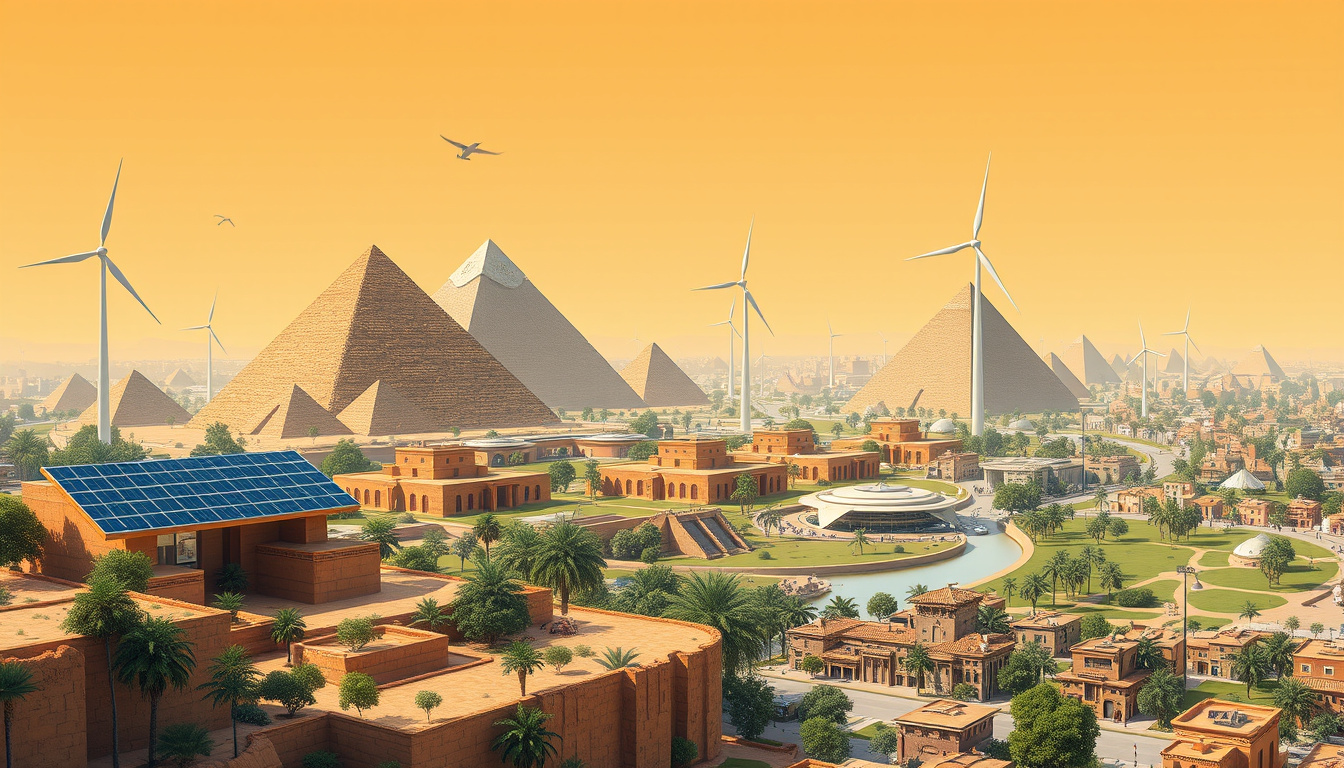
In a pivotal move to enhance sustainable development in Egypt, President Abdel Fattah El-Sisi has signed Law No.
147 of 2026, which fundamentally reorganizes the Future of Egypt Authority for Sustainable Development.
This new legislation shifts the authority’s oversight from the Ministry of Defense directly to the Presidency, a significant transition that bestows greater administrative, financial, and technical independence.
As Egypt navigates its development landscape, this restructuring is not merely bureaucratic; it is a strategic initiative designed to bolster key areas such as food security, investment projects, and overall sustainable development.
In this article, we’ll explore the key features of Law No.
147, its implications for Egypt’s future, and the ambitious roadmap set by the Future of Egypt Authority.
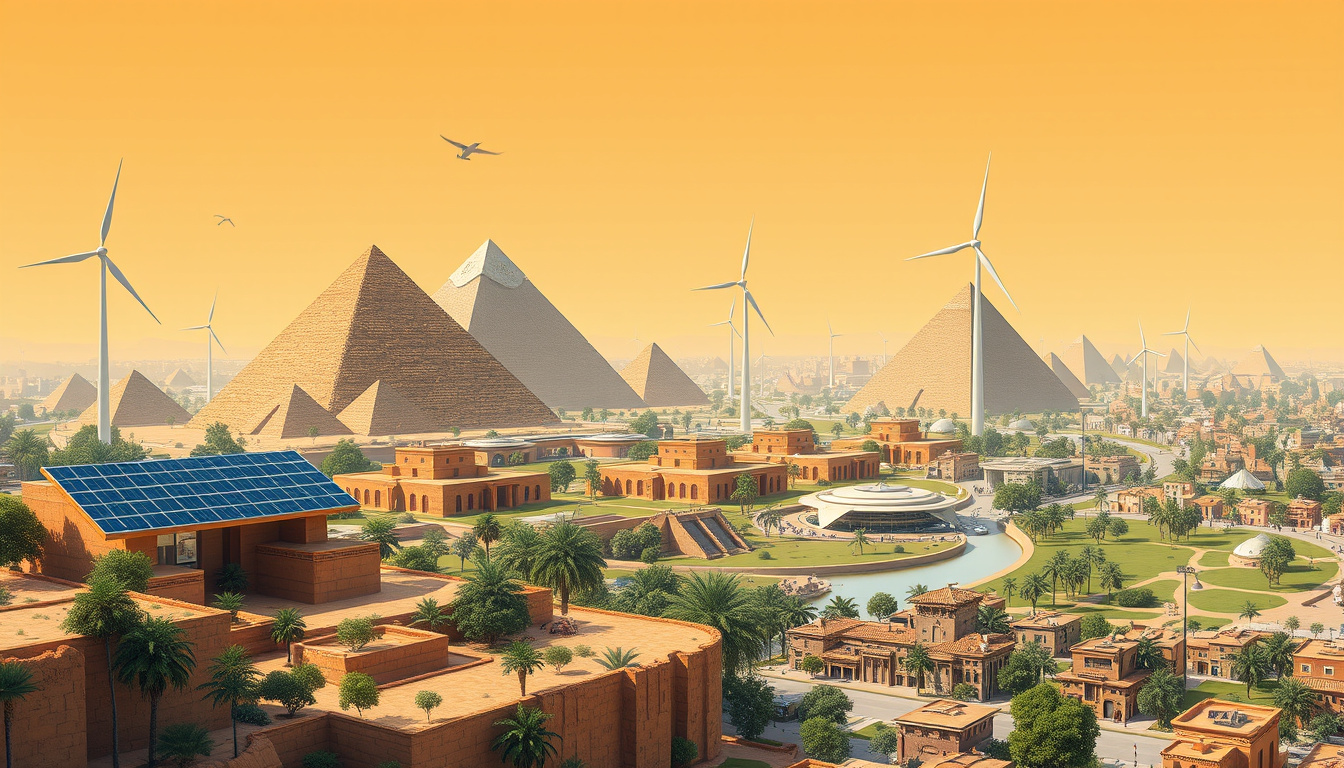
Key Takeaways
- Law No. 147 of 2026 enhances the Future of Egypt Authority’s independence and capacity for sustainable development.
- The restructuring of the authority supports Egypt’s Vision 2030 by improving project management and attracting investment.
- Key provisions include a grace period for social insurance liabilities and the transfer of vehicle ownership to stimulate industrial growth.
Overview of Law No. 147 of 2026 and its Implications
Law No.
147 of 2026, ratified by President Abdel Fattah El-Sisi, marks a significant reorganization of the Future of Egypt Authority for Sustainable Development, transitioning its oversight from the Ministry of Defense directly to the Presidential office.
This legislative change empowers the authority with greater administrative, financial, and technical independence, enhancing its capacity to spearhead initiatives in development, food security, and investment projects crucial to Egypt’s sustainable growth.
A vital aspect of this law is the implementation of a one-year adjustment period for the authority to align with its new legal framework, thereby enabling it to establish sustainable development zones and maintain ongoing projects and agreements throughout the transition.
Additionally, the law facilitates the ownership transfer of vehicles and provides temporary licenses for selected industrial facilities, including a four-year grace period for settling social insurance liabilities.
This restructuring is strategically designed to bolster the management of development projects, fostering an environment conducive to attracting both domestic and international investments, and is closely aligned with Egypt’s Vision 2030 objectives.
The Future of Egypt Authority originated from an agricultural initiative launched in 2022 by El-Sisi, targeting vital sectors such as food security, renewable energy, and collaborative investment partnerships, underscoring its central role in the nation’s economic transformation.
Strategic Goals and Future Directions for the Future of Egypt Authority
The Future of Egypt Authority for Sustainable Development is set to evolve significantly under the recent restructuring, aimed at facilitating a more robust management structure for key development initiatives.
This transformation comes as part of a broader vision to harness Egypt’s resources for sustainable growth, particularly in critical sectors like food security and renewable energy.
With its newfound autonomy, the authority is poised to introduce innovative solutions to enhance agricultural productivity, develop sustainable urban regions, and attract investment tailored to meet the evolving needs of the economy.
Furthermore, the transition plan emphasizes the importance of collaboration with private sectors, ensuring that investment projects not only thrive but also contribute to the socio-economic fabric of the nation.
As Egypt strives to meet its Vision 2030 goals, the redefined role of the Future of Egypt Authority becomes crucial in driving forward initiatives that will secure a stable and prosperous future for the country and its citizens.