
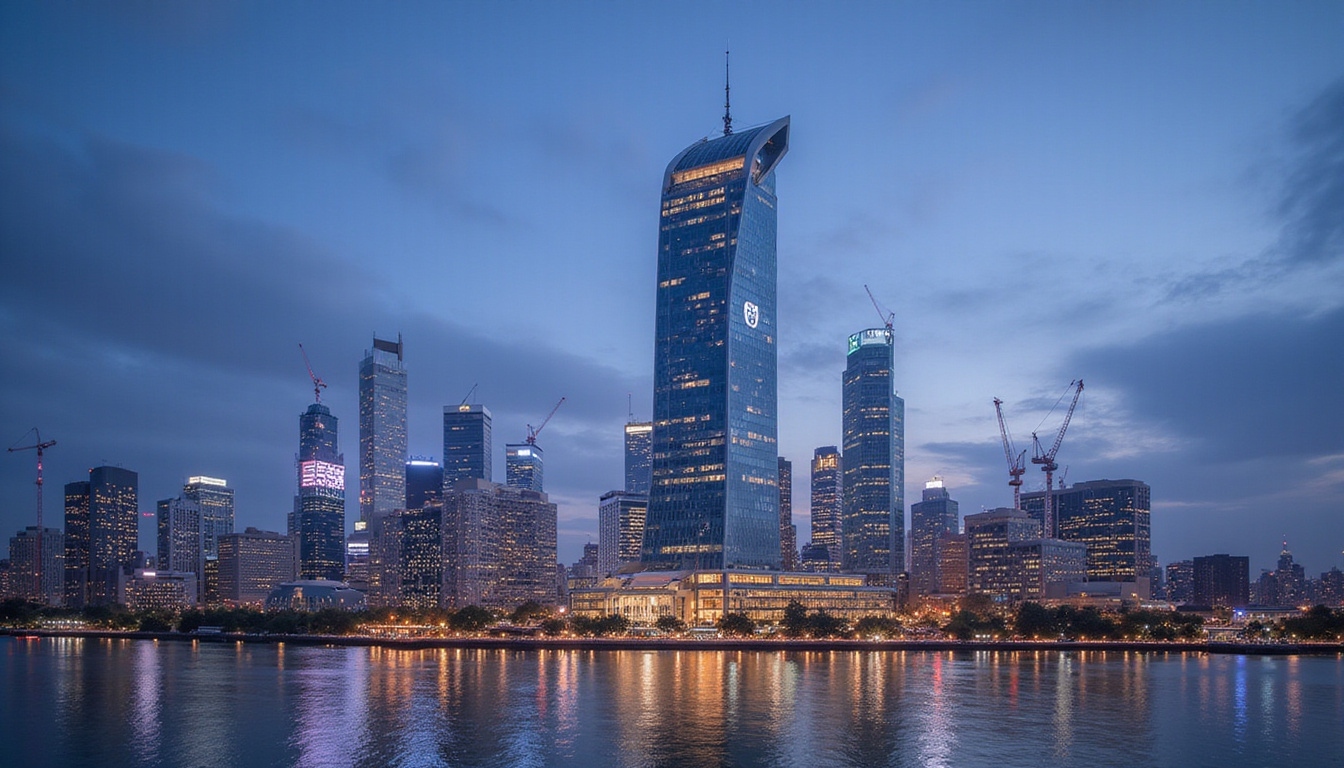
Luxury hotel openings shift global travel. They change city looks and guest stays. Glittering towers rise on famed skylines. Intimate retreats stand in historic areas. Each new hotel becomes a place to rest and a work of art. It creates a unique stay.
Travel picks up. High‑net‑worth guests seek custom stays. New hotels set fresh marks in design, green building, well‑being, and tech.
Why New Luxury Hotels Matter More Than Ever
Luxury hotels once showed status. Now they run deeper:
- They form new business centers and waterfronts.
- They boost nearby investment.
- They shift travel standards seen by all.
Travelers get more than a new stay. They find immersions that mix art, tech, and comfort with top service.
The World Travel & Tourism Council shows that travel added more than 9% to global GDP in 2023. Luxury hotels help both revenue and jobs. In this way, each hotel can shift a city’s spot on the world stage.
How Luxury Hotel Openings Redraw City Skylines
Architectural Icons as Brand Signals
Today’s hotels mix architecture with lodging. Star architects build these hotels to stand out:
- Towers use sky-bridges, pools that extend, and gardens on roofs.
- Buildings mix hotels, branded homes, and high-end shops.
- Old structures turn into modern luxury sites.
These projects change a city’s look. They appear in postcards, films, and online posts. They serve as free global ads.
Revitalizing Waterfronts and Historic Districts
New hotels often act as the key tenant in urban change:
- Waterfront designs: Old industrial spots turn into chic areas with boardwalks, marinas, and mixed uses around a star hotel.
- Historic zones: Banks, palaces, and post offices turn into five‑star spaces. They keep old fronts and key rooms while adding modern ease.
This mix of old and new improves roads, lights, and transit access. It spurs more shops, cafes, and galleries around the property.
Vertical Resorts: Bringing Resort Living to Cities
Modern hotels bring resort comforts into urban spots. They work upward instead of out:
- Infinity pools on high floors give city views.
- Wellness centers and spas stretch over several floors.
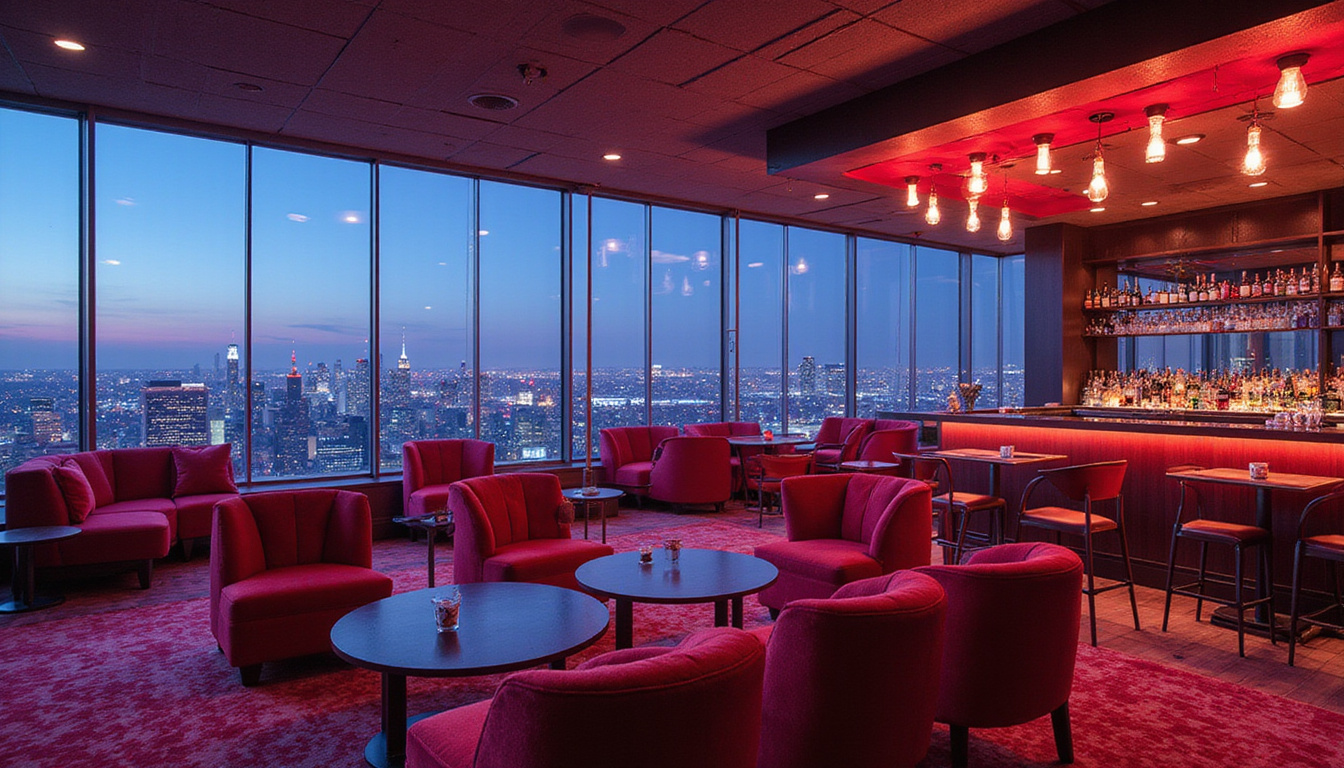
- Rooftops host urban farms, cocktail bars, and fine dining.
These vertical resorts keep guests on site. The hotel becomes a small city.
Guest Experience 2.0: What Defines the New Luxury
Hyper‑Personalized Stays
Hotels compete by tailoring stays to each guest. They work by:
- Collecting guest details before arrival. They note room heat, pillow style, minibar, and art taste.
- Using data that helps staff guess what guests need.
- Crafting local trips for visitors. They plan private museum lookovers or after‑hours tours.
This shift moves standard service into care that feels personal.
Local Design and Story Telling
New hotels drop one-size‑fits‑all looks. They tie design to the spot:
- Rooms and halls mirror local craft, natural materials, and stories.
- Local artists add art throughout.
- Restaurants show local food made in new ways.
Guests choose hotels that feel part of the area. The hotel acts as an open door to local life.
Next‑Generation Well‑Being
Well‑being goes beyond gyms and saunas. Many new hotels now hold:
- Clinics that mix checkups, diet help, and doctor advice.
- Programs that mix movement, calm, and sleep tips.
- Special retreats for detox or a health boost.
Some stays feel like mild health trips. Guests leave more rested and with gains they can track.
Tech That Supports, Not Replaces, Service
Smart tech now fills new hotels. The best work by:
- Offering check‑in apps, digital keys, and in‑room controls for lights, curtains, and air.
- Providing in‑room tablets for room service, spa bookings, or even a local run plan.
- Using small sensors that set lights and heat when guests are in.
The key point: tech backs up human care. The mark of luxury stays in real personal touch.
Sustainability: The New Standard in High‑End Openings
Sustainability no longer sits on the side. It sits at the heart of design in many hotels.
Greener Buildings from the Start
Builders now put money into:
- Energy systems that save heat and light bulbs built to save energy.
- Clean energy like sun panels and ground heat systems.
- Water care with recycled water and low‑flow taps.
Many hotels now earn green badges. Their eco points set them apart.
Local Sourcing and Community Ties
Conscious guests now want hotels to help their area. In reply, hotels:
- Choose local sources for food, design, and spa goods.
- Fund education or care projects with hotel cash.
- Train local youth to work in hospitality.
By staying close to the community, hotels attract guests who seek a real local touch.
What Savvy Travelers Should Look For in New Luxury Hotels
When you pick a new hotel, look past brand names or stars. Check for:
Spot and Ties
- Does the hotel sit in a lively area with art, food, and work nearby?
- Does it show bold views or build with a special look?
Experience Craft
- Does the space tell a local tale?
- Does it have unique spots like rooftop bars, art halls, or special spas that you cannot find elsewhere?
Service Style
- How custom is the care? Does the hotel learn your likes?
- Does it have butlers, concierges, or trip planners on hand?
Well‑Being and Green Plans
- Does the hotel have real wellness sites and clear eco programs?
- Is the green plan shown clearly, not just in ads?
Tech and Ease
- Do digital tools truly add comfort?
- Is there a fine mix of tech and human care?
Benefits of Booking New Luxury Hotels
Old hotels hold charm, but new ones add their own perks:
- Cutting‑edge design and room features that show new ideas in space, well‑being, and tech.
- Opening rates that come with extra deals.
- More staff on duty to please guests right away.
- A “first to see” feel that gives you early access to a new space.
To get the best from a new hotel, try:
- Reading early reviews for any small glitches.
- Checking to see which parts of the hotel work fully.
- Asking about opening deals, food ideas, and well‑being plans.
How New Luxury Hotels Shape Future Travel Trends
The new ideas from these hotels will set trends for years. Some trends include:
- Blurring spots between hotel, home, and office: More hotels mix homes and shared work areas.
- Longer trips and a slow pace: Suites with kitchens and laundry let guests live longer and mix work with pleasure.
- Loyalty that gives special experiences: Clubs and events that add more than points.
Cities that host top luxury hotels see more flights, high-end shops, and global pull with rich guests and investors.
FAQ: Luxury Hotel Openings and What Travelers Want to Know
Why do so many luxury hotels open in big cities now?
Travel comes back strong. More wealth in new spots and brand fights push hotels to open. Cities see these hotels as sparks for more work and visitors. Brands act fast to grab prized spots.How do new hotels differ from old five‑star ones?
New hotels mix custom design, local life, and well‑being. While old ones shine with history, new ones push with personal care, green ideas, and modern build combined with smart tech.Are new luxury hotels worth a high price?
Many travelers say yes, especially if fresh design, new facilities, and eager staff are key. Look for opening deals and clear touches in art, food, well‑being, or design to get true worth.
Turn the Next Luxury Opening Into Your Most Memorable Stay
New luxury hotels shift not just where you sleep, but how you feel in the city. They change city views and craft personal care. Whether you travel for work, a short break, or a special event, a new hotel can change your trip into a standout time.
If you plan your next trip, check out the new hotels. Compare their style and care points, and call the hotel to ask about new guest deals. Reserve early and let one of these new hotels be the heart of your next city trip.