
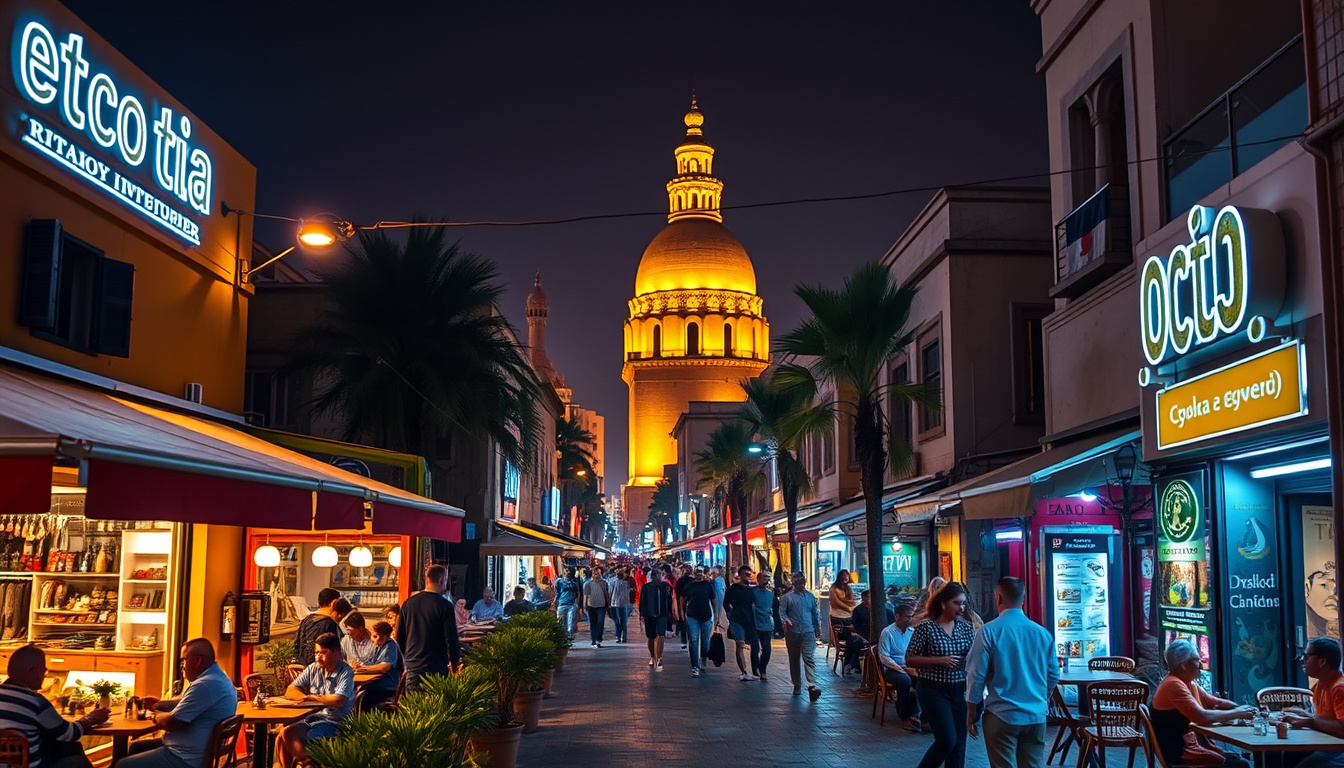
Egypt’s recent decision to restore normal business hours has sparked optimism for both the economy and the nation’s vibrant nightlife.
Announced on April 26, 2026, this policy shift comes after a thorough review by Prime Minister Mostafa Madbouly and his cabinet, highlighting the detrimental impact of previous early closing restrictions on commerce and consumer habits.
With shops and malls now allowed to operate from 7:00 AM to 11:00 PM, and extended hours during weekends and holidays, Egyptians are set to experience a significant revival in their shopping dynamics, late-night activities, and overall economic resilience.
Key Takeaways
- Egypt’s restoration of normal business hours is expected to stimulate economic growth and revitalize nightlife.
- The new regulations will allow shops, restaurants, and cafés to operate longer hours, enhancing consumer spending opportunities.
- Balancing energy efficiency with economic recovery remains a key focus for the government in the wake of previous restrictions.
Impact on Business and Economic Recovery
The recent decision by the Egyptian government to lift early closing hours for businesses marks a pivotal moment for the nation’s economic recovery.
Announced on April 26, 2026, after a cabinet meeting spearheaded by Prime Minister Mostafa Madbouly, the move aims to rejuvenate the economy and counteract the adverse impacts that prior restrictions had on commercial activities.
Previously, in a bid to conserve energy, businesses were limited to operating only until 11:00 PM, with some being mandated to close even earlier.
This policy, put in place on March 28, effectively stifled late-night commerce and hurt businesses in vibrant locales acclaimed for their nightlife and culinary diversity.
Now, with the reinstatement of standard operating hours, shops and malls are allowed to welcome customers from 7:00 AM to 11:00 PM, extending to midnight on weekends and holidays.
Restaurants and cafés can serve patrons from 5:00 AM until 1:00 AM, while 24/7 delivery and takeaway options cater to the growing consumer demand for convenience, especially in urban settings.
Additionally, authorities exempt essential services from restrictions, ensuring uninterrupted access to supermarkets, bakeries, and pharmacies.
By balancing economic needs with energy conservation goals, Egypt is taking strategic steps to stimulate consumer spending and bolster local businesses amid rising prices and global economic uncertainties.
This policy reversal demonstrates a government commitment to fostering a vibrant economic landscape while carefully navigating energy use, ultimately supporting food and fuel supplies, maintaining market price regulation, and advancing renewable energy initiatives.
Changes to Nightlife and Consumer Behavior
The reinstatement of normal operating hours is expected to significantly alter consumer behavior, particularly in Egypt’s urban hotspots, where nightlife thrives on late-night dining and shopping.
As businesses return to their pre-restrictive schedules, many establishments are likely to experience an uptick in foot traffic and sales as consumers embrace the freedom to engage in leisure activities without the constraint of early closures.
This new dynamic not only empowers local businesses to recapture lost revenue but also encourages a shift in lifestyle choices among residents and tourists alike.
Furthermore, with the added flexibility of 24/7 takeaway and delivery services, consumers can enjoy greater convenience tailored to their schedules, thereby enhancing the overall nightlife experience.
The government’s decision to monitor these changes will be crucial, as it navigates between fostering economic recovery and maintaining an eye on energy consumption and sustainability efforts.