
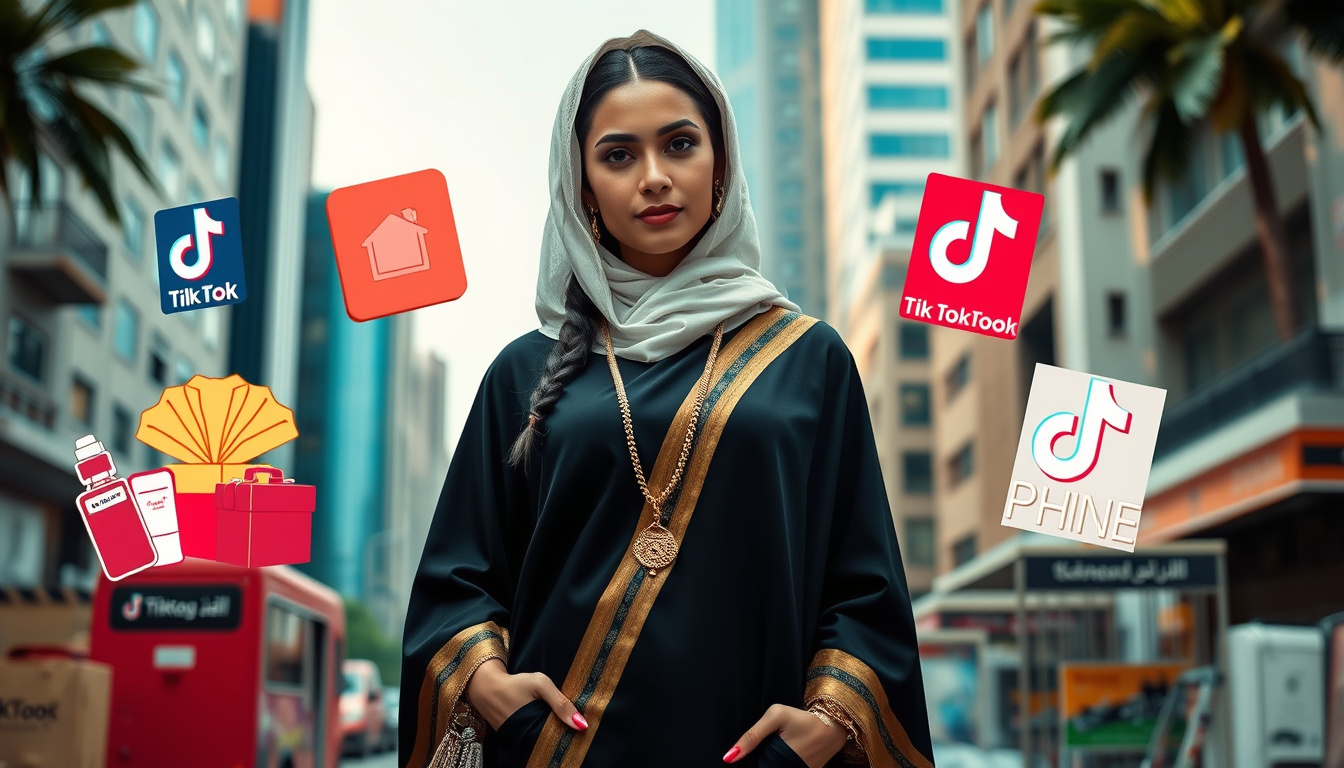
In recent months, a dynamic TikTok trend has emerged, sparking conversations across Egyptian society regarding the financial inequalities faced by women in marriage.
This trend has illuminated a critical discussion about the expectations placed on women when it comes to financial contributions in marriages, contrasting these with practices observed in other Muslim nations.
Traditionally, Egyptian marriages require men to shoulder the bulk of the financial responsibilities, such as rent, furnishings, and dowries, while women are expected to provide a ‘gehaz’, a collection of essential household items.
This long-standing practice not only creates economic pressure on brides and their families but raises important questions about the equity of such arrangements.
In this article, we will delve deeper into the cultural and religious dialogues surrounding women’s financial roles in Egyptian marriages, and examine the impact of the viral TikTok trend in catalyzing societal change.
Key Takeaways
- Egyptian women face financial inequality in marriage compared to their counterparts in other Arab nations.
- Cultural norms in Egypt often pressure women to contribute financially in ways that contradict religious principles of Islam.
- The TikTok trend highlights the need for a societal discourse on financial roles and expectations in Egyptian marriages.
The Cultural vs. Religious Dialogue: Understanding Women’s Financial Roles in Marriage
In a rapidly evolving society, the economic dynamics of marriage are under intense scrutiny, particularly in Egypt, where a recent TikTok trend has sparked a significant debate regarding women’s financial roles.
Traditionally, Egyptian marriages have imposed a heavy financial burden on men, who are expected to cover most expenses—ranging from rent and furnishing homes to fulfilling the dowry requirements.
Meanwhile, women traditionally provide a ‘gehaz,’ comprising essential household items.
This expectation has created considerable economic pressure on brides and their families.
In contrast, women in other Muslim-majority nations often find themselves exempt from these financial contributions, highlighting a disparity and leading to the argument that Egyptian women are at a disadvantage.
This cultural expectation varies significantly from the underlying principles of Islam, which mandates that men are responsible for financial provisions while women are not obligated to contribute.
However, entrenched cultural norms have persisted, urging women to engage both financially and in domestic capacities.
This paradox raises critical questions about the evolution of cultural practices that seem to overshadow the clearer religious directives.
Economic pressures further complicate this landscape; women are often assumed to shoulder financial responsibilities even when their partners are fully capable of meeting them alone.
Consequently, many women safeguard their rights by entering ‘Ayma’ contracts—documents that outline their contributions to the household—ensuring their ownership and participation are acknowledged.
The conversations emanating from this TikTok phenomenon reveal a broader, systemic issue rooted in the historical inequities of marriage practices, compelling society to reassess traditional expectations and the financial realities of modern Egyptian marriages.
The Impact of TikTok Trends on Societal Perception and Change
Another critical aspect that the TikTok debate underscores is the wider societal implications of traditional marriage financial structures.
As young people increasingly engage in online discussions, they foster a collective awareness that may catalyze change in societal perceptions.
The impact of these conversations extends beyond individual relationships, calling into question the efficacy of long-standing customs.
With rising living costs and an evolving workforce, younger generations are also reevaluating the roles and expectations of both husbands and wives.
This shift in mindset offers a potential pathway towards negotiating fairer financial arrangements in marriages, fostering partnerships based on equality rather than obligation.
Moreover, these discussions contribute to a broader dialogue about gender equality, prompting a reassessment of women’s rights and roles in Egyptian society.
By challenging the status quo, TikTok is not merely a platform for fleeting trends; it is becoming a catalyst for crucial social change.