
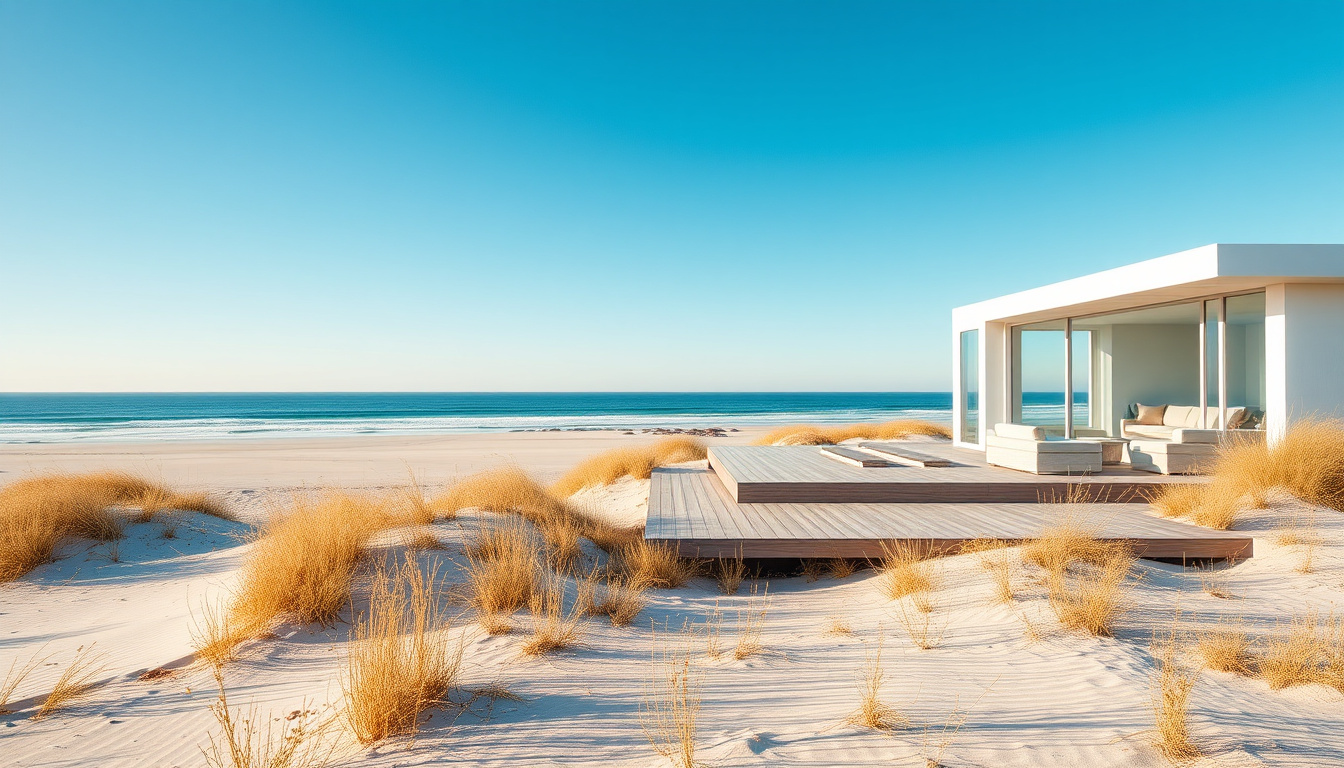
Beach houses bring to mind light rooms and open spaces. This home on Portsea’s cliffs defies that view. It sits on steep rock along Millionaire’s Walk. Called the Cliff House, it shifts beach living to show a darker side of nature. Damon Hills, the architect from Finnis Architecture and Interiors, built it to match Port Phillip Bay’s cool coast. Follow our clear tour of its design, careful material choices, and close tie to nature.
Location and Idea: Respecting Bunurong Country and the Cliffs
The Cliff House stands on special land in Portsea, a seaside town in Victoria, Australia. This land belongs to the Bunurong people, who care for the coast. The house sits high on cliffs and gives wide views of Port Phillip Bay. The view is strong and wild.
The land drops from a low point to a high spot on the edge before falling fast to the bay. The changing ground required smart plans. The design uses the full view of water while keeping the natural slopes and obeying the height rules.
When the owner met Damon Hills and his team, he asked for a holiday home for him and his partner. The simple brief led to new ideas based on the land’s traits: a beach house that works in its own way.
The Design Idea: A Solid, Moody Beach House
Many beach houses use light sandstone and bright tones. But Port Phillip Bay’s coast shows a more subdued air. The plan for the Cliff House was a strong stone form with a low, moody look that fits the blue waters.
Andorra grey limestone is the main stone used. It covers the house and gives it a strong, carved look. This grey stone, set against the rocky cliffs, forms a firm base and mirrors the coast.
The wood finishes inside add a warm feel to soften the stone’s weight. The smooth plaster on the walls reflects daylight and shows small shifts in light and shade.
A custom plan was made with Eco Outdoors. The stone was cut to make large floor tiles, different wall pieces, and special battens that match the home’s curves. Each choice keeps the design smooth inside and out.
A Careful Plan for Beach Living
Unlike many cliff homes that put living areas high up, the Cliff House keeps them on the ground floor. Here, the kitchen, dining room, and living room sit with clear views of the bay. This plan makes a close tie to the garden and the coast and feels warm and true.
Lower Level: Entry, Garage, and Work Areas
A ramp leads down to a big garage for four cars. This level also holds the laundry, a small wine room for fun, and the entrance hall. A staircase then climbs to the main living room.
Ground Floor: Home, Work, and Play
On this floor, the plan fits both work and rest. The open kitchen, dining, and living rooms share coastal views. There is a quiet study for work at home. A private sauna and a small pool add calm. A long lap pool in the garden also invites fun.
Upper Floor: Private Rooms
The top level holds three calm bedrooms. Each room gets soft natural light and, where possible, views. The plan ties indoor comfort to the outside well.
Outdoor Design and Building
The outside space makes the home feel like a coastal retreat. Working with Lisa Ellis Gardens, the design for the garden fits the home. Local plants and crafted stone join to match the rocky coast.
Dean Wilson Constructions built the house with clear skill. One striking touch is the solid limestone handrail that follows the stairs from the garage to the first floor. This handrail, carved from Andorra limestone blocks, proves the stone workers’ skill.
Materials and Finishes: Tying Indoors to Outdoors
The materials show the home’s coastal feel and meet all needs:
• Andorra Limestone covers key surfaces and gives the house strong, cool style.
• Arrowmill Technifirma tiles copy the look of natural stone for the pool. This keeps the style close to the home and the water.
• Timber veneers warm the space against the stone.
• Polished plaster on walls reflects daylight and shows soft shifts of light and dark.
Together, these choices blend the home with its land. The result is an inviting space that fits beach living without clichés.
Living the Beach Life—Year-Round
The strength of this project lies in its clear plan. Each part—from the stone and layout to the finishes and garden—works to make this home both timeless and true to its coast.
Today, the owner lives here full time. The design feels strong and comfortable as a retreat and a home.
FAQ – Cliff House and Coastal Design
Q1: What makes the Cliff House stand apart from other beach houses?
A: Rather than light rooms and bright tones, the Cliff House uses a solid, grey stone that fits Port Phillip Bay’s cool air. Its ground-floor living spaces give clear bay views.
Q2: How does the design work with the land’s shape?
A: The house sits on a slope. The plan fits the view and daylight while following the hill heights. Levels flow from a low garage area to higher living rooms and bedrooms.
Q3: What materials give the home its look?
A: The home uses much Andorra grey limestone, with warm wood veneer and smooth plaster. These choices mix heavy stone with soft touch and light.
Q4: How do indoors and outdoors connect?
A: Large doors and windows open the living spaces to gardens and pools. This design ties the inside to the coast tightly.
Q5: Which craft elements are special?
A: A hand-carved limestone rail runs along the stairs. It shows fine stone work and adds a bold mark to the home.
Q6: Who helped on this project?
A: Finnis Architecture led the work. Lisa Ellis Gardens planned the outdoors, Dean Wilson Constructions built it, and Eco Outdoors helped with special stone design.
Q7: Is the house only for vacations?
A: No, the owner now lives in the house every day. The calm design and good site work well as a full-time home.
Conclusion
The Cliff House on Portsea’s cliffs shows how coastal style can shift away from old ideas. Using a strong, grey stone and careful design, the house ties each indoor room to the outside view. This home proves that a beach residence can feel real and strong. It stands as a clear modern take on a coastal home that draws you close to the land and sea.