
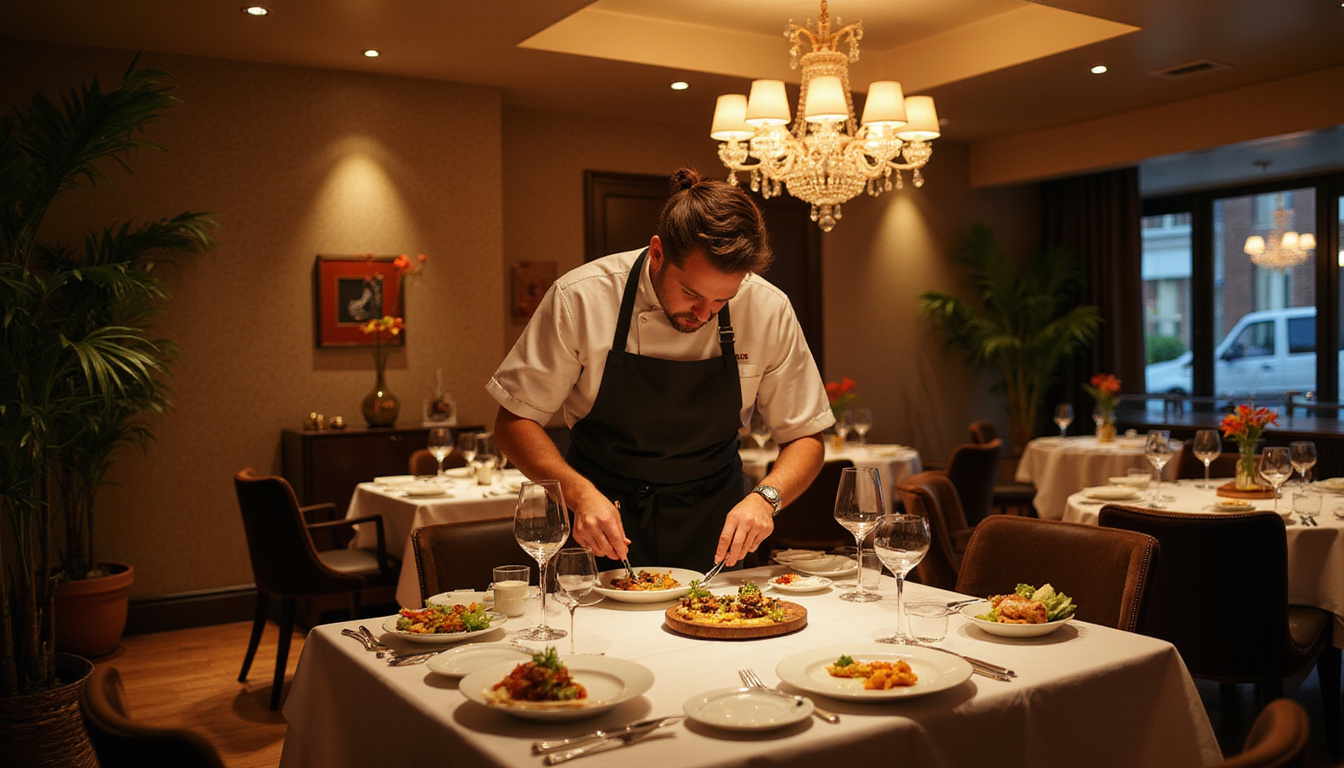
Fine dining hotels are reshaping what luxury hospitality means in 2026. It’s no longer enough to offer a plush room and a pretty lobby; today’s most sought‑after properties are destinations for gastronomic experiences, built around chef‑driven tasting menus that rival (and often surpass) standalone Michelin‑starred restaurants. For travelers who plan trips around what—and where—they eat, fine dining hotels are becoming the ultimate way to combine immersive cuisine with elevated stays.
Below is a deep dive into how this trend evolved, what sets these properties apart, and how to choose the right fine‑dining‑focused hotel for your next trip.
From “hotel restaurant” to culinary destination
Not long ago, “hotel restaurant” was shorthand for convenient but forgettable food. That’s changed dramatically. Around the world, luxury properties have moved from offering generic menus to hosting culinary flagships run by acclaimed chefs and ambitious rising talents.
Three big shifts explain this evolution:
Food‑savvy travelers
Social media, food TV, and online reviews have created a global audience that understands tasting menus, terroir‑driven wine pairings, and chef philosophies. Guests now expect hotel restaurants to be on par with the best in the city.Hotels as full experiences, not just accommodation
High‑end travelers increasingly see hotels as the experience itself—especially in resort and city‑break destinations. Fine dining hotels use food to anchor a stay: multi‑course tastings, chef’s tables, kitchen tours, and cooking classes.Top chefs seeking built‑in audiences
For star chefs, partnering with a luxury hotel offers stable overheads, ready clientele, and the chance to experiment with concepts—especially tasting menus—without the risk profile of a standalone restaurant.
What defines modern fine dining hotels?
While every property has its own style, the best fine dining hotels share several key traits that go beyond simply “good food.”
1. Chef‑driven tasting menus at the core
At the heart of these hotels is at least one flagship restaurant whose identity revolves around a tasting menu. Think:
- Seasonal multi‑course journeys (8–20 courses)
- Optional wine or non‑alcoholic pairings
- Clear narrative or theme (e.g., “from farm to fjord,” “native botanicals,” “historic recipes reimagined”)
The menu is designed to be a highlight of your trip, not a convenient dinner option. Guests often book the restaurant first, then the room.
2. A tight connection to place
The best fine dining hotels use food to express the culture and geography around them. This might involve:
- Local sourcing: partnerships with nearby farms, fisheries, and producers
- Heritage dishes: traditional flavors reinterpreted in modern tasting formats
- Environmental storytelling: menus that highlight local ecosystems, seasons, and sustainability challenges
For example, coastal properties may feature tasting menus centered around daily seafood landings, while desert or mountain hotels spotlight native herbs, grains, and preservation techniques.
3. Immersive design and atmosphere
In fine dining hotels, the restaurant is treated like an art gallery for food:
- Thoughtful lighting that shifts subtly over the course of the evening
- Open kitchens or chef’s counters where guests can watch dishes come together
- Tailored playlists, art, and tableware that reinforce the menu’s theme
The goal is to make the tasting menu feel like a performance, not just a meal.
4. Seamless integration between room and restaurant
Luxury today is as much about frictionless experiences as it is about opulence. Top fine dining hotels blur the line between your suite and the dining room by offering:
- Priority reservations for in‑house guests
- In‑room welcome bites aligned with the restaurant’s culinary style
- Special tasting experiences for longer stays (e.g., “chef’s pantry” snacks, breakfast upgrades, or exclusive menu previews)
- Personalized mini‑bars and turndown amenities curated by the chef
This integration gives guests the sense that the entire property is an extension of the restaurant’s philosophy.
How chef‑driven tasting menus are redefining luxury
Tasting menus have become the canvas on which hotels paint their version of luxury. Here’s how they’re changing expectations.
Luxury as curation, not just abundance
Traditionally, hotel luxury meant vast buffets and encyclopedic room service menus. Fine dining hotels flip that idea: instead of more choice, they offer more curetted choices.
A tasting menu:
- Reduces decision fatigue
- Showcases the chef’s strongest work
- Offers a sense of discovery and narrative
Guests feel they’re in expert hands—and that trust is a new form of luxury.
Deeper personalization
Contrary to the old stereotype of rigid tasting menus, the best chef‑driven hotels are highly flexible. Before or during your stay, teams often capture:
- Ingredient preferences and allergies
- Dietary frameworks (vegetarian, vegan, halal, kosher‑style, gluten‑free, low‑FODMAP, etc.)
- Texture or temperature sensitivities
- Flavor likes/dislikes (e.g., “love bitter,” “no blue cheese”)
Menus are then adapted quietly, without fuss, so every diner shares the same overarching story while receiving deeply personal plates.
Multi‑sensory storytelling
Fine dining hotels use tasting menus to create multi‑sensory narratives that can’t be replicated at home:
- Sight: dramatic plating, table‑side finishing, or visual illusions
- Sound: crackling fires, open‑kitchen sizzles, curated soundtracks
- Smell: smoke bells, aromatic infusions, herb sprigs crushed table‑side
- Touch: unusual vessels, textural contrasts, edible “hand‑held” courses
This type of experience has helped many hotel restaurants earn spots on global rankings and guides (source: The World’s 50 Best Restaurants), and it’s a major draw for travelers who prize one‑of‑a‑kind moments.
Choosing the right fine dining hotel for your trip
If you’re planning a trip around gastronomy, choosing among fine dining hotels can be overwhelming. Use the criteria below to narrow your options.
1. Decide your primary goal: destination, dining, or both?
Ask yourself:
- Are you visiting a city and want the hotel’s restaurant to be one big highlight?
- Or are you traveling specifically for the tasting menu, and the rest of the stay revolves around that booking?
For short city breaks, urban fine dining hotels with easy access to museums, shopping, and nightlife may be ideal. For immersive getaways, remote resorts with on‑site tasting menus and strong activities (spa, nature excursions, cultural tours) work better.
For example, if you’re exploring Cairo and want a gastronomic base with access to the Nile and historic sites, pairing a luxury hotel stay with high‑level dining and city views—like the type featured in this guide to [10 of the Best Luxury Hotels in Cairo](
be a smart move.
2. Research the chef and culinary concept
Look beyond star ratings and read about the chef’s background:
- Where did they train?
- Are they known for avant‑garde techniques, heritage cooking, or ultra‑minimalism?
- Does their philosophy resonate with your tastes?
Then, study the tasting concept: is it seafood‑centric, plant‑forward, meat‑heavy, or globally inspired? This helps ensure the experience matches what excites you most.
3. Consider length of stay vs. menu depth
Deep tasting menus (10+ courses) can be intense. If you’re staying for multiple nights, ask:
- Does the property offer alternate dining options (bistro, bar, in‑room casual menus)?
- Are there shorter tastings or à la carte nights?
- Can you book the tasting menu only once and enjoy lighter meals on other evenings?
Balancing indulgence with rest helps you actually enjoy the luxury rather than leaving you fatigued.
4. Evaluate beverage and pairing programs
In fine dining hotels, beverage programs are often as ambitious as the food. Look for:
- Strong wine list with both classic and natural options
- Non‑alcoholic pairings (fermented juices, teas, infusions)
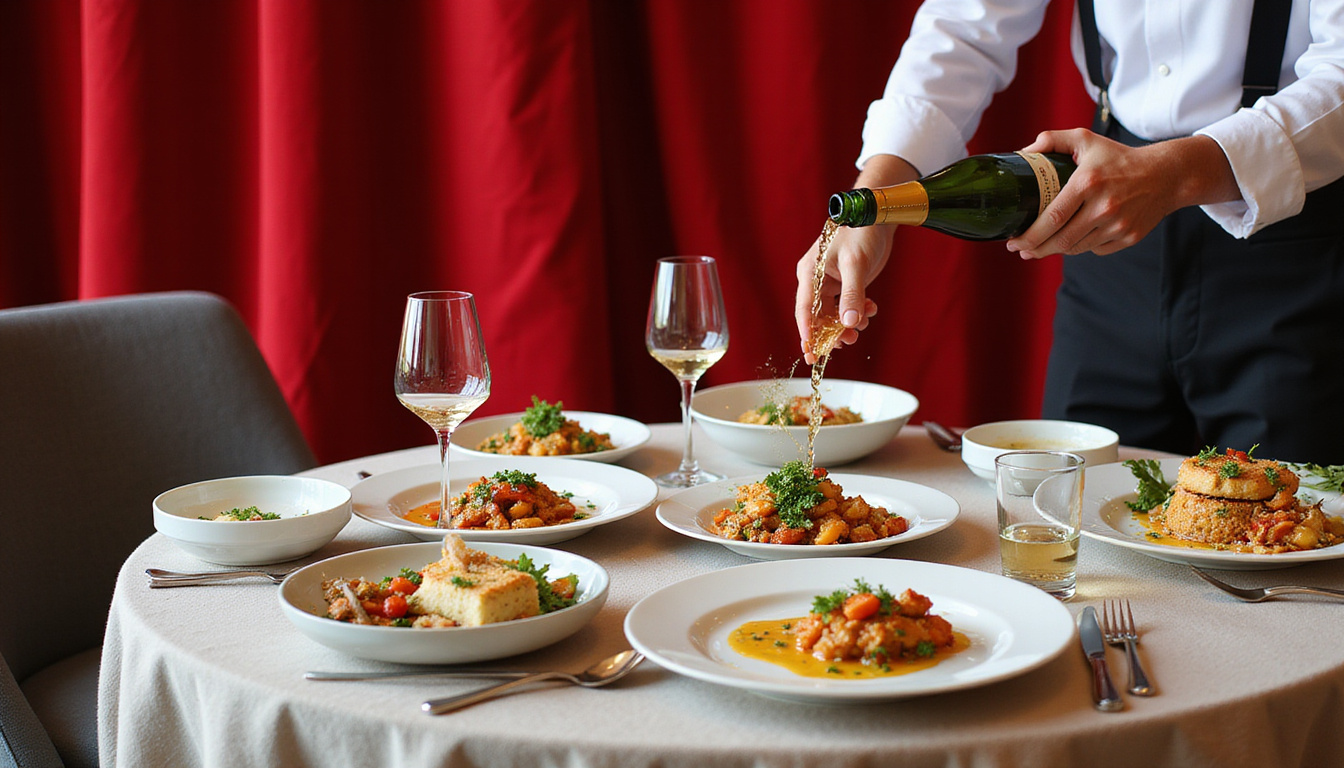
- Knowledgeable sommeliers who can tailor pairings to your preferences and price point
If wellness or sobriety is a priority, the quality of the non‑alcoholic program can be a deciding factor.
Inside a chef‑driven stay: what to expect
To visualize how fine dining hotels orchestrate stays around tasting menus, imagine a typical 2–3 night experience.
Arrival
- You’re welcomed with a small amuse‑bouche or drink that hints at the restaurant’s style.
- At check‑in, the team confirms your tasting reservation and notes any last‑minute dietary details.
- Your room might include a letter from the chef and a small edible welcome gift.
During your stay
- Breakfast may feature refined versions of local specialties or pastries shaped by the same culinary team.
- You might join a brief kitchen garden visit, spice‑tasting, or wine tasting in the afternoon.
- The tasting menu is staged as the centerpiece of one evening, with suggested aperitifs at the bar beforehand.
Departure
- You could leave with a small jar of house‑made preserves, spice mix, or recipe card set.
- The hotel may invite you to pre‑book new seasonal menus if you return within a year, building long‑term loyalty.
The result is a stay that feels cohesive and narrative‑driven—defined less by generic luxury and more by memorable, sense‑driven moments.
Practical tips for booking fine dining hotels
To get the most from your stay, use these practical guidelines:
- Book the restaurant early. Top tasting rooms in fine dining hotels often have limited seats; secure your table before committing to flights.
- Plan your tasting night mid‑stay. Avoid the first night (jet lag) and last night (packing, early flights).
- Communicate clearly. Email the hotel your dietary needs and any special occasions (anniversary, proposal) well in advance.
- Budget realistically. Factor in the tasting menu, pairings, service charges, and potential add‑ons (chef’s table surcharges, caviar supplements).
- Dress the part. Many fine dining hotels maintain smart‑casual or formal dress codes in flagship restaurants; check the policy before packing.
The future of fine dining hotels
Looking ahead, several trends are likely to shape the next generation of fine dining hotels:
- Sustainability first: Regenerative agriculture partnerships, zero‑waste kitchens, and low‑carbon menus will become competitive advantages rather than nice‑to‑haves.
- More plant‑based tasting menus: Expect fully vegetarian and vegan tasting experiences to become mainstream, not niche.
- Tech‑enhanced personalization: Subtle use of guest data—handled responsibly—will allow hotels to predict preferences and curate menus before you arrive.
- Culinary residencies: Hotels may rotate visiting chefs seasonally, keeping concepts fresh while building global reputations.
- Blurring lines with wellness: Tasting menus calibrated for gut health, sleep quality, or athletic performance may appear at spa‑focused properties.
In all of this, the core idea remains: food is not an amenity—it is the lens through which guests experience the entire property.
FAQ: Fine dining hotels and chef‑driven menus
Q1: Are fine dining hotels worth the higher nightly rates?
Often, yes—if you value gastronomy. The premium typically reflects access to top chefs, priority restaurant bookings, highly personalized service, and cohesive culinary experiences woven through your entire stay. If your main goal is sightseeing on a tight budget, a simpler hotel plus standalone restaurant might make more sense.
Q2: Can guests with dietary restrictions enjoy fine dining hotel experiences?
Most fine dining hotel restaurants are highly experienced in accommodating dietary needs—gluten‑free, vegetarian, vegan, and common allergies. The key is to communicate in advance. When booking, specify details clearly so the kitchen can design an equivalent tasting menu that still feels complete and indulgent.
Q3: How do I find the best fine dining hotel for a specific city or region?
Start by searching for hotels with acclaimed in‑house restaurants, cross‑checking guides like Michelin, World’s 50 Best, and trusted travel media. Read recent guest reviews that mention the restaurant, tasting menus, and service. Then compare what matters most to you: location, chef reputation, style of cuisine, and overall hotel amenities.
Fine dining hotels are redefining luxury travel for a generation that’s as passionate about what’s on the plate as what’s in the suite. If your ideal trip combines immersive flavors, thoughtful design, and service that anticipates your needs before you articulate them, it’s time to build your next journey around a chef‑driven tasting menu.
Explore destinations where the restaurant is not just attached to the hotel—but central to its identity. Then book the stay, savor every course, and let the experience reset your expectations for what luxury travel can be.