
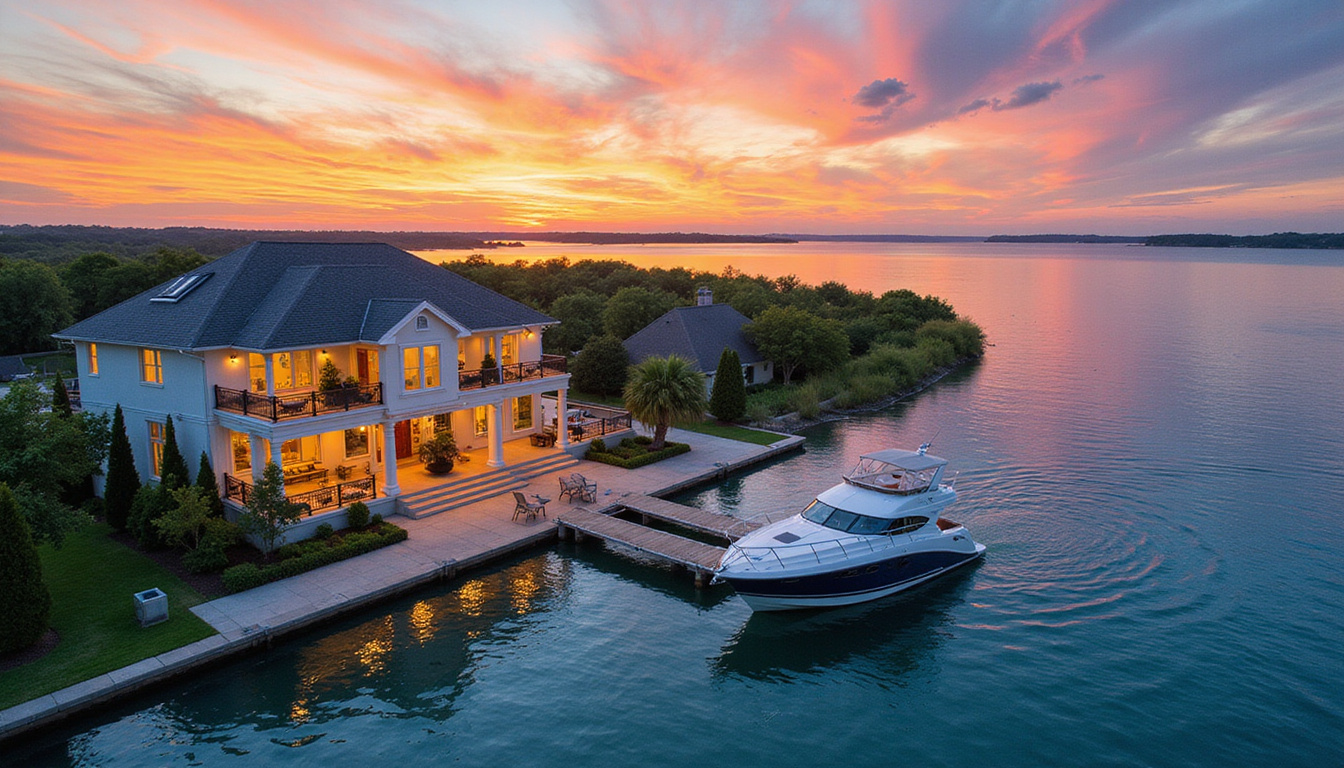
Waterfront properties have a timeless appeal: open views, calming water, and a built-in sense of luxury that instantly boosts lifestyle and value. Whether you’re eyeing the Mediterranean in Alexandria, the Red Sea in Hurghada, or riverfront homes along the Nile, waterfront real estate can be both a dream and a powerful investment. The key is understanding how to buy wisely, renovate strategically, and position your property to profit big—without drowning in hidden risks.
Why Waterfront Properties Are So Valuable
Waterfront properties consistently outperform similar non-waterfront homes in both demand and pricing. Their appeal is driven by:
- Scarcity: You can build more homes, but you can’t easily create more coastline, lakeshore, or riverfront.
- Lifestyle: Direct access to the water, fresh air, and sweeping views.
- Prestige: Waterfront addresses often carry higher social and rental status.
- Strong rental demand: Tourists and expats are drawn to water for short- and long-term stays.
In Egypt and other popular coastal or riverfront destinations, this combination means higher purchase prices—but also the potential for outsized capital gains and rental yields (source: World Bank – Coastal Zones & Development).
Step 1: Choosing the Right Type of Waterfront Property
Not all waterfront properties are created equal. Each type has its own risk/reward profile, renovation potential, and rental appeal.
1. Oceanfront & Sea-View Properties
Common in Egypt’s Red Sea and Mediterranean regions, oceanfront homes and apartments offer:
- Strong tourism demand
- High appreciation potential
- Ideal for short-term rentals
Watch for:
- Erosion and storm exposure
- Salty air corrosion on metal and exterior finishes
- Stricter building codes in coastal protection zones
2. Riverfront & Nile-Front Homes
Nile-front apartments and villas can be excellent for:
- Long-term tenants (locals, professionals, expats)
- Boutique guesthouses and furnished rentals
- Steady, year-round occupancy vs. seasonal tourism spikes
Watch for:
- Flood risk and changing river levels
- Older buildings that may need structural work
- Noise or congestion in central urban riverfront areas
3. Lakefront & Lagoon Properties
In planned communities and resorts, lagoon and lakefront properties typically provide:
- Controlled environments (gated compounds, services, security)
- Amenities like marinas, promenades, and clubhouses
- Easier maintenance than direct seafront in some cases
Watch for:
- HOA/community fees that cut into cash flow
- Restrictions on exterior changes or short-term rentals
Step 2: Location Analysis – What Really Drives Profit
Location matters in any real estate deal, but with waterfront properties it matters even more. Look beyond the postcard view and dig into fundamentals.
Key Factors to Evaluate
Access & Infrastructure
- Proximity to airports, highways, and public transport
- Condition of roads and parking access
- Nearby shopping, healthcare, and schools (for long-term rentals)
Tourism & Demand Drivers
- Is the area growing as a tourist or expat destination?
- Are there major hotels, resorts, or planned developments?
- Seasonality: year-round demand vs. short high season
Regulations & Zoning
- Coastal protection laws, setback requirements, and environmental rules
- Short-term rental regulations (Airbnb-style rules)
- Foreign ownership rules, if you’re a non-citizen
Supply & Future Competition
- Are new waterfront projects under construction?
- Will they add value to the area or flood the market with supply?
Use both on-the-ground visits and digital tools (satellite maps, booking platforms, rental listing sites) to benchmark rents, occupancy, and pricing for similar waterfront properties nearby.
Step 3: Buying Waterfront Properties the Smart Way
You make most of your profit when you buy, not when you sell. That’s especially true with high-ticket waterfront properties.
Get the Right Experts
- Local real estate agent experienced with waterfront deals
- Structural engineer familiar with moisture and corrosion issues
- Real estate attorney who can interpret local laws and contracts
- Surveyor to confirm boundaries, easements, and water access rights
Essential Due Diligence
Before you commit, investigate:
Title and Ownership
- Clear title, no encumbrances or disputes
- Legal status of any docks, jetties, or private beach access
Environmental and Flood Risk
- Historical flood data and projected sea-level trends
- Insurance availability and premiums
- Any government-designated “no-build” or “high-risk” zones
Building Condition
- Foundations and retaining walls
- Signs of water intrusion, mold, or structural corrosion
- Condition of windows, doors, and exterior finishes
If a deal looks too cheap for its location, assume there’s a reason. Your job is to find it before you close.
Step 4: Renovating Waterfront Properties for Maximum Value
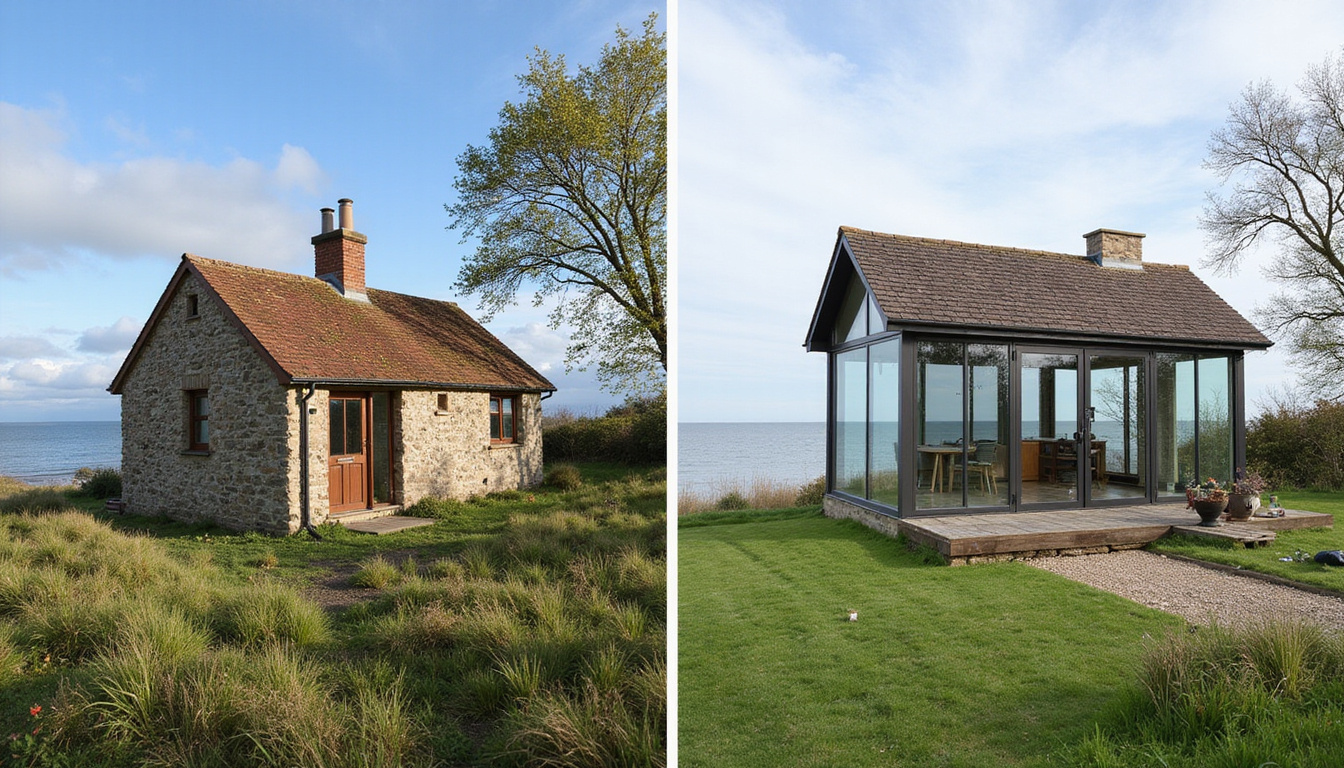
Waterfront renovations are about more than aesthetics; they’re about durability, usability, and monetizing the view.
Priorities: Structure and Protection First
Address these before cosmetic upgrades:
Waterproofing and Drainage
- Roof repairs, modern waterproof membranes, and proper gutters
- Good site drainage to move water away from the foundation
- High-quality sealants around windows and doors
Salt and Moisture Protection
- Corrosion-resistant materials: stainless steel, treated wood, marine-grade hardware
- Anti-rust coatings on metal components
- Moisture-resistant paints and finishes
Windows, Doors & Insulation
- Double- or triple-glazed windows for temperature and noise control
- Storm shutters or impact-resistant glass in exposed areas
- Proper insulation to reduce energy costs and humidity issues
Design to Showcase the Water
Once the structure is secure, design your renovation to maximize the waterfront’s emotional impact and rental appeal.
- Open floor plans that lead the eye to the view
- Expansive windows, sliding glass doors, and balconies
- Seamless indoor-outdoor living spaces: decks, terraces, patios
- Neutral, light color palettes that reflect light and amplify the view
High-ROI Upgrades for Waterfront Homes
The following improvements often generate the best return on investment:
- Outdoor entertainment areas (BBQs, shaded seating, fire pits)
- Upgraded kitchens with water views or breakfast bars facing windows
- Modern bathrooms with spa-like finishes (walk-in showers, soaking tubs)
- Smart home features (digital locks, thermostats, lighting) for remote management
Step 5: Managing Costs and Avoiding Common Mistakes
Waterfront properties can be expensive to maintain if you don’t plan correctly.
Budget Realistically
Include:
- 10–20% contingency on renovation costs (waterfront surprises are common)
- Ongoing maintenance: painting, rust treatment, sealing, landscaping
- Insurance: flood, storm, and property coverage
- Community or HOA fees in resort or compound settings
Mistakes to Avoid
- Underestimating moisture and corrosion damage
- Over-renovating beyond local market ceiling prices
- Ignoring noise or privacy (busy promenades, boat traffic)
- Buying solely for personal taste, with no rental or resale strategy
Step 6: Profit Strategies – How to Turn Water Views into Cash Flow
To profit big from waterfront properties, combine appreciation with smart income strategies.
1. Short-Term Vacation Rentals
Perfect for coastal, resort, or high-tourism waterfront properties.
Pros
- Higher nightly rates
- Flexible personal use
- Strong peak-season income
Cons
- Higher management and cleaning costs
- More wear and tear
- Regulatory risk in some cities
Optimize by:
- Using professional photography and detailed, honest descriptions
- Highlighting unique water access (private beach, dock, pier, direct promenade)
- Providing amenities vacationers expect: strong Wi-Fi, equipped kitchen, outdoor seating
For a real-world feel of living costs and expectations in Egypt’s cities and coastal areas, this video is useful context for potential investors and future residents:
2. Furnished Long-Term Rentals
Ideal for Nile-front apartments or lakefront properties near business hubs and universities.
Benefits:
- Stable monthly income
- Lower turnover and management workload
- Attracts professionals, expats, and retirees who value water views
Focus on:
- Comfort and durability of furnishings
- Reliable utilities (air conditioning, hot water, strong internet)
- Clear contracts and fair, market-based pricing
3. Mixed-Use or Niche Concepts
Some waterfront properties can be repositioned to unlock higher value:
- Boutique guesthouses or bed-and-breakfasts
- Wellness retreats or co-living spaces
- Event or photo-shoot venues if local regulations allow
Always confirm zoning and licensing requirements before committing to niche strategies.
Step 7: Calculating Returns on Waterfront Properties
To ensure you’re truly profiting, run the numbers conservatively.
Core Metrics to Track
Gross Rental Yield
Annual rent ÷ Purchase priceNet Yield / Cash-on-Cash Return
(Net annual income after all expenses) ÷ Total cash investedInternal Rate of Return (IRR)
Longer-term metric incorporating appreciation, income, and timing of cash flows
When analyzing deals, stress-test your assumptions:
- Reduce expected occupancy rates by 10–15%
- Add a maintenance buffer for waterfront-specific issues
- Model both optimistic and conservative exit prices for resale
Simple Checklist Before You Buy
Use this quick list to stay grounded as you evaluate waterfront properties:
- Confirm clear title and water access rights.
- Check flood, erosion, and environmental risks.
- Inspect structure with a waterfront-experienced engineer.
- Understand all local regulations and rental rules.
- Benchmark rental rates and occupancy in the same micro-location.
- Estimate renovation and maintenance with conservative buffers.
- Decide your primary strategy: personal use, rental, resale—or a mix.
- Ensure your financing supports potential seasonal income swings.
FAQ About Investing in Waterfront Properties
1. Are waterfront properties a good investment for beginners?
Waterfront properties can be excellent investments, but they’re less forgiving than standard homes. New investors should start with simpler, lower-maintenance waterfront units—like modern apartments in established coastal or riverfront communities—before tackling older villas or complex renovations.
2. How do I value waterfront real estate compared to non-waterfront homes?
Waterfront real estate is valued with the same fundamentals (size, condition, location), but you add a premium for direct water access, unobstructed views, and scarcity. Compare recent sales of similar waterfront properties in the immediate area rather than using inland homes as a benchmark.
3. What are the main risks with waterfront investment properties?
The main risks with waterfront investment properties include flood and storm damage, higher maintenance from moisture and salt, evolving environmental regulations, and potential tourism slowdowns. Mitigate these with careful location selection, proper insurance, durable materials, and flexible income strategies (e.g., combining short- and long-term rentals).
Waterfront properties can transform both your lifestyle and your financial future. With smart buying, thoughtful renovation, and a clear income strategy, that sea-view or riverfront home can become a powerful wealth-building asset—not just a beautiful place to stay.
If you’re serious about capitalizing on waterfront opportunities—whether along the Nile, the Red Sea, or any prime shoreline—start today. Define your budget, shortlist your target areas, and connect with a local agent and engineer who understand waterfront nuances. The best waterfront properties are limited, and when the right one appears, you’ll want to be fully prepared to act, renovate strategically, and profit big.