

Virtual tours have transformed how we experience culture, art, and history, letting you walk through world‑class museums without leaving your sofa. Whether you’re an art lover, a parent looking for educational content, or a traveler planning your next trip, virtual tours can bring masterpieces and artifacts to your screen in surprisingly immersive ways.
In this guide, you’ll learn what virtual museum tours are, how they work, which top institutions you can explore from home, and how to get the most out of each online visit.
What Are Virtual Tours—and Why Do They Matter?
Virtual tours are digital experiences that simulate walking through a physical space. In the museum world, this often means:
- 360° panoramic views of galleries
- High‑resolution images of artworks and artifacts
- Interactive floor plans and clickable exhibits
- Audio guides, videos, and curators’ commentary
For museums, virtual tours expand access beyond geography, cost, and mobility barriers. For you, they offer a flexible learning tool: you can pause, zoom, revisit exhibits, and explore at your own pace.
Many major institutions adopted robust virtual tours during the COVID‑19 pandemic and have continued to refine them, recognizing their value for global audiences, students, and researchers (source: UNESCO – Museums around the world in the face of COVID‑19).
Types of Virtual Museum Tours
Not all virtual tours are created equal. Understanding the different formats helps you pick the best experience for your interests and tech setup.
1. 360° Walkthroughs
These tours let you “stand” in a gallery and look around in every direction. You can:
- Click arrows or hotspots to move between rooms
- Zoom in on artworks
- Read labels and wall texts
They’re the closest digital equivalent to walking through a museum, often powered by platforms like Google Arts & Culture.
2. Curated Digital Exhibitions
Instead of reproducing the building, curated online exhibitions organize artworks around a theme or story. They may include:
- Narrated videos
- Timelines and maps
- Comparative image tools
- Scholarly essays
These virtual tours are ideal if you prefer guided learning rather than open wandering.
3. Live Virtual Tours and Webinars
Some museums schedule live virtual tours led by guides or curators via Zoom or similar platforms. Features can include:
- Real‑time Q&A
- Close‑up looks at specific objects
- Thematic lectures
These resemble a class or tour group—perfect if you enjoy interaction and structure.
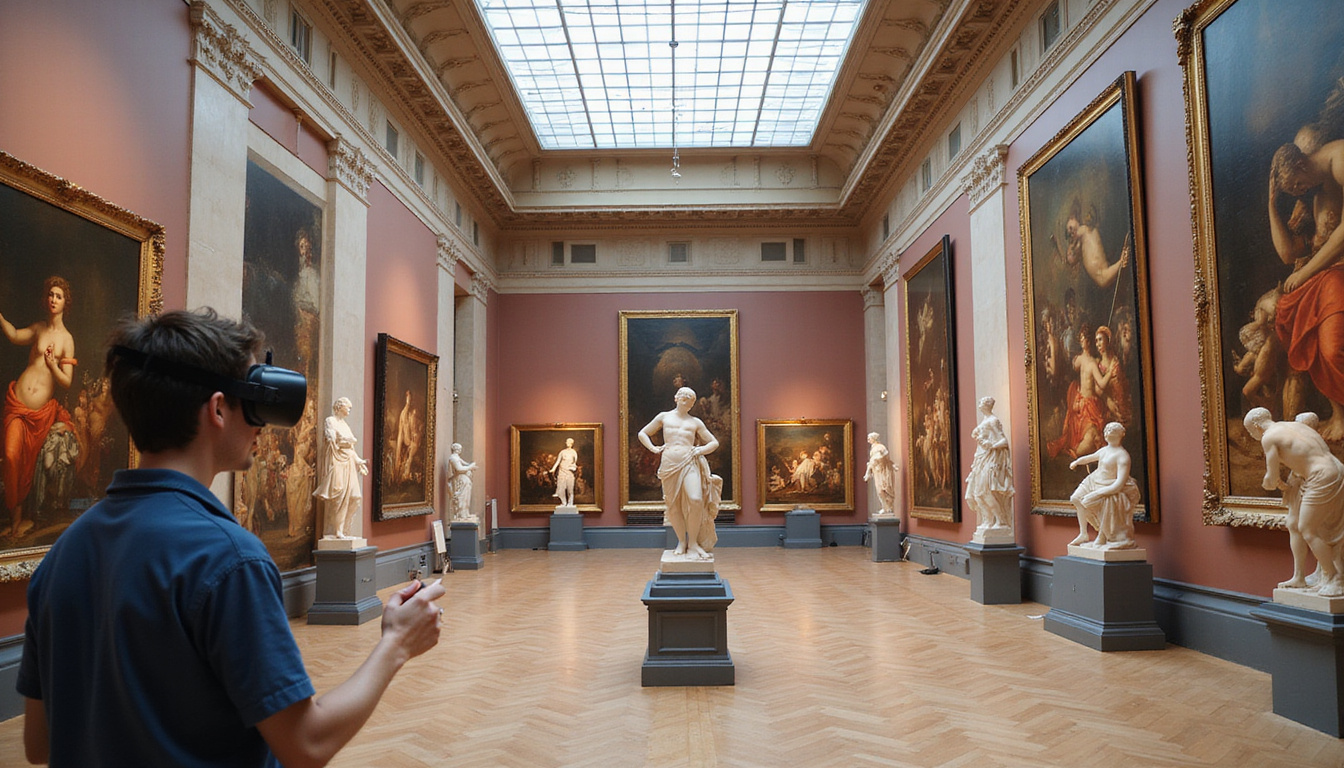
4. Immersive and VR Experiences
With a VR headset, certain museums offer fully immersive virtual tours. Even without a headset, you may find:
- 3D models of artifacts you can rotate
- Reconstructions of historical environments
- Soundscapes and interactive storytelling
These experiences can be especially engaging for children and visual learners.
Top Museums Offering Exceptional Virtual Tours
You could spend months exploring virtual tours from home, but the following institutions are a strong place to start.
The British Museum (London)
The British Museum’s online offerings let you explore human history from the Stone Age to the present:
- An interactive timeline that connects objects by theme and geography
- Zoomable images of star artifacts like the Rosetta Stone and the Parthenon sculptures
- 360° images of iconic spaces such as the Great Court
The intuitive interface makes it easy to follow your curiosity across cultures and eras.
The Louvre (Paris)
The Louvre’s virtual tours let you:
- Wander key spaces like the Egyptian Antiquities galleries
- Zoom into masterpieces in its online collections
- Explore thematic virtual tours such as “From Afar: Travelers’ Views of the East”
You won’t dodge crowds to see the Mona Lisa here, but you can discover countless lesser‑known works you might miss in person.
The Metropolitan Museum of Art (New York)
The Met provides multiple ways to experience its collection virtually:
- 360° videos that place you inside iconic spaces like the Temple of Dendur
- The Met 360° Project, offering cinematic, slow‑paced virtual tours
- Rich online collection pages with essays, high‑res images, and audio
If you like depth—digging into history, techniques, and conservation stories—the Met’s online resources are particularly strong.
The Vatican Museums (Vatican City)
The Vatican’s virtual tours include:
- 360° views of the Sistine Chapel, Raphael Rooms, and other key spaces
- The ability to zoom into ceiling frescoes and wall paintings
- Quiet, uninterrupted time with details almost impossible to see in the crowded physical space
These tours are ideal for those interested in Renaissance art, religious history, or architecture.
The Smithsonian National Museum of Natural History (Washington, D.C.)
The Smithsonian’s virtual tours are highly interactive and great for families:
- Self‑guided, room‑by‑room tours of permanent and past exhibitions
- 360° views of dinosaur halls, geology galleries, and more
- Clickable exhibits that display labels and extra information
Because the interface mirrors a floor plan, you can easily “walk” through the museum, double back, and explore every nook.
How to Get the Most Out of Virtual Tours
Treat virtual tours as more than just casual browsing, and you’ll have a richer, more memorable experience.
Set an Intention Before You Start
Decide what you want from a tour:
- To relax and browse casually
- To study a specific period, artist, or topic
- To gather resources for schoolwork or teaching
- To plan a future in‑person visit
A simple goal helps you choose the right museum and format.
Create a Distraction‑Free Viewing Setup
You’ll appreciate virtual tours more with:
- A larger screen (laptop, monitor, or smart TV) instead of a phone
- Headphones for audio guides or ambient museum sounds
- A comfortable chair and dimmed lights to mimic a cinema or gallery feel
If you’re viewing with family or a class, casting the screen to a TV or projector works well.
Use All the Tools Each Tour Offers
Many people click around quickly and miss powerful features. During virtual tours, look for:
- “Information” or “Details” buttons on artworks
- Zoom tools—go closer than you would in person
- Audio clips, videos, and curator commentary
- Search bars and filters by artist, date, style, or region
These extras often turn a simple view into an in‑depth learning session.
Take Notes and Save Favorites
If you plan to revisit or learn systematically:
- Bookmark objects or pages in your browser
- Keep a digital note with titles, artists, and thoughts
- Take screenshots (when allowed) for personal reference
Over time, you’ll build a personal “digital museum” of pieces that resonate with you.
Using Virtual Tours for Learning, Work, and Family Time
Virtual tours are more than solo entertainment—they can fit many parts of your life.
For Students and Lifelong Learners
- Supplement history, art, or literature classes with primary visual sources
- Practice visual analysis and critical thinking by describing what you see
- Compare how different cultures depict similar themes (e.g., power, nature, religion)
Teachers can assign specific virtual tours and have students present on a single artifact or gallery.
For Professionals and Creatives
Designers, writers, and artists can use virtual tours to:
- Build mood boards based on historical styles
- Study composition, color, and technique in high resolution
- Spark ideas from diverse cultures and time periods
Because virtual tours are available 24/7, they’re a flexible inspiration resource.
For Families and Kids
Virtual tours can be turned into interactive, screen‑time‑worthy activities:
- “Treasure hunts” to find certain objects or animals
- Storytelling games where kids invent tales about a painting or artifact
- “Museum nights” where each family member chooses a room or object to present
Pair a short virtual tour with a related craft or book for a complete themed learning session.
If you’re considering relocating or visiting a culture‑rich destination, pairing museum virtual tours with personal experiences can help set expectations. For instance, this video, “Things I Wish I Knew Before Moving to Egypt – My Honest Experience” offers real‑world context on living in a history‑dense country:
Pros and Cons of Virtual Tours Compared to In‑Person Visits
Virtual tours are powerful, but they’re not identical to walking through a museum.
Advantages
- Accessible from anywhere, often free
- No crowds, no lines, no travel costs
- Close‑up zoom on details and labels
- Flexible pacing and the ability to revisit at any time
- Great for people with limited mobility or time
Limitations
- Lack of physical scale and presence of objects
- Screen fatigue during long sessions
- Limited social interaction compared to group visits
- Some galleries or works may not be digitized
Most culture lovers find that virtual tours complement, rather than replace, in‑person visits. You can use them to decide where to travel, prepare for a trip, or revisit a favorite exhibition after you’ve seen it on site.
Quick Checklist: How to Start Exploring Virtual Tours Today
Use this simple checklist to turn intention into action:
- Choose one museum you’ve always wanted to visit.
- Find its official website and look for “Virtual Tour,” “Online Collection,” or “Digital Exhibitions.”
- Pick a single gallery or theme to start—don’t try to see everything at once.
- Set aside 30–45 minutes of focused time.
- Use headphones, maximize your browser, and slow your pace.
- Note or bookmark 3–5 artworks or objects that stood out.
- Follow up with a short article, video, or book chapter on your favorite piece.
Repeat this process weekly, and you’ll build a surprisingly deep cultural education from home.
FAQ About Virtual Tours of Museums
Are virtual tours of museums really free?
Many museum virtual tours are completely free, especially basic 360° walkthroughs and online collections. Some institutions charge for premium virtual tours, live guided sessions, or special exhibitions, but the majority of introductory content is accessible at no cost.
What equipment do I need for the best virtual museum tours?
You can experience most virtual tours with just a smartphone and internet connection. For better immersion, use a laptop or desktop with a larger screen, stable broadband, and headphones. VR headsets are only necessary for specific virtual reality experiences and are not required for standard 360° tours.
Can virtual tours replace visiting museums in person?
Virtual tours are excellent for learning, planning travel, and revisiting favorite works, but they don’t fully replace seeing art and artifacts in person. Think of them as complementary experiences: virtual tours give you flexibility and detail; in‑person visits give you scale, atmosphere, and the emotional impact of being physically present with the objects.
Explore the World from Your Living Room
You no longer need a plane ticket or a full day off to walk through legendary galleries and archaeological halls. With today’s virtual tours, you can explore the British Museum before breakfast, the Louvre at lunch, and the Smithsonian after dinner—all without leaving home.
If you’re curious about art, history, or world cultures, don’t wait for “someday” to visit these places. Pick one museum, open its virtual tour, and give yourself 30 focused minutes. From there, build a habit—weekly or even daily—of exploring a new gallery or exhibition.
Over time, these virtual tours will broaden your knowledge, fuel your creativity, and help you plan richer, more meaningful real‑world trips when you’re ready. Open your first virtual tour today and start turning your screen into a window on the world’s greatest museums.