
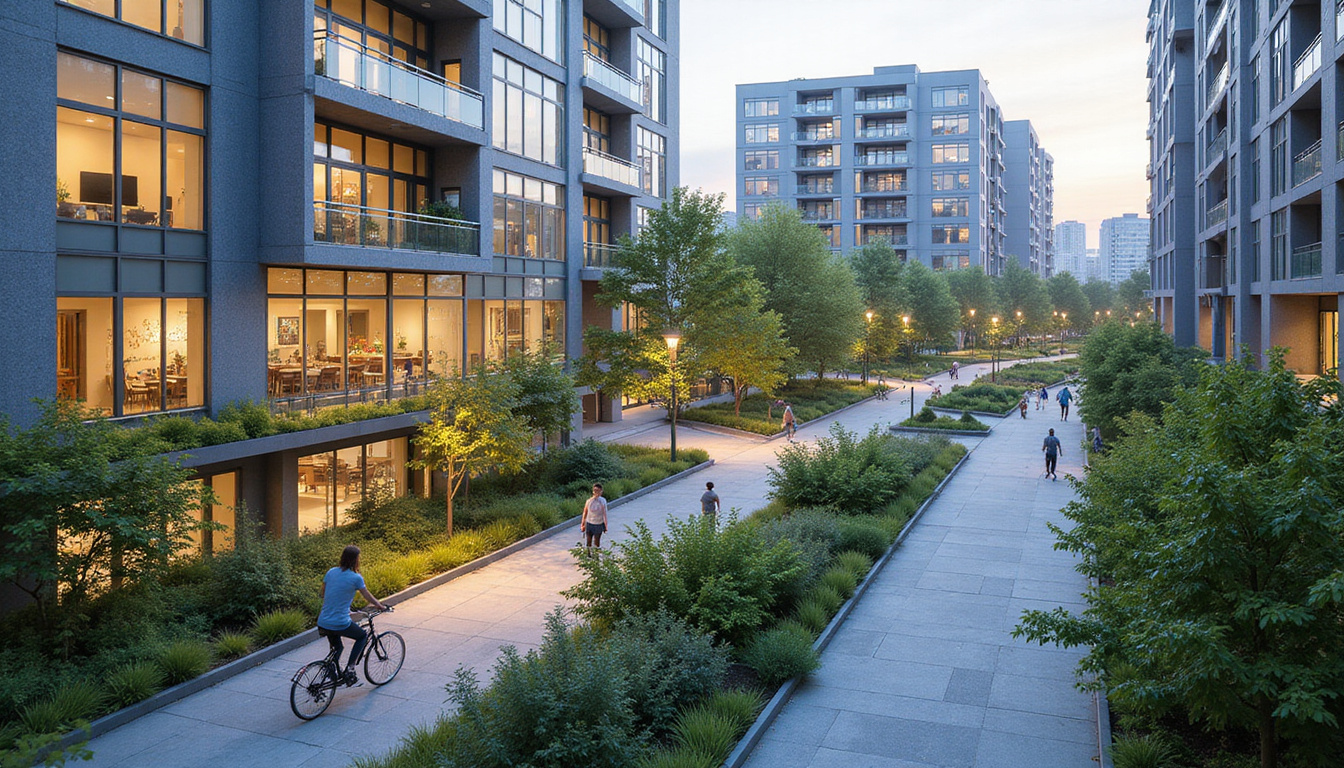
New Developments Transforming Urban Living: What Homebuyers Need to Know
New developments are reshaping how people live, work, and invest in cities across the globe, and Egypt is no exception. From New Cairo and the New Administrative Capital to coastal communities on the North Coast and the Red Sea, modern projects are redefining what “home” looks like. If you’re a homebuyer or investor, understanding how these new developments work—and what to look out for—can help you secure a property that fits your lifestyle, budget, and long‑term goals.
How New Developments Are Redefining Urban Living in Egypt
Urban life in Egypt has long centered around Greater Cairo and Alexandria. But congestion, aging infrastructure, and limited green space have accelerated the push toward master‑planned communities and satellite cities.
Modern new developments now tend to feature:
- Integrated residential, commercial, and office zones
- Gated communities with increased security
- Green spaces, clubhouses, and community centers
- Better infrastructure and utilities
- Smart technologies for energy and water management
These projects are especially prominent in:
- New Cairo and Fifth Settlement
- New Administrative Capital (NAC)
- October and Sheikh Zayed
- New Alamein and North Coast
- Ain Sokhna, Gouna, and other Red Sea hubs
For buyers, these locations offer an alternative to older, denser districts, often with more organized planning, reliable services, and long‑term capital appreciation potential.
Key Features to Look for in New Developments
When evaluating new developments in Egypt, focus on more than just the apartment layout or villa façade. The real value lies in the master plan and long‑term livability.
1. Master Planning and Community Design
A well‑designed master plan can determine your daily quality of life. Look for:
- Zoning balance: Residential areas should be supported by nearby schools, clinics, retail, and office zones.
- Traffic flow: Internal roads, access points, and parking layouts matter. Poor planning can lead to congestion similar to older districts.
- Green and open areas: Parks, walking paths, and landscaped gardens enhance livability and property value.
- Noise separation: Smart positioning of commercial streets away from quiet residential clusters.
Ask for the full master plan, not just the building you’re buying in. This helps you understand what will be built around you in 5–10 years.
2. Infrastructure and Connectivity
Infrastructure is one of the biggest advantages of reputable new developments in Egypt.
Consider:
- Road access: Proximity to ring roads, main arterials, and public transportation. For example, how quickly can you reach central Cairo or major employment hubs?
- Utilities: Stable water, electricity, and sewage networks are crucial. Some projects also offer backup generators, water tanks, and fiber‑optic internet.
- Future transit links: In the New Administrative Capital and its corridor, future monorail and bus networks are planned (source: Egypt’s Ministry of Transport).
Strong connectivity doesn’t just make daily life easier—it’s also a major driver of rental demand and resale value.
3. Lifestyle Amenities and Services
Modern urban living is increasingly about convenience and lifestyle. Many new developments now integrate:
- Clubhouses and sports facilities
- Swimming pools and gyms
- Shopping promenades and cafés
- International schools and nurseries
- Medical centers and pharmacies
- Co‑working spaces and business hubs
Evaluate the difference between promised amenities and those already delivered. On‑ground reality is one of the best indicators of the developer’s seriousness and financial capacity.
Financial Considerations: Prices, Payment Plans, and Investment Value
New developments often come with attractive payment structures, but you need to look beyond the marketing flyers.
1. Launch Prices vs. Mature Prices
Many projects follow a typical price curve:
- Pre‑launch / Early phases: Lowest prices, highest risk (more reliance on promises and plans).
- Mid‑construction: Prices increase as infrastructure and buildings rise.
- Near-delivery / Post-delivery: Highest prices, lowest risk, but limited unit selection.
If you’re comfortable with some risk and have time to wait, buying earlier phases of strong new developments can provide solid capital gains as the project matures.
2. Payment Plans and Hidden Costs
Most Egyptian developers now offer extended payment plans, such as:
- 10–15% down payment
- Installments over 5–10+ years
- Sometimes delivery after only a portion of the price is paid
Before committing, examine:
- Total cost per square meter versus ready properties
- Maintenance and service charges
- Parking fees
- Extra finishing costs if units are semi‑finished
- Penalties for late payments or early settlement
A longer payment plan isn’t automatically “cheaper” if the base price per meter is significantly higher.
3. Rental and Resale Potential
For investors and end‑users alike, it’s worth thinking ahead:
- Rental demand: Is the area popular with expats, students, or professionals?
- Expected yield: Compare anticipated annual rent to your total purchase cost.
- Exit strategy: How easy is it to resell units in similar new developments in that area? What are current secondary market prices?
Watching real experiences, such as “Things I Wish I Knew Before Moving to Egypt – My Honest Experience” on YouTube (
can also give insight into which neighborhoods and community types are more attractive to newcomers—and, therefore, to renters.

Developer Reputation and Legal Due Diligence
The same building, with the same finishing, can be a smart purchase or a problem—depending on the developer behind it.
1. Evaluating the Developer
Research:
- Track record: Completed projects, delivery history, and quality of finishing
- Delays and disputes: Talk to residents in previous compounds or search online for legal cases and complaints
- Financial strength: Large developers with multiple successful projects are usually lower risk
Visiting previous compounds delivered by the same company is one of the most reliable ways to anticipate what you’ll get.
2. Understanding the Legal Framework
In Egypt, new developments typically involve:
- Land ownership: Confirm whether the developer holds registered title or allocation from a state body like NUCA (New Urban Communities Authority).
- Building licenses and approvals: Ask to see permits and zoning approvals.
- Contracts: Make sure your contract clearly specifies:
- Unit size (net vs. gross area)
- Delivery date and penalties for delay
- Finishing specifications
- Payment schedule and conditions for cancellation
- Maintenance responsibilities and fees
Whenever possible, consult a real estate lawyer who is familiar with Egyptian property law, especially if you’re an expat buyer.
New Developments vs. Resale Properties: Which Is Better?
The choice between buying into new developments or opting for a resale property in an established area depends on your priorities.
Advantages of New Developments
- Modern design and layouts
- New infrastructure and utilities
- Amenities and integrated services
- Flexible payment plans
- Better security and gated environments
Advantages of Resale / Older Areas
- Central locations closer to historic city centers
- Immediate occupancy with no construction delay
- Established communities and proven rental demand
- Potential for renovation and “value‑add” improvements
If you value lifestyle, future appreciation, and modern infrastructure, new developments may be the better route. If you need to move in immediately or prefer dense urban life with easy access to heritage districts and older markets, resale might suit you more.
Practical Checklist for Evaluating New Developments
Use this quick list when comparing projects:
Location & Access
- Distance to your workplace or children’s school
- Road connections and future transit links
Developer & Track Record
- Previous delivered projects
- Quality of finishing and adherence to timelines
Master Plan
- Road network, green spaces, and density
- Proximity to noisy commercial or traffic areas
Unit Details
- Actual usable area vs. advertised area
- Floor plan efficiency and orientation (sun, wind, views)
Amenities & Services
- Confirmed, delivered facilities vs. future promises
- Maintenance structure and ongoing fees
Financials
- Price per square meter vs. comparable projects
- Payment plan, interest, hidden charges
- Expected rental yield or future resale price
Legal & Documentation
- Land ownership proof
- Building permits
- Clear, detailed contract terms
Living in New Egyptian Communities: Daily Life Considerations
Beyond investment metrics, think about how your life will actually look inside these new developments.
- Commute times: Some satellite cities offer fantastic living environments but add 30–60 minutes to your commute each way.
- Social life: New compounds can feel quieter and more secluded compared to central districts. Decide if that suits your personality.
- Services still “under construction”: Early residents often live with ongoing construction, limited retail, and incomplete amenities for a few years.
- Children and schooling: Many major new developments host international and language schools, but confirm seat availability and tuition ranges before buying.
- Cost of living: In some premium gated communities, daily expenses (cafés, supermarkets, services) can be higher than in older neighborhoods.
Balancing these lifestyle factors with your financial and investment goals helps ensure you don’t just buy a “good property on paper” but a home that fits your real life.
FAQ About New Developments and Buying Property
1. Are new developments in Egypt a good investment for 2025 and beyond?
Many new developments, especially in strategic locations like New Cairo, Sheikh Zayed, and the New Administrative Capital, have shown steady appreciation as infrastructure and services improve. As long as you choose reputable developers, realistic payment plans, and areas with strong long‑term demand, they can be a solid medium‑ to long‑term investment.
2. What should I watch out for when buying off‑plan in new housing projects?
When buying in off‑plan new housing developments, focus on the developer’s track record, delivery dates, and contract terms. Visit previous compounds, verify permits, and ensure the contract includes detailed finishing specs, penalties for delayed delivery, and clear maintenance fees. Avoid over‑stretching your budget based solely on extended payment plans.
3. Can foreigners buy in new residential developments in Egypt?
Yes, foreigners can purchase in many new residential developments, though there are specific regulations regarding the number of properties, land size, and resale timelines in some cases. It’s crucial to work with a reputable agent, verify the legal status of the project, and consult a lawyer familiar with regulations for non‑Egyptian buyers.
Make Your Move: Turn New Developments into Your Advantage
New developments are more than just shiny buildings; they’re a chance to step into a new standard of urban living in Egypt—one with better planning, improved infrastructure, and lifestyle‑driven design. Whether you’re a first‑time homebuyer seeking a family‑friendly community, an expat exploring the market, or an investor targeting future growth corridors, the opportunities are significant if you choose wisely.
Start by shortlisting a few promising areas and projects, then visit them in person. Walk the streets, talk to residents, and compare what the brochure promises with reality on the ground. With careful research into location, developer, legal status, and long‑term potential, you can secure a home in one of Egypt’s new developments that not only looks great today but grows in value and livability for years to come.