
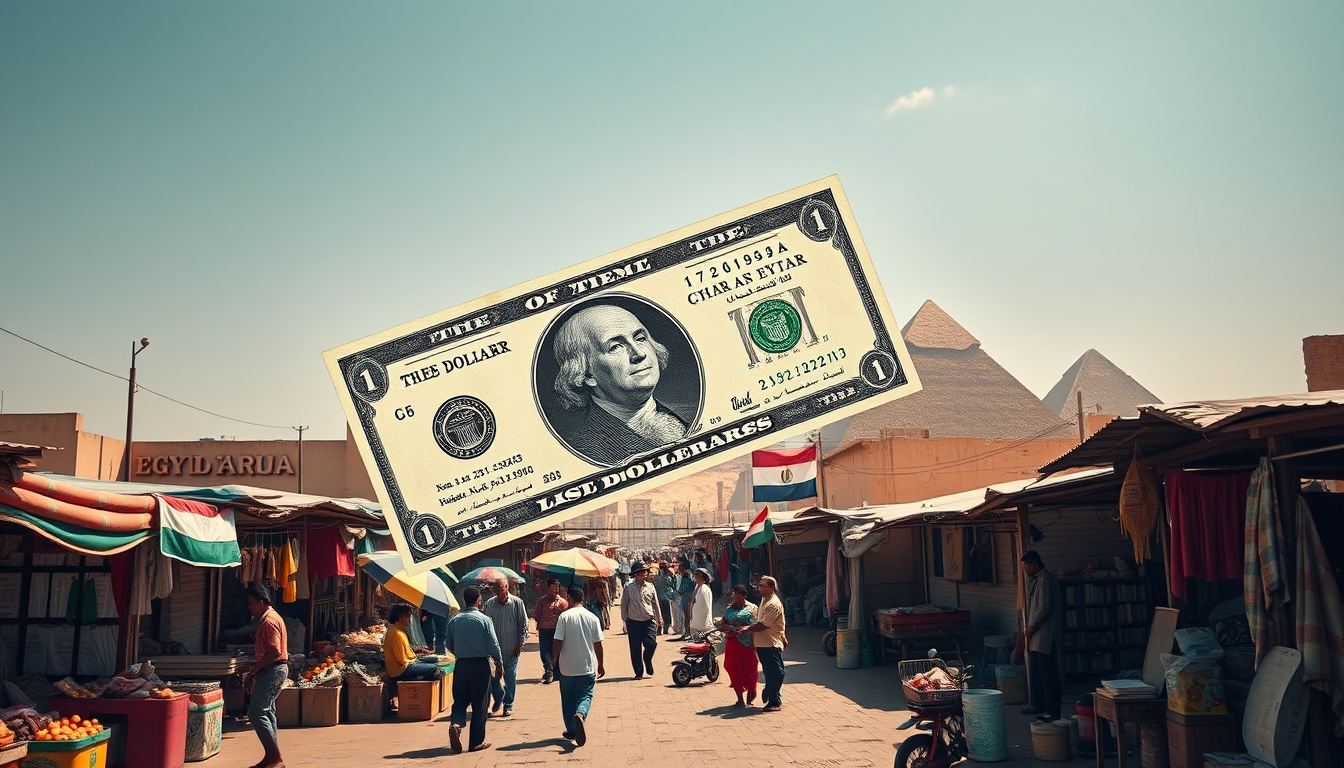
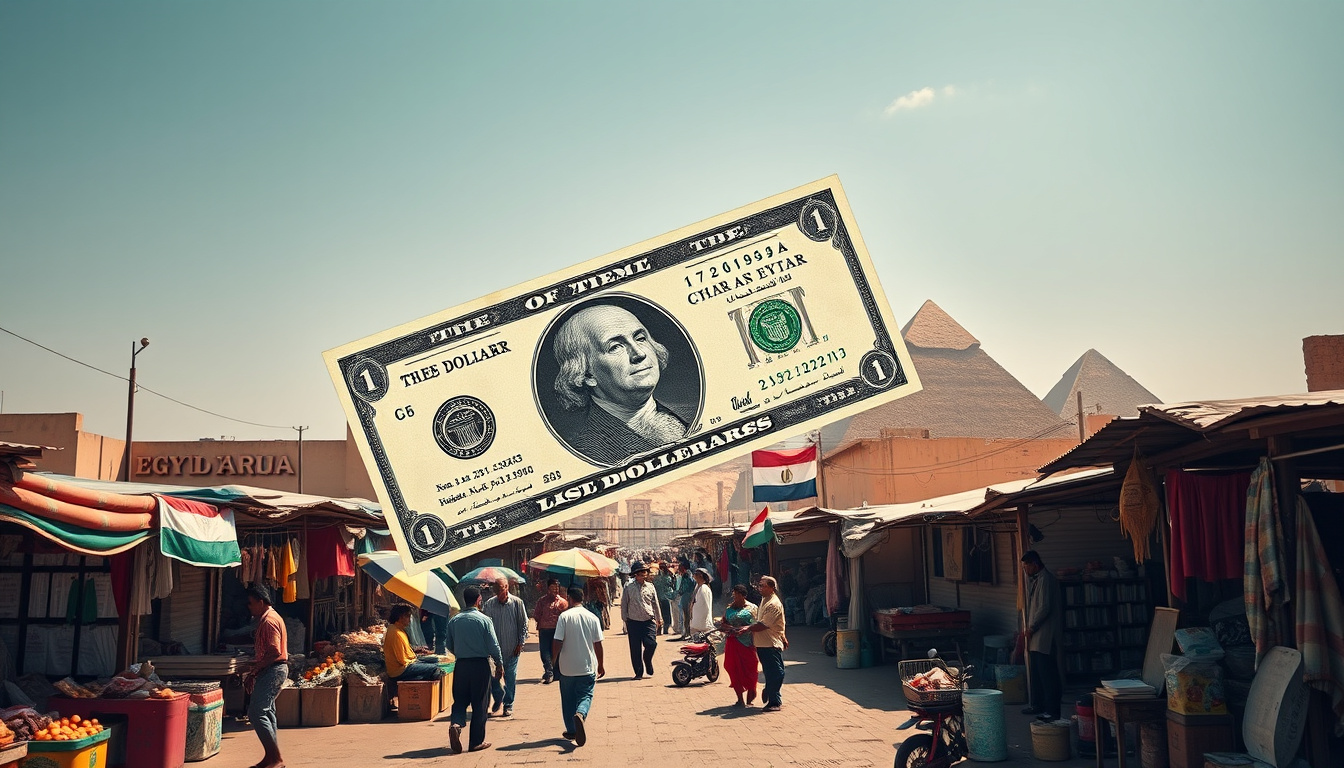
On October 22, 2026, the US dollar achieved a historic high against the Egyptian pound, surpassing EGP 55 for the first time.
This significant milestone prompted discussions about its implications for the Egyptian economy, particularly regarding inflation, living costs, and government interventions.
As various Egyptian banks reported selling rates ranging from EGP
55.33 to EGP
55.37, the financial landscape for everyday Egyptians seemingly became more complex.
Understanding this exchange rate surge is crucial not only for economic experts but also for ordinary citizens navigating an evolving marketplace.
In this article, we will delve into the factors behind the dollar’s rise, examine its impact on inflation and cost of living, explore government measures in response, and provide insights into the future economic outlook for Egypt.
Key Takeaways
- The US dollar’s historic high of EGP 55 significantly impacts inflation and the cost of living in Egypt.
- The depreciation of the Egyptian pound by
13.8% highlights ongoing economic challenges in the country. - Egypt’s transition to a flexible exchange rate system is a crucial part of broader reforms supported by the IMF.
Impact of the Dollar Surge on Inflation and Cost of Living
The recent surge of the US dollar, which reached unprecedented levels against the Egyptian pound, signifies a pivotal moment in Egypt’s economic landscape.
On October 22, 2026, the dollar surpassed EGP 55 for the first time, with notable selling rates observed across various banks.
For instance, the National Bank of Egypt and Banque du Caire reported rates of EGP
55.35, while Al Baraka Bank recorded the highest at EGP
55.37.
This increase of approximately EGP
0.90 to EGP
0.92 in the dollar’s rate at multiple banks reflects broader economic pressures and highlights the volatility of currency markets.
The rise in the dollar’s value comes on the heels of a significant depreciation of the Egyptian pound, which has plummeted by
13.8% since February 2026, when the exchange rate stood at EGP
47.72.
This decline poses serious implications for inflation and the overall cost of living in Egypt, as imported goods become more expensive, putting financial strain on households and businesses alike.
In response to these challenges, Egypt had previously shifted to a flexible exchange rate system on March 6, 2024, a strategic move aimed at curbing foreign currency shortages and enhancing the resilience of its economy.
This policy allowed market dynamics to dictate currency values and was complemented by a substantial increase in key interest rates—600 basis points—designed to attract foreign investment and stabilize the financial climate.
Supported by the International Monetary Fund (IMF), these economic reforms continue to play a crucial role in navigating the effects of the dollar’s surge on inflation and living costs.
Government Measures and Future Economic Outlook
The implications of the recent drop in the value of the Egyptian pound are multifaceted, impacting everything from consumer prices to investment sentiment.
With the dollar reaching a historic high, many economists believe that the ripple effects will extend beyond short-term fluctuations in the currency market.
Higher exchange rates are expected to exacerbate inflation, particularly for essential goods and services.
This situation has stimulated discussions among policymakers about the necessity for further measures to ensure economic stability.
For instance, while the shift to a flexible exchange rate system has been pivotal, ongoing adjustments in fiscal and monetary policies may be required to mitigate the adverse effects of dollar demand on local finances.
Furthermore, as Egypt continues to navigate these turbulent waters, the focus will increasingly turn to bolstering local production, enhancing export capacities, and fostering a more sustainable economic environment that promotes both growth and resilience.