
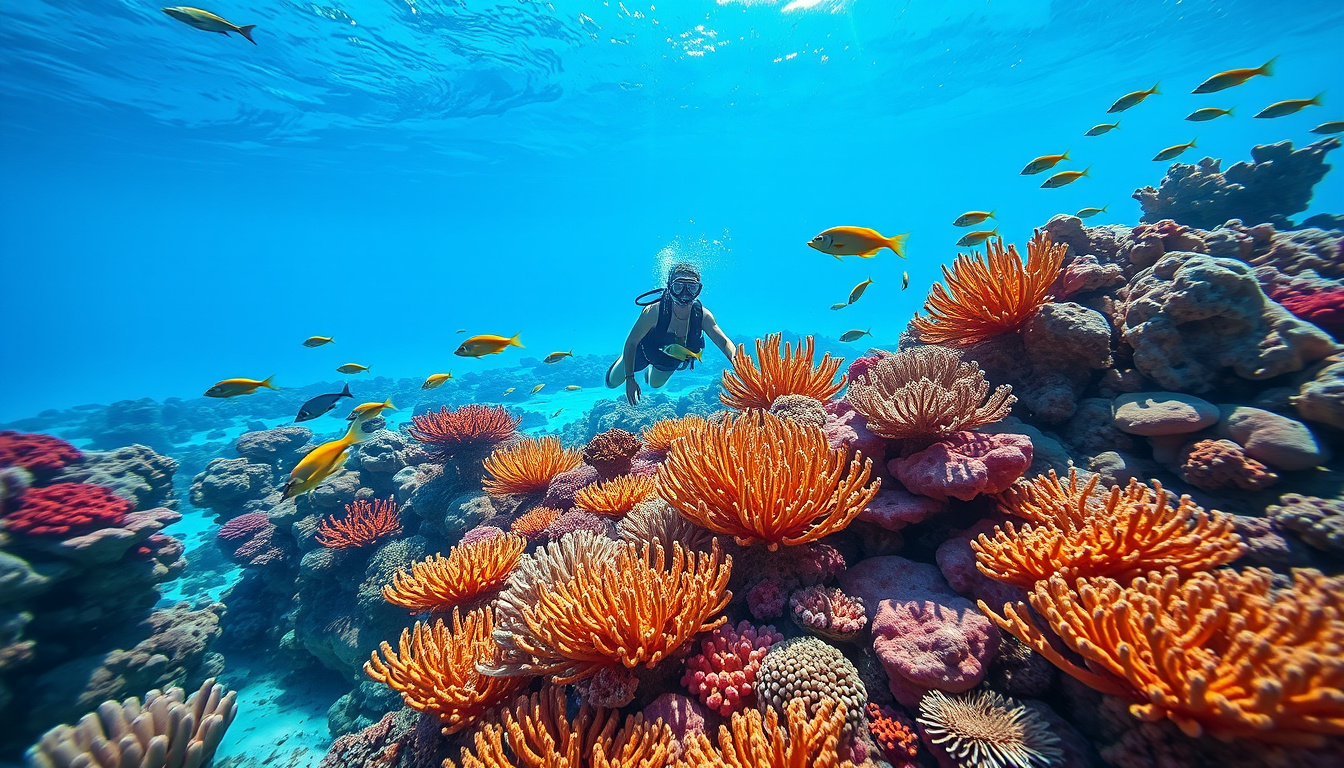
If you’re seeking an adventure that immerses you in a vibrant underwater world, look no further than Egypt’s Red Sea.
Home to some of the most stunning snorkeling spots on the planet, the Red Sea offers crystal-clear waters teeming with an extraordinary diversity of marine life.
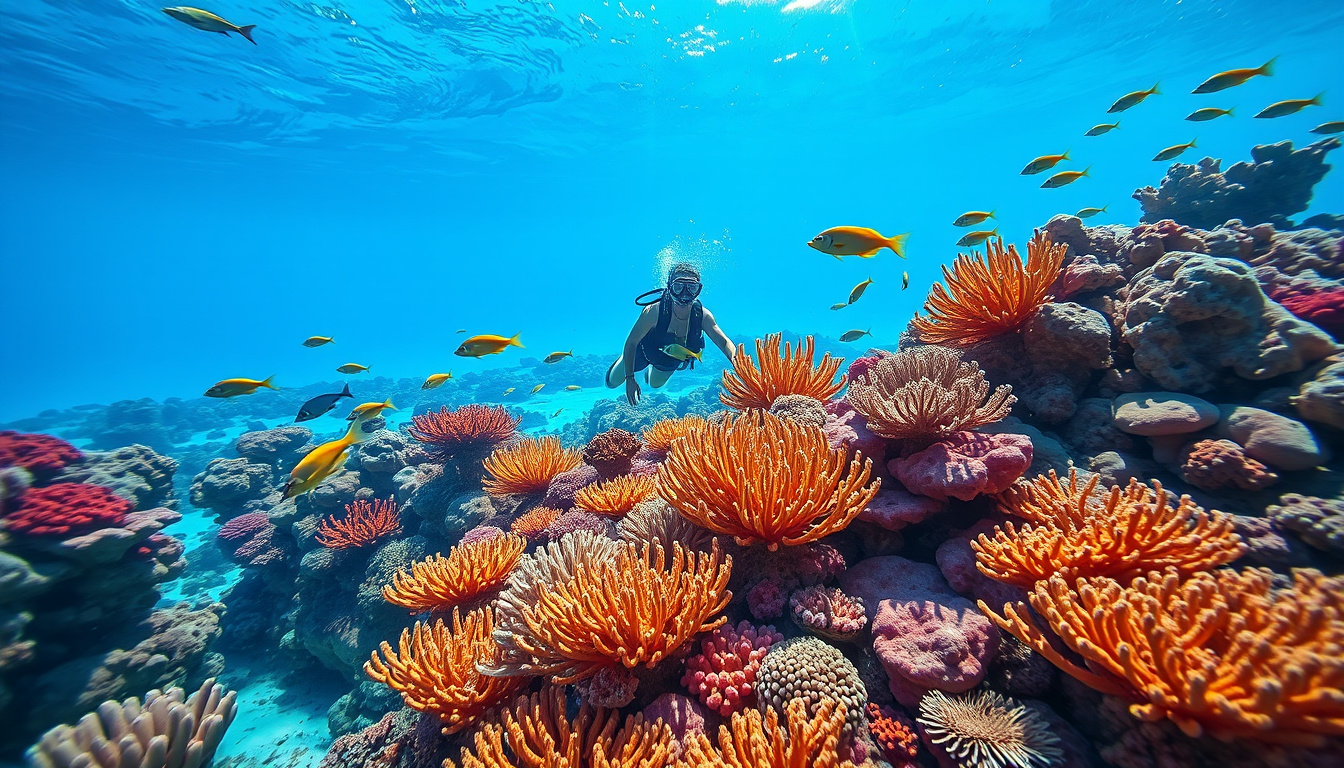
With approximately 200 species of reef-building corals and over 1,000 species of fish—including many endemic to the region—snorkelers can experience a kaleidoscope of color and life just beneath the surface.
The accessibility of these snorkeling locations, often achievable right from the shore, empowers adventurers of all skill levels to enjoy the majestic beauty of the sea.
In this article, we’ll delve into the top snorkeling destinations in Egypt’s Red Sea and share essential tips for responsible snorkeling.
Key Takeaways
- Egypt’s Red Sea offers exceptional snorkeling with over 200 coral species and 1,000 fish species.
- Key snorkeling spots include Ras Mohammed, Sharm El-Sheikh, and Abu Dabbab Bay, accessible to all levels.
- Visitors should engage in responsible snorkeling practices to protect the delicate marine ecosystem.
1. Top Snorkeling Destinations in Egypt’s Red Sea
###
1.
Top Snorkeling Destinations in Egypt’s Red Sea
For snorkelers seeking a breathtaking underwater experience, Egypt’s Red Sea stands out as a premier destination, renowned for its unparalleled clarity and vibrant marine ecosystems.
With over 200 species of reef-building corals and more than 1,000 unique fish species, the Red Sea is an underwater paradise with visibility often exceeding 30 meters.
This makes it an ideal location for adventurers of all skill levels, as many of its stunning reefs are accessible directly from the shore, eliminating the need for boats or dive certifications.
Ras Mohammed National Park, the first marine park in Egypt, is a must-visit site, celebrated for its dazzling coral formations and diverse marine life.
Accessible by boat from Sharm El-Sheikh, it’s a hotspot for vibrant underwater explorations.
Equally impressive, Sharm El-Sheikh itself features several prominent reef sites like Ras Katy and Temple Reef, both of which are easily reachable from the beach, making them perfect for casual snorkelers.
Snorkelers should not miss Sataya Reef, famed for its playful resident spinner dolphins and serene lagoons, providing a joyful atmosphere perfect for families.
Abu Dabbab Bay invites visitors to encounter sea turtles and the elusive dugong in its sandy expanses.
For a family-friendly option, the Giftun Islands near Hurghada present crystal-clear waters and user-friendly reefs suited for all snorkelers.
Lastly, the legendary Blue Hole in Dahab, known for its remarkable underwater sinkhole, offers a unique snorkeling experience that’s hard to rival.
The best times to snorkel in the Red Sea are year-round, thanks to its consistent water temperatures and exceptional visibility.
Nevertheless, it’s crucial to be mindful of the fragile ecosystems; visitors are encouraged to respect marine life and opt for eco-friendly tour operators to help preserve this breathtaking environment.
The Red Sea is indeed a treasure trove of biodiversity and an accessible haven for snorkelers worldwide.
2. Best Practices for Responsible Snorkeling
Responsible snorkeling not only enhances your experience but also plays a critical role in preserving the vibrant ecosystems of the Red Sea.
First, it is essential to familiarize yourself with local marine life and coral systems before diving in.
For instance, many coral species are sensitive to contact, so maintaining a safe distance and avoiding contact with the reef is crucial.
Second, using reef-safe sunscreen is imperative; traditional sunscreens contain chemicals that can harm marine life, but reef-friendly options protect both your skin and the underwater environment.
Third, always adhere to guiding instructions and stick to designated snorkeling areas to minimize your impact.
Finally, consider taking part in educational programs offered by local operators, which not only enrich your snorkeling adventure but also promote conservation efforts in the region.
By following these best practices, you can enjoy the breathtaking beauty of Egypt’s Red Sea while helping to ensure its health for generations to come.