
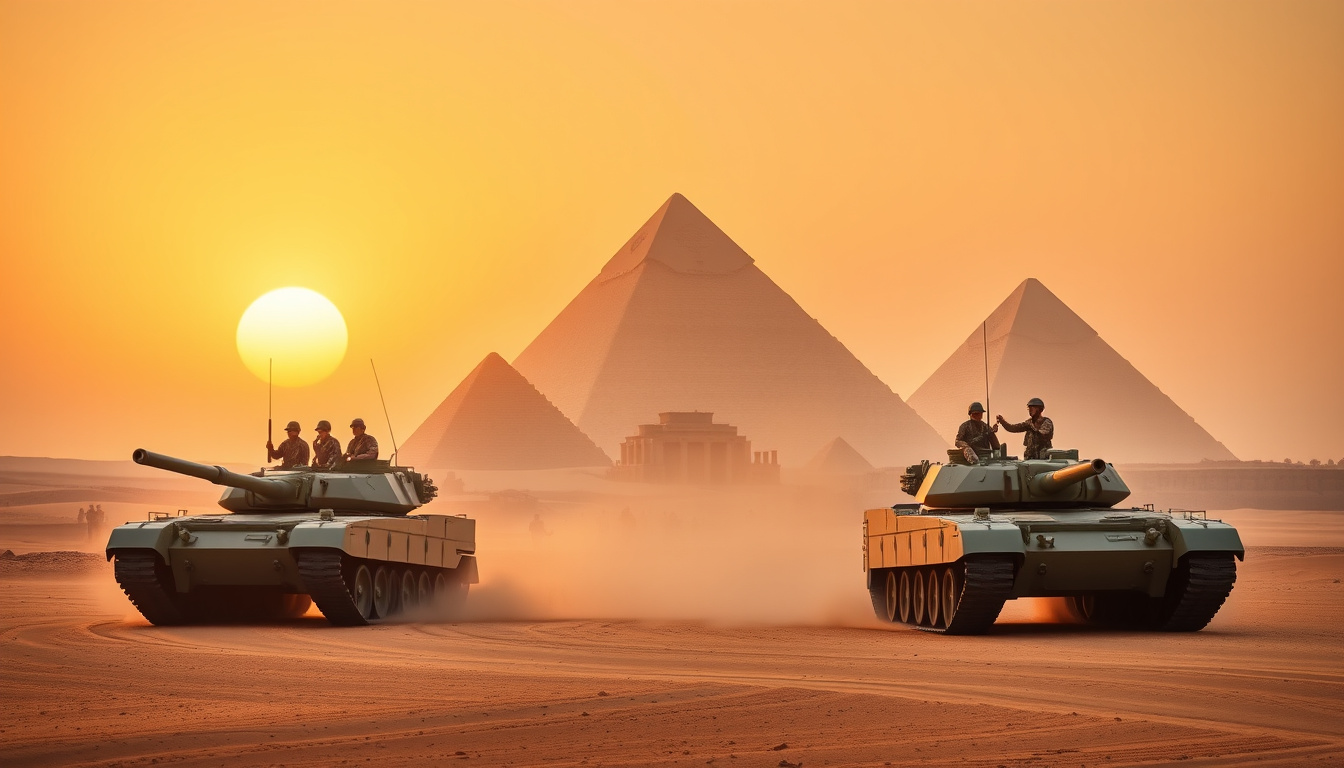
In recent developments concerning Egypt’s military infrastructure, President Abdel Fattah Al-Sisi has issued Decree No.
395 of 2026, which authorizes both the Defence Minister and the Minister of Military Production to wield specific powers typically reserved for the President under the nation’s conscription and general mobilization law.
Commencing on November 1, 2026, this delegation of authority, set to last one year, has raised various questions regarding its implications within the context of Egypt’s national security and military readiness.
To provide clarity, this article will explore the details of Decree No.
395, alongside an examination of the crucial role military mobilization plays in Egypt’s defense strategy.
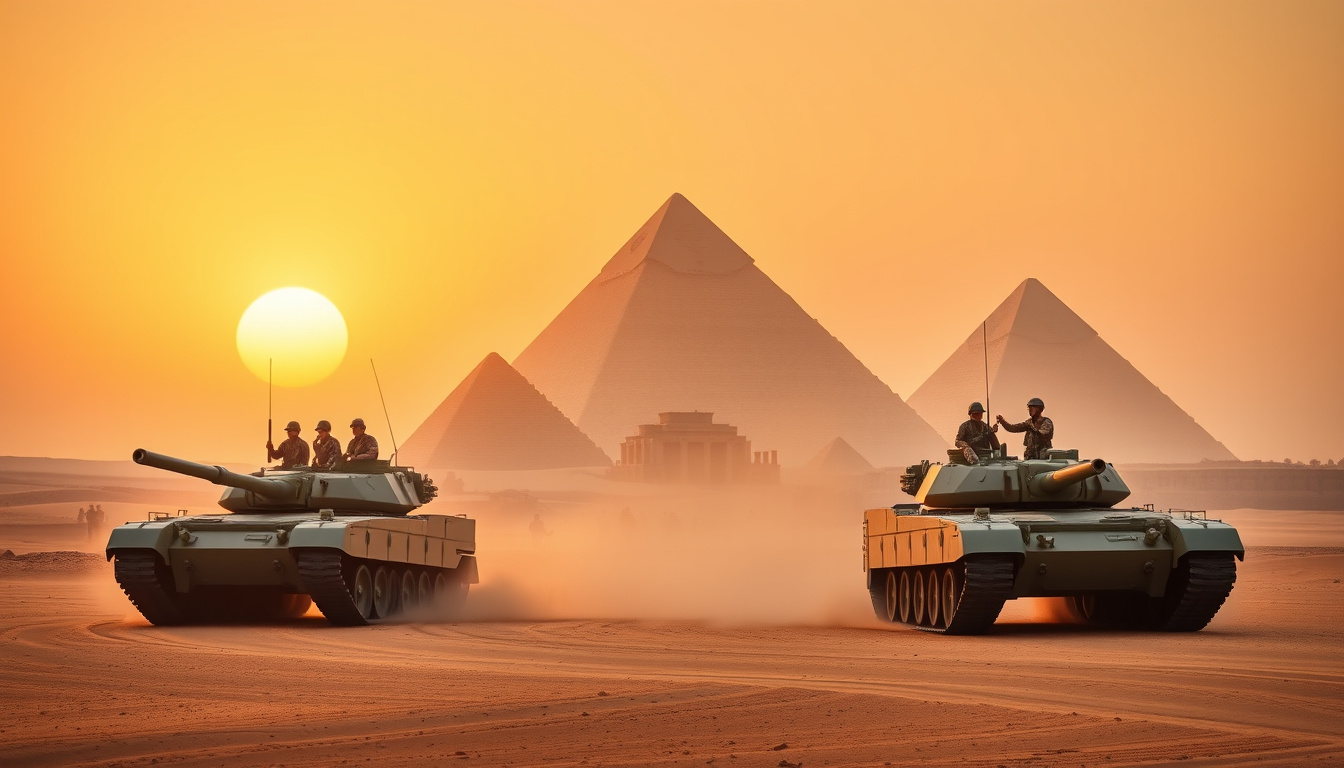
Key Takeaways
- President Al-Sisi’s decree allows delegation of powers for military mobilization for one year starting November 1,
2026. - The decree is a standard administrative procedure related to the appointment of a new Defence Minister.
- Military mobilization is crucial for maintaining military readiness and conducting training during peacetime.
Overview of Decree No. 395 of 2026
In a significant move for Egypt’s military and defense operations, President Abdel Fattah Al-Sisi has issued Decree No.
395 of 2026, which empowers both the Defence Minister and the Minister of Military Production to carry out specific presidential functions.
This decree becomes effective from November 1, 2026, and will remain in force for one year.
Notable military analyst Lieutenant General Mohamed El-Ghabary, formerly the director of the National Defence College, described this action as a standard legal and administrative procedure typical when a new Defence Minister is appointed, indicating that it does not signal an impending crisis or emergency.
The powers delegated under this decree are primarily associated with general mobilization responsibilities, delineated in Articles 9, 12, and 24 of Law No.
87 of
1960.
With a focus on maintaining military readiness, El-Ghabary elaborated on the necessity of general mobilization, confirming its critical role in sustaining the military’s effectiveness during peacetime by facilitating necessary training and military exercises.
This procedural delegation aims to ensure that the Ministry of Defence can respond effectively to various challenges while maintaining operational continuity.
The Role and Importance of Military Mobilization in Egypt
Understanding the role and significance of military mobilization in Egypt is crucial, especially in light of the nation’s ongoing efforts to bolster its national defense capabilities.
Military mobilization, as defined by legal frameworks and military standards, refers to the process through which a country organizes its forces, supplies, and infrastructure to prepare for conflict or enhance national security.
In Egypt, this process is underpinned by a legal structure that dates back to Law No.
87 of 1960, outlining protocols for general mobilization.
With President Al-Sisi’s recent decree, it reiterates the government’s commitment to maintaining military preparedness, even in peacetime.
This not only serves to safeguard national sovereignty but also assures the public and international observers of Egypt’s stability and readiness to address potential threats.
As Lieutenant General El-Ghabary emphasizes, the practice of mobilization is integral for conducting essential training exercises, enabling the military to hone its operational effectiveness and respond swiftly to any emergent situations.