
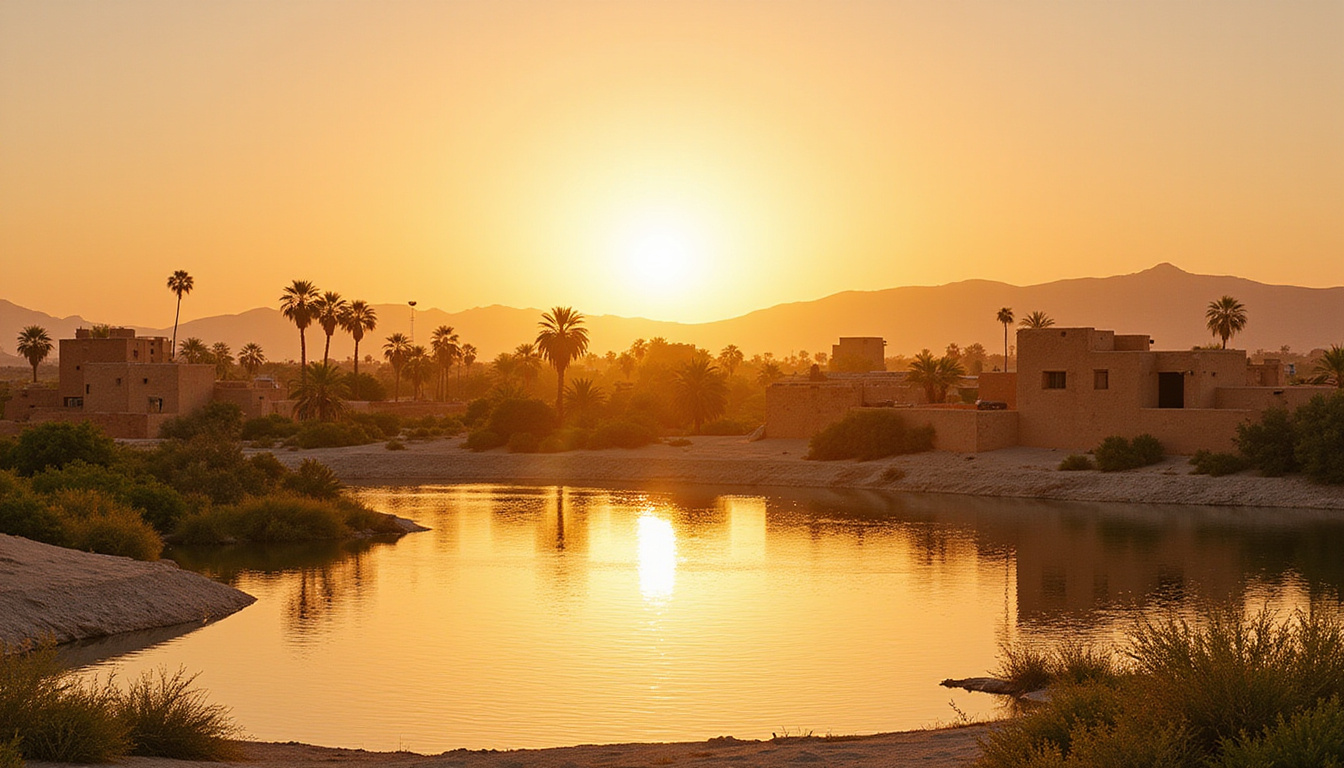
Siwa properties are drawing more attention from Egyptians and foreign buyers who want something different from the usual Red Sea resorts or Cairo apartments. Tucked deep in Egypt’s Western Desert, Siwa Oasis offers palm groves, salt lakes, mud-brick houses, and a slower, more traditional pace of life—plus property prices that are still relatively affordable compared with major cities.
This guide walks you through everything you need to know about buying or renting in Siwa: areas, prices, legal steps, risks, and practical living considerations.
Why Siwa Properties Are Suddenly on the Radar
Siwa has long been famous for its unique Amazigh (Berber) culture, crystal-clear salt lakes, and eco-lodges built from traditional kershef (salt and mud). But over the last few years, interest in Siwa properties has grown for several reasons:
- Rising prices in Cairo, Alexandria, and the North Coast
- Growing eco-tourism and wellness tourism
- Demand for unique vacation homes and boutique guesthouses
- A shift toward quieter, less crowded destinations post-pandemic
Despite increasing attention, Siwa remains far less developed than Hurghada or Sharm El Sheikh. That means more authenticity and lower prices—but also more due diligence and patience are required.
Key Areas to Consider in Siwa Oasis
When exploring Siwa properties, it helps to understand the main zones where you’re likely to buy or rent.
1. Siwa Town (Central Siwa)
This is the administrative and commercial heart of the oasis.
What to expect:
- Proximity to markets, schools, clinics, banks, and transport
- Mix of traditional houses and more modern, concrete structures
- Higher density and more activity than rural areas
Best for:
People who want year-round living, better services, and easier access to daily needs.
2. Around Shali Fortress & Old Town
The iconic Shali Fortress (the old mud-brick citadel) and its surroundings attract both investors and heritage lovers.
What to expect:
- Historic atmosphere
- Older properties, often needing renovation
- Strong potential for boutique guesthouses and eco-lodges
Best for:
Buyers interested in hospitality projects, guesthouses, or artistic/heritage restorations.
3. Palm Groves and Agricultural Land
Just outside the main town, you’ll find extensive date palm and olive groves with scattered houses and farm plots.
What to expect:
- Large plots at relatively low cost
- Potential for eco-lodges, farms, wellness retreats
- Stunning natural settings but fewer services and infrastructure
Best for:
Buyers looking for privacy, agritourism, or long-term investment with room to expand.
4. Near Salt Lakes and Hot Springs
Areas around Siwa’s salt lakes and famous springs (like Cleopatra’s Spring) have high tourism potential.
What to expect:
- Beautiful scenery and unique natural features
- Strong potential for niche tourism (wellness, yoga retreats, salt lake resorts)
- Need to check environmental and zoning regulations carefully
Best for:
Investors focused on experiential tourism and niche hospitality.
Types of Siwa Properties You’ll Find
Siwa’s property stock is very different from Cairo high-rises or North Coast compounds.
Traditional Kershef Houses
Built with a mix of salt, mud, and local materials, these houses are:
- Naturally insulated and eco-friendly
- Aesthetically unique and highly Instagrammable
- Often in need of skilled traditional craftsmen for maintenance
Many buyers are drawn to kershef houses for eco-lodges or authentic Siwan homes.
Modern Concrete Houses
These offer:
- Stronger structural durability
- Easier maintenance and modifications
- Designs that may be less charming, but more practical for some families
Often found in central Siwa and newer residential pockets.
Eco-Lodges and Guesthouses
Siwa is known for intimate eco-lodges with:
- Natural materials and organic design
- Small room counts and personalized service
- High appeal to eco-conscious tourists
Buying an existing lodge or converting a family house into a guesthouse is a common investment path for those eyeing hospitality.
Agricultural Land and Farms
Siwa properties also include:
- Date and olive farms
- Land suitable for sustainable agriculture
- Potential for mixed-use projects (farm + guesthouse + retreat center)
Agricultural and desert land has different legal and zoning rules, so it’s crucial to understand classifications before buying.
Prices and Budgeting: What Do Siwa Properties Cost?
Exact prices fluctuate with demand, location, property condition, and legal status, but here are general trends:
- Traditional houses in central Siwa: Lower purchase prices, but usually extensive renovation needed.
- Modern houses near the town center: Higher ask, especially if fully finished and connected to utilities.
- Land in palm groves or outer areas: Often cheaper per square meter but may lack infrastructure and clear title.
- Tourism-zoned or lake-adjacent plots: Premium prices due to high potential for eco-lodges or resorts.
Because Siwa is a small and unique market, formal listings are often limited. Many deals happen via local connections, word of mouth, and on-the-ground brokers rather than on big Egyptian property portals. Visiting in person and talking to multiple agents and residents is usually the most accurate way to gauge current prices.
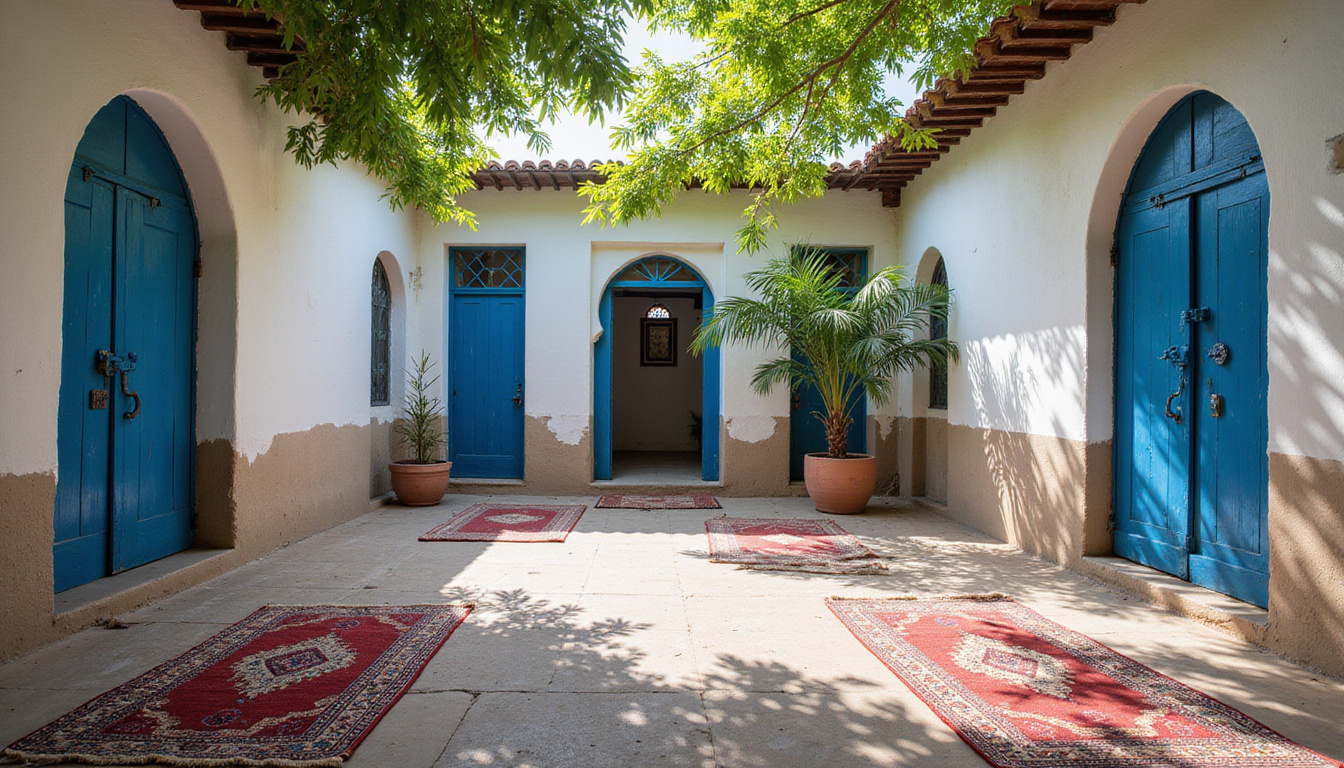
For an idea of how property and living costs compare nationwide, the World Bank and similar sources track housing affordability and urbanization trends in Egypt (source: World Bank – Egypt).
Legal Considerations for Buying Siwa Properties
Property laws in Egypt are complex, and oasis areas like Siwa can involve extra layers of regulation. Always consult a qualified local lawyer before committing to a purchase.
1. Ownership Restrictions for Foreigners
Foreign buyers in Egypt face rules on:
- Maximum number of properties
- Minimum resale periods
- Special rules for agricultural land and border/strategic zones
Siwa lies close to the Libyan border and is in a sensitive desert region, so there may be additional security and ownership procedures. Some buyers use Egyptian partners or companies to structure purchases, but this must be done transparently and legally.
2. Title Deeds and Registration
In Siwa, not every property has a fully registered, modern title. Problems you might encounter:
- Old, informal agreements instead of notarized sale contracts
- Inheritance disputes not fully settled
- Partially registered or unregistered land
Essential checks:
- Confirm the seller’s identity and ownership rights
- Verify that the land or house is properly classified (residential, agricultural, tourism, etc.)
- Ensure there are no pending disputes, mortgages, or encumbrances
Working with a Siwa-based lawyer who speaks both Arabic and your language is ideal.
3. Zoning, Building Codes, and Environmental Protections
Siwa’s unique environment means stricter rules may apply:
- Height limits in certain heritage areas
- Restrictions on building near salt lakes or sensitive ecosystems
- Requirements to use specific materials (e.g., kershef) in protected zones
Before buying Siwa properties intended for eco-lodges or retreats, confirm:
- Whether tourism activity is allowed on that specific plot
- What infrastructure (road access, utilities) is currently available
- If any future government plans could affect the area
Renting in Siwa: Short-Term and Long-Term Options
Not everyone wants to buy immediately; renting is a smart way to “test” the lifestyle and understand the market from the inside.
Short-Term Stays
Short-term rentals in Siwa include:
- Guesthouses and eco-lodges (per night/weekly stays)
- Furnished homes rented directly from families
- Small hotels and camps
These work well if you’re scouting Siwa properties before buying or just exploring.
Long-Term Rentals
For longer stays (3–12 months or more):
- Contracts are often informal compared with big cities.
- You may pay several months in advance.
- Utilities (water, electricity, internet) are usually negotiated separately.
Ask for a simple written agreement in Arabic (with translation, if needed) that covers:
- Rent amount and payment schedule
- Duration and renewal terms
- Responsibility for repairs and maintenance
Renting for a year before purchasing can reveal:
- Real everyday costs of living in Siwa
- Seasonal changes in noise, tourism, and weather
- Reliability of utilities and local services in different neighborhoods
To get a feel for daily life, many aspiring buyers watch personal experiences from expats and locals—for example, “Things I Wish I Knew Before Moving to Egypt – My Honest Experience” on YouTube:
Everyday Life: Infrastructure, Services, and Lifestyle
Owning Siwa properties is as much about lifestyle as investment. Before you commit, consider:
Infrastructure and Services
- Healthcare: Basic clinics and pharmacies exist; serious cases may require travel to larger cities.
- Education: Local schools are available, but options are limited compared with Cairo or Alexandria.
- Internet and mobile coverage: Present but not always as fast or stable as in major cities.
- Transport: Buses link Siwa to Marsa Matrouh and other cities, but journeys are long; many residents rely on private cars or shared transport.
Climate and Environment
- Hot, dry summers; pleasantly mild winters
- Abundant sunshine, making solar energy a realistic option for some properties
- Dust and sandstorms at certain times of year
If you plan to run a guesthouse or retreat, think about:
- Cooling and shading solutions
- Water usage and wells
- Waste disposal measures that respect the oasis environment
Culture and Community
Siwa has a strong local identity and traditions:
- Distinct Amazigh language and customs
- Conservative social values, especially outside tourism hubs
- Close-knit community where relationships and reputation matter
Investors who integrate respectfully and support local employment generally enjoy smoother operations and stronger community ties.
Step-by-Step: How to Approach Buying in Siwa
A practical path for approaching Siwa properties:
- Visit multiple times, in different seasons.
- Rent short-term, then long-term to understand the lifestyle and neighborhoods.
- Identify your purpose clearly:
- Holiday home
- Full-time residence
- Guesthouse/eco-lodge
- Farm or agritourism project
- Build a local network:
- Talk to multiple brokers, owners, and neighbors.
- Visit properties with at least one trusted local advisor.
- Shortlist properties and collect all available documents.
- Hire an independent lawyer (not recommended by the seller alone) to:
- Check ownership and title
- Review zoning and building permissions
- Draft or review contracts
- Negotiate price and terms with realistic expectations—Siwa is not yet a highly liquid, fast-moving market.
- Plan your renovation or development budget including:
- Materials (traditional kershef requires skilled workers)
- Utilities and solar or alternative systems
- Furnishing and decor, especially for hospitality projects
Risks and How to Mitigate Them
Siwa properties offer charm and potential, but there are real risks:
- Legal or title issues: Always conduct thorough due diligence.
- Limited resale market: It may take time to find a buyer if you decide to sell.
- Infrastructure gaps: Plan for power backups, water systems, and internet solutions.
- Tourism fluctuations: Guesthouses and retreats depend on regional stability and global travel trends.
Mitigation strategies include:
- Starting with a smaller property or partial project
- Avoiding over-leverage or heavy debt
- Building flexibility into your design (e.g., a house that can function as both family home and small guesthouse)
- Partnering with locals who understand the market and regulations
FAQ About Siwa Properties
1. Are Siwa properties a good investment for rental income?
They can be, especially if you focus on eco-lodges, boutique guesthouses, or wellness retreats in attractive locations near palm groves, lakes, or springs. However, rental demand is seasonal and tourism-dependent, so it’s wise to view Siwa properties as medium- to long-term investments rather than quick-flip opportunities.
2. Can foreigners legally buy property in Siwa Oasis?
Foreigners can own property in Egypt under specific conditions, but Siwa’s location in a border-region desert area means extra regulations and security clearance may apply. Before buying any Siwa real estate, foreign buyers should use a qualified Egyptian lawyer to confirm what’s legally allowed in that exact area and to structure ownership correctly.
3. How do I find reliable agents for Siwa real estate?
The Siwa property market is largely relationship-based. Reliable leads often come from:
- Local guesthouse owners
- Residents you meet during longer stays
- Reputable real estate lawyers and established brokers in Marsa Matrouh or nearby cities
Spend time on the ground, cross-check information from several agents, and never rely on a single verbal promise or informal paper.
Turning Your Siwa Property Dream into Reality
Siwa properties offer something rare in today’s real estate world: authentic landscapes, a deeply rooted culture, and the chance to create a home or business that truly reflects the oasis environment. Whether your vision is a quiet family house under the palm trees, a soulful eco-lodge on the edge of a salt lake, or a small farm retreat, Siwa provides both opportunity and inspiration.
The key is to move thoughtfully: explore in person, rent before you buy, work with professionals who understand local law and customs, and respect the delicate balance of Siwa’s environment and community.
If you’re serious about owning or renting in Siwa, start planning your first extended visit, talk to locals, and begin mapping out what kind of oasis life you want. From there, you can turn a simple interest in Siwa properties into a well-researched, sustainable decision—and a home or investment you’ll be proud of for years to come.