
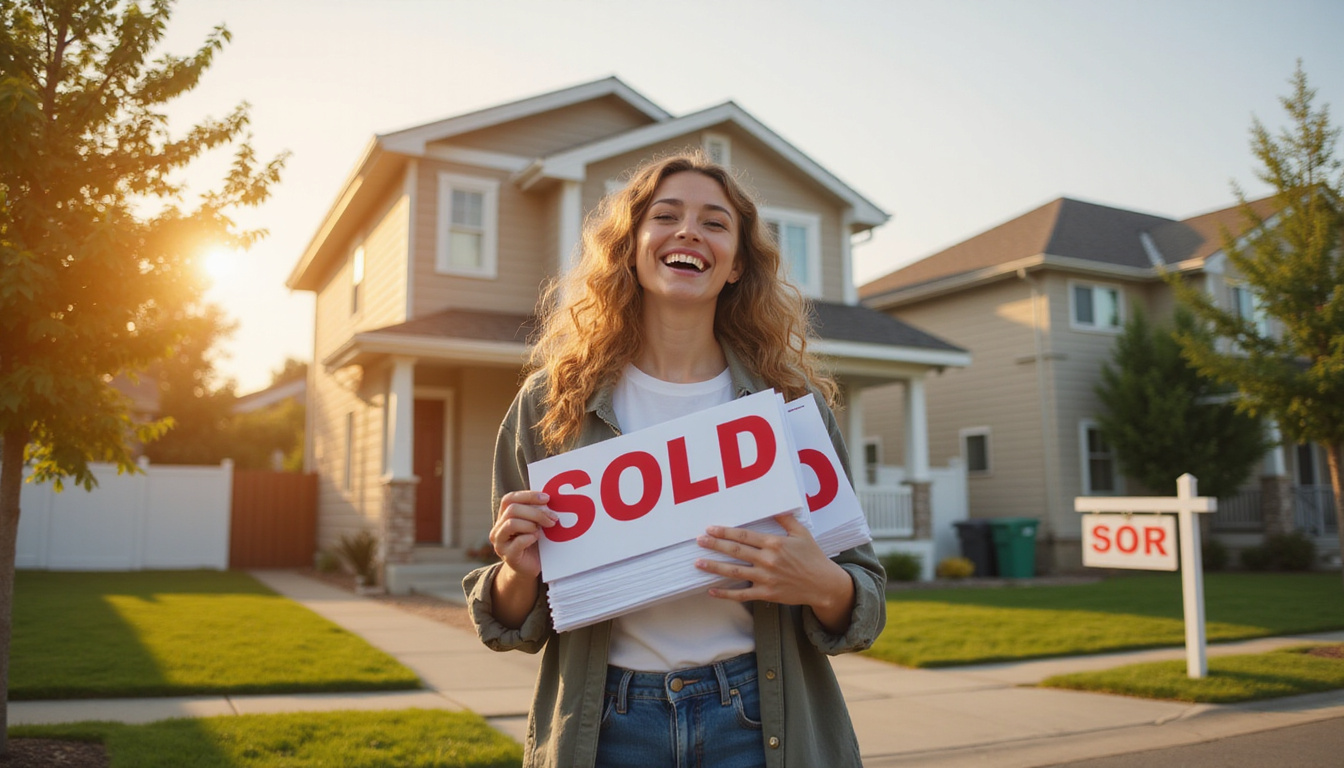
Selling a home in a sellers market sounds easy: low inventory, high demand, quick offers. But not everyone cashes in on the full potential. Some owners still leave tens of thousands on the table because they don’t understand how to work the market strategically. This guide walks you through practical, people-first tactics to sell fast and above asking—without unnecessary stress or gimmicks.
What Is a Sellers Market (and Why It Matters to Your Price)?
A sellers market happens when there are more buyers than homes for sale. That imbalance creates competition, which often leads to:
- Shorter time on market
- Multiple offers
- Higher sale prices and bidding wars
- Fewer contingencies requested by buyers
Key signals you’re in a sellers market:
- Local listings receive many showings in the first few days
- Homes sell at or above list price routinely
- Low number of active listings compared to the number of buyers/transactions
- Properties receive multiple offers quickly
Even in the strongest market, though, buyers are still value-conscious. To sell fast and above asking, you must position your home correctly—pricing, condition, marketing, and negotiation all have to work together.
Step 1: Prepare Like It’s a Beauty Contest and a Price War
In a sellers market, your home is competing with fewer listings—but buyers still compare aggressively. Think of your property as needing to “win” both:
- The beauty contest (presentation)
- The price war (perceived value)
Declutter and Depersonalize Ruthlessly
You want buyers to see their future, not your past.
- Remove family photos, collections, and personal memorabilia
- Clear countertops and surfaces
- Trim closets to about 50–60% capacity so they look spacious
- Minimize bold décor that could distract or polarize buyers
Targeted, High-ROI Updates
Skip the full renovation. Focus on small upgrades that make a big visual impact:
- Fresh neutral paint (light grays, soft whites, or beiges)
- Updated light fixtures and cabinet hardware
- Deep cleaning (including grout, baseboards, windows, and vents)
- Landscaping refresh: mow, edge, mulch, trim bushes, add simple flowers
These modest improvements enhance perceived value and can help justify aggressive pricing in a hot sellers market.
Step 2: Price Strategically to Create Urgency and Bidding Wars
The goal isn’t simply to list high; it’s to attract maximum interest quickly and push the price upward through competition.
The Counterintuitive Power of Slightly Below-Market Pricing
In a true sellers market, slightly underpricing your home can generate:
- More showings in the first 72 hours
- Multiple offers and bidding wars
- Better terms (fewer contingencies, higher deposits)
For example, if fair market value is around $500,000, listing at $489,000 might attract a larger buyer pool than listing at $515,000. Those extra buyers create urgency and often push the final price above asking.
Avoid the “Wishful Thinking” Price
Overpricing, even in a strong sellers market, can:
- Reduce showings and online clicks
- Lead to price reductions that signal weakness
- Make your home sit longer, giving buyers negotiation leverage
Work with a local real estate professional to review comparative market analysis (CMA) data: recent sales, days on market, and list-to-sale price ratios. Many areas in a strong sellers market show consistent sale prices at 100%+ of list price (source: National Association of Realtors).
Step 3: Stage to Sell Fast and Above Asking
Staging is more than decorating; it’s strategic merchandising. It helps buyers emotionally commit—and emotional buyers pay more.
Focus on the Big Three Rooms
Prioritize:
- Living/family room
- Kitchen
- Primary bedroom
In these spaces:
- Arrange furniture to create comfortable, logical traffic flow
- Use neutral, cohesive color schemes
- Add simple, modern accessories (throw pillows, plants, art)
- Ensure good lighting: open blinds, add lamps, replace dim bulbs
Create a Lifestyle, Not Just a House
Subtly stage features buyers dream about:
- A cozy reading nook
- A work-from-home corner or office
- An appealing outdoor seating area or dining space
In a hot sellers market, staged homes still tend to sell faster and for more money than unstaged properties because they stand out and photograph better—critical for generating online interest.
Step 4: Master Marketing in a Digital-First World
Even in a low-inventory sellers market, marketing can be the difference between “sold quickly” and “sold quickly and way above asking.”
Professional Photography Is Non-Negotiable
Phone photos rarely do your home justice. Insist on:
- Wide-angle, well-lit shots of every major room
- Exterior photos that highlight curb appeal
- Twilight or dusk photos if appropriate
Buyers often decide whether to see a home based solely on the photos.
Add Video and Virtual Tours
More buyers, including international and out-of-town movers, shop online first. Give them more ways to fall in love with your home:
- Short walk-through video
- 3D virtual tour or 360° images
- Floor plans showing room sizes and layout
If many potential buyers are relocators or expats—especially if you’re in a city with international interest—consider sharing a resource like this honest expat experience video:
[Things I Wish I Knew Before Moving to Egypt – My Honest Experience](
Content like this can answer lifestyle questions and increase confidence for long-distance buyers.

Create a Strong Listing Description
Highlight:
- Unique features (views, upgrades, layout advantages)
- Lifestyle benefits (walkability, schools, commute times, nearby amenities)
- Recent improvements and energy-efficient upgrades
Avoid generic phrasing; be specific and concrete so buyers can easily imagine the benefits.
Step 5: Time the Launch and Showings for Maximum Impact
Your first 3–7 days on the market matter most. In a sellers market, this window can determine whether you get one good offer or a bidding war.
Plan a “Coming Soon” Strategy (Where Allowed)
If local rules allow, use a short “coming soon” period to:
- Build anticipation among buyers and agents
- Collect inquiries and schedule back-to-back showings
- Hit the market with a calendar full of interested viewers
Cluster Showings to Build Social Proof
Rather than scattering showings randomly:
- Encourage many buyers to see the home on the same day or weekend
- Consider an open house early in the listing period
- Use overlapping showing windows to let buyers see there’s strong interest
When buyers notice other people touring at the same time, it emphasizes the competitive nature of a true sellers market and can motivate faster, stronger offers.
Step 6: Leverage Offers Strategically (Not Just the Highest Price)
In a sellers market, it’s common to receive multiple offers quickly. Don’t automatically choose the highest price; evaluate the whole offer.
Consider:
- Financing type: Conventional, FHA, VA, or cash
- Contingencies: Inspection, appraisal, sale of buyer’s current home
- Timeline: Closing date and flexibility, rent-back options if needed
- Earnest money: Size of deposit and conditions for release
- Appraisal gap coverage: Will the buyer pay extra if the appraisal comes in low?
A slightly lower offer with fewer contingencies, strong financing, and appraisal gap coverage may net you more and reduce risk versus a top-line offer likely to fall apart.
Step 7: Negotiate Like You Still Have the Upper Hand
A sellers market gives you leverage, but how you use it matters.
Set an Offer Deadline
When multiple buyers are circling:
- Announce a clear deadline for “highest and best” offers
- Give serious buyers time to strengthen their terms
- Avoid accepting the first offer before seeing the full field
Understand Appraisal Risks
In fast-rising sellers markets, appraisals sometimes lag behind reality. To protect your price:
- Favor offers with appraisal gap coverage or cash
- Review comparable sales carefully with your agent
- Be prepared for some negotiation if the appraisal falls short
Stay Professional and Fair
Even when conditions favor you, being reasonable helps:
- Keep emotion out of negotiations
- Respond promptly to offers and counteroffers
- Prioritize clean, realistic terms over squeezing every possible dollar
Buyers are more likely to stick with the deal—and be cooperative at inspection and closing—if they feel fairly treated.
Step 8: Navigate Inspections Without Killing the Deal
Even in a strong sellers market, most buyers still request inspections. Your goal is to avoid major surprises and keep the deal moving.
Pre-Listing Inspection (Optional but Powerful)
A pre-listing inspection can help you:
- Identify and fix big issues in advance
- Price with confidence
- Reduce post-offer renegotiation
If you don’t want to do a full pre-inspection, at least address obvious problems: leaks, broken windows, unsafe electrical issues, etc.
Decide Your Red Lines in Advance
Before inspection:
- Decide what types of repairs you’re willing to do
- Set a dollar amount that you’ll consider as a credit, if needed
- Be ready with contractors or estimates if major issues appear
In a hot sellers market, many buyers accept minor imperfections—but big surprises can still cause them to walk, especially if they feel misled.
Quick Checklist: How to Win in a Sellers Market
Use this list as a final run-through before listing:
- Decluttered, deep-cleaned, and depersonalized the home
- Completed high-ROI cosmetic updates (paint, lighting, landscaping)
- Chosen a strategic, data-backed listing price
- Hired a professional photographer and created strong visuals
- Crafted a compelling, specific listing description
- Planned launch timing, showings, and open houses for maximum impact
- Prepared a strategy for handling multiple offers
- Clarified where you’re flexible (closing date, minor repairs) and where you’re not
FAQ: Selling in a Hot Sellers Market
1. How do I know if it’s really a strong sellers’ housing market in my area?
Look at local inventory and sale data: low number of active listings, homes selling in days instead of weeks, and sale prices close to or above list price indicate a strong sellers housing market. A local agent or online market reports can provide this data.
2. Should I fix up my house in a sellers market, or will it sell anyway?
In a tight seller’s market real estate conditions, almost anything will sell—but not always for top dollar. Strategic, cosmetic fixes (paint, cleaning, small repairs) can boost your sale price and attract better offers, often with a strong return on investment.
3. Is it better to accept a cash offer in a sellers market?
Cash is attractive in any seller’s market because it removes financing risk and often speeds up closing. However, you should still compare the full terms—price, contingencies, and closing timeline—before favoring cash over financed offers.
Ready to Take Advantage of Today’s Sellers Market?
If you’re thinking about selling, a true sellers market is your opportunity to maximize profit, minimize days on market, and secure strong terms. But getting a fast, above-asking sale isn’t automatic—you need the right pricing strategy, top-tier presentation, and smart offer management.
Don’t wait for conditions to cool or rely on guesswork. Connect with a knowledgeable local real estate professional, review the latest data, and build a tailored plan to launch your home with impact. With the right preparation and strategy, you can turn today’s market in your favor and walk away from the closing table confident you didn’t leave money behind.