
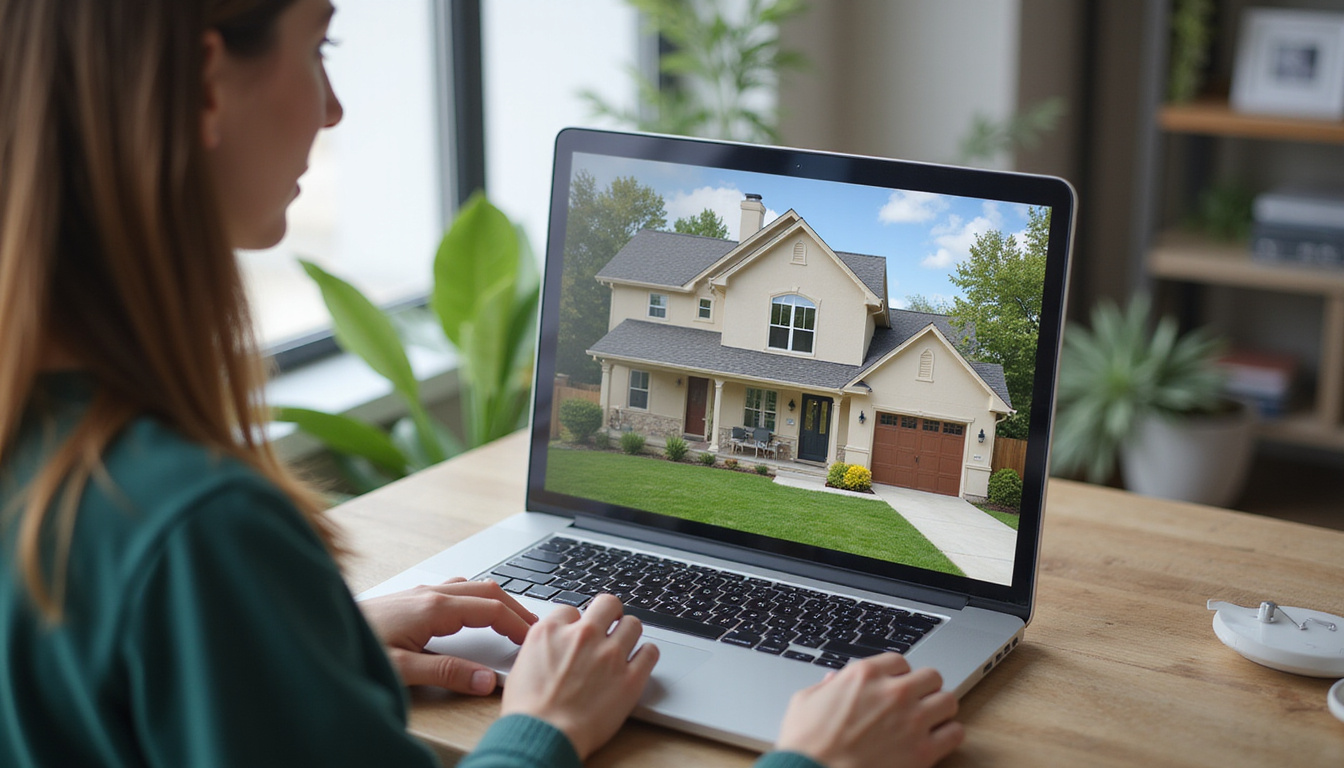
The way buyers tour homes has changed dramatically, and the virtual open house is now a mainstream tool—not just a pandemic-era workaround. When done strategically, virtual tours don’t just attract clicks; they convert casual browsers into serious, qualified buyers. Whether you’re marketing a luxury villa in New Cairo, a seafront apartment in Alexandria, or an investment unit on the Red Sea, mastering virtual open houses can significantly shorten days on market and expand your buyer pool locally and internationally.
Below is a practical, conversion-focused guide to planning, promoting, and hosting virtual open houses that actually move properties.
Why Virtual Open Houses Matter in Today’s Market
In property markets like Egypt—where many buyers are overseas investors, expats, or Gulf-based professionals—virtual open houses are more than a nice extra. They’re often the first and sometimes the only viewing before an offer.
Key advantages:
- Wider reach: Attract Cairo residents, Alexandrians, Gulf investors, and European buyers at the same time.
- Lower friction: No traffic, no parking, no scheduling conflicts for buyers.
- Pre-qualified interest: Viewers who stay through a 20–30 minute virtual open house are far more likely to book an in-person follow-up.
- Data-rich: You can measure attendance, engagement, questions asked, and follow-up responses—all fueling smarter marketing.
But these benefits only materialize if your virtual open house is designed around conversion, not just “showing the unit.”
Choosing the Right Format for Your Virtual Open House
Before you hit “Go Live,” decide what type of virtual open house best fits your listing, audience, and budget.
1. Live-Streamed Virtual Open House
Hosted on Zoom, Google Meet, Facebook Live, Instagram Live, or YouTube.
Best for:
- New launches and high-interest listings
- Developments with multiple similar units
- Properties targeting overseas/expat buyers
Pros:
- Real-time questions and interaction
- Strong sense of urgency (“one-time-only”)
- Easier to build excitement and momentum
Cons:
- Technical issues can hurt the experience
- Requires more presentation skill and preparation
2. Pre-Recorded Virtual Tour
A professionally filmed or high-quality smartphone walkthrough with voiceover.
Best for:
- Off-plan properties and show units
- Tenanted properties that are hard to access
- Marketing on property portals and social media
Pros:
- Polished and reusable
- Can be translated or subtitled for foreign buyers
- No risk of live technical glitches
Cons:
- Less interaction, weaker urgency
- Buyers may still have unanswered questions
3. Hybrid Approach
Run a live virtual open house anchored by a strong pre-recorded tour. You play sections, pause for commentary, then answer questions live.
This is ideal for agents who want the safety of a prepared video plus the conversion power of live interaction.
Pre-Production: Preparing the Property for a Virtual Open House
The same staging rules for physical showings apply—but the camera is far less forgiving. Small details can become big distractions.
Stage for the Camera, Not Just for Visitors
- Declutter aggressively: Clear surfaces, remove personal items, minimize visual noise.
- Improve lighting: Open curtains, turn on all lights, and consider adding portable lamps or LED panels.
- Highlight focal points: Nile views, balconies, double-height ceilings, or upscale finishes should be the stars of the frame.
- Neutral palette: Strong colors can distort on camera; neutral tones photograph best.
Fix Common Visual Deal-Breakers
- Visible cables, stained walls, peeling paint, and old curtains stand out more on video.
- Bathrooms and kitchens need to look pristine—clean grout, polished surfaces, empty bins.
- Make sure outdoor spaces (balconies, gardens, rooftops) are swept and tidy.
A modest investment in paint, lighting, and décor can significantly increase the “wow” factor on a virtual open house and justify a higher asking price.
Technical Setup: Look and Sound Like a Pro
You don’t need a film crew, but you do need a basic level of quality to maintain buyer confidence.
Video and Audio Essentials
- Camera: A modern smartphone (1080p or 4K) is usually enough. Use a gimbal or stabilizer to avoid shaky footage.
- Audio: Use a lavalier (lapel) microphone or quality earbuds with a mic. Poor sound is one of the fastest ways to lose viewers.
- Internet: Test speed on-site; aim for at least 10 Mbps upload for smooth streaming.
- Platform: Choose where your ideal buyers already are—Zoom for serious registered buyers, Instagram/Facebook Live for broader awareness.
Test Before the Real Virtual Open House
Do a full rehearsal:
- Walk the exact route.
- Check lighting at the scheduled time of day.
- Test audio at various distances.
- Confirm there’s a reliable Wi-Fi or mobile data signal in every room.
Record a short test clip and watch it as a buyer would. Fix anything that looks or sounds off before the actual virtual open house.
Scripting and Storytelling: Turn a Tour into a Sales Narrative
A virtual open house should feel guided and intentional, not random. A simple script will keep you on track and focused on conversion.
Build a Clear Flow
Welcome & credibility (1–2 minutes)
- Introduce yourself, your brokerage, and the neighborhood.
- Set expectations: duration, what you’ll cover, how to ask questions.
Exterior & entrance (2–3 minutes)
- Show building entrance, security, parking, and lobby (especially important in Egyptian compounds and gated communities).
- Highlight accessibility (near main roads, schools, malls).
Public spaces (5–7 minutes)
- Living room, dining area, kitchen, balconies, and guest bathroom.
- Emphasize layout, natural light, and daily livability.
Private areas (5–7 minutes)
- Master bedroom(s), secondary bedrooms, storage, laundry room.
- Focus on comfort, closets, and privacy.
Amenities & surroundings (3–5 minutes)
- Clubhouse, pool, gym, gardens, kids’ areas, nearby services.
Pricing & next steps (3–5 minutes)
- Provide key numbers: price, maintenance fees, installment options (common in Egypt’s off-plan market).
- Explain exactly how to book a private virtual viewing or in-person visit.
Use Buyer-Centered Storytelling
As you move through the property, describe how different buyer types might use the space:
- A family with kids using the clubhouse and green spaces.
- An investor seeking short-term rental appeal near the sea or city center.
- An expat needing a quiet home office and reliable internet-ready layouts.
The more a viewer can visualize themselves in the property, the more likely they are to move from “browser” to “buyer.”
Engagement Tactics: Keep Viewers Watching and Interacting
Passive viewers rarely convert. Design your virtual open house to encourage interaction at every stage.
Warm-Up and Ice-Breakers
- Start with a quick poll: “Where are you joining from?” (Cairo, GCC, Europe, etc.)
- Ask viewers to post their must-have features in the chat before you start.
Interactive Moments During the Tour
- Invite choices: “Should we see the kitchen or balcony first?”
- Answer questions in real-time: “Someone asked about ceiling height—let me show you.”
- Offer close-ups on request: finishes, appliances, views, building exterior.
Include Clear Micro-CTAs Throughout
- “If this layout fits what you’re looking for, drop ‘INTERESTED’ in the chat.”
- “Type ‘PLAN’ if you’d like a PDF of the floor plans emailed after the tour.”
- “If you’re considering financing, ask your questions now so we can address them live.”
These interactions both improve engagement and help you identify hot leads.
Promotion: Getting the Right People to Your Virtual Open House
Conversion depends on who shows up. Promote your virtual open house strategically to reach serious prospects.
Promote on Multiple Channels
- Property portals & listing sites: Add the virtual open house date, time, and registration link into your listing description.
- Social media: Use Facebook/Instagram events, stories, and short teaser clips showing the property’s best features.
- Email list: Send an invitation to past leads and segment by budget/area interest.
- WhatsApp/Telegram groups: Widely used in Egypt for real estate; share a compelling image and a one-sentence value proposition.
Require Light Registration
Instead of just “going live,” ask attendees to register with:
- Name
- Phone (especially for WhatsApp follow-up)
- Budget range and property type interest
This small barrier filters out casual lurkers and gives you crucial contact details for follow-up.
After the Event: Turning Engagement into Offers
Many agents stop at “thank you for joining.” The conversion work has just begun.
Follow-Up Within 24 Hours
Send a tailored message to registered attendees:
- A thank-you email or WhatsApp
- A link to the recording of the virtual open house
- Floor plans, brochure, and location map
- Clear next step: “Reply with ‘VIEW’ to book a private viewing (virtual or in-person) this week.”
Segment your follow-up based on behavior:
- Those who asked pricing/financing questions → send detailed payment plan options.
- Those who stayed online till the end → offer priority in scheduling private tours.
Create Scarcity and Urgency (Ethically)
If it’s a new development or high-demand listing:
- Communicate unit availability honestly.
- Mention upcoming price adjustments or phase changes if confirmed by the developer.
- Offer limited-time incentives where appropriate (e.g., reduced booking fee, free AC installation) in coordination with the seller or developer.
Bonus Conversion Tip: Educate Buyers on Living in Egypt
For overseas and expat buyers, lifestyle questions often matter as much as the property itself. Consider sharing additional content about living in Egypt in your follow-up:
- Cost of living in different cities
- Safety, schooling, healthcare, and transportation
- Cultural and legal aspects of property ownership
You can even include a link to a relevant video resource, such as:
Things I Wish I Knew Before Moving to Egypt – My Honest Experience
Helping buyers understand the broader lifestyle context can push them closer to a decision on your listing.
Measuring Success: Key Metrics for Virtual Open Houses
To refine your strategy over time, track:
- Registrations vs. attendees: How many who signed up actually joined?
- Average watch time: When do people drop off?
- Engagement: Questions asked, polls answered, chat activity.
- Follow-up conversions:
- Number of private viewings scheduled
- Number of offers made
- Final sale price vs. asking price
Over several virtual open houses, these numbers will show you what content, timing, and formats produce the best buyers for your specific market segment.
FAQ: Virtual Open House & Online Property Tours
1. How effective is a virtual open house compared to a physical one?
A well-executed virtual open house often reaches more people at lower cost, especially in markets with many international buyers. Research on digital real estate behavior shows that virtual tours significantly increase listing engagement and time spent on page (source: National Association of Realtors). While many buyers still want at least one in-person visit before closing, the virtual event is often what moves them from curiosity to serious interest.
2. What’s the difference between a virtual tour and a virtual open home?
A virtual tour is usually a static asset—either 360° images or a pre-recorded walkthrough hosted on a website or portal. A virtual open home (or virtual open house) is a scheduled live event where an agent presents the property, answers questions, and guides viewers in real time. The latter is much more effective for building trust and prompting immediate next steps.
3. Can a virtual home tour alone convince buyers to make an offer?
For many investors and overseas buyers—especially in familiar markets like Egypt—yes, a high-quality virtual home tour plus a live Q&A can be enough to secure a conditional offer, often followed by a final in-person check or independent inspection. The key is transparency: show all areas (not just highlights), be honest about any flaws, and provide complete documentation (plans, permits, payment plans, and ownership details).
Turn Your Next Virtual Open House into a Deal-Closing Machine
Virtual open houses are no longer experimental; they’re an essential part of modern real estate, particularly in markets with strong expat and investor demand. By preparing the property properly, upgrading your technical setup, scripting a buyer-focused narrative, and following up strategically, you can transform each virtual open house from a simple viewing into a powerful sales event.
If you’re ready to attract more qualified buyers—whether local or overseas—and shorten your time on market, start planning your next virtual open house today. Optimize one listing, measure the results, then roll out the winning formula across your entire portfolio. Your future buyers are already browsing online; it’s up to you to convert them.