
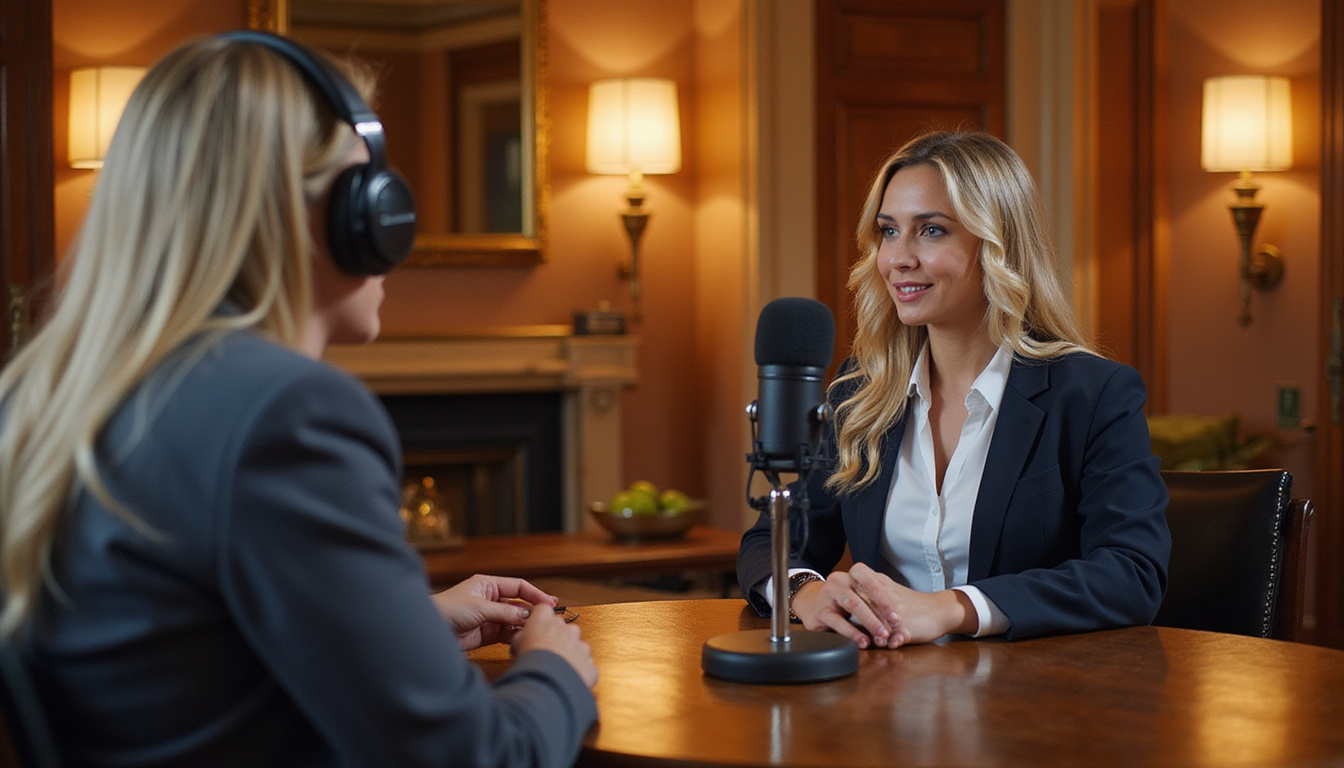
Launching a real estate podcast is one of the fastest ways today to build authority, attract motivated sellers, and win high value listings—without cold calling all day. When done strategically, a real estate podcast positions you as the local expert, creates trust at scale, and gives homeowners a compelling reason to choose you over the competition. In this guide, you’ll learn how to plan, record, and promote real estate podcast interviews that directly support your listing pipeline.
Why a Real Estate Podcast Is a Listing Magnet
Most agents chase “leads.” A real estate podcast attracts listeners first—then turns the right listeners into high value listing opportunities.
Here’s why it works:
- Authority at scale: Speaking every week about market trends, pricing, and local insights makes you the obvious expert in your area.
- Trust before contact: Sellers feel like they know you before they ever fill out a form or call you.
- Built-in referral engine: Guests share episodes with their audiences, putting you in front of new homeowners consistently.
- Evergreen content: A single episode can generate inquiries months (or even years) later.
According to the Pew Research Center, podcast listening has steadily increased over the past decade, with about one in five U.S. adults now listening to podcasts at least a few times a week (source: Pew Research Center). That trend means your future sellers are already listening—your job is to become the local show they can’t ignore.
Step 1: Define the Strategy Behind Your Real Estate Podcast
“Start a podcast” is not a strategy. “Start a real estate podcast that attracts owners of mid- to high-end homes in [Your City] who are thinking about selling in the next 6–18 months” is.
Clarify three pillars before you record a single episode:
1. Your Target Seller
Be specific about who you want to reach:
- Price point (e.g., homes $600k+)
- Property type (single-family, luxury condos, waterfront, investment)
- Life stage (upsizing families, downsizing retirees, relocations, divorces, etc.)
- Location (your farm area vs. broad metro)
Everything—from episode topics to guest selection—should speak to that seller.
2. Your Core Promise
What benefit does your show deliver to that ideal listener?
Examples:
- “The show that helps [City] homeowners sell for top dollar with less stress.”
- “Insider strategies for [Region] luxury homeowners who want to time the market right.”
- “Real stories from [City] sellers, buyers, and experts so you can move with confidence.”
Keep this promise in mind; reference it in your intro and show description.
3. Your Market Positioning
Use your real estate podcast to occupy a clear space:
- Neighborhood specialist – hyper-local market breakdowns and seller stories.
- Lifestyle + property expert – schools, walkability, community, not just prices.
- Investment-focused agent – for small landlords, flippers, and multi-unit owners.
The clearer your lane, the easier it is for sellers to self-identify and subscribe.
Step 2: Choose Interview Guests Who Attract Listings
Your interview lineup makes or breaks the lead quality your show brings in. Don’t default to “top producers” from other brokerages. Instead, pick guests that:
- Have direct influence over homeowners you want to reach.
- Can add practical value to selling decisions.
- Are likely to share the episode with your ideal audience.
Strong guest categories include:
- Past clients who sold successfully in your target price range
- Local business owners in affluent neighborhoods
- Estate attorneys and divorce attorneys (often know about upcoming sales)
- Financial planners and CPAs serving high-net-worth individuals
- Luxury home stagers and interior designers
- Developers and high-end contractors
Each guest is a gateway to the type of seller you want. Their stories and expertise also give your real estate podcast depth and credibility beyond typical agent talk.
Step 3: Craft Interview Questions That Lead to High Value Conversations
You’re not just creating feel-good content; you’re guiding listeners toward listing with you. Design your interview questions to:
- Surface the concerns and fears of potential sellers
- Highlight your unique expertise and process
- Show social proof (others selling successfully with you)
- Educate listeners on the cost of waiting or DIY selling
Here’s a structure you can adapt:
Warm-up and context
- “Tell us about your connection to [City/Neighborhood].”
- “What kind of clients do you typically work with?”
Pain points and problems
- “What common mistakes do you see homeowners make when they’re preparing to sell?”
- “What’s something most homeowners don’t realize about [taxes, legal issues, staging, renovations] until it’s almost too late?”
Success stories
- “Can you share a recent example of a homeowner who did this the right way and what happened?”
- “What did they do that set them up for such a strong outcome?”
Actionable advice for sellers
- “If someone is thinking about selling in the next 12 months, what are the first 2–3 steps you’d suggest they take now?”
- “What’s one thing homeowners should stop doing if they want top dollar?”
Subtle positioning for you
- “Where does working with the right agent fit into this picture?”
- “From your perspective, what separates a good listing agent from a great one?”
Soft call to action
- “If someone listening has questions about [your guest’s specialty], how can they reach you?”
- Then you close with: “And if you’re in [Area] and you’re considering selling, you can always reach me at [website/phone].”
You’re not pitching constantly, but you are making it crystal clear that you’re the trusted listing advisor in this space.
Step 4: Turn Simple Conversations into Professional-Grade Episodes
You don’t need a studio to create a strong real estate podcast, but you do need clarity, consistency, and decent sound.
Essential Setup
- Microphone: A good USB mic (e.g., Audio-Technica ATR2100x or Samson Q2U).
- Recording software: Riverside, Zencastr, or Zoom with separate audio tracks.
- Simple backdrop: A tidy, on-brand corner if you’re recording video.
- Basic editing: Remove ums, long pauses, and tech glitches. Tools like Descript make this easy.
Episode Structure That Works
Aim for 20–40 minutes:
- Cold open (10–20 seconds)
A compelling quote from the guest later in the episode. - Intro (30–60 seconds)
- Who you are
- What your real estate podcast is about
- Quick teaser of what’s coming in this episode
- Main interview (15–30 minutes)
- Takeaways + CTA (1–2 minutes)
Summarize key tips for sellers and invite them to take the next step.
Keep your tone conversational and directive: “If you’re thinking about selling in the next year, here’s what I’d do…”
Step 5: Repurpose Each Episode to Reach More Sellers
Most agents record, upload, and pray. High-performing agents squeeze every drop of value from each episode.
From one real estate podcast interview, you can create:
Short vertical videos (Reels/Shorts/TikTok)
30–60 second clips where the guest shares:- A pricing myth
- A staging tip
- A tax or legal warning for sellers
Social media posts and carousels
“5 things homeowners overlook before listing, according to a [guest type].”Blog post or newsletter
Turn the conversation into a written guide on your site (great for SEO and for sellers who prefer reading).Email nurture content
Send segments to your database:- “Thinking about selling? Don’t miss this 15-min clip with [Guest] on avoiding capital gains surprises.”
The more places your content appears, the more likely motivated sellers are to see you multiple times—which is when they start reaching out.

Step 6: Promote Episodes to the Exact Homeowners You Want
A real estate podcast only helps your listing business if the right people hear it.
Use a simple promotion checklist for every episode:
Email your list
Subject ideas:- “Thinking about selling soon? Watch this first.”
- “The 3 mistakes [Neighborhood] homeowners make before listing.”
Targeted social posts
- Tag your guest and their business.
- Use local hashtags and neighborhood groups.
Feature episodes on listing presentations
Include a slide: “Host of the [Show Name] real estate podcast,” with QR codes to key episodes relevant to that seller.Paid promotion (optional but powerful)
Run low-budget Facebook/Instagram video view campaigns targeting:- Homeowners in your zip codes
- Demographics that match your ideal seller (age, interests, etc.)
Embed on your website
Create a dedicated “Podcast” or “Resources” section. This reinforces your expert positioning when sellers search your name.
Step 7: Build a Simple Funnel from Listener to Listing Appointment
Your real estate podcast is top-of-funnel. To land high value listings fast, design a clear path from “I heard your show” to “I want to meet.”
You need three core elements:
1. A Compelling Free Offer for Sellers
Mention this offer in every episode. Examples:
- “Free 15-minute ‘Should I Sell Now or Wait?’ phone consultation.”
- “Complimentary pre-listing strategy session for [City] homeowners.”
- “Custom ‘Sell for Top Dollar in 90 Days’ plan for homes over $750k.”
2. A Simple Landing Page
Create a page on your site specifically for podcast listeners with:
- Short headline: “From the [Podcast Name]? Let’s talk about your next move.”
- 2–3 bullet benefits
- Simple form (name, email, property address, time frame to sell)
- Option to schedule directly into your calendar
3. Clear On-Air Calls to Action
At the end of each episode, say:
“If you’re a homeowner in [City/Area] and you’re thinking about selling in the next 6–12 months, I offer a limited number of free strategy calls each month for listeners of this show. Go to [URL] to grab a spot, and we’ll map out your best move in today’s market.”
Consistency is key—repeat this in every episode.
Learn from People Already Living Your Future Market
If part of your listing strategy involves serving expats, relocations, or international sellers, understanding their perspective is crucial. For example, many agents targeting overseas owners of Egypt properties or foreign buyers into your city find that content about real life, cost of living, and lifestyle performs extremely well.
To see how authentic storytelling draws in serious movers, watch:
“Things I Wish I Knew Before Moving to Egypt – My Honest Experience”
Notice how personal experience plus practical insight builds trust quickly. Apply that same style to your real estate podcast interviews with local residents, expats, and business owners.
Common Mistakes That Keep Real Estate Podcasts from Producing Listings
Avoid these pitfalls that waste time and slow results:
- No specific audience – “For anyone interested in real estate” is too broad. Talk to your sellers.
- All about you, not them – Listeners care about their move, not your sales volume.
- Irregular posting – Momentum (and audience trust) collapses when you vanish for months.
- Zero local specificity – “Generic” real estate advice doesn’t give local homeowners a reason to call you.
- No call to action – Great content without a next step leads to “Nice episode!” instead of “Can we talk about listing my house?”
Treat your podcast like a marketing campaign with a clear objective: create more and better listing appointments.
Quick Launch Checklist
Before you launch your real estate podcast, run through this list:
- [ ] Defined target seller and price range
- [ ] Clear show name and promise (what listeners gain)
- [ ] 5–10 potential guests lined up who influence your ideal sellers
- [ ] 5–7 core questions that lead to value and position you as expert
- [ ] Basic mic, recording software, and intro/outro script
- [ ] Simple landing page and seller-focused call to action
- [ ] Promotion plan for each episode (email, social, website, guest shares)
With this in place, your first episodes can start positioning you as the go-to listing agent in your market, even if you’re brand new to podcasting.
FAQ: Real Estate Podcast Strategies for Agents
1. How can a real estate podcast generate listing leads, not just listeners?
Design every episode with sellers in mind: choose guests that serve or influence homeowners, focus on topics like timing the market, pricing, and preparing to sell, and include a clear call to action for free strategy calls or home value consultations. Promote episodes specifically to homeowner audiences, not just industry peers.
2. What should I talk about on a real estate podcast for local homeowners?
Mix expert interviews with solo episodes about: current market stats in your area, recent seller success stories, neighborhood spotlights, staging and renovation ROI, tax and legal considerations, and step-by-step guides to selling in 90 days. Always tie the conversation back to decisions homeowners are facing right now.
3. How long does it take for a real estate podcast to bring in high value listings?
Some agents see inquiries after just 3–5 episodes, especially if they already have an email list and social following. In general, plan on 60–90 days of consistent publishing and promotion for your real estate podcast to build momentum. The key is consistency and a direct path from episode to consultation.
A well-planned real estate podcast is more than content—it’s leverage. Every interview becomes a reason for homeowners to trust you, a digital asset that works 24/7, and a magnet for higher value listings in your market. If you’re ready to stop chasing cold leads and start having sellers come to you pre-sold on your expertise, now is the time to launch.
Start by outlining your first three guest interviews and drafting the questions that will matter most to homeowners in your area. Then record, publish, and promote relentlessly. If you commit to 90 days of focused effort, your real estate podcast can become the unfair advantage that fills your pipeline with quality listings faster than you thought possible.