
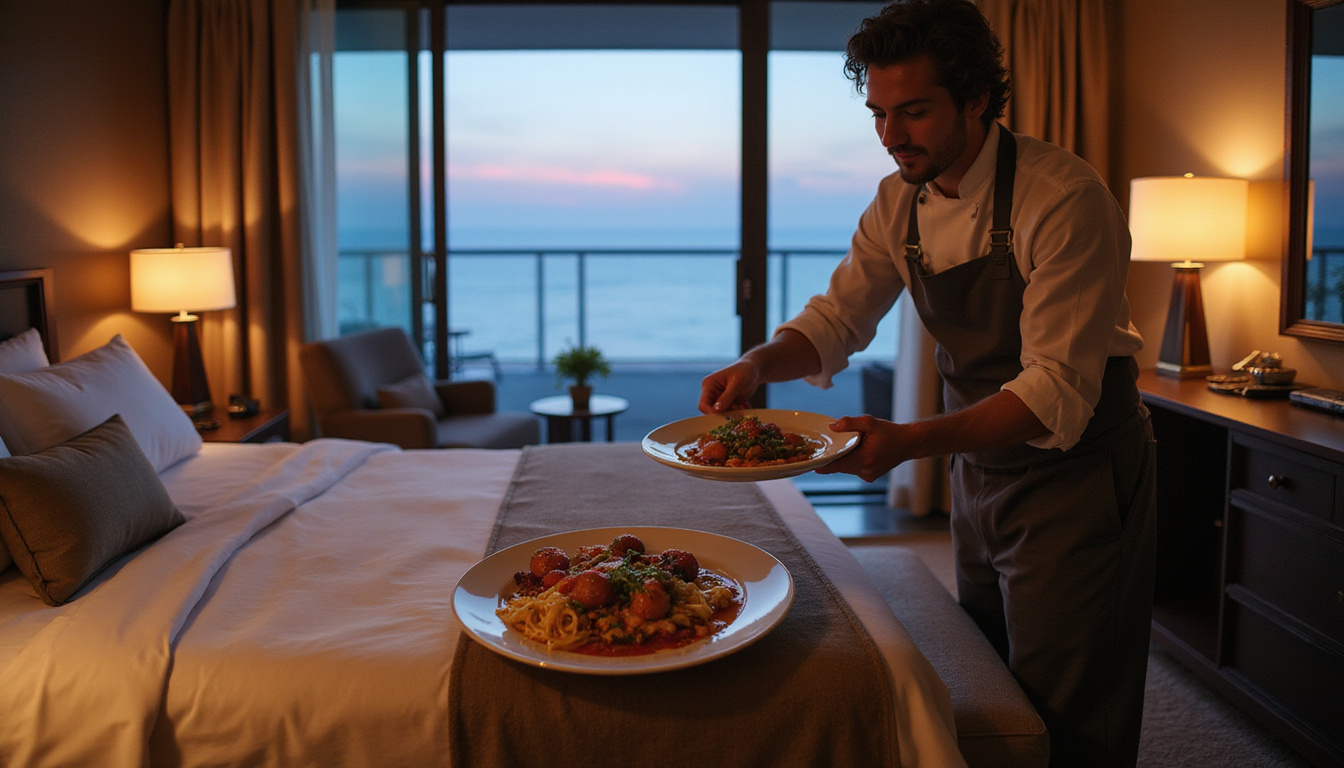
Private chef hotels change travel style. Here, you choose a place not for a bed alone but for a chef who makes meals just for you. You plan a romantic trip, a family break with good food, or a work retreat. You choose a stay where each bite counts.
Below is a clear, people-first guide to choosing and booking private chef hotels with trust.
What are private chef hotels?
The term "private chef hotels" covers many types of places. They are hotels, small boutique stays, or villas where:
- A chef or a small team cooks meals to match your taste.
- Menus are made for you or your group.
- You choose where to dine: your suite, a private terrace, rooftop, garden, beach, or at the chef’s table.
- The food is the main part of your stay.
Some hotels include on-site restaurants with extra chef services. Others work more like villas where a chef works in a small kitchen for only a few suites or one group.
Why choose a hotel with a private chef?
Before you pay high rates, be sure why you want a private chef hotel. Many pick these hotels because:
- They enjoy privacy and comfort. You eat in your suite or villa in comfy clothes.
- You get menus made to suit your taste. Guests with allergies or special diets win.
- You save time. Meals come to you without the need for bookings or extra rides.
- You feel the local flavor. Chefs use local goods and time-honored recipes.
- You mark a special moment. Proposals, anniversaries, birthdays, or small weddings feel more unique with bespoke dishes.
Knowing what you want helps you ask good questions and avoid extra costs.
Types of private chef hotel experiences
Private chef hotels do not all work the same. Knowing the main types helps you decide fast.
1. Fully private villa hotels with an in-house chef
These places work like a high-end home with hotel care. You usually book the whole villa or a large suite area and get:
- A chef who cooks breakfast, lunch, and dinner.
- Menu planning before you arrive.
- Grocery shopping and stocking based on your taste.
- A butler or host to plan the service.
Best for: Families, groups of friends, special celebrations, work retreats.
2. Boutique hotels with a chef’s table and private dining
Here, you may not have a chef just for you, but you can:
- Book a full, multi-course meal.
- Reserve a private dining room or rooftop.
- Enjoy a chef’s table set inside or near the kitchen.
- Ask for a special menu for an event.
Best for: Couples who love good food, small groups, and those who want both a lively dining area and private time.
3. Suites and residences with an “on-call” private chef
Some larger hotels or branded residences give you:
- A regular restaurant service for most meals.
- An option for a private chef when a special meal is needed (welcome dinner, BBQ, tasting meal).
- In-room cooking shows or classes.
Best for: Guests who want hotel ease with the chance to upgrade for special nights.
How to research and compare private chef hotels
Photos can be bright but not real. To choose smartly, look past the look and check these points.
Check the chef’s background and views
If the chef matters to you, know their start:
- How they trained and their experience. Do they have restaurant awards? Have they worked in fine dining? Are they good with local produce?
- What type of food they cook. Classic French, Mediterranean, Asian, modern Egyptian, plant-based, and more.
- What key dishes they make. Many hotels show a hero dish on their site or social pages.
- How open they are to your ideas or to re-create a favorite dish.
Look for chef talks, press, or guest reviews that praise the food quality and ideas.
Read guest reviews about the food
When you read reviews, spot words like “private dinner,” “chef,” “tasting meal,” or “in-room dining.” See if many guests:
- Praise the taste and looks of each dish.
- Mention the chef’s care with special diets.
- Talk about portions, timing, and the cost.
- Note a service that feels warm and friendly.
Long and clear reviews help you know the hotel works as promised.
Understand what cost it and what is extra
A key detail is the cost layout. Check:
- If the chef fee is in the room rate or separate.
- How ingredients are charged: by cost, per person, or with a markup.
- If there is a fixed price for a menu or if all is made to order.
- If breakfast and small bites are included or if only main meals count.
- If taxes or service fees are in the menu price.
This check stops surprises when you pay the bill, especially on long stays.
Key questions to ask before you book
Before you book, get clear answers to take care of both your cost and your plans. Ask your hotel or travel helper these practical questions:
Menu planning and change
- How many days before can menus be set?
- Will you make dishes that are not on the sample menu?
- How many options will be on the menu per meal?
Dietary needs and rules
- How do you handle allergies such as gluten, nuts, shellfish, or dairy?
- Can you meet needs for halal, kosher-style, vegetarian, vegan, or low-FODMAP diets?
- How do you avoid mix-ups if there is a severe allergy?
Meal times and timing
- What times are meals set for?
- Are early breakfasts or late dinners possible?
- How much time is needed to change a meal time?
Clear pricing
- Do you show sample menus with prices?
- Are drinks part of the price, or what are their costs?
- Is there a minimum spend for the chef service?
Get a written note of main details (email works fine) to make your stay smooth.
Budgeting for a luxury food stay
Private chef hotels range from budget-friendly to high-end. To set a good budget, keep in mind:
- The nightly rate for the room or villa. This may be the largest cost.
- The cost per meal or per person for a private dinner or tasting meal.
- The cost for groceries and fresh ingredients. Some villas charge these at market cost.
- Alcohol or special drinks. They can add extra cost.
- Service fees and tips. Some spots include these in the price; others add them.
Many guests feel that while the listed rate seems high, the overall value is strong compared to eating three meals at fancy restaurants—especially for families or groups who might pay for many restaurant visits each day.
For a general check on budgeting and hotel types, travel groups like the UNWTO share data that can help you set costs (source: UNWTO).
Making the most of your private chef stay
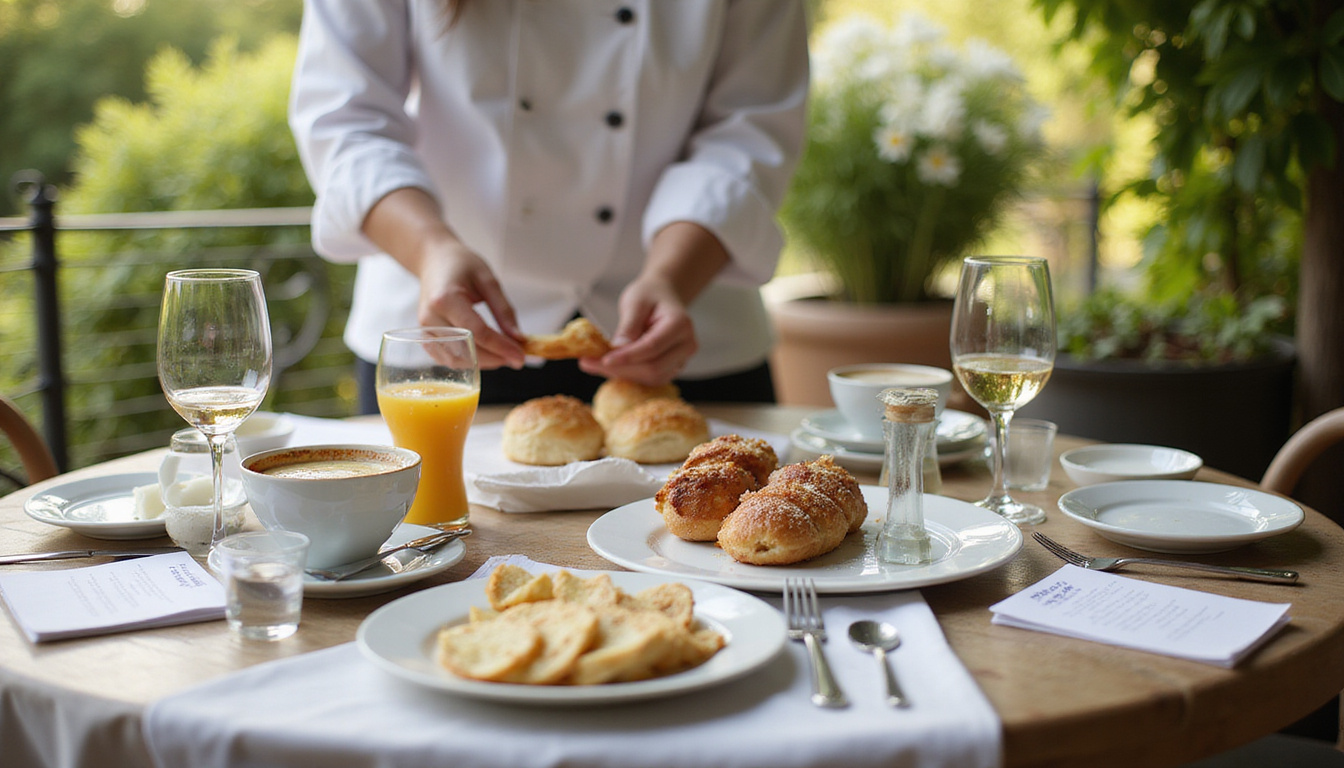
When you book your stay, some planning can change "good meals" into "memorable times."
Share your taste in detail
A pre-arrival form or email is a chance to be clear:
- Tell your favorite food styles and ingredients.
- List food you do not like or find too heavy.
- State any diet rules (health, belief, or life choices).
- Mention if you have a special day to celebrate.
Chefs work best when you give a clear list of likes and dislikes.
Plan a food story for your trip
Think of your stay as a short meal journey. You might:
- Start with light, easy dishes after your travel.
- Plan one or two full tasting meals in the middle.
- Set a night for local dishes.
- End with a relaxed sharing dinner on the last night.
Mix stronger food moments with gentler meals. This way, you enjoy the food without a rush.
Ask for local, seasonal hints
One strength of private chef hotels is that you meet someone who knows the local food well. Ask your chef:
- What ingredients are best now.
- What dishes locals enjoy at home or on special days.
- If they can use hints from street food or known recipes.
This often leads to finds you would not see on a regular menu.
Turn meals into shared moments
Many chefs go past serving food. They may also set up:
- Cooking classes or shows.
- Visits to local markets followed by a quick meal with fresh finds.
- Tastings of wine, tea, or spices.
- Theme nights (like a feast of seafood or a grill night).
- Family pizza or BBQ nights where guests help cook.
Tell your chef you prefer not just to eat but to take part and learn.
Common pitfalls to avoid
Even the best private chef hotels can face issues without proper planning.
- Assume not all things are endless. Check what "all meals" means; it might not give top-ed steak every time.
- Do not hide any allergies. Chefs need time to choose safe ingredients.
- Do not pack your days too tight. A long tasting meal does not mix well with a busy sightseeing day.
- Do not ignore local customs. In some places, certain foods or service ways need special care.
- Do not skip your feedback. If a dish seems too salty or spicy, tell the chef kindly so that the next meal fits better.
Who benefits most from private chef hotels?
Food lovers lead the list. Yet, some travelers gain more:
- Families with children. They enjoy flexible meal times, dishes kids like, and a stress-free setting.
- Guests on a health trip. They get menus made for fitness and health.
- Remote workers and digital nomads. They enjoy high-quality meals without leaving the place.
- Groups with different diets. Vegans, meat lovers, and those with allergies share a table with ease.
- Couples marking a big day. Romance fills a candlelit terrace, surprise sweets, and wine paired by the chef.
If you fit one of these types, a stay with a private chef can boost your trip.
FAQ about private chef hotels
1. Are private chef hotels worth the cost compared to standard luxury hotels?
They can be, if food and privacy matter most to you. Guests who want a menu made for them, flexible meal times, and in-room dining often enjoy these stays more than hotels with busy restaurants.
2. How do I manage special diets at a hotel with a private chef?
Write your needs when you book and again before you arrive. Good hotels with private chefs set up menus for you and take care with labels and safety in the kitchen. Ask details on how meals are prepared.
3. Can I ask for certain cuisines or dishes from a private chef at a hotel?
Yes, in most cases. Many chef teams are glad to repeat a favorite dish, set up a themed night, or serve a particular cuisine if ingredients are available and you give enough time.
Book your next stay with food at the center
A new group of travelers picks spots not just for beaches, museums, or nightlife, but for the chefs who cook for them. Hotels with private chefs let you make every meal a personal, memorable moment—without the need for bookings, crowds, or compromise.
If you plan your next trip and need more than ordinary room service, start by listing hotels where the food is an essential part of your stay. Contact a few places, ask the questions above, compare menus and chef profiles, and choose the one that feels right.
Your next trip can be more than a break. With a private chef hotel, each meal can become the best food time you ever have.