
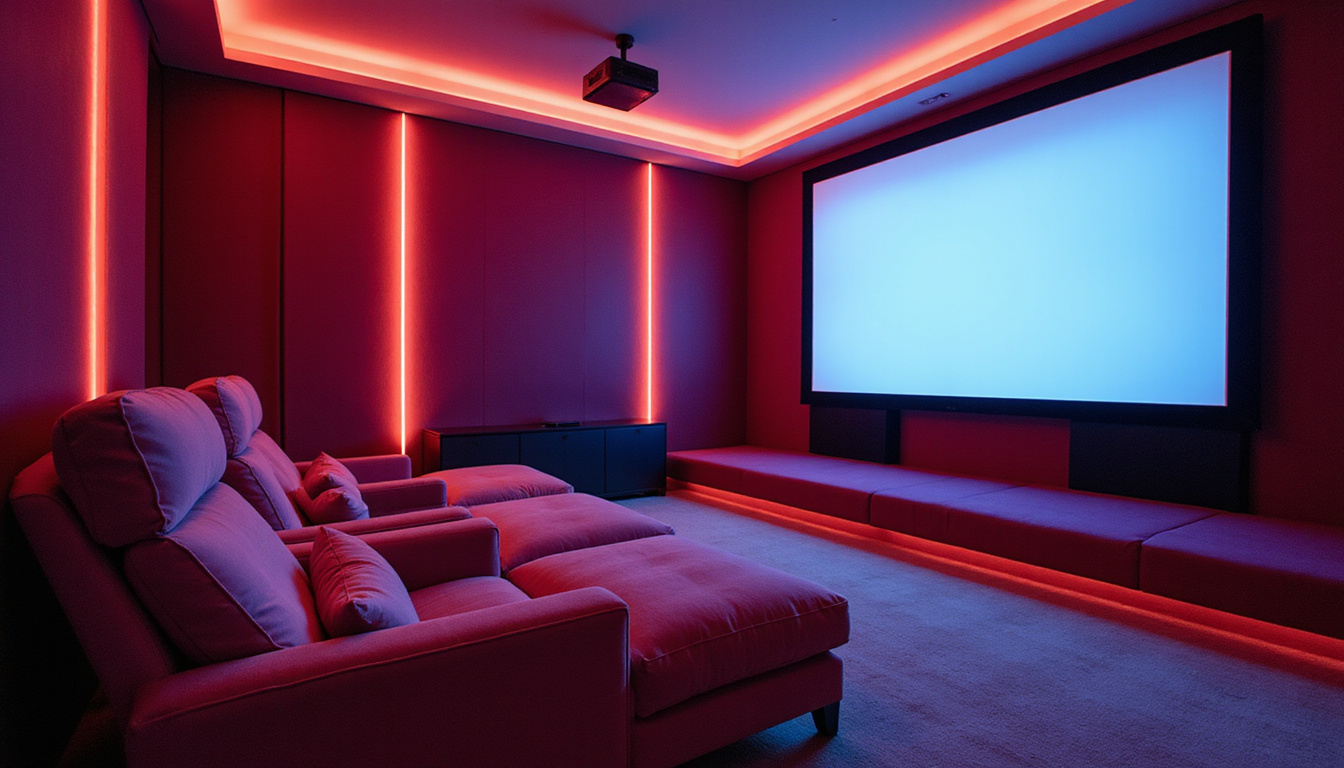
An in room cinema is not a dream for only mansions or mega-yachts. With a clear plan, the right gear, and smart design, you can turn a plain bedroom into a home theater that feels made for you. If you love movies, games, or TV shows, an in room setup brings you closer to your favorite content with ease and comfort—even if you lack a separate theater room.
Below is a step-by-step guide to design and build a bedroom cinema that looks upscale, sounds great, and stays within your budget.
1. Start with a Vision for Your In Room Cinema
Before you buy a gadget, decide how you will use your in room cinema. Choose your focus.
Ask yourself:
- Is this a main bedroom or just a guest room?
- Do you favor movies, sports, or gaming?
- Should the cinema look stay all the time or hide during the day?
- What is your budget?
This vision will link every decision. It ties together the screen type, seating, lighting, and storage.
Decide on the Room Layout
In a bedroom, the bed acts as the main seat. You must place the screen and speakers near it.
Common layouts:
- Screen is directly opposite the bed – the most common and simple plan.
- Screen sits at a small angle – a good choice when doors or windows use wall space.
- Projector hangs from the ceiling with a pull-out screen – this plan keeps the room tidy when the cinema is off.
Draw a simple plan. Mark the bed, note windows and doors, and show where cables may run.
2. Choose the Right Screen: TV vs. Projector
The screen is at the center of an in room cinema. In bedrooms, you usually choose a large TV or a projector with a screen.
Large TV: Sharp, Bright, and Simple
Best for daily use in small or bright rooms.
Key points:
• It is easy to mount and operate.
• It gives strong brightness and clear detail in daylight.
• It works well for games because lag is low.
• A smart TV has apps built in and a simple remote.
Check these features:
• Size: 55–75 inches fits most bedrooms; choose bigger if your wall and view allow.
• 4K picture and high detail for a crisp image.
• 120 Hz refresh rate helps with fast scenes in sports or games.
Projector + Screen: A True Cinema Look
Best for dark rooms or when you want a real cinema style.
Key points:
• It shows a huge image (100–120 inches or more).
• The idea mimics a theater style.
• You can hide a pull-out screen when you are not watching.
Consider these points:
• Throw distance: How far the projector stays from the screen.
• How bright it is: Dark bedrooms can work with 1,500–2,500 lumens.
• Noise from fans: Some devices can produce a quiet hum.
• Mounting options: A ceiling setup keeps things clear but takes more work.
When setting up, use painter’s tape on the wall to check the image size. Let the tape mark show how close the image sits next to your bed.
3. Audio: Make Your In Room Cinema Sound as Good as It Looks
Good sound makes up for more than just clear video. Sound in a bedroom must be managed well.
Option 1: A Soundbar System
A soundbar with a wireless subwoofer beats built-in TV speakers.
Look for:
• 3.1 or 5.1 channels that fill the room with sound.
• Support for height channels that add an extra sound layer.
• A wireless subwoofer that sits near a wall or corner for deep bass.
This option is a good mix of quality and ease of setup.
Option 2: A Compact Surround System
For a true theater touch, use a small AV receiver with slim speakers.
• Place left and right speakers on stands or mount them on the wall near the screen.
• Use small or built-in wall speakers for rear channels near the bed.
Keep the sound balanced in the room. A heavy bass or too loud volumes may disturb neighbors.
4. Comfort & Seating: Make Your Bed the Best Seat
The bed serves as the front row in your in room cinema. Make it a place of rest and support.
Ideas for comfort:
• An adjustable bed frame that lets you lift the head or feet for better view.
• A wide headboard with padding that offers back support and soaks up a bit of sound.
• A soft mattress topper to ease long sits.
• A mix of firm and soft pillows to suit rest or lounge.
You may add a small loveseat or chaise at the foot of the bed if you need extra seating without changing the room’s look.
5. Lighting: Create a Theater Feel at Home
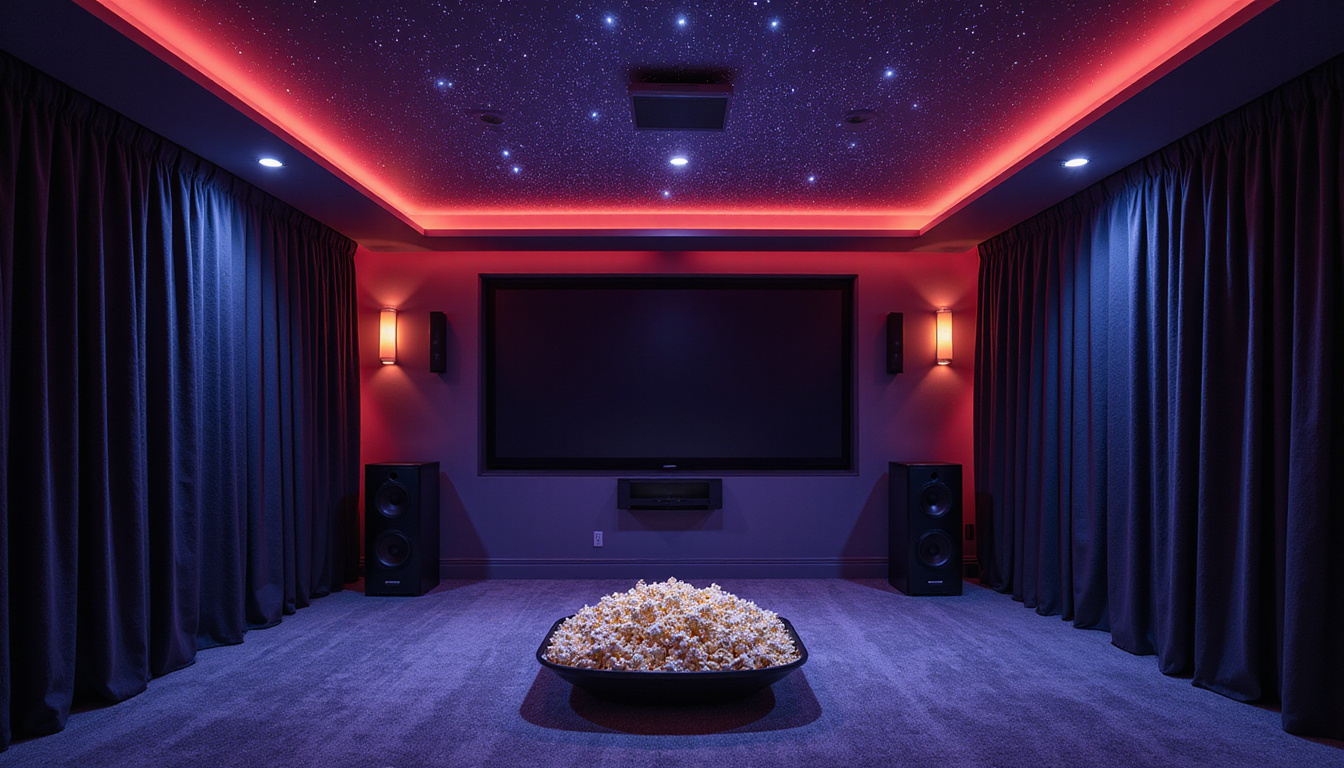
Lighting can mold the feel of your in room cinema. Build layers of light that work for both daily use and a movie session.
Types of Lighting to Use
- Dimmable ceiling lights let you bring down the brightness without total darkness.
- Wall lights set a soft glow similar to a boutique theater.
- LED strip lights behind the TV or under the bed add a gentle back glow.
- Smart bulbs let you change the light color and brightness from a device.
Tip: Use warm white light (around 2700–3000K) during movie time to keep the scene calm.
Light Control
To lock in the best view:
• Hang blackout curtains or blinds to block outside light.
• Use a door sweep to limit stray light from hallways.
• Place small floor or step lights to allow safe moves without bright glare.
6. Soundproofing & Acoustics: Keep Sound Neat and Clear
Beds often have thin walls or doors that let sound out. This can disturb others and affect your sound quality.
Easy fixes:
• Place thick rugs or carpets on the floor.
• Hang heavy curtains over windows and doors if needed.
• Use an upholstered headboard and soft items to soak up echoes.
• Fit door seals to keep gaps closed.
For extra care, add:
• Wall panels that soften sound on the wall behind the bed or screen.
• Bookshelves or decor on side walls that break up echo patterns.
7. Smart Controls: Automate Your Cinema Setup
A high-end in room cinema works like a smooth machine. Home tools can help you start a movie with one tap.
Smart features to add:
• A universal remote or smart hub that links your TV or projector, sound, and streaming box.
• Smart plugs and bulbs that set scenes like “Movie Night” and close motorized blinds.
• Voice control with a smart speaker so that saying “start movie night” begins the show.
Even if it is not needed, these smart parts make the room feel extra refined.
8. Design & Décor: Create a Cozy Theater, Not a Gadget Heap
A good in room cinema mixes tech with art. The room should feel chosen and calm.
Design ideas:
• Choose a color mix with deep blue, charcoal, or burgundy. These tones add depth and warmth.
• A feature wall behind the screen or bed can build drama.
• Hide storage by using media consoles, drawers under the bed, and cable channels.
• Keep cables out of sight by using covers that match your wall color.
Add small hints of cinema:
• Hang movie posters or minimal film art in frames.
• Keep a small snack station with bowls for popcorn.
• Have a neat spot to hold remotes.
Personal touches keep the space friendly instead of sterile.
9. Budgeting Your In Room Cinema: Spend Smartly, Save Where You Can
A rich feel does not need a rich price tag. Think about where your money works best.
Spend more on:
• The main screen – whether a TV or a projector and screen.
• The sound system, since it fills the room with life.
• Blackout tools to keep the picture clear.
You can save by choosing:
• Affordable decor like simple prints or ready-made shelves.
• Standard cables and accessories that work well without the extra cost.
• Used or older models that give good performance at a lower cost.
Prices for home theater gear have come down over the years as tech grows. This cost trend can help you build a room cinema on a fair budget.
10. Step-by-Step Setup Checklist
Use this list to keep your work in order:
- Measure the room and determine the view distance for your screen.
- Decide which wall will show the screen and how the bed is placed.
- Plan for electrical outlets, cable paths, and mount spots on walls or ceiling.
- Buy the key gear: TV or projector, audio system, mounts, and cables.
- Hang blackout curtains or blinds and add basic sound softening like rugs and curtains.
- Mount the screen and speakers or set the soundbar; join all devices.
- Set layers of light with dimmers, smart bulbs, and LED strips.
- Hide cables, add art, and place small decor items.
- Adjust the picture, sound, and smart settings.
- Test with a favorite movie or game and make changes until it feels just right.
FAQ: In Room Cinema Basics
How big should a screen be for a bedroom home cinema?
For most set-ups, a 55–75 inch TV works well with a viewing distance of 2.5–3.5 m (8–12 ft). In a darkened room, a 100–120 inch screen from a projector can give a strong movie feel without taking over the space.Can I set up a home theater in a small bedroom?
Yes. A small in room theater works well even in tight spaces. Use a 50–65 inch TV, a slim soundbar, blackout curtains, and smart lighting. Wall-mount the TV and speakers and hide extra items under the bed to keep the room open.Do I need a professional for installation?
Often you can do the work yourself with TVs and soundbars. If you choose a ceiling-mount projector or in-wall speakers, or work on extra soundproofing, a pro may help. If you have doubts on heavy work or new wiring, getting expert help keeps you safe.
Bring Your In Room Cinema Dream to Life
A well-planned in room cinema turns your bedroom into more than a spot for sleep. It also becomes a private space for movies, games, and quiet time after a hard day. With the right screen, sound system, lighting, and design, you can build an experience that feels upscale and fits your taste and budget.
Start by planning your layout and must-have parts. Then, make upgrades one step at a time. Your ideal cinema can begin right where you rest.