
On June 15, 2026, Egypt and the European Union (EU) took a significant step towards a sustainable future by formalizing a financing agreement worth €690 million (approximately EGP 39 billion).
This initiative focuses on enhancing Egypt’s electricity transmission network and integrating renewable energy sources, which is crucial for meeting the country’s growing energy demands and reducing carbon emissions.
The financing structure includes a loan of €600 million from the European Investment Bank’s development branch, EIB Global, supplemented by grants of up to €90 million from the European Commission.
This partnership between Egypt and the EU not only signifies a commitment to renewable energy but also represents a strategic move towards energy independence and sustainability.
As Egypt aspires to be a regional leader in renewable energy, this collaboration is set to play a pivotal role in modernizing the national grid and supporting substantial contributions from renewable sources.
Key Takeaways
- Egypt and the EU have committed €690 million to enhance Egypt’s electricity transmission network and promote renewable energy integration.
- The project aims to connect 22 GW of renewable energy sources, potentially powering nearly 10 million homes by
2030. - This collaboration is part of a broader EU initiative to support renewable energy and private sector participation in Egypt’s energy efficiency efforts.
Overview of the Financing Agreement
On June 15, 2026, Egypt and the European Union (EU) formalized a transformative financing agreement amounting to up to EUR 690 million (or approximately EGP 39 billion) with a clear objective: to enhance Egypt’s electricity transmission network and promote the integration of renewable energy sources.
This pivotal agreement is structured with a EUR 600 million loan from the European Investment Bank’s development branch, EIB Global, along with grants that can reach up to EUR 90 million from the European Commission.
Spearheaded by the Egyptian Electricity Transmission Company (EETC), the initiative aims to modernize the national grid to facilitate the connection of around 22 gigawatts (GW) of renewable energy, sufficient to power nearly 10 million homes by
2030.
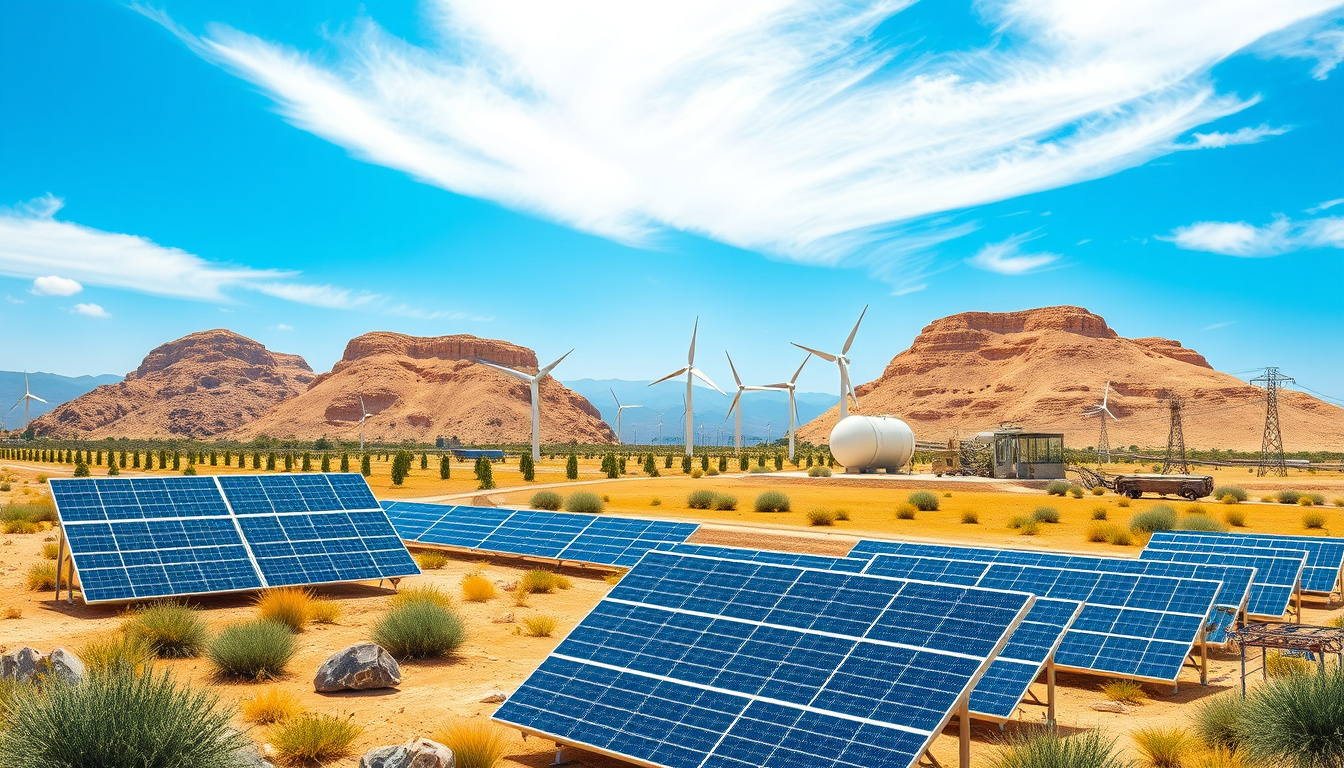
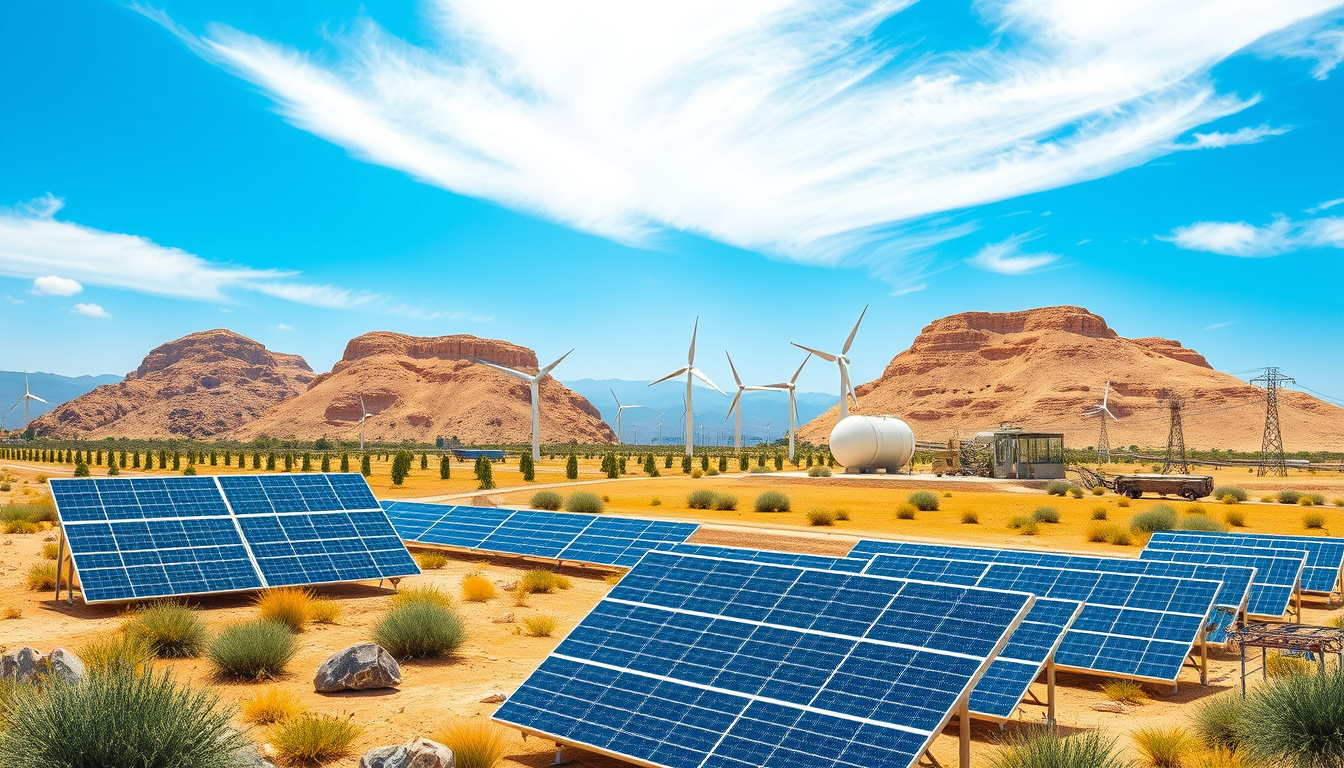
To realize this vision, the project will see the construction of advanced substations and transmission lines designed to capture solar and wind energy from the abundant resources of the Red Sea and Gulf of Suez regions.
The expected upgrades are projected to significantly reduce transmission losses, bolster electricity reliability, and enhance energy security, creating a sustainable framework conducive to economic growth.
Notably, the EU’s investment covers 44% of the total project costs, with the remainder funded through EETC’s financial resources.
This initiative is a crucial aspect of a larger EU-led strategy in Egypt, which not only emphasizes solar energy investments but also promotes private sector engagement in renewable energy and energy efficiency, aligning with global sustainability goals.
Impact on Egypt’s Renewable Energy Sector
The impact of this financing agreement on Egypt’s renewable energy sector cannot be understated.
By facilitating the integration of 22 GW of renewable resources into the national grid, Egypt is taking significant strides toward its goal of increasing the share of renewable energy in its energy mix.
This will not only help the country meet its domestic energy demands but also enhance its position as a regional leader in renewable energy production.
The upgrades to the electricity transmission network, including the construction of advanced substations, are expected to optimize the energy flow and mitigate transmission losses, which are critical for maintaining the stability and reliability of the electricity supply.
Furthermore, the ability to harness renewable energy from prime locations such as the Red Sea and Gulf of Suez opens up new opportunities for innovation and investment in energy technologies.
As the project unfolds, it is poised to create jobs and stimulate economic growth, while also promoting environmental sustainability by reducing reliance on fossil fuels.