
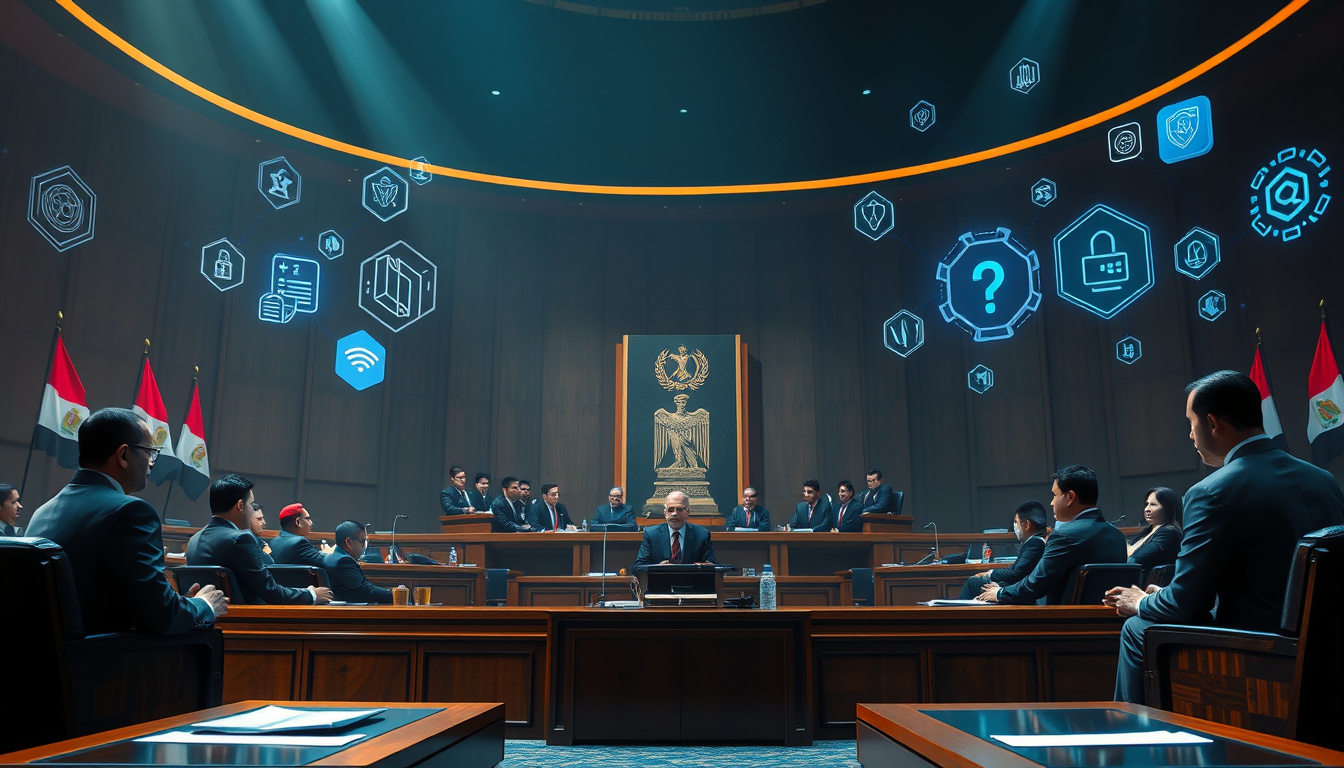
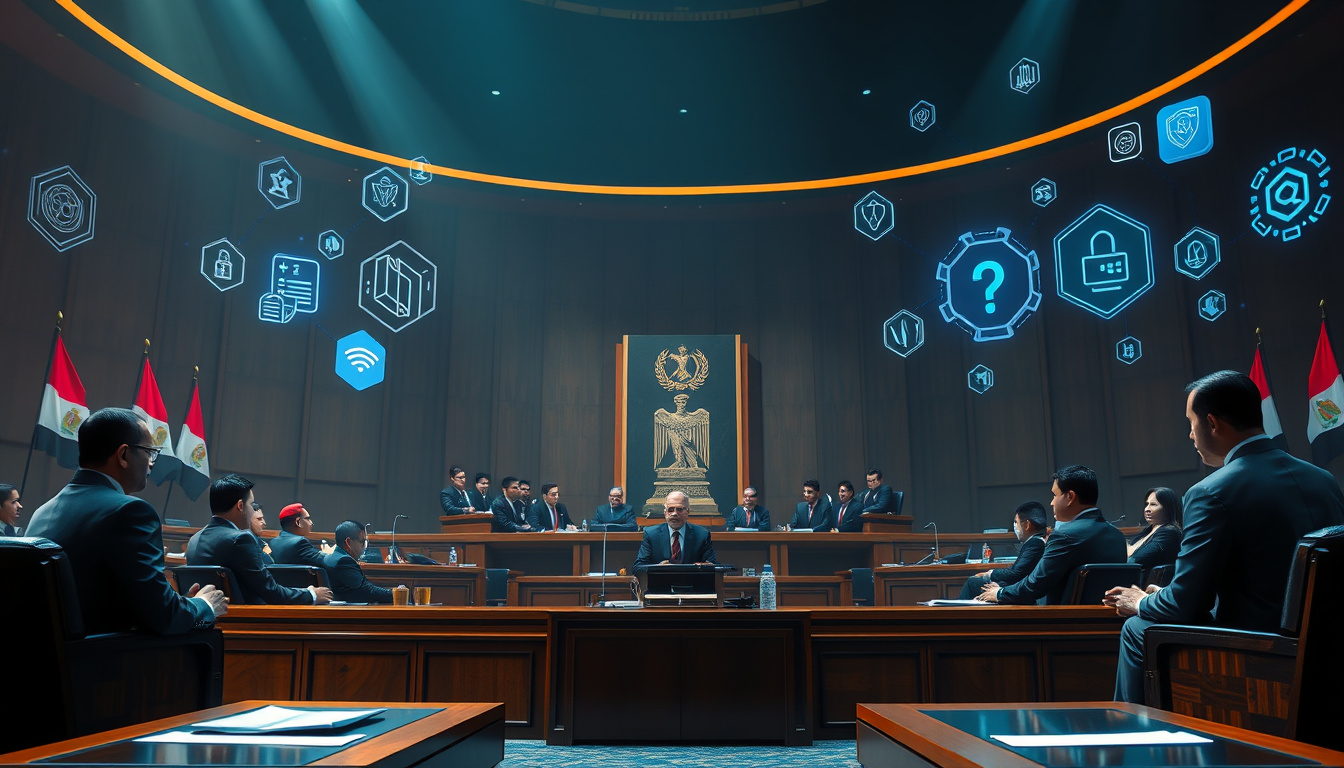
In a significant move to enhance the digital landscape of Egypt, the parliament is gearing up to review crucial amendments to the Cybercrime Law.
This initiative, as conveyed by MP Ahmed Badawi, aims to address pressing issues such as online betting, cyber extortion, and the dissemination of misinformation across social media platforms.
With a notable increase in online fraud linked to gambling sites, these amendments are set to impose stricter regulations and heavier penalties, including potential life imprisonment for severe offenders.
As Egypt navigates the complexities of internet regulation, the upcoming changes reflect the government’s commitment to protecting citizens and fostering a safer online environment.
Key Takeaways
- Egypt’s parliament aims to criminalize online betting with new amendments to the Cybercrime Law.
- The proposed changes also seek to regulate cyber extortion and misinformation on social media.
- Legislation regarding children’s use of social media is also in development, reflecting broader concerns about internet regulation.
Amendments to the Cybercrime Law: Focus on Online Betting and Cyber Extortion
In recent legislative developments, Egypt’s parliament is gearing up to review significant amendments to the Cybercrime Law, primarily targeting online betting and the pervasive issue of cyber extortion.
As reported by MP Ahmed Badawi, who heads the House of Representatives’ Communications and Information Technology Committee, these modifications aim to tackle the rise in fraudulent activities associated with online gambling platforms, which have proliferated in recent years.
Notably, Egypt’s current laws do address various cybercrimes; however, they lack explicit provisions for online gambling, leaving a legal gap that creates opportunities for exploitation.
The proposed changes, expected to be submitted post-Eid al-Adha, aim to close this gap, with discussions around potential penalties escalating to life imprisonment for egregious cases linked to organized crime.
Moreover, the amendments will also focus on tightening regulations against cyber extortion and misinformation—a growing concern as social media continues to amplify false narratives that can contribute to public distress.
Badawi has highlighted the necessity of implementing penalties for individuals who propagate misleading information online.
In addition to the cybercrime amendments, parliament is actively progressing on a draft law aimed at overseeing children’s interaction with social media, reflecting a commitment to safeguard youth in the digital landscape.
Collectively, these initiatives underscore Egypt’s intention to create a safer online environment while fostering a more responsible digital culture.
Regulating Misinformation and Children’s Social Media Use in Egypt
The proposed reforms not only target the immediate threats associated with online gambling and misinformation but also emphasize a comprehensive strategy for protecting vulnerable populations, particularly children, in the digital realm.
As Egypt grapples with the rapid rise of social media usage among its youth, the parliament’s initiative includes stringent measures designed to promote safe online practices.
This draft legislation aims to limit children’s exposure to inappropriate content and ensure that parental controls are robust and effective.
By fostering open dialogue during hearings and involving stakeholders in discussions, Egyptian lawmakers are taking a proactive stance on social media governance.
Moreover, the focus on misinformation highlights the need for media literacy education, equipping both parents and children with the necessary skills to navigate the online landscape critically.
With these combined efforts, Egypt is on a path to enhance digital safety while addressing the multifaceted challenges posed by the internet.