
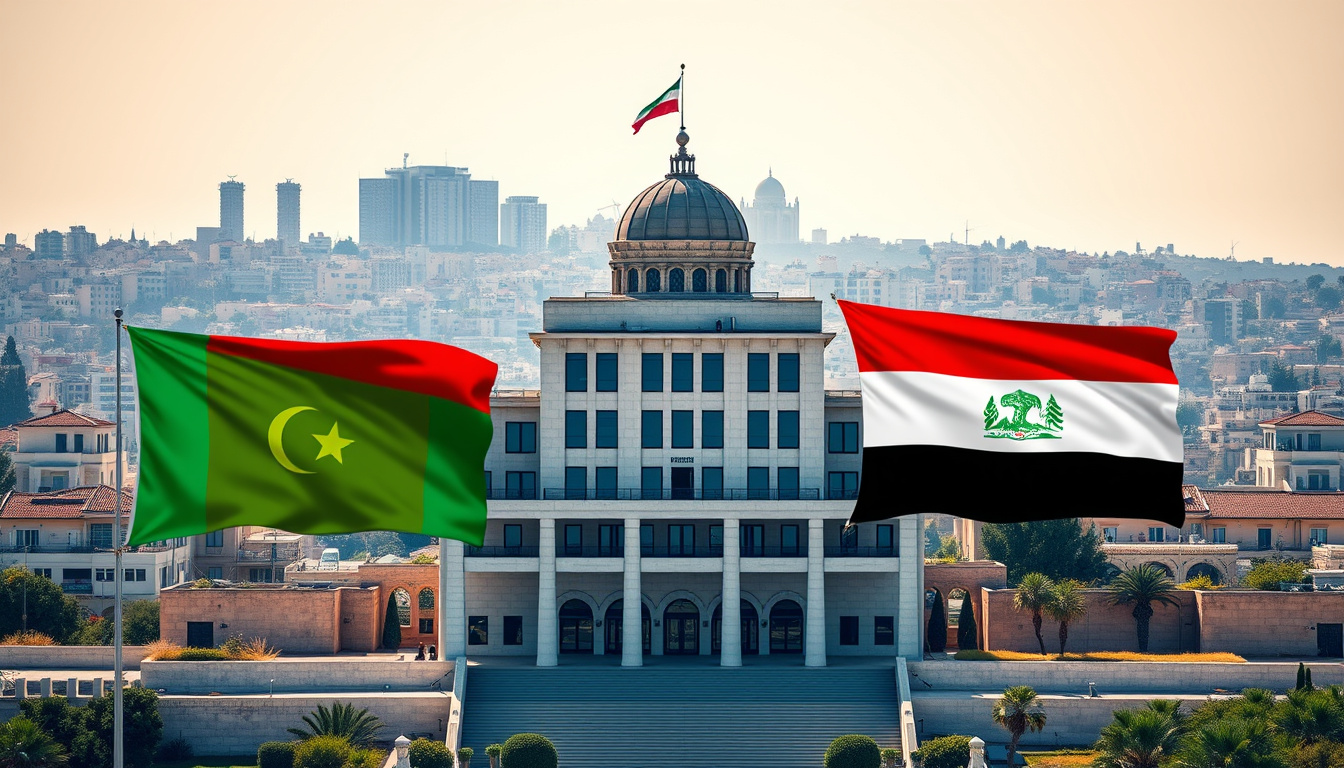
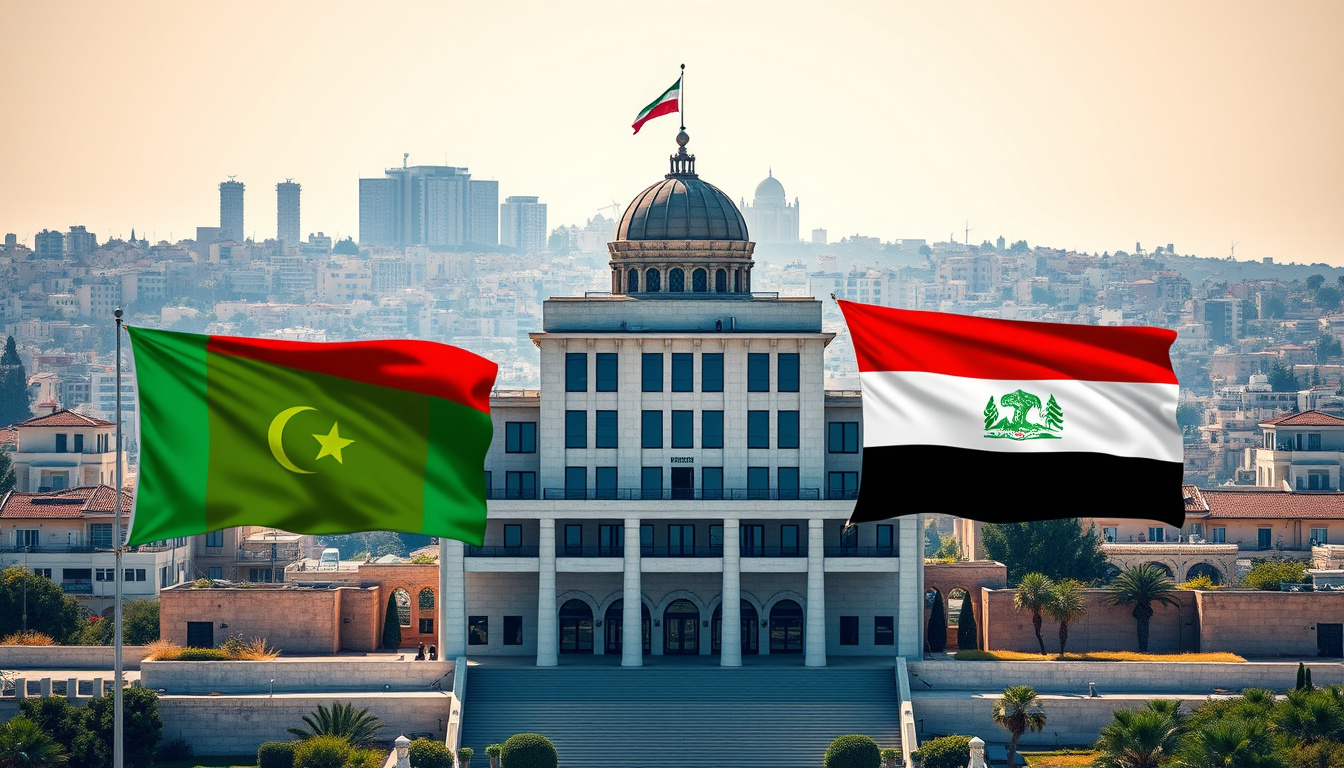
On May 21, 2026, Egypt took a firm stance against the recent opening of an alleged embassy for the Republic of Somaliland in occupied East Jerusalem.
This move by the Egyptian government serves as a pivotal declaration on the legality of territorial claims in one of the most contentious regions of the world.
In this article, we will delve into Egypt’s condemnation of this action, the implications it holds for international law, and its relevance to Somali sovereignty.
With tensions rising in the context of Israel’s recognition of Somaliland, understanding Egypt’s position is crucial for grasping the broader geopolitical landscape.
Key Takeaways
- Egypt condemned the opening of the Somaliland embassy in East Jerusalem as illegal and against international law.
- The condemnation reinforces Egypt’s support for Somalia’s territorial integrity amidst rising tensions in the region.
- Egypt’s stance reflects its adherence to UN Security Council resolutions regarding the status of Jerusalem.
Egypt’s Position on East Jerusalem and International Law
Egypt has taken a definitive stance regarding the situation in East Jerusalem and its implications on international law.
On May 21, 2026, the Egyptian government condemned the opening of what was described as an embassy for the Republic of Somaliland in occupied East Jerusalem.
This move was characterized as illegal and contrary to international norms, with Egypt underscoring that East Jerusalem has been designated as occupied Palestinian territory since the 1967 war.
The Egyptian administration asserted that any efforts to alter this designation are devoid of legal validity, reinforcing its position through references to numerous UN Security Council resolutions that denounce Israeli actions aimed at modifying the status of Jerusalem.
Moreover, Egypt’s condemnation is not solely focused on East Jerusalem; it extends to the integrity of Somalia.
By reiterating its support for Somalia’s unity and sovereignty, Egypt has clearly articulated its refusal to recognize any unilateral measures that could undermine Somali territorial claims.
This declaration arrives in the context of heightened tensions stemming from Israel’s recognition of Somaliland—a region that has declared independence from Somalia since 1991, yet remains largely unrecognized on the global stage.
Egypt’s firm statement not only reflects its commitment to international law regarding Jerusalem but also highlights its role in advocating for the territorial rights of Somalia in a complex geopolitical landscape.
Support for Somali Sovereignty and Territorial Integrity
In light of recent geopolitical developments, Egypt’s stance on the recognition of Somaliland amid tensions in East Jerusalem presents both legal and diplomatic complexities.
The Egyptian government, adhering strictly to international law, maintains that any moves attempting to alter the status of East Jerusalem are invalid.
This perspective is rooted in a commitment to upholding Palestinian rights, reaffirmed through its historical position on the city’s status since the 1967 conflict.
As Egypt publicly supports Somalia’s sovereignty, it also expresses apprehension about external influences that may destabilize the Horn of Africa.
The integration of Somalia’s territorial claims into the broader dialogue around East Jerusalem highlights the interconnected nature of global territorial issues, where the stakes are not just confined to regional politics but echo internationally, affecting alliances and diplomatic relationships.