
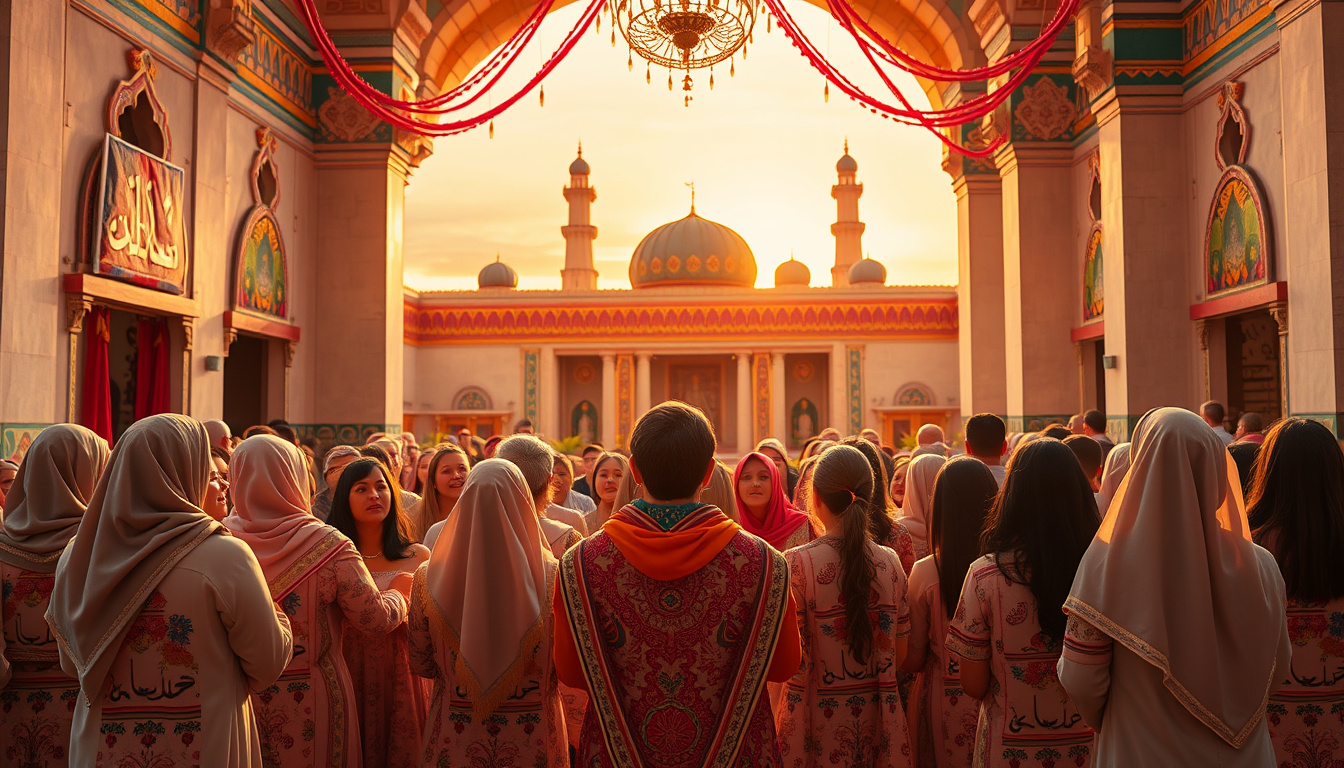
In the rich tapestry of Christian worship music, few songs transcend language and culture as beautifully as Ha Hallelujah, an inspiring Arabic Christian anthem originating from Egypt. This heartfelt hymn gracefully blends profound spiritual declarations with melodic artistry, creating an experience that resonates deeply with believers worldwide. This article explores the song’s powerful lyrics, musical influence, and the spiritual essence that has made it a beacon of worship in Arabic-speaking Christian communities and beyond.
The Essence of Ha Hallelujah: A Song of Worship and Redemption
Ha Hallelujah is more than just a song — it is a proclamation of faith, worship, and the transformative power of Christ’s sacrifice. The anthem expresses themes of adoration, surrender, and the victory of Jesus as the "Lamb that was slaughtered," whose grace changes lives. Throughout the song, the worshiper’s heart is depicted as submitting wholly to God, embracing Him with reverence and praise.
A Heart United in Worship
The opening lines, "Oh my God, my heart is worshiping You (Ya elaahi, ana albi byusjud leek)," immediately establish the intimate connection between the believer and the Divine. The repetition of this heartfelt submission highlights a continual offering of the self to God, a sacred act deeply rooted in Christian spirituality. This submission is not passive but vibrant, filled with awe towards the one who “was died instead for me” and who “carries all my burdens.”
Christ as the Redeeming Lamb
One of the central motifs of Ha Hallelujah is the profound acknowledgment of Jesus as the Hamal mathbouH a’anni — the Lamb who was slaughtered for humanity’s redemption. This imagery draws from biblical symbolism (notably the sacrificial lamb in Christian doctrine), emphasizing the selfless love and salvation provided by Christ’s sacrifice. Hearing this refrain, worshippers are reminded of their spiritual renewal and liberation: "My life was lost but You bought it back."
The Theological and Cultural Significance of the Song
Rooted in Egyptian Christian Tradition
Ha Hallelujah reflects the vibrant traditions of Egyptian Christianity, where Arabic serves as the primary language of worship. Egyptian Christians, predominantly Coptic Orthodox and Catholic communities, have long cherished hymns that merge their cultural language with deep spiritual themes. This anthem continues that tradition, offering an accessible and emotionally compelling medium for expressing faith.
Universal Appeal Through Arabic Language
Arabic, a language rich in poetic tradition, lends itself beautifully to worship music. The song’s lyrics convey theological depth with poetic simplicity, capturing concepts of divine majesty and personal transformation in evocative phrases. Expressions such as "Your authority sets me free (leek a’alama sultanak beyHarrarni)" and "You are high, above every name (Innta ‘aalii fouk kulli issme mahma ykuun)" glorify God’s supreme power in a way that touches hearts beyond cultural boundaries.
Musicality and Emotional Impact
Ha Hallelujah’s melodic structure accentuates its themes of reverence and joy. With a gently rising tempo and repetitious refrains, the song invites congregational participation. The use of call-and-response patterns in Arabic worship services plays a crucial role in enhancing communal worship, allowing individuals to express personal devotion collectively.
The anthem’s blend of repetitive, worshipful phrases with crescendos of joyful acclamations (such as the energetic Hallelujahs) effectively stirs emotions, transitioning worshippers from solemn reflection to exuberant praise. This ebb and flow mirror the spiritual journey from surrender to celebration.
Lyrics Highlight: A Closer Look at Key Verses
- “Oh my God, my heart submits to You” — A direct acknowledgment of surrender, this line embodies the essence of worship: yielding one’s will to God.
- “You are the Lamb that was slaughtered for me” — Central to Christian theology, this phrase emphasizes the Savior’s sacrifice as the foundation of faith and gratitude.
- “Your authority sets me free” — This powerful declaration recognizes God’s sovereignty as a liberating force, freeing believers from spiritual bondage.
- “All glory, honor, and dignity are for You” — A doxological statement offering praise and acknowledging God’s supreme worthiness.
- “King of Kings, Your glory overflows around us” — A majestic image celebrating God’s reign and visible presence in the lives of believers.
Each of these lyrical components deepens the spiritual resonance of the song, weaving a comprehensive picture of Christian devotion.
The Impact of Ha Hallelujah on Worship Communities
This anthem has become a staple in many Arabic-speaking churches worldwide. Its effectiveness in stirring heartfelt worship makes it a favorite during moments of corporate prayer, celebrations, and spiritual gatherings. For diaspora communities far from Egypt, Ha Hallelujah serves as a melodious link to their faith heritage and cultural roots.
Furthermore, the song’s accessible language and melody have encouraged inclusive worship spaces, inviting participation from diverse age groups and backgrounds. Its repetitive yet profound nature ensures that even those new to the faith can engage meaningfully.
Frequently Asked Questions (FAQ)
Q1: What does "Ha Hallelujah" mean?
“Ha Hallelujah” is a phrase combining the joyous exclamation “Hallelujah,” meaning “Praise the Lord” in Hebrew, with an Arabic emphasis sound “Ha,” enhancing the celebratory energy of the song. Together, they evoke enthusiastic praise.
Q2: Who composed the song Ha Hallelujah?
The song is a popular Arabic Christian worship anthem sung in various churches. While specific authorship may vary, it is widely embraced in Egyptian Christian musical traditions as a communal expression of worship.
Q3: What language is Ha Hallelujah sung in?
Ha Hallelujah is sung in Arabic, specifically reflecting the dialect and linguistic style common in Egyptian Christian communities.
Q4: What is the theological theme of the song?
The song centers on the themes of worship, surrender to God, Jesus Christ as the sacrificial Lamb, redemption, divine authority, and victorious praise.
Q5: Is Ha Hallelujah used in specific church services?
Yes, Ha Hallelujah is often incorporated into Arabic Christian liturgies, congregational worship sessions, prayer meetings, and joyous celebrations such as Easter and Christmas.
Conclusion
Ha Hallelujah stands as a soul-stirring anthem that beautifully marries the rich spirituality of Christian worship with the lyrical elegance of the Arabic language. Rooted deeply in Egyptian Christian heritage and resonating universally with themes of redemption, divine majesty, and heartfelt surrender, it invites believers into a joyous and transformative encounter with God. Whether experienced within the walls of a church or in personal devotion, the song continues to uplift hearts and unite worshippers across cultures, truly embodying the spirit of praise—Hallelujah!
In a world longing for genuine expressions of faith, Ha Hallelujah shines through as a vibrant testament of love, grace, and divine adoration, reminding us all of the beauty found in worship through every language and culture.