
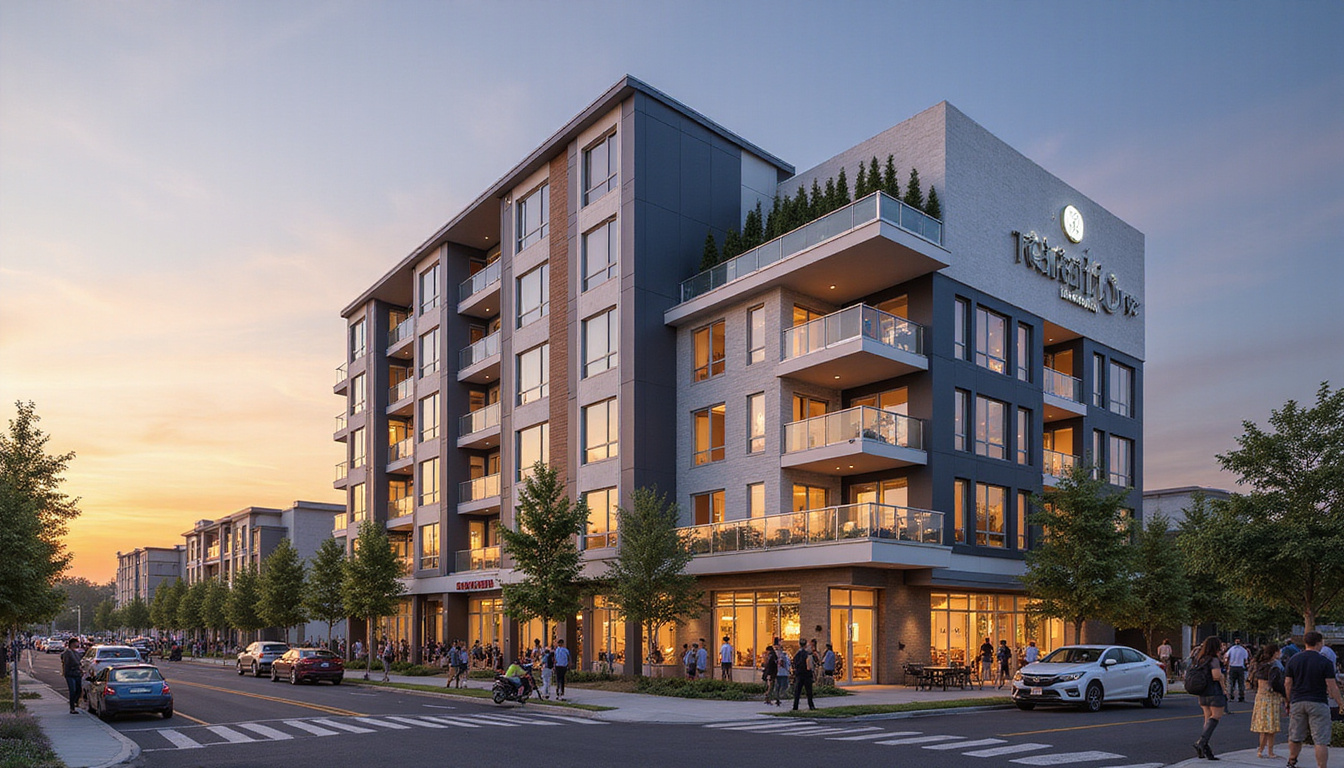
The build to rent model has transformed from a niche concept into one of the most dynamic asset classes in modern real estate. Instead of designing homes primarily for individual buyers, developers now plan, construct, and operate properties specifically for renters. When done well, build to rent (BTR) assets can deliver stable occupancy, resilient cash flow, and long‑term capital appreciation. When done poorly, they can suffer from costly voids and underwhelming returns.
This guide walks through practical, people‑centric strategies to boost both occupancy and profits in your build to rent portfolio—whether you’re a developer, operator, or investor exploring markets from Europe to the Middle East and North Africa, including Egypt’s rapidly evolving rental landscape.
What makes build to rent different?
Before diving into tactics, it’s essential to understand what sets build to rent apart from traditional multi‑family or for‑sale developments.
Purpose‑built for renters
In BTR, every decision—unit mix, amenities, services, technology—is made with the long‑term renter in mind. You’re not optimizing for a one‑time sale; you’re optimizing for:
- High, stable occupancy
- Strong tenant satisfaction and retention
- Operational efficiency over 10–30+ years
This long‑term lens changes everything about how you design, market, and operate the property.
Income‑driven, not exit‑driven
Where a for‑sale project focuses on selling out quickly at the highest price per unit, build to rent values:
- Net operating income (NOI)
- Rent growth potential
- Tenant churn and lifetime value
- Operating expenses as a percent of revenue
Profit maximization is about the quality and predictability of cash flow rather than a one‑off capital gain.
Designing BTR properties that practically lease themselves
Occupancy and profits start with product–market fit. If your property doesn’t match what local renters actually want and can afford, no amount of clever marketing will save it.
1. Right‑sizing and right‑mixing your units
The ideal unit mix depends on your target segment and local demand. Data sources such as national statistics offices, census data, and reputable consultancies (e.g., JLL, CBRE, Knight Frank) can help you understand household sizes, incomes, and rent‑to‑income ratios in your market (source: JLL Global Research).
Key questions:
- How many studios vs. 1‑, 2‑, and 3‑bed units does your renter pool need?
- What’s the sweet spot in terms of unit size vs. achievable rent?
- Are there specific demographics—students, young professionals, families, expats—whose requirements are underserved?
In Egypt and similar emerging BTR markets, for example, demand for compact, well‑located units among young professionals and expats may outstrip larger family‑sized apartments, particularly in new‑urban communities and near major employment hubs.
2. Amenities that actually drive premiums (not just cost)
Amenities should do at least one of three things:
- Increase achievable rent per square meter
- Improve retention and reduce churn
- Reduce operating costs or maintenance over time
High‑impact amenities for many build to rent projects include:
- Co‑working lounges and meeting rooms
- Secure parking and bike storage
- Smart parcel lockers for e‑commerce deliveries
- Well‑designed communal kitchens / social lounges
- Fitness rooms or partnerships with nearby gyms
- Reliable high‑speed internet baked into the lease
Over‑building luxury amenities that few tenants use (e.g., rarely used rooftop pools with high maintenance costs) can erode NOI. Prioritize features that match your tenant profile and local culture.
3. Thoughtful, durable interior specs
The most profitable BTR interiors balance:
- Durability: Hard‑wearing flooring, easy‑to‑clean surfaces, robust fixtures
- Timeless design: Neutral, modern finishes that won’t date quickly
- Ease of maintenance: Standardized appliances and materials for bulk purchasing and quick replacement
These choices directly affect your long‑term capex and repair costs, which in turn influence your ability to keep rents competitive while still generating strong margins.
Smart leasing and marketing strategies to boost occupancy
Even the best‑designed property will underperform if leasing and marketing are weak. Build to rent assets benefit from a professional, data‑driven approach.
1. Build a strong digital presence
Your potential tenants start their home search online. At a minimum, you need:
- A fast, mobile‑friendly website with professional photos and virtual tours
- Clear information on pricing, availability, floor plans, and move‑in incentives
- Localized SEO targeting “apartments for rent in [city/neighborhood]” and similar terms
- Active listings on major property portals and relevant social media channels
Short, authentic video tours on platforms like YouTube, Instagram, and TikTok can significantly increase engagement. For example, if your BTR target segment includes expats considering relocation, content like “Things I Wish I Knew Before Moving to Egypt – My Honest Experience” can be embedded in your site or shared with leads to provide context and build trust:
2. Frictionless lead‑to‑lease journey
Remove as much friction as possible from the leasing process:
- Online booking for viewings and virtual tours
- Digital applications with e‑signing of leases
- Transparent documentation requirements and timelines
- Quick, consistent communication (email, WhatsApp, phone)
Leads that wait days for a response are leads you’ve lost to competitors. Many leading build to rent operators use CRM systems to track response times, conversion rates, and reasons for lost leases, then adjust their processes accordingly.
3. Flexible lease structures—without losing control
Modern renters value flexibility. Consider options such as:
- 6‑, 12‑, and 24‑month leases with clear, tiered pricing
- Furnished and unfurnished options
- Corporate leases for companies housing staff
- Longer fixed terms in exchange for small rent discounts
The key is to price flexibility. Early termination options, for example, can require a fee or notice period that keeps your occupancy and cash flow predictable.
Operational excellence: where profit is made or lost
Once you’re leasing well, operational efficiency decides how much of your income translates into profit.
1. Professional in‑house management or best‑in‑class partners
Because build to rent is an operating business as much as a real estate asset, you need:
- Skilled property managers with hospitality‑style service mindsets
- Clear standard operating procedures (SOPs) for maintenance, communication, and complaint resolution
- Regular training and performance metrics for onsite teams
In some regions, partnering with a specialist BTR or multi‑family operator can outperform small, ad‑hoc property management firms.
2. Preventive maintenance and asset protection
Unplanned breakdowns cost more than planned replacements. Implement:
- Preventive maintenance schedules for HVAC, elevators, plumbing, and roofs
- Standard inspection checklists at move‑in and move‑out
- Centralized reporting of defects via resident apps or portals
Well‑maintained properties not only reduce big capital hits but also support higher renewal rates, enabling you to gently increase rents over time without pushback.
3. Technology that pays for itself
Proptech can materially improve both occupancy and NOI when used strategically:
- Smart meters and sub‑metering to fairly allocate utilities
- Access control systems for security and convenience
- Building management systems (BMS) to optimize energy usage
- Resident apps for payments, maintenance requests, and community announcements
Choose tools that integrate with your property management software and deliver measurable ROI—whether through cost savings, higher rents, or better retention.

Creating a renter‑centric community to reduce churn
High occupancy isn’t just about initial lease‑up; it’s about minimizing churn. Every time a tenant leaves, you incur vacancy loss, marketing spend, and make‑ready costs.
1. Start with onboarding
The first 30 days shapes a tenant’s long‑term perception. Offer:
- A smooth, welcoming move‑in experience
- Clear guidance on building rules, amenities, and services
- A named contact person or team for any questions
A “welcome home” pack—digital or physical—can provide all key info and relevant contacts in one place.
2. Foster real community
Residents who feel connected stay longer and are more forgiving of minor issues. Depending on your market and culture, community‑building can include:
- Regular events: coffee mornings, movie nights, kids’ activities
- Interest groups: fitness, language exchange, book clubs
- Digital community spaces: closed social media groups or app channels
These don’t have to be expensive. The consistency and authenticity matter more than lavish budgets.
3. Respond, resolve, and follow up
A practical framework for handling issues:
- Respond quickly: Acknowledge requests within hours, even if the solution takes longer.
- Resolve effectively: Fix the problem and explain what was done.
- Follow up: Check satisfaction later—especially after major issues like water leaks or A/C failures.
This level of care differentiates professional build to rent operators from fragmented private landlords and justifies small annual rent increases.
Revenue management: maximizing income per square meter
Once occupancy is stable and operations are smooth, targeted revenue management can safely grow income.
1. Dynamic pricing based on demand
Look beyond “set and forget” rents:
- Monitor competitor pricing and occupancy regularly
- Adjust rents marginally for new leases based on demand and seasonality
- Use concessions (e.g., one month free, free parking) selectively instead of permanent rent cuts
The goal is to optimize total revenue over time, not necessarily to maximize headline rent on every unit.
2. Ancillary income streams
Non‑rent income can significantly support profitability in build to rent properties:
- Parking fees and EV charging
- Storage units or locker rentals
- Premium internet packages or bundled utilities
- Pet fees, cleaning services, laundry, or furniture rental
- Co‑working space memberships for non‑residents
These should feel like value‑add services, not nickel‑and‑diming. Test new offerings with small groups first.
3. Balancing occupancy vs. rent levels
A fully occupied building with under‑priced rents can leave money on the table, but chasing the highest rents can lead to excessive vacancies. Track:
- Economic occupancy (rented at market rate) vs. physical occupancy
- Average days‑to‑lease per unit
- Renewal vs. new lease rent increases
The right strategy might be slightly lower headline rents with consistently high occupancy, especially in markets where stability and predictable cash flows are rewarded by investors.
Risk management and long‑term resilience
Profits over a multi‑decade horizon depend on resilience to market shifts and regulatory changes.
1. Diversify tenant profiles
Where possible, balance your renter mix:
- Local professionals and families
- Students or young graduates
- Corporate and expat tenants
- Short‑stay or serviced units (if permitted and aligned with your brand)
This helps cushion the impact of economic downturns that might affect one segment more than others.
2. Understand and anticipate regulation
Rent caps, tenancy laws, and building regulations can materially impact build to rent returns. Work with local legal and planning experts to:
- Structure leases that comply with law while protecting your interests
- Stay ahead of changes related to rent control, eviction, or short‑term rental restrictions
- Align with energy and building codes that may tighten over time
In countries undergoing rapid urban development, such as Egypt and other MENA markets, regulatory frameworks are often evolving—an opportunity for informed, early‑mover BTR investors who can adapt quickly.
3. Sustainable design and ESG
Energy‑efficient buildings, good daylighting, proper insulation, and renewable‑ready infrastructure are increasingly valued by both tenants and institutional investors. ESG‑aligned build to rent assets may:
- Attract higher‑quality tenants
- Enjoy lower operating costs
- Command better financing terms and exit pricing
Over the long term, this compounds into both higher occupancy and stronger asset values.
FAQ: build to rent and maximizing performance
Q1: How does build to rent differ from traditional buy‑to‑let investments?
Build to rent involves purpose‑built, professionally managed rental communities, often on an institutional scale, with design, amenities, and operations optimized for renters. Buy‑to‑let typically refers to individual investors purchasing one or a few units to rent out, often in buildings designed for owner‑occupiers, with fragmented management.
Q2: Is build to rent profitable in emerging markets like Egypt?
Yes, build to rent can be profitable in emerging markets where urbanization, a young population, and rising housing costs drive strong rental demand. Profitability depends on land pricing, construction costs, local rents, regulation, and professional management. Thorough feasibility studies and local partnerships are essential.
Q3: What are the key success factors for a build to rent project?
The main success factors are: developing in the right location; designing units and amenities that fit local demand; effective digital marketing and leasing; high‑quality day‑to‑day management; strong tenant satisfaction and retention; disciplined cost control; and active revenue management that balances rents and occupancy.
Turn your build to rent vision into a resilient, income‑generating asset
The build to rent model rewards those who think like both developers and long‑term operators. By aligning design, leasing, operations, and community‑building around what renters genuinely value, you can achieve consistently high occupancy, steady rent growth, and strong, risk‑adjusted returns.
If you’re considering launching or optimizing a BTR project—whether a single building or a full rental community—now is the moment to refine your strategy. Analyze your target market in detail, stress‑test your numbers, and build an operational plan that matches your ambitions. With the right approach, your build to rent assets can become the backbone of a durable, cash‑flowing portfolio.
Start by mapping your current pipeline or existing properties against the strategies above, identify the three biggest gaps, and take focused action. The sooner you align your product and operations with renter expectations, the faster you’ll see occupancy rise—and profits follow.