
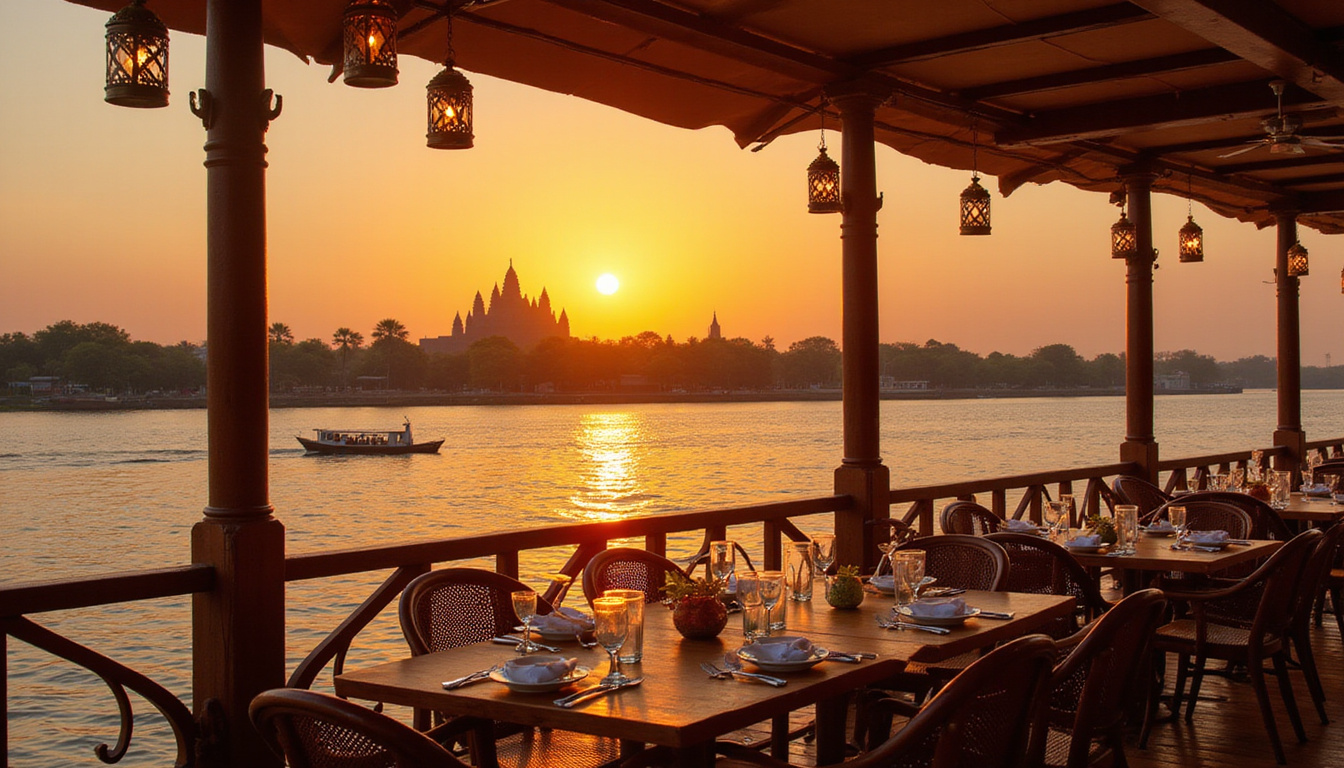
Boutique Nile cruises show Egypt in a live, close way. You sail on a small moving hotel. You pass ancient temples, green riverbanks, and busy villages. You skip the crowds of large ships. You get warm care, planned stops, and a clear look at 5,000 years of history—all in relaxed style.
This guide explains how these cruises work, how you pick one, what you see on board, and how you get deep into the local culture and lore.
What Makes Boutique Nile Cruises Different?
“Boutique” on the Nile means:
• Fewer cabins (usually 8–40 instead of 100+).
• More staff per guest.
• A unique look—heritage, Art Deco, or modern chic.
• Planned shore visits with expert guides.
You do not buy a simple trip from Luxor to Aswan. You buy a warm feel and close care. The ship is small enough that the crew knows your name and likes. Fellow travelers may soon feel like friends.
Typical Routes and Durations
Many routes follow old historical paths:
• Luxor to Aswan (or reverse) – 4 or 5 days
You see the top sights of Upper Egypt.
• Round-trip Luxor–Luxor – 7 days
You have a slower pace with extra stops.
• Extended cruises – 7–10+ days
You visit more remote sites or take your time.
No matter which route you choose, you sail by the world‑famous temples and tombs of ancient Egypt.
Choosing the Right Boutique Nile Cruise for You
Not all Nile cruises come the same. Think of these clear points:
1. Ship Size and Style
Boutique ships come in three forms:
• Traditional Dahabiyas
Small sail boats (often 5–12 cabins) driven by wind and tug help when needed. They are quiet, slow, and cozy. They give you a 19th‑century travel feel.
• Luxury Boutique Cruisers
Modern or heritage styled motor ships with 20–40 cabins. You find spa rooms, small pools, and fine dining.
• Ultra‑Luxury Historical Vessels
Rare heritage ships with strong design tales (like 1920s Belle Époque or colonial style). They favor those who treasure the ship as much as the sights.
Ask yourself:
• Do I want a calm, loving vibe over many extra bits? → Pick a Dahabiya.
• Do I need a spa, gym, or large pool? → Choose a boutique cruiser.
• Do I care about design and an old feel? → Look at a heritage vessel.
2. Cabin Types and Views
Check these details:
• Guaranteed Nile view: Some lower rooms show less or part of the view.
• Noise level: Rooms near engines or the desk tend to be louder.
• Size and layout: Boutique ships may have few, yet special, cabins. Look at floor plans as well as photos.
If you have the choice, pick:
• An upper room for a better view.
• A queen or king bed if you travel with a partner.
• A balcony or big windows if you want to watch the river from your room.
3. What’s Included (and What’s Not)
Boutique Nile cruises usually bundle these:
• Full meals (breakfast, lunch, dinner).
• All planned visits with an Egypt expert.
• Entrance fees to main sites.
• Transfers at airports or hotels in Luxor/Aswan.
Watch for extra charges in:
• Drinks (water, coffee or tea, soft drinks, or alcohol).
• Extra tours (like Abu Simbel or a hot air balloon ride over Luxor).
• Tips or service fees.
• Wi‑Fi, which may be limited or extra.
A slightly higher upfront cost may bring fewer surprises on board.
Luxury on the Nile: On‑Board Experience
Accommodation and Amenities
Expect a small hotel on a river:
• Soft bedding and fine linens.
• Simple lights and decor that show Egyptian style or history.
• Compact, well-planned bathrooms with top items.
• A/C you can set in your room, which is good in Egypt.
On many cruises you also find:
• A sun deck with chairs and shade spots.
• A small pool or a Jacuzzi/plunge pool.
• A library or a small bar.
• A massage room on some boats.
• A small shop with local crafts, jewelry, or textiles.
Dining and Culinary Highlights
Food is a strong point on these cruises. Expect:
• A mix of local and global cuisine – think meat kofta and a green molokhia with fresh salads, grilled fish, or other fine dishes.
• Fresh fruits and vegetables – many ships get produce from near the river and change menus with the season.
• Menus that meet special needs (for those who eat no meat, or need gluten-free meals) if you tell them ahead.
Meals are served as:
• Breakfast: A buffet with both hot and cold foods.
• Lunch: A buffet or set menu.
• Dinner: A formal, multi‑course meal.
Do not miss local treats like:
• Egyptian spreads and dips.
• Fresh falafel (ta’ameya) and local breads.
• Desserts such as basbousa or umm ali.
History Immersion: Key Sites on Boutique Nile Cruises
The trip from Luxor to Aswan feels like an open museum. With an Egypt expert on board, these sites come alive.
Luxor: The Open‑Air Museum
You will spend a day or more at:
• Karnak Temple Complex – Huge columns, tall obelisks, and small shrines to Amun and others.
• Luxor Temple – This temple shines at night when the lights come on.
• Valley of the Kings – Tombs of kings, with many hints of ancient life.
• Temple of Hatshepsut – A grand terrace temple of Egypt’s strong queen.
En Route: Temples Along the River
While you sail south you may stop at:
• Edfu (Temple of Horus) – One of Egypt’s best-kept temples.
• Kom Ombo – A twin temple for Sobek, the crocodile god, and Horus, with a small museum of crocodile mummies.
Aswan: Nubian Gateway
Many cruises include stops at:
• Philae Temple – Moved from its old spot, this temple for Isis feels very special, seen best by boat.
• A ride in a felucca – A small sail boat ride near Elephantine Island and the Botanical Gardens.
• Visits to Nubian areas – Your trip may let you see bright homes and learn more of local life.
Some trips add Abu Simbel as an extra visit from Aswan. These two great rock temples of Ramesses II and his queen show Egypt’s past, moved stone by stone when the dam was built.
Culture and Connection: Beyond the Old Sites
Boutique Nile cruises mix old sites with local life.
Life Along the Banks
From the sun deck, you see:
• Farmers at small fields with water wheels.
• Kids waving by the river.
• Mudbrick houses nestling with modern towns.
• Fishermen and small boats moving between banks.
Some trips let you join:
• Walks in a village where you see a family home or a market.
• Music or dance shows on board.
• A cooking class with local dishes.
These moments feel closer on a small boat with 20–40 friends instead of a busy, large ship.
Respectful Contact
A few small acts can make the trip richer:
• Learn a simple greeting like “Salam Alaikum” or say “Shukran.”
• Ask first before you take a photo of a local person.
• Dress in a way that covers shoulders and knees at temples and villages.
Many cruises give a short talk on local ways, and it can help you feel at ease.
Practical Tips for a Smooth Boutique Nile Cruise
To enjoy your cruise, plan well and watch the time.
1. Best Time of Year
You can sail the Nile all year. Look at these hints:
• Ideal: October to April
Daytime feels are fine and nights are cool. Peak times in December–January mean you should book soon.
• Warm but fine: May and September
There are fewer people and good deals, though midday trips can be warm.
• Hot: June–August
There are often low prices, but the heat in Upper Egypt is strong. See temples at sunrise or late in the day.
2. Health and Comfort
Pack for warm, sunny days:
• Light, airy clothes.
• A hat with a wide brim, sunglasses, and high-SPF cream.
• Good shoes or sandals with grip.
• A refillable water bottle (many boats have filtered water).
Many cruises include water at meals. Check if extra bottles cost more. Drink well, especially on full days of temple visits.
3. Security and Rules
Egypt cares much for visitor safety. Major sites in Luxor and Aswan are watched at all times. Always:
• Keep a copy of your passport separate from the real one.
• Follow your guide’s words at each site.
• Use the cabin safe for your valuables.
Check travel updates from your home office before you book.
4. Money and Tips
On many boutique Nile cruises, you see:
• Onboard spending: Your bill might be settled by card or cash at the trip’s end.
• Tipping: Often a shared tip for the crew plus extra for guides and drivers.
Ask your cruise company for a tip guide so you plan ahead.
Sample Daily Rhythm on a Boutique Nile Cruise
While each day can change, a normal day may go like this:
Early morning:
• You sail at sunrise or leave early to see a temple before crowds.
• You have breakfast on board.Morning visit:
• A guide shows you a major site (like Karnak or Edfu).
• You return to the boat by late morning.Midday:
• You eat lunch as the boat sails.
• You enjoy free time on deck to read, swim, or rest.Afternoon:
• You take a short stop, be it at Kom Ombo or a village walk.
• You sip tea or coffee as the sun sets.Evening:
• You dine well.
• You may join a talk or a quiet moment while watching the river glow.
The pace stays clear and calm. The crew builds in real rest time.
Checklist: How to Pick the Best Boutique Nile Cruise
Before you book, compare at least three choices with this list:
Ship size and style
• Do you want a Dahabiya, a small motor ship, or a heritage boat?Cabin details
• Check if the cabin is on an upper or lower deck, and if it has a window or balcony. Look at the exact space offered.Itinerary specifics
• Which sites are on the trip? How long is the stop in Luxor and Aswan?Guide quality
• Is there an Egypt expert? How many guests does each guide handle?What is included
• Are meals, drinks, site fees, transfers, Wi‑Fi, and tips covered?Reviews and photos
• Read recent reviews that mention food, cleanliness, and guides.Operator support
• Does the operator answer clearly before you book? Are the policies clear?
FAQ About Boutique Nile Cruises
Are boutique Nile cruises worth it compared to bigger ships?
For those who prize a warm feel, close service, and a calm ride, these small cruises can be worth the extra cost. The trade is for low-key spaces, better guiding, and a life-like feel on a moving hotel, not a large resort.
How many days do you need for a boutique Nile river cruise?
Most trips take 4–5 days between Luxor and Aswan. That time lets you see top sites without haste. For a slower pace with extra time on board or more stops, try a 7‑day trip.
Can you enjoy local culture on a luxury Nile boutique cruise?
Yes. Many luxury cruises add local steps like village visits, Nubian contacts, local music, and cooking demos. Small boats with 8–40 cabins, especially Dahabiyas or heritage cruisers, tend to bring you the closest local feel.
Start Planning Your Boutique Nile Cruise
A well‑chosen boutique Nile cruise shows you Egypt the way past travelers saw it: slow, close to the river, and full of ancient tales. From the high columns of Karnak to the glow over Philae, from calm mornings watching fishermen to nights with soft candlelight at dinner—it is a journey that ties history, old charm, and living culture into one smooth path along the water.
If you are set to look at your choices, now is the time to set your dates, choose your favorite ship style, and compare routes between Luxor and Aswan. Book early if you visit in peak times, ask clear questions about what is in the fare and about the guides, and pick the cruise that fits your travel taste and funds.
The Nile has long fed Egypt. A boutique cruise can turn it into the star of your own tale.