
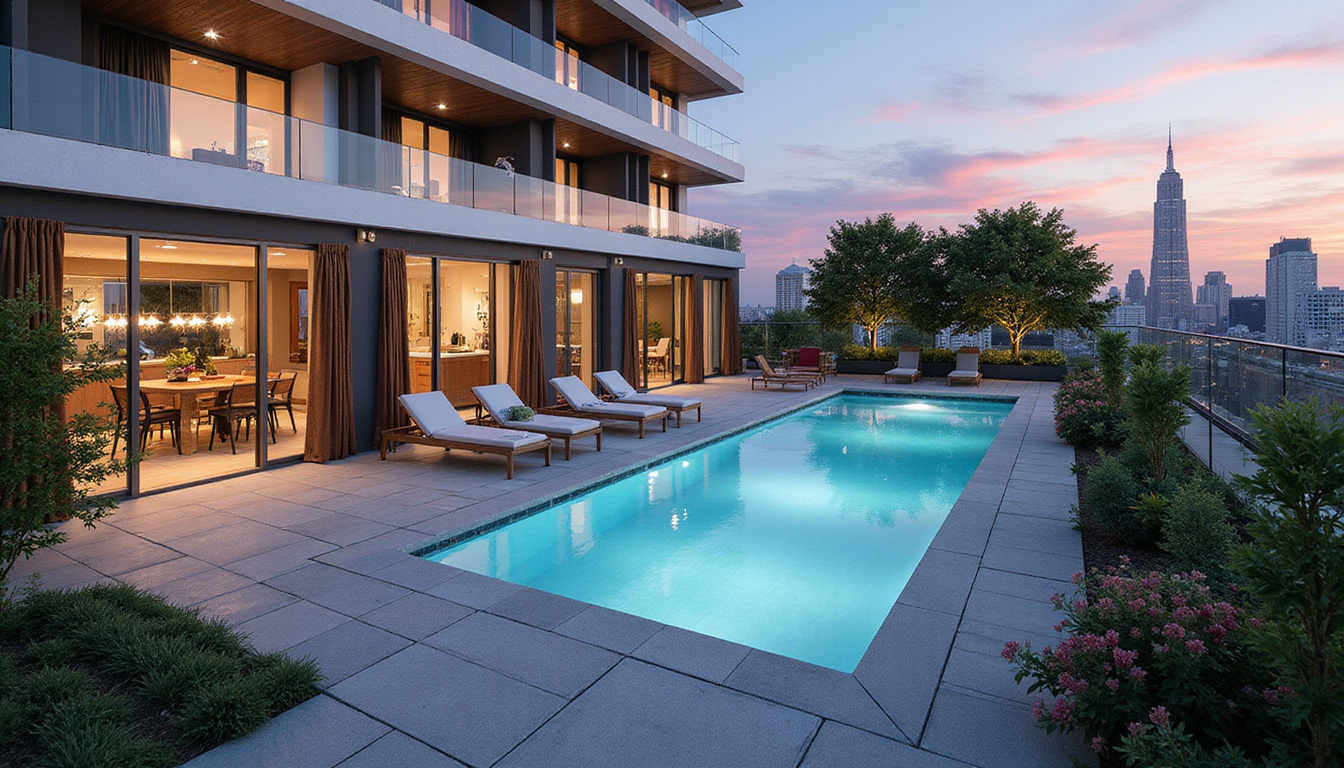
Apartment complexes have evolved far beyond four walls and a parking space. Today’s renters—whether students, young professionals, families, or digital nomads—are looking for homes that support their lifestyles, not just a place to sleep. Modern apartment complexes that offer the right blend of amenities can command higher demand, better resident satisfaction, and longer leases.
This guide breaks down the must-have amenities renters now expect, how to evaluate them, and how these features can influence both your quality of life and your long‑term housing costs.
Why amenities matter more than ever
Modern renters are spending more time at home—working remotely, exercising, socializing, and even running small businesses from their living rooms. That shift means apartment complexes are being judged less on square footage alone and more on how liveable, convenient, and community‑oriented they feel.
Well-amenitized buildings can:
- Reduce daily friction (less commuting to gyms, coworking spaces, or laundromats)
- Support health and well-being
- Foster friendships and networking
- Increase perceived value compared to the monthly rent
In many markets, the difference between two similarly priced apartment complexes often comes down to which one better matches your lifestyle.
Core amenities every modern renter should expect
Certain basics are no longer “nice-to-haves”—they’re minimum standards. When you compare apartment complexes, verify that these essentials are checked off first.
1. Strong, reliable internet and smart connectivity
For remote workers and streamers alike, Wi‑Fi quality can make or break an apartment.
Look for:
- High-speed internet availability (fiber or cable over DSL if possible)
- Wiring quality inside units (modern Ethernet ports are a plus)
- Wi‑Fi coverage in common areas like lounges and coworking spaces
- Optional bulk internet packages included in rent, which can sometimes be cheaper than individual plans
Bonus points for smart home features, such as smart thermostats, keyless entry, or app-controlled lighting—these can improve both comfort and energy efficiency.
2. In-unit or high-quality on-site laundry
Laundry is one of the biggest “livability” pain points.
Ideal options include:
- In‑unit washer/dryer: The gold standard for convenience
- Modern, card or app-operated on-site laundry rooms
- 24/7 access and good machine-to-resident ratio to avoid long waits
When comparing apartment complexes, factor in the time and cost saved by not having to visit off-site laundromats.
3. Climate control that actually works
Especially in hot or humid climates (such as parts of Egypt, the U.S. Sunbelt, or the Gulf), effective climate control is non-negotiable.
Look for:
- Individual AC and heating units you can control per room or per apartment
- Energy-efficient systems that help keep utility bills reasonable
- Well-sealed windows and proper shading to maintain indoor comfort
Ask residents or online reviews about real-world performance; a building’s age doesn’t always reflect how well its systems work.
Lifestyle amenities that set great apartment complexes apart
Once the essentials are in place, the next layer of value comes from lifestyle amenities that support how you actually live.
4. Fitness centers and wellness spaces
Gym memberships can be costly and inconvenient; on-site fitness is a powerful draw.
Top features to look for:
- Well-equipped gym with cardio, free weights, and resistance machines
- Space for stretching, yoga, or body-weight workouts
- Good airflow and maintenance (cleaning, equipment upkeep)
- Possibly extras like a pool, sauna, or outdoor workout area
If you’re serious about fitness, touring the gym should be as important as touring the apartment itself.
5. Co-working spaces and business centers
As remote and hybrid work continue to grow, many apartment complexes now include:
- Dedicated coworking rooms with desks and ergonomic seating
- Private meeting or conference rooms bookable by residents
- Printing, scanning, and mail/parcel handling
- Reliable, high-bandwidth Wi‑Fi
A thoughtfully designed coworking space can eliminate the cost of a separate membership elsewhere and help keep home and work mentally distinct.
6. Social and community areas
Humans are social creatures, and the best apartment complexes recognize that.
Valuable community spaces can include:
- Resident lounges with comfortable seating and work nooks
- Game rooms or media theaters
- Rooftop terraces and barbecue areas
- Shared kitchens or dining areas for events
These spaces make it easier to host friends, meet neighbors, and feel part of a community rather than isolated in a single unit.
Safety, security, and peace of mind
Security features directly affect how safe you feel coming and going at all hours.
7. Access control and surveillance
When evaluating apartment complexes, ask specifically about:
- Controlled access doors and gates (key fobs, codes, or smart locks)
- CCTV coverage in entrances, parking, and common areas
- Visitor check-in procedures and package handling
- On-site staff or security presence, especially at night
No system is perfect, but modern, well-maintained security measures are an important sign of responsible management.
8. Secure parking and transportation options
Depending on the city, parking and transport can be a major convenience factor.
Look for:
- Covered or underground parking to protect vehicles from weather and theft
- Clearly assigned spots or numbered spaces
- Secure bike storage rooms or racks
- Proximity to public transportation, main roads, or ride-share pickup zones
Even if you don’t own a car now, future-proofing your choice with flexible transport options is wise.
Comfort and quality-of-life add-ons
Sometimes it’s the “small” amenities that you feel every single day.
9. Outdoor spaces and greenery
Many renters underestimate how much outdoor access affects mental health and stress levels.
Desirable features include:
- Courtyards, gardens, or landscaped walkways
- Balconies or terraces for private outdoor time
- Children’s play areas or pet-friendly lawns
- Rooftop decks with seating and shade
Green spaces have been linked to better well-being and life satisfaction (source: World Health Organization).
10. Pet-friendly policies and amenities
For pet owners, some apartment complexes are simply off the table.
When touring, ask about:
- Pet size or breed restrictions
- Monthly pet fees and deposits
- On-site dog parks or pet washing stations
- Nearby veterinary clinics and pet services
A genuinely pet-friendly building will be transparent about rules and provide spaces that make life easier for both animals and humans.
11. Storage and functional design
Clutter is usually a sign of poor storage, not too much stuff.
Look for:
- Walk-in closets or built-in wardrobes
- Extra storage rooms, lockers, or bike storage
- Well-planned kitchen cabinets and pantry space
- Thoughtful layouts that make furniture placement easy
In some apartment complexes, storage units are available for an additional monthly fee—compare those costs if you know you’ll need extra space.
Modern services and tech conveniences
Property management that leverages technology can turn ordinary apartment complexes into genuinely convenient living environments.
12. Package management and delivery support
With more online shopping and food delivery, secure and organized handling of packages is crucial.
Valuable services:
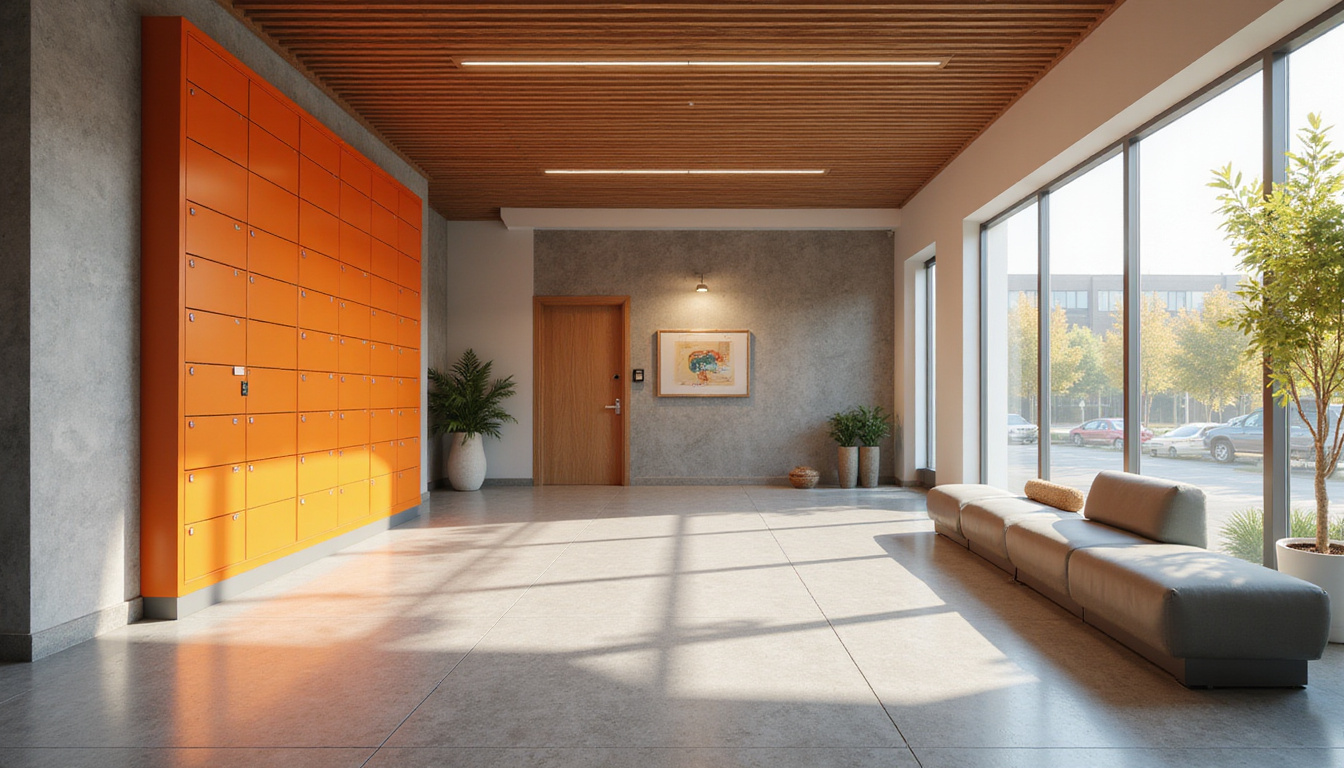
- Package lockers or mailrooms with secure codes
- Refrigerated storage for groceries from delivery services
- Notification systems when parcels arrive
- Clear procedures for large items or furniture deliveries
This reduces the risk of missing or stolen packages and saves you waiting around for couriers.
13. Resident apps and digital services
Many modern apartment complexes now offer:
- Mobile apps for rent payments and maintenance requests
- Digital communication for building announcements and events
- Online booking for common areas, gyms, or coworking rooms
- Smart access control integrated with smartphones
These tools streamline living, cut down on paperwork, and provide transparency about building operations.
How to evaluate apartment complexes before signing a lease
Not every impressive amenity list holds up in real life. Use a structured approach during your search.
Practical checklist when touring
When you visit apartment complexes:
Inspect the amenities yourself
Visit the gym, coworking space, pool, and rooftop—not just the model unit.Pay attention to maintenance
Are machines working? Is everything clean? Poor upkeep is a red flag.Talk to current residents
Ask about noise, response times to maintenance requests, and how often amenities are actually used.Consider peak times
If possible, revisit during evenings or weekends to see how crowded shared spaces get.Compare total value, not just rent
An apartment with strong amenities may reduce other expenses:- Gym membership
- Coworking or office rental
- Transport to external facilities
- Utilities (if some are included)
This broader view can make slightly higher rent a better overall deal.
Real-life costs and expectations
Amenities can impact your cost of living in more ways than people expect. For example, complexes with strong insulation and efficient HVAC can dramatically reduce energy bills, while on-site facilities might remove the need for several external subscriptions.
To better understand how housing and amenities affect everyday spending, this video on the real cost of living in Egypt 2025 offers a useful perspective on budgeting, trade-offs, and how to balance lifestyle with affordability:
Even if your target market isn’t Egypt, the principles of evaluating total living cost versus headline rent are universal.
Example amenity wish list for modern renters
Use this list as a starting point when narrowing down your options among different apartment complexes:
- Reliable high-speed internet (fibre/cable) and good Wi‑Fi
- In-unit washer/dryer or high-quality on-site laundry
- Effective AC/heating with individual controls
- Secure access (gates, cameras, keyless entry)
- On-site gym with diverse equipment
- Coworking or quiet study spaces
- Resident lounge or social areas
- Outdoor spaces: garden, courtyard, rooftop, or balconies
- Pet-friendly policies and pet areas
- Secure parking and/or bike storage
- Organized package lockers or mailroom
- Digital systems for payments, maintenance, and communication
- Adequate storage within units and options for extra storage
Prioritize what truly matters to your daily life rather than chasing everything on the list.
FAQs about choosing modern apartment complexes
1. What amenities should I look for in modern apartment complexes?
Focus first on essentials: reliable internet, effective climate control, safe access, and convenient laundry. Then layer in lifestyle features that match your habits, such as gyms, coworking spaces, outdoor areas, and secure package management. The best apartment complexes are those where you’d use most of the amenities weekly, not just admire them on move‑in day.
2. How much more do amenities in apartment complexes usually cost?
Amenity-rich apartment complexes may charge higher base rents or “amenity fees.” However, many renters offset this through savings on gym memberships, coworking spaces, transport, and utilities. Compare your likely all‑in living expenses—rent plus outside services—rather than isolating rent alone.
3. Are luxury apartment complexes worth it for remote workers?
They can be, if the amenities align with your work style. High-speed internet, dedicated coworking rooms, quiet lounges, and good sound insulation can significantly boost productivity. Luxury apartment complexes that include these features can be more cost‑effective than paying separately for workspaces and equipment, provided you actually use what the building offers.
Find apartment complexes that genuinely fit your life
Choosing where to live is one of the biggest quality-of-life decisions you make. Instead of focusing only on location and unit size, evaluate how different apartment complexes support your daily routines, work needs, relationships, and long-term plans.
Identify your top five non‑negotiable amenities, tour several properties with that list in hand, and ask pointed questions about real-world usage and maintenance. When you find a place where the amenities you care about are thoughtfully designed and well-managed, you’re not just renting a unit—you’re investing in a better everyday life.
If you’re ready to upgrade how you live, start shortlisting apartment complexes that match the criteria in this guide, schedule tours, and compare them using a clear checklist. The right choice will feel less like a compromise and more like a home that finally keeps up with your modern lifestyle.