
Exploring Alexandria offers a unique glimpse into its layered history, where ancient monuments stand alongside modern architecture, telling stories of its rich past. This coastal city, founded by Alexander the Great in 331 BC, has been home to many civilizations, including the Greeks, Romans, and Ottomans. Each has left an indelible mark on the cityscape, making a walk through Alexandria a fascinating journey through time. This guide aims to highlight key historical sites and provide practical tips for navigating the city while appreciating its complex heritage.
The Harbour: A Glimpse into Alexandria’s Ancient Trade
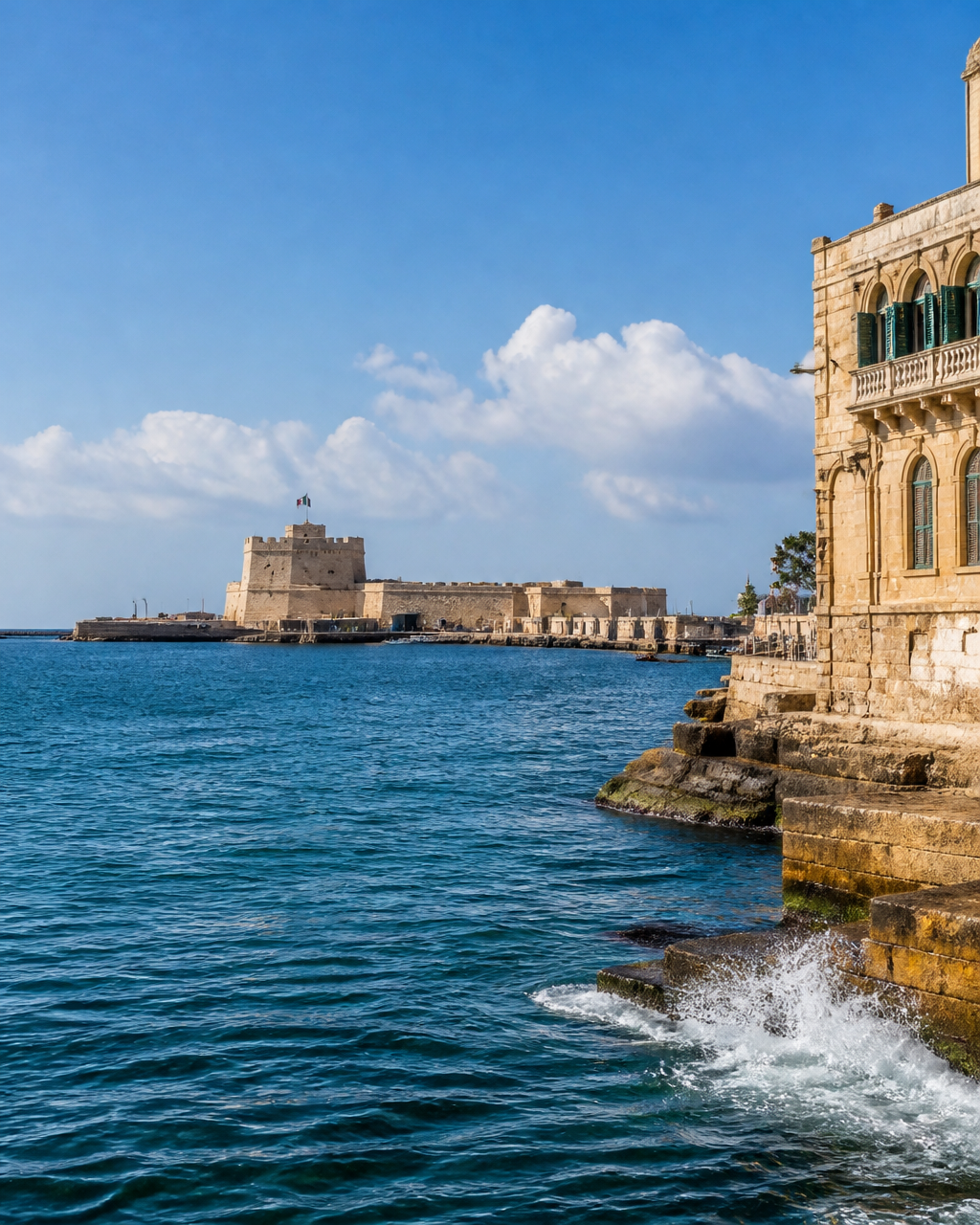
Begin your exploration at the harbour, a vibrant focal point of Alexandria's history. The harbour was once the gateway for traders from all over the Mediterranean, making it integral to the city’s prosperity. As you walk along the waterfront, take a moment to consider the ancient Lighthouse of Alexandria, one of the Seven Wonders of the Ancient World, which stood on the small island of Pharos. Unfortunately, the lighthouse no longer exists, but its legacy still shapes the city’s identity.
Observing the Harbour Setting
While the lighthouse is gone, the harbour itself remains a bustling hub. Observe the fishing boats and commercial vessels that still navigate these waters, echoing the city’s longstanding role as a trade centre. The Corniche, a scenic promenade along the harbour, is perfect for taking in the views and appreciating the blend of old and new. It’s also an excellent spot for a leisurely stroll or a coffee break at one of the many cafes lining the shore.
Kom al-Shoqafa: The Catacombs
One possible archaeological stop is Kom al-Shoqafa, a remarkable archaeological site that showcases Alexandria’s multicultural heritage. The Ministry of Tourism and Antiquities identifies it as a Roman-era necropolis, with Greek-style burial features. Use the official interpretation to understand what you are looking at rather than assuming every motif belongs to a single culture.
What to Look For
When visiting the catacombs, pay attention to the intricate carvings that adorn the walls, which include both Egyptian motifs and Greco-Roman symbols. The layout consists of several levels, with burial chambers and a banquet hall where families would hold feasts in honour of their deceased. The experience is both haunting and enlightening, providing insight into the burial practices and beliefs of ancient Alexandrians.
Practical Tips
- Transport: Check the actual location against your starting point and arrange transport where needed. The waterfront and archaeological sites do not form one short, continuous walk.
- Admission: Be sure to check the opening hours and any entry fees ahead of your visit, as these can change.
Choose one archaeological question to follow
You do not need to identify every stone or recognise every dynasty to enjoy a historical visit. Choose a question that interests you. At a burial site, that might be how people arranged the space, what survives below ground, or how the interpretation explains different traditions. Read the information available on site before trying to join the remains into a complete story.
Distinguish what you can see from what an illustration reconstructs. A foundation line, a standing column and a modern model provide different kinds of evidence. Asking a guide which features are original, restored or hypothetical can make a visit far more interesting than collecting impressive labels.
If you want to add the Serapeum or another archaeological stop, check its location and current access separately. Do not assume two places mentioned together in a guide are adjacent. A small number of visits with enough time to understand them usually works better than a route that depends on rushing across the city.
Keep notes about the questions you could not answer. That gives you a useful starting point for reading afterwards and helps prevent a confident-sounding explanation from turning into a fact merely because you heard it on a tour.
The Bibliotheca Alexandrina: A Modern Tribute
While exploring Alexandria, it’s impossible not to mention the Bibliotheca Alexandrina, a modern architectural marvel and a homage to the ancient Library of Alexandria that no longer exists. This library was a centre of learning and culture in the ancient world, attracting scholars from far and wide. Today, the modern Bibliotheca serves as a cultural hub, offering a contemporary setting for reading, exhibitions and cultural activity; check the institution’s current programme for what you can visit.
What to Do Here
At the Bibliotheca Alexandrina, take the time to explore its various exhibitions, which often include art galleries, historical displays, and even planetarium shows. Look at the architecture as a modern contribution to the city rather than assuming it recreates the lost ancient building.
Practical Considerations
- Location: Check the library’s position against your other stops and decide which stretches suit your group on foot.
- Entry Fees: Check for any fees or guided tours available, as these may enhance your visit.
Let a museum visit provide context
A museum can be useful before an outdoor visit, when you want an introduction, or afterwards, when you have questions about objects and daily life. Choose the institution and exhibition deliberately. Check the current collection information rather than expecting every place with “Alexandria” in its name to tell the same story.
Ask whether the displays you want to see are available on your intended date. Temporary exhibitions, guided visits and access arrangements can differ. If you are choosing between two venues, compare the subject matter and the time you want to spend, rather than assuming the larger visit is automatically better.
Inside, take a moment to read the labels around a small number of objects. Notice their date, material, place of discovery and the explanation of their use. An individual object can make the wider history easier to understand than a hurried circuit of every room.
Walking the Streets: Architectural Layers and Local Life
As you walk through Alexandria, pay attention to the diverse architectural styles that reflect the city’s history. From colonial buildings to ancient ruins, each structure tells part of the city’s story.
Observing Local Life
Take time to explore the neighbourhoods beyond the main tourist sites. Wander through local markets, where you can experience the vibrant culture and perhaps sample some traditional Egyptian cuisine. Observing everyday life in Alexandria provides a deeper understanding of how the past and present coexist in this dynamic city.
Build your own manageable city plan
- Choose one waterfront area for a walk that suits your group.
- Select one archaeological site and check its visitor arrangements.
- Decide whether a library or museum stop adds something different.
- Check the actual locations and arrange transport between distant stops.
- Keep a comfortable place for a break in the plan.
Do not read this list as a continuous walking route. Before departure, look at the locations together, check the conditions and decide which parts you want to cover on foot. People differ in how long they enjoy walking, and pavements, crossings, weather and fatigue matter more than a neat line on a map. A useful itinerary works for the people taking it.
If a planned stop becomes unavailable, use your chosen theme to find an appropriate alternative rather than trying to squeeze in another distant landmark. A history day might still feel complete with one well-understood site and a thoughtful waterfront walk. Leave room to notice the everyday city as well as the places listed in a guide.
Conclusion
Alexandria is a city that invites exploration. Its layered history is visible in the remnants of ancient structures, the vibrancy of local life, and the modern institutions that honour its past. Whether you are a history enthusiast or simply looking to soak in the culture, a city walk in Alexandria offers an enriching experience. Take your time, observe, and let the stories of this remarkable city unfold before you.
FAQs
What is the best time of year to visit Alexandria?
Some travellers may prefer spring or autumn but check the actual forecast and your personal preferences before choosing dates. No season guarantees comfortable conditions on every day.
Are there guided tours available in Alexandria?
Yes, many local companies offer guided tours that cover various historical sites in Alexandria. These tours can provide in-depth knowledge and insights that enrich your experience.
How can I navigate between different historical sites in Alexandria?
While many sites are within walking distance, taxis or ride-sharing services are recommended for longer distances. Public transportation is also an option, but be prepared for potential language barriers. It’s advisable to have the names of your destinations written down in Arabic to show to drivers.
By engaging with the city’s layered history, visitors can appreciate Alexandria not only as a tourist destination but as a living testament to the passage of time and the confluence of cultures.