
In July 2025, UNESCO removed Abu Mena from the List of World Heritage in Danger. This was progress in the conservation story of an early Christian pilgrimage site south of Alexandria. It was not removal from the World Heritage List, and it did not mean that all conservation work was finished.
This explainer revisits that 2025 decision for readers in October 2026. It is not a claim of a new announcement this week. The distinction matters: an encouraging heritage headline can help people discover a place, but it does not by itself establish current visitor access, facilities or the condition of every structure.
Understanding Abu Mena’s Historical Context
Abu Mena was inscribed as a UNESCO World Heritage Site in 1979 due to its importance as a centre of early Christian pilgrimage. The site features a complex of basilicas, baptisteries, and associated settlements associated with its development as a pilgrimage centre between the fifth and seventh centuries. It is believed to have been the resting place of Saint Menas, a martyr whose relics formed the focus of the pilgrimage tradition.
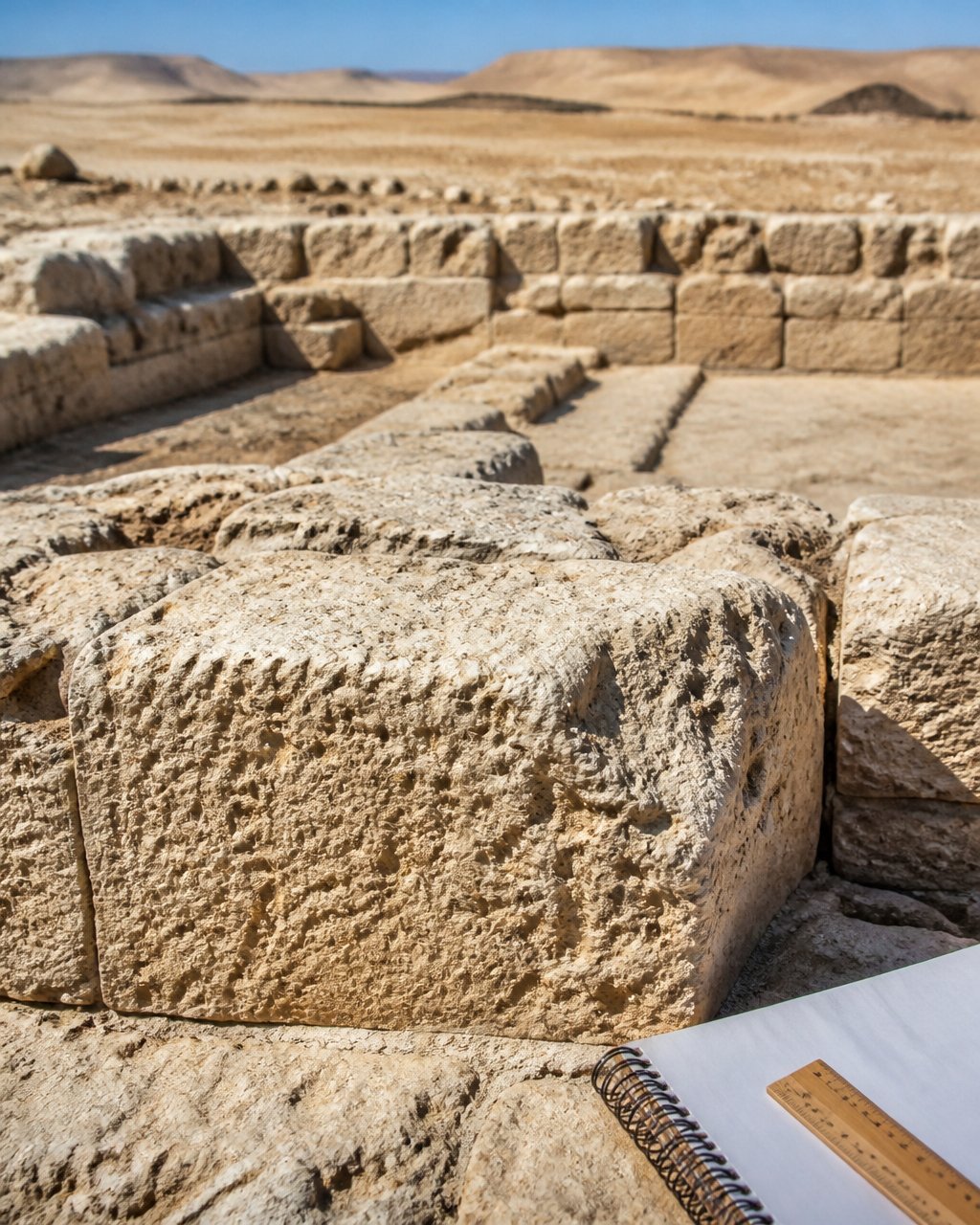
The archaeological remains at Abu Mena include impressive structures, such as the large basilica that once housed the saint's relics, and an extensive network of ancient roads and buildings that illustrate the site's past glory. Treat historical reconstructions and surviving archaeological remains as different kinds of information.
The Danger Listing and Its Removal
Abu Mena was placed on UNESCO's Danger List in 2001 due to various threats affecting its integrity, primarily rising groundwater levels linked to agricultural practices in the area. This situation posed risks to the archaeological remains, leading to significant loss and hindrance of conservation efforts.
The removal from the Danger List in 2025 was a result of concerted efforts by the Egyptian government and UNESCO, which addressed the groundwater problem and the conservation of the archaeological remains. According to UNESCO’s August 2025 account, these measures have shown positive results, highlighting a commitment to preserving this invaluable site for future generations.
However, it's essential to clarify that removal from the Danger List does not equate to the complete resolution of all threats. While the risk of groundwater damage has been mitigated, ongoing conservation efforts remain necessary to address other potential vulnerabilities, such as tourism pressures and environmental changes.
The Significance of UNESCO’s Decision
The decision to remove Abu Mena from the Danger List carries profound implications. It not only acknowledges the progress made in conservation but also reinforces the site's status as a key element of Egypt's cultural heritage. This milestone can enhance the site’s visibility, potentially attracting more visitors and increased scholarly interest.
Moreover, this decision signifies a broader recognition of the importance of sustainable heritage management. UNESCO's involvement underscores the need for a balanced approach that considers both preservation and the needs of local communities, particularly those who rely on tourism for their livelihoods.
Distinguishing Between Modern and Archaeological Structures
When visiting Abu Mena, it is essential to differentiate between modern constructions and the archaeological remains. The modern monastery, which is still active, provides a place for worship and community activities. In contrast, the archaeological site consists of ruins from the ancient complex that offer insight into the historical significance of the area.
Visitors should approach both aspects with respect and understanding. While the modern monastery is a functioning religious site, the archaeological remains require careful exploration and appreciation. It is advisable to visit the ruins with a knowledgeable guide who can provide context and enhance the experience by illustrating the site's rich history.
Ongoing Conservation Efforts
Despite the positive developments, conservation at Abu Mena is an ongoing process. The Egyptian government, in collaboration with UNESCO and various international organisations, continues to monitor and address the needs of the site. UNESCO’s account describes the groundwater challenge and the conservation response. To understand more recent conditions, consult the latest conservation documents rather than assuming the 2025 decision settles every question. Conservation is an ongoing responsibility: a successful intervention still needs monitoring, maintenance and a clear understanding of what remains vulnerable.
When reading a report, distinguish completed work from plans. Phrases such as “proposed”, “requested” and “under implementation” describe different stages. They should not be rewritten as evidence that a particular structure or visitor facility is already finished. That is just as important in a positive story as in a report about damage.
For readers interested in Egypt’s heritage, the useful lesson is that protection involves practical systems as well as attention to monuments. Water management, recording and maintenance may be less photogenic than a restored building, but they can be central to whether a place survives. This is editorial interpretation of the conservation story, not a report of a new project announced here.
Planning Your Visit to Abu Mena
If you are considering a visit to Abu Mena, there are several practical aspects to keep in mind:
Confirm access before arranging a journey
The archaeological site and the modern religious destination are not interchangeable. Tell a guide or transport provider exactly which place you want to visit. Ask who can confirm access to the archaeological remains, whether an appointment or permit is needed, and which areas are available on your intended date.
Do not infer permission from a visitor’s photograph or a video posted several years ago. Likewise, a World Heritage designation is not a ticket or an opening-hours notice. If practical details cannot be established, continue researching rather than assuming the remains will be accessible when you arrive.
Ask what your visit would involve
If a visit can be arranged, discuss the ground conditions, walking required, available assistance and any restrictions with the organiser. Explain the needs of your group in concrete terms. “Easy access” may mean different things to different people; a precise answer is more useful than a reassuring label.
Check the arrangements for breaks and the supplies you would need to bring. This guide does not verify current facilities, ticket prices or photography permissions. Keep those questions separate from the historical explanation, and confirm them through the relevant site or organiser.
Visitor Etiquette
Showing respect for the site and its significance is crucial. Here are some guidelines to follow:
- Avoid climbing on ruins or touching structures to preserve their integrity.
- Dress modestly, especially when visiting the modern monastery, to show respect for local customs.
- Follow any posted guidelines or instructions provided by site staff or guides.
Hypothetical Scenarios for Visitors
Here are a few hypothetical scenarios that illustrate what to consider before visiting Abu Mena:
Scenario 1: Guided Tour vs. Independent Visit
Imagine you are planning your day at Abu Mena. You have two options: join a guided tour or explore independently. Choosing a guided tour may enhance your understanding, as a knowledgeable guide can provide historical and cultural context. On the other hand, an independent visit might allow for a more personal exploration at your own pace, but be prepared to conduct your own research to fully appreciate the site.
Scenario 2: A photograph and a conservation report disagree
Suppose an attractive image appears to show a complete building, while an official description discusses foundations and archaeological remains. Do not assume they depict the same part of the destination. Establish the image’s location, date and context. It may show a modern religious building, a reconstruction or another place entirely.
Scenario 3: A positive headline becomes a travel promise
Imagine a tour description uses the danger-list removal to suggest unrestricted entry or complete restoration. Ask for the evidence supporting those additional claims. The UNESCO decision establishes the listing change; it does not automatically substantiate every statement added to a sales description. Keeping those distinctions clear helps readers appreciate the milestone without overstating it.
FAQs
What should I know before visiting Abu Mena?
Before your visit, research the site's history and significance to enhance your experience. Confirm whether access can be arranged for the archaeological area you intend to visit before committing to transport.
Are there facilities available at Abu Mena?
This guide has not verified current visitor facilities. Ask the site or organiser about the arrangements for your intended visit and plan accordingly.
Can I take photographs at Abu Mena?
Confirm current photography rules with the relevant site or organiser. The UNESCO listing decision does not establish photography permission, and different parts of the destination may have different rules.
Conclusion
The removal of Abu Mena from UNESCO’s Danger List is a significant achievement for Egypt’s heritage and reflects the dedication to preserving this important site. As ongoing conservation efforts continue, readers have an opportunity to learn more about early Christianity in Egypt and the practical work of heritage conservation. By planning thoughtfully and engaging respectfully with the site, you can contribute to the ongoing narrative of Abu Mena, ensuring that it remains a cherished part of Egypt's cultural landscape for generations to come.