
Snorkelling in the Red Sea is a popular activity, attracting both residents and visitors to Egypt who wish to explore the vibrant underwater world. However, as you prepare for your snorkelling adventure, it’s crucial to choose a trip that respects the delicate marine ecosystems. This guide aims to provide you with the essential considerations for selecting a responsible snorkelling experience that adheres to reef-friendly practices.
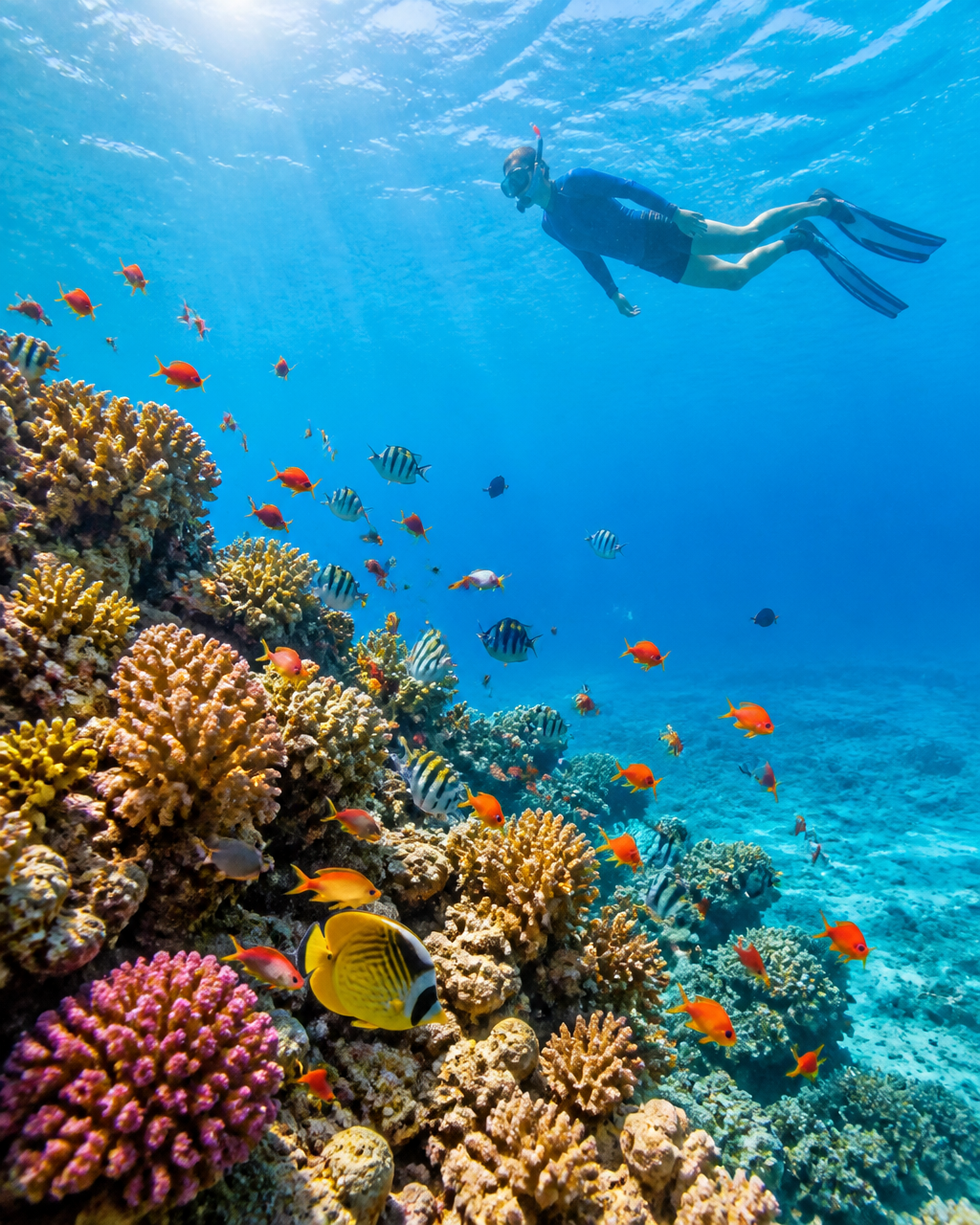
Understanding the Importance of Reef Conservation
The Red Sea is home to some of the most stunning coral reefs and diverse marine life in the world. Unfortunately, these ecosystems are vulnerable to various threats, including pollution, climate change, and unsustainable tourism practices. HEPCA (the Hurghada Environmental Protection and Conservation Association) emphasises the need for travellers to follow established guidelines that help protect marine habitats. By choosing a responsible snorkelling trip, you not only enjoy the beauty of the reefs but also contribute to their preservation for future generations.
Key Considerations When Choosing a Snorkelling Trip
1. Research Tour Operators
Before booking your trip, research various tour operators to find those that prioritise reef conservation. Ask the operator to explain its actual reef practices. If it advertises a certification or partnership, check who issued it and what it covers rather than assuming that a logo proves responsible behaviour. Check their websites for information on their sustainability policies and any partnerships they may have with conservation groups.
2. Group Size and Guide Briefing
Ask how the operator manages the group in the water and how guides keep participants together without crowding wildlife. Group size alone does not demonstrate good supervision or guarantee a suitable experience. When booking, inquire about the maximum number of participants on each trip.
Additionally, a comprehensive guide briefing is essential. This should cover safety procedures, snorkelling techniques, and, importantly, guidelines for respecting marine wildlife. A good operator will ensure that all participants understand the importance of not touching coral or feeding fish, as part of a clear, reef-respecting approach.
3. Flotation Options
Consider the flotation options provided during the trip. Some operators offer life jackets or flotation devices, which can be beneficial for those who are less confident in the water. It is advisable to choose operators that provide well-maintained equipment to ensure your safety and comfort while snorkelling.
4. Waste Disposal Practices
An essential aspect of a reef-respecting trip is how waste is managed. Inquire about the operator’s policy on waste disposal, particularly concerning plastics. Responsible tour operators should have clear procedures in place to manage waste and reduce single-use plastics on board. Choosing eco-friendly options, such as reusable water bottles and biodegradable products, can significantly lessen the impact on the marine environment.
5. Entry Methods: Shore vs. Boat
When deciding on a snorkelling trip, consider whether the entry point will be from the shore or a boat. Neither a shore departure nor a boat departure automatically demonstrates a lower impact. Ask how the entry and exit are managed at the actual location and how the operator avoids damage to the reef. Whichever method you choose, ensure that the operator follows guidelines to minimise disturbance to the reefs and surrounding wildlife.
6. Weather Conditions and Decision-Making
Weather conditions play a crucial role in snorkelling trips, affecting both safety and visibility. Before booking, check the forecast and discuss with your operator how they make decisions based on current weather patterns. A responsible operator should always prioritise the safety of their guests and the protection of the environment by cancelling trips in adverse conditions.
Responsible Snorkelling Practices
Do Not Touch Coral or Marine Life
It is vital to remember that coral reefs are living organisms. Touching them can cause damage that may take years to heal. Additionally, disturbing marine wildlife can lead to stress for the animals, disrupting their natural behaviours. Always maintain a respectful distance from coral and marine creatures to avoid interfering with the reef and the animals you came to observe.
Avoid Feeding or Harassing Wildlife
Feeding marine animals can create dependency and disrupt their natural feeding behaviours. Do not encourage a wildlife encounter by offering food or following an animal. Responsible snorkelling means observing and appreciating marine life without interference.
Practical Checklist for a Reef-Respecting Trip
- Research Operators: Ask for specific practices and verify any advertised certification.
- Check Group Sizes: Ask how the group is supervised.
- Review Guide Briefings: Ensure comprehensive safety and conservation training.
- Inquire About Equipment: Confirm the availability of quality flotation devices.
- Understand Waste Policies: Promote the use of reusable products.
- Choose Entry Methods Wisely: Consider the impact of shore versus boat entries.
- Stay Informed on Weather: Know how your operator handles weather concerns.
Check what a change of plan means
A trip description should explain more than the hoped-for highlight. Before paying, ask what happens if the operator changes the site, delays departure or decides not to enter the water. Confirm how it will communicate with you and what the booking terms say about a change or cancellation. A wildlife promise should never pressure a guide to continue when conditions or animal behaviour make a different decision appropriate.
Imagine that your group includes a first-time snorkeller and a confident swimmer. Tell the operator before booking and ask how those different needs would be managed. Do not assume that being on the same boat means every participant will enter at the same place or receive the same support. If the explanation does not fit your needs, look for another arrangement rather than trying to force the day to work.
After the trip, describe the operator’s actions in your feedback. Did it give a clear briefing, explain a changed plan and keep its distance from wildlife? Specific observations are more useful to the next traveller than a rating based only on whether a particular animal appeared.
Conclusion
Snorkelling in the Red Sea can be a breathtaking experience, providing a unique opportunity to explore the underwater beauty of this remarkable region. However, it is essential to choose a snorkelling trip that respects and protects these fragile ecosystems. By following the tips outlined in this guide, you can contribute to the conservation of the coral reefs while enjoying your snorkelling adventure.
FAQs
What should I do if I see someone touching coral while snorkelling?
If you witness someone touching coral, it’s best to inform them gently about the importance of not disturbing marine life. If you feel comfortable, you can also notify your guide, as they are responsible for ensuring that all participants adhere to conservation guidelines.
How can I prepare for my first snorkelling trip?
To prepare for your first snorkelling experience, ensure you have the appropriate gear, such as a mask, snorkel, and fins. It’s also helpful to familiarise yourself with basic snorkelling techniques and safety tips. Use a qualified operator, describe your experience honestly and follow the guide’s instructions. This article does not replace water-safety instruction.
Are there specific times of year that are better for snorkelling in the Red Sea?
Conditions vary by location and date. Ask a qualified local operator about the current conditions, the proposed site and the reasons a plan might change. This guide does not rank seasons or guarantee visibility, temperatures or wildlife sightings.