
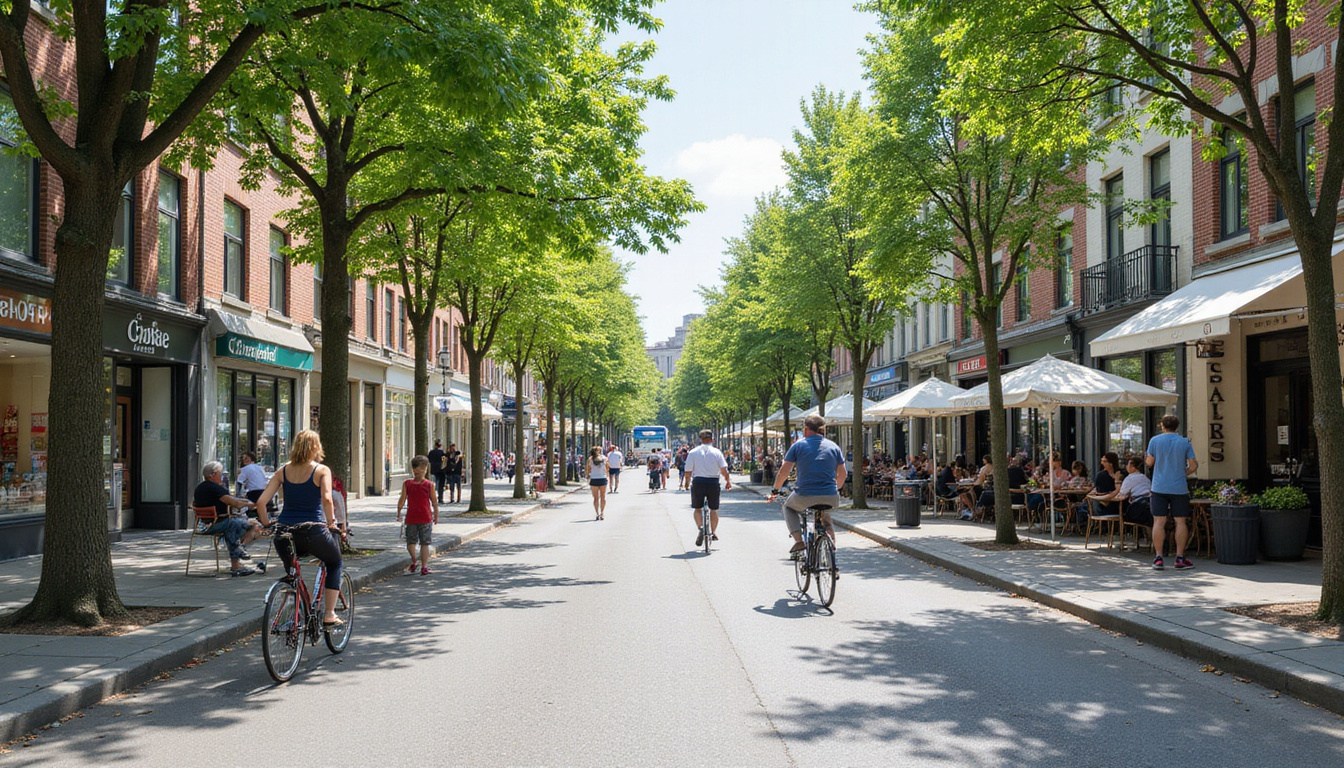
A strong walkability score is no longer just a nice bonus; it’s a core factor buyers, renters, and investors consider when evaluating homes and neighborhoods—whether in Cairo, Alexandria, Hurghada, or any global city. As more people prioritize convenience, lifestyle, and sustainability, walkable areas consistently outperform car‑dependent ones in both demand and price growth.
This guide explains what walkability score means, why it impacts property value, and how homeowners, developers, HOAs, and local leaders can actively improve walkability and unlock higher neighborhood appeal.
What is a walkability score?
A walkability score is a numerical rating that measures how easy and convenient it is to live in an area without relying heavily on a car. Different platforms use different formulas, but they generally look at:
- Distance to daily essentials (groceries, cafes, schools, pharmacies)
- Access to public transport (bus, metro, tram, shared taxis)
- Quality of sidewalks and street crossings
- Safety, lighting, and traffic speeds
- Presence of parks, public spaces, and community facilities
Higher scores indicate that residents can accomplish most errands on foot. In many real estate portals worldwide, including those listing Egypt properties, you’ll see some version of a walkability score now appearing next to listings.
Why walkability score matters for property value
1. Buyers and tenants pay a premium for convenience
People increasingly want to live where they can:
- Walk to a mini-market or supermarket
- Grab coffee or a quick meal nearby
- Reach a metro or bus route within a short stroll
- Access schools, clinics, or gyms without long drives
Properties in such areas typically enjoy:
- Higher purchase prices per square meter
- Lower vacancy rates
- Faster resale times
Multiple studies (for example, from Smart Growth America and the National Association of Realtors in the US) consistently show that walkable, mixed-use neighborhoods command higher values than car-dependent ones (source: Smart Growth America).
In Egypt, the same pattern is emerging in parts of New Cairo, Sheikh Zayed, and coastal towns where developments blend residential, retail, and services within walkable master plans.
2. Walkability lowers living costs and stress
Good walkability doesn’t just drive prices; it also reduces total cost of living:
- Less money spent on fuel or rideshare/taxis
- Fewer cars needed per household
- Less time lost in traffic congestion
Neighborhoods with a better walkability score often feel more “livable”: quieter side streets, more people outdoors, and a stronger sense of community.
3. Health, sustainability, and lifestyle benefits
Walkable areas encourage:
- More physical activity (daily steps built into routine)
- Better air quality (fewer car trips)
- Safer streets for children and older adults
- Vibrant street life: cafes, local shops, and public spaces
All of this feeds back into real estate desirability. A district that’s pleasant to walk in is a district that holds and grows its value.
Key factors that shape a walkability score
If you want to boost a property’s walkability profile, you first need to understand what drives the rating. While algorithms vary, these are the main dimensions that influence a walkability score:
1. Proximity to daily needs
The closer homes are to essential destinations, the higher the score:
- Grocery stores and markets
- Bakeries, cafes, and restaurants
- Pharmacies and clinics
- Schools and nurseries
- Mosques, churches, and community centers
- Gyms, salons, and basic services (tailor, laundry, etc.)
Compact “15-minute neighborhoods,” where most needs are within a short walk, are winning global attention and investment.
2. Sidewalk and pathway quality
People won’t walk if it’s uncomfortable or unsafe. Key aspects include:
- Continuous sidewalks without major gaps
- Smooth, unobstructed surfaces
- Ramps for strollers and wheelchairs
- Shade (especially important in climates like Egypt’s)
- Separation from fast-moving traffic
Even in gated compounds, internal paths connecting homes to retail and community facilities strongly influence perceived walkability.
3. Street safety and crossings
High scores depend on whether residents feel safe crossing roads and walking at different times of day:
- Clearly marked pedestrian crossings
- Traffic calming (speed bumps, narrower lanes, roundabouts)
- Good lighting at night
- Visible signage and signals
- Lower vehicle speeds on residential streets
4. Transit access
Many tools also consider access to public transportation:
- Walking distance to metro or light rail stations
- Proximity to bus or microbus routes
- Availability of ride-share pickup points and taxi stands
Good transit allows residents to live car-light or car-free, further boosting a neighborhood’s attractiveness for students, young professionals, and expats.
5. Public spaces and greenery
Parks, waterfront promenades, and plazas enhance the walkability score because they:
- Provide pleasant routes for walking or jogging
- Encourage outdoor social life
- Offer safe places for children to play
Even small pocket parks or tree-lined streets can significantly improve a neighborhood’s feel.
How to improve the walkability score of your property or neighborhood
Even if you’re not a city planner, there is a lot you can do—whether you’re a homeowner, landlord, developer, or part of an HOA— to enhance walkability and, by extension, property value.
1. Advocate for better local amenities
If your area lacks key services within walking distance:
- Encourage local entrepreneurs to open mini-markets or cafes on ground floors
- Work with your building management or compound developer to lease commercial units to essential services (pharmacy, bakery, etc.)
- Support mixed-use development instead of purely residential blocks wherever possible
The more daily needs are met within a short radius, the better the walkability score and the higher the long-term appeal of nearby homes.
2. Improve micro‑walkability on your street
Small, low-cost improvements can make walking more comfortable:
- Keep sidewalks clear of parked cars, trash, and construction debris
- Work with neighbors or building management to repair broken pavement
- Plant trees or install shading elements where possible
- Add benches or simple seating near entrances and corner shops
Over time, these changes transform a car-dominated street into a more human-scale environment.
3. Partner with local authorities or HOAs
For larger interventions, collective action is powerful. Engage with your HOA or municipal representatives to propose:
- Safer crossings – Marked zebra crossings, pedestrian islands on wide roads, speed bumps near schools and mosques.
- Traffic calming – Lower speed limits on residential streets, one-way conversions to reduce through-traffic.
- Lighting upgrades – Better streetlights on key walking routes, especially near bus stops and metro stations.
In many new developments in Egypt, master communities already have associations or developers open to ideas that enhance their brand and property values.
4. Design or renovate with pedestrians in mind
If you’re a developer or planning a renovation:
- Place retail and services at ground level with street-facing entrances
- Create safe, direct walking paths from residential buildings to amenities
- Add covered walkways or arcades to protect from sun and heat
- Include bike racks and scooter parking near building entries
Thoughtful design decisions can substantially lift the walkability score of an entire block or compound.
5. Support transit and shared mobility
Where full public transit upgrades may be beyond your control, you can still:
- Create clearly marked rideshare pickup points near building entrances
- Provide shuttle buses from compounds to nearby metro or bus hubs
- Offer bike-sharing or e-scooter docks if your community is large
Good “first and last mile” solutions make walking to transit more attractive and realistic.
Walkability and lifestyle: what residents really experience
Numbers matter, but the human experience is what ultimately drives demand and price growth. Consider how walkability changes everyday life:
- A parent can walk children to school instead of driving in heavy traffic.
- A young professional can grab coffee or dinner on foot after work.
- Older adults can access clinics, markets, and places of worship without relying on family members or taxis.
- Teenagers can safely visit friends, sports clubs, or study spaces.
For an honest on-the-ground view, this video diary about moving to Egypt and adapting to daily life offers valuable insight into what makes neighborhoods truly livable and walkable:
Things I Wish I Knew Before Moving to Egypt – My Honest Experience
These lived experiences are exactly what prospective buyers and long-term renters are now searching for.
How to highlight walkability score in your real estate listing
If you’re selling or renting out a property, don’t let your walkability score be an afterthought. Present it clearly and convincingly.
1. Quantify distances in minutes, not kilometers
Replace generic phrases with clear walking times:
- “5‑minute walk to nearest supermarket”
- “8‑minute walk to metro station”
- “3‑minute walk to pharmacy and bakery”
This helps buyers visualize their daily routine.
2. Mention walkable amenities in detail
Highlight specific amenities within walking distance:
- Markets, cafes, restaurants
- Schools and nurseries
- Clinics, hospitals, pharmacies
- Parks, waterfronts, sports clubs
Be as concrete as possible; this turns a good walkability score into a compelling lifestyle story.
3. Include photos and maps of walking routes
- Show photos of tree-lined streets, shaded walkways, and local shops
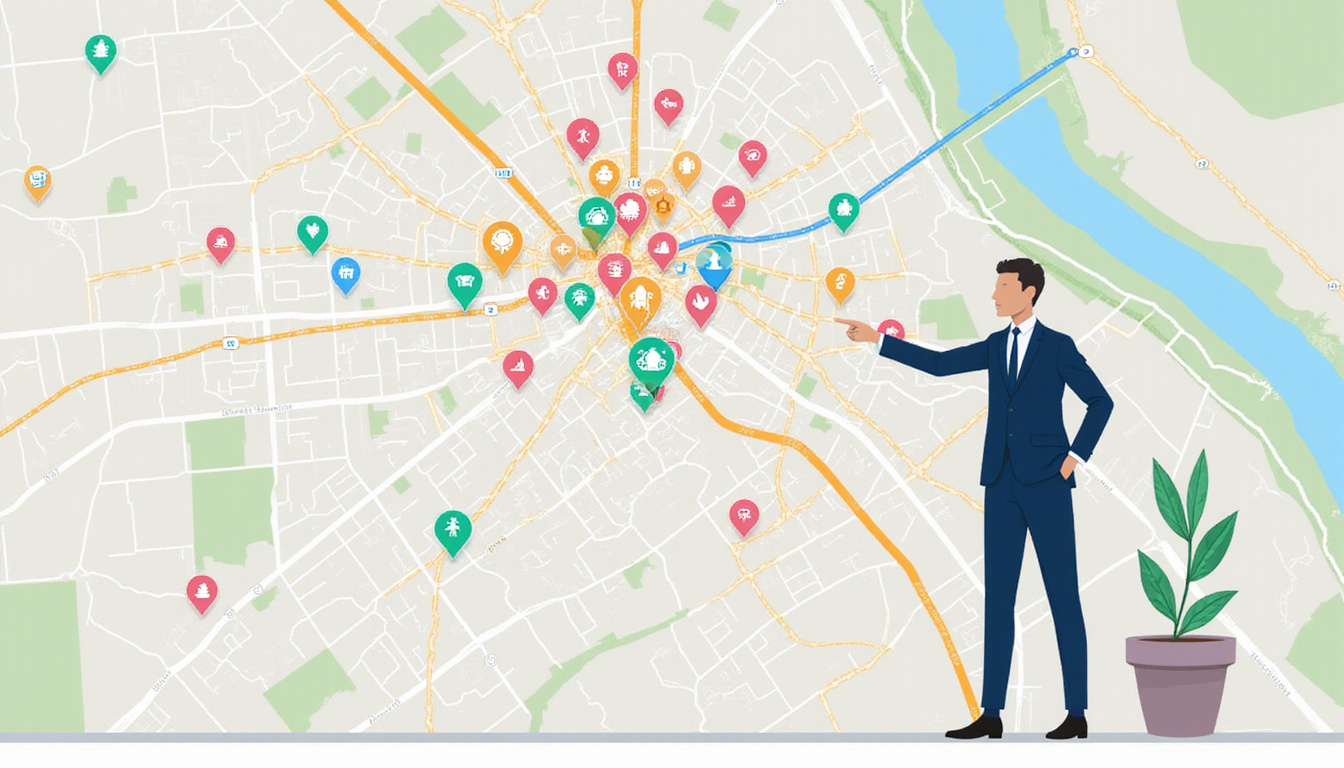
- Add a simple map marking walking paths and transit stops
- For online listings, embed a walking-distance radius around the property
These visual cues reinforce the walkability advantage.
4. Speak to target audience needs
- For families: emphasize safe routes to schools and playgrounds
- For students and young professionals: focus on cafes, co-working, and transit
- For retirees: highlight clinics, quiet walking paths, and community centers
Tailoring the message around walkability can attract the right buyers or tenants faster and at better terms.
Simple checklist to boost walkability
Use this quick list to assess and improve your property’s walkability:
- List all essential amenities within a 10–15-minute walk.
- Walk the route yourself at different times of day—note safety, lighting, and comfort.
- Identify sidewalk gaps, obstacles, or dangerous crossings.
- Discuss low-cost fixes with neighbors, HOA, or building management.
- Advocate for at least one new local service (market, pharmacy, cafe) if missing.
- Update your listing description and photos to highlight walkability improvements.
Repeated small steps over time can significantly increase both your walkability score and your property’s value perception.
FAQ: Walkability, real estate, and neighborhood appeal
Q1: What is a good walkability score for a residential area?
A good walkability score typically means residents can meet most daily needs on foot—often equivalent to having a grocery store, pharmacy, and basic services within about a 5–10-minute walk, plus safe sidewalks and crossings. Many rating tools label such areas as “Very Walkable” or “Walker’s Paradise.”
Q2: How does a high walk score affect property prices and rents?
Areas with a higher walk score usually see stronger demand, which supports higher sale prices and rents. Buyers and renters are willing to pay more for the convenience of walking to shops, schools, and transit rather than relying exclusively on cars and traffic-prone commutes.
Q3: Can I improve my home’s walkability rating if I don’t control city planning?
Yes. While you can’t redraw streets, you can still influence your effective walk score by improving local sidewalks, lighting, and safety; encouraging key amenities to open nearby; organizing with neighbors or HOAs; and clearly communicating the existing walkable benefits in your property listing.
Turn walkability into your property’s strongest selling point
In a market where buyers and renters compare more than just square meters and finishes, a high walkability score can be the deciding factor. Walkable neighborhoods feel more alive, more convenient, and more resilient over time—and properties in these areas tend to hold and grow their value.
Whether you’re a homeowner, landlord, or developer, you can start improving walkability right now: enhance the walking experience on your street, advocate for safer crossings and better lighting, and support local amenities within walking distance. Then, make sure you showcase those strengths clearly in every listing, brochure, and viewing.
If you’re planning your next investment or looking to position your existing property for maximum appeal, put walkability at the center of your strategy. The sooner you act, the more you—and your neighborhood—stand to gain.