
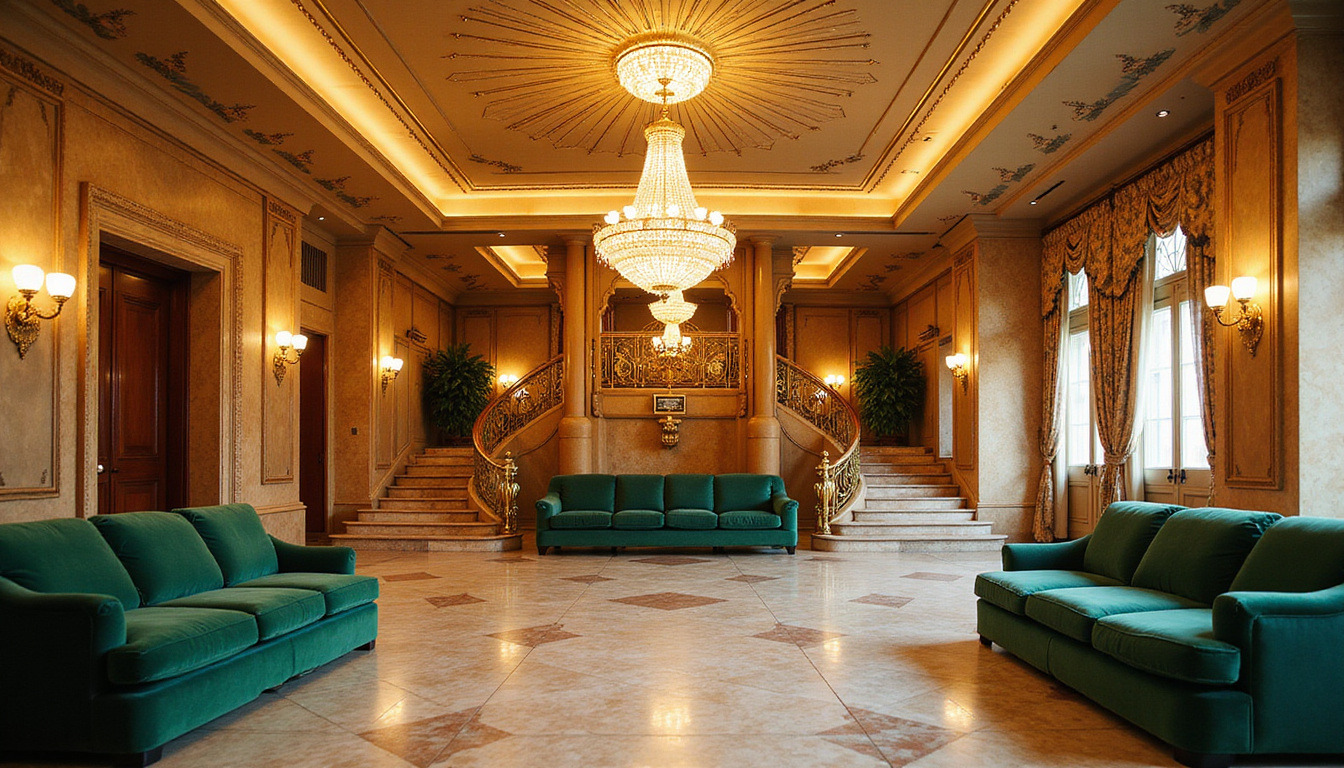
Art Deco hotels give you a chance to feel a film-like past while you sleep in modern ease. They hold strong links: chrome shines close to marble floors, neon glows near bold facades, and every design piece sits near its pair. In these hotels, you do not just rest; you join a story made of design and time.
Below is a global guide that explains the style. It shows you how to spot true Art Deco, where to find its best forms, and what to check when you book your own stylish stay.
What Defines an Art Deco Hotel?
Before you reserve a room, know what “Art Deco” means here. Born in the 1920s and 1930s, this style puts progress and luxury on equal ground with neat modern looks.
In Art Deco hotels, you see:
• Geometric shapes: zigzags, chevrons, or sunbeam forms
• Balanced, straight forms
• Rich materials like marble, brass, chrome, and inlaid wood
• Deep, firm colors with black, gold, or cream
• Motifs that come from industry, nature, or old cultures
• Bold lights: uplighters, neon, etched glass, and chandeliers
Some hotels keep the original style from the Jazz Age. Others build new rooms that use the old design ideas. Both hold a classic charm, each in its own way.
Why Stay in Art Deco Hotels?
A stay here does more than please your eye—it shapes your trip.
1. A Clear Sense of Place and Time
Art Deco links to the hope of the early 20th century. It calls to mind huge ships, tall buildings, and new technologies. When you sleep in one, you live part of that past. You join a tale of a city built on bright ideas.
2. Comfort with a Design Flair
These hotels show high ceilings and wide public areas. They bring careful build work into every room. Even when you see old details, modern beds, air-conditioning, and hidden smart tools join in.
3. Spaces That Spark a Photo
If you love photos or want to keep memories, these hotels share:
• Lobbies set to impress with standout stairs
• Retro bars with mirrored walls
• Floors with strong patterns and halls with bold design
• Outside views that catch the light at just the right time
4. A Mark of Cultural and Design Value
Many Art Deco hotels are preserved sites. Your stay helps keep these historic gems alive. In cities like Miami Beach and Napier, clusters of Deco hotels form a distinct area to enjoy.
Global Hotspots for Art Deco Hotels
Art Deco design appears around the world. Still, certain places hold many neat examples.
Miami Beach, USA: The Famous Deco Spot
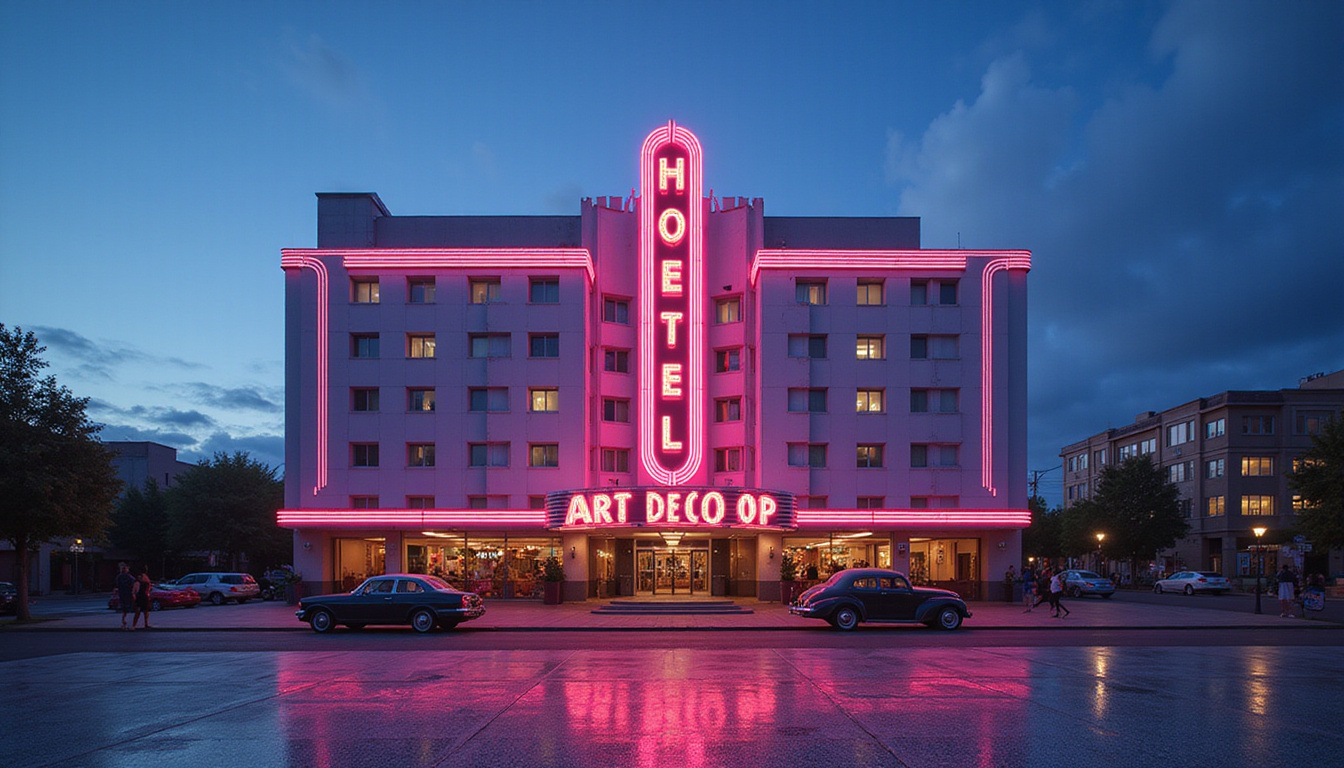
South Beach holds a strong link to Art Deco. On Ocean Drive, Collins Avenue, and Washington Avenue you see pastel walls, neon signs, and rounded corners. Many hotels here keep their old look in low-rise buildings from the 1930s–1940s.
Watch for:
• Oceanfront hotels in modest buildings
• Rooftop bars with round windows and a hint of the sea
• Lobbies with terrazzo floors and bright chrome details
Many hotels mix the old look outside with a fresh take inside. Check pictures if you want more of the original feel.
New York City, USA: Skyscraper Style
New York is known for its tall towers. Yet it also holds hotels with Art Deco design and large, impressive spaces.
You may see:
• Tall towers with zigzag or sunburst designs
• Grand lobbies with painted walls, metal touches, and neat stone
• Gentle bars that recall old cocktail spots
Deco style here leans urban and high. It suits trips that mix a show, museum, or a view of the skyline.
London & Paris: A Touch of European Class
In London and Paris, Art Deco hotels stay low or mix with older or newer styles.
In these cities, you can see:
• Old railway hotels given a Deco twist
• Riverside or boulevard sites with neat geometric marks
• Rooms that use lacquer, mirrored panels, and soft floral hints
In Europe, the Deco type feels more about fine work and calm charm than loud colors.
Cairo & Alexandria, Egypt: Deco by the Water
Egypt saw a strong Deco wave in the early 20th century. Look in Alexandria and parts of Cairo for:
• Building fronts with stepped shapes and tight window rows
• Balconies with geometric railings in iron
• Interiors that mix European Deco with local old themes
Here, you can live history paired with modern design, set close to ancient lands.
Napier, New Zealand and Other Unique Spots
Some smaller towns hold many Deco charms:
• Napier in New Zealand: Rebuilt after an earthquake in 1931, it stands as a full Deco town with heritage hotels.
• Mumbai, India: Marine Drive shows many Deco apartment and hotel buildings.
• Havana, Cuba and Mexico City, Mexico: Both hold Deco hotels with a Latin flavor.
In these towns, you do not just stay indoors; you join a full Deco street view.
How to Recognize True Art Deco Hotels
Not every hotel with “Deco” in its name truly shows the style. To find one that sticks close to true Deco, look at:
Period of Build or Fix-up
• Made in the 1920s–1940s, or
• Restored with care to show Deco parts.Outside Marks
• A balanced front with clear lines
• Setbacks, curved edges, or stepped tops
• Marks in shapes like sunbeams, ziggurats, or chevronsInside Details
• Original or fixed materials: terrazzo, inlaid wood, etched glass
• Furniture that speaks Deco: low sofas, fluted forms, chairs that seem to float
• Lighting that layers light and shade with frosted or patterned glassConsistent Design
• Does the Deco look span hallways, elevators, bathrooms, and signs?
• Or does it only appear in one spot?Records and Heritage
• True Art Deco hotels share tales of their age, name the builder, or show heritage marks on their site or local guides.
Choosing the Right Art Deco Hotel for Your Trip
With many choices worldwide, your pick will rest on your own needs. Think about these points when you book.
1. Your Trip’s Aim
• City visit and nightlife: Choose a spot with solid lobbies and bars in places like Miami Beach, New York, or Paris.
• Beach break: Look for South Beach, Alexandria’s Corniche, or seaside towns with old buildings.
• Culture or design: Cities such as Cairo, Mumbai, or Napier show many Deco details that join to tell a larger story.
2. Original vs. Inspired
• True heritage hotel
– Up: A strong link to the past and a unique tale.
– Down: Rooms may feel small or be oddly laid out; old fix-ups might show noise or heat gaps.
• New or modern Deco-style hotel
– Up: Modern ease joins classic design and tech.
– Down: It might feel like a stylish theme rather than a saved story.
Decide which matters more: clear design looks or living a true history.
3. Room and Service Perks
Art Deco hotels run from small boutique rooms to grand luxury places. Look at:
• Room size and layout (especially in tight city spots)
• Background noise (older buildings can carry sound)
• On-site dining and bars that stand out
• Access: elevators, steps-free access, and adapted rooms
Tips for Enjoying Your Deco Stay
To really enjoy an Art Deco stay, treat it as a full experience, not just a bed for the night.
• Arrive early or delay your departure to sit in the lobby and see all design bits.
• Ask the team about the building’s past; many know the story well and can point out true details.
• Book a “heritage” or “signature” room if you see one; these keep more of the old side.
• Visit after dark: Neon signs and soft lights play a big part in the Deco look.
• Take close-up photos of small marks, from door handles to light switches, to see all the careful work.
Sample Itinerary: A Long Weekend in Deco Style
If you want a trip built around Art Deco hotels and design, plan days that blend design with city walks.
Day 1: Arrival & Immersion
• Check into your chosen Art Deco hotel.
• Walk around the property, from high spots to low ones.
• Enjoy a pre-dinner drink at the hotel bar, taking in every design detail.
Day 2: Building Walk in the Area
• Map out nearby Deco buildings—cinemas, work spots, or apartment blocks.
• Visit a local gallery or small museum to see more of the era’s art.
• Return for sunset or night photos of the hotel’s front.
Day 3: Calm and Comfort
• Have a slow breakfast in the hotel dining room.
• Use the pool, spa, or rooftop as you wish; many old Deco hotels have uniquely styled spots.
• Snap final photos before you check out, great for your next idea or to share with friends.
Checklist: Points to Check When Booking Art Deco Hotels
Use this short list as you compare hotels online:
• Age and story of the building clearly shared
• Deco outside in photos (clear shapes, even lines, and marks)
• Lobby pictures with period mix of materials and light
• Reviews that mention “historic,” “Art Deco,” or design details
• Room photos that agree with your comfort needs (size, bath, windows)
• A spot that sits in a center or known area (Deco streets, near the water, in an old town)
FAQ About Art Deco Hotels
Q1: What makes a hotel Art Deco rather than just old?
A hotel is Art Deco when its design uses the key ideas of the style: clear patterns, smooth shapes, and period materials used in the 1920s–1940s. A hotel that is old may hold other styles like Victorian or Bauhaus instead.
Q2: Are Art Deco hotels good for families or best for couples and style fans?
Art Deco hotels can work for families. Many show extra rooms, suites, and child-friendly services that mix well with their design. When you travel with kids, check on space, dining spots, and ease of access. A Deco hotel should add to comfort without lessening fun.
Q3: How do I spot the best Art Deco boutique hotels in a new city?
Search for keywords like “Art Deco hotels in [city]” or “historic boutique hotel [city].” Then check results on different booking sites and map tools. Look in known Deco spots, read guest reviews that speak of design and past, and study the photos closely. Local guides and tours often name top Deco list spots.
Step Into the Golden Age: Plan Your Art Deco Stay
If you want a stay that moves you beyond a plain room, Art Deco hotels mix art, history, and a distinct air. They turn a night under a roof into a step back in time. When you plan your next journey, look at more than just the cost or spot. Find the buildings with sweeping curves, lobbies filled with terrazzo and brass, and bars where the soft light falls gently on polished glass.
Start your search for Art Deco hotels in your planned spot today. Compare their histories and looks, and pick one that speaks to you. Your next trip may not just take you somewhere new—it can pull you into another time.