
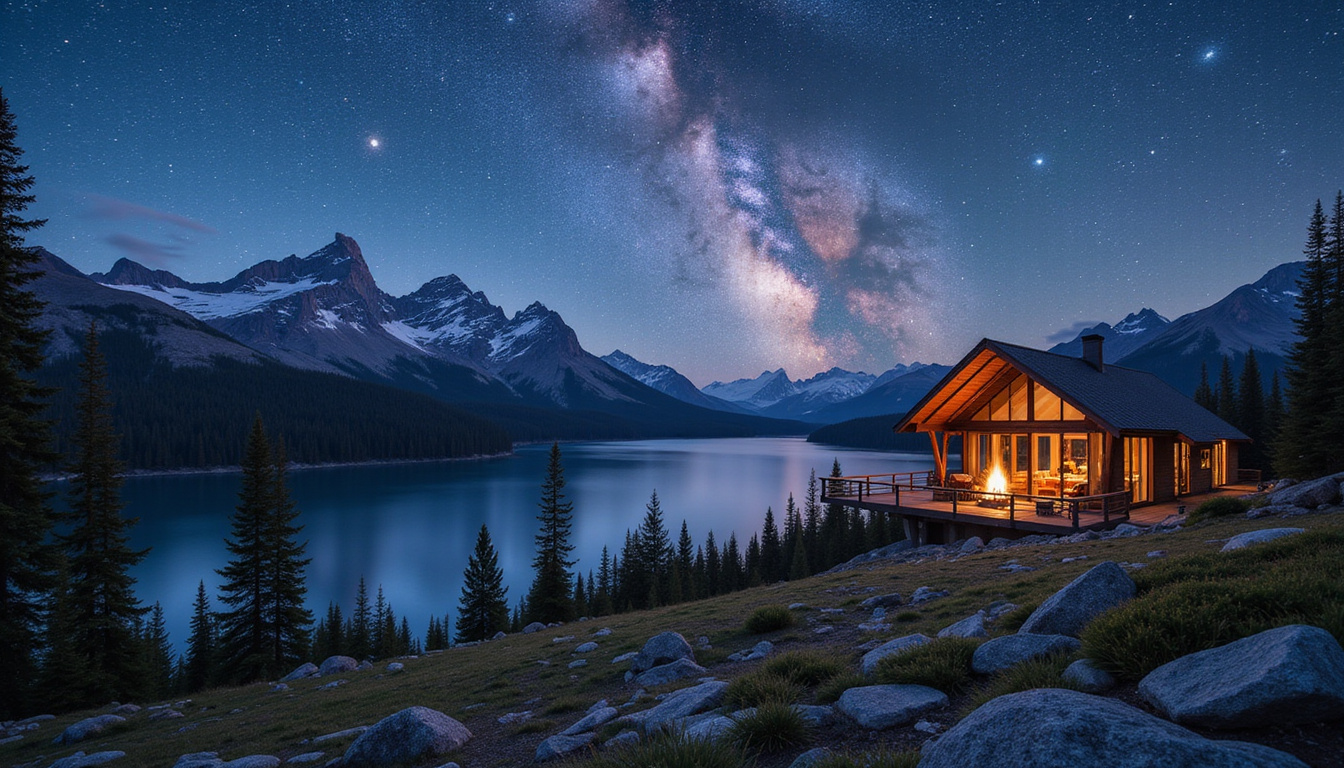
If you wish to see the Milky Way shine above you instead of city haze, try a hotel built for stargazing near a national park. Rooms are warm and close to wild land. The night sky stays dark and clear. Here is a guide to the best stargazing stays near U.S. national parks, what to seek, and how to plan a night-sky trip.
Why Choose Stargazing Hotels Near National Parks?
National parks and nearby towns are a good match for stargazing hotels. They lie far from big towns. They often meet dark-sky standards. High spots and dry air give clear views. Local guides work with dark-sky rules.
A stay at these hotels means more than a room. You get late hours to see bright stars. You get on-site star shows or equipment. You also get a day of park walks and fine nights.
What Makes a Great Stargazing Hotel?
Not all remote lodges share the same care. The best stargazing hotels have one or more of these traits:
Low Light Pollution
They lie far from large towns and busy roads. Look for words like “dark skies” and “remote spot.”Clear, Dry Skies
Places in deserts or at high spots usually bring clear nights and still air.Careful Lighting Design
Red or soft outdoor lights, shielded lamps, and dark curtains help keep your eyes in tune with the stars.Sky-Facing Architecture
• Large windows
• Private decks or roof terraces
• Skylights or glass domes
These parts turn your room into a small sky hall.Astronomy Gear
Many good hotels bring:
• Binoculars or small telescopes, with sessions led by a guide
• Open platforms or fire pits in dark spots
• Star maps, apps, or set night programsComfort and Warmth
Even in summer, desert or mountain nights feel cool. Heated blankets, hot tubs, and warm lounges help you sit out longer.
Western Dark-Sky Icons: Utah & Arizona
The Southwest of America is known for its parks and dark skies. Many parks have earned dark-sky honors from well-known groups.
Near Bryce Canyon National Park, Utah
Bryce Canyon shines with clear nights and set star shows.
What to find nearby:
• Lodges or cabins just outside the park limits (like in Bryce Canyon City or Tropic) that plan for dark-sky views.
• Spots with open fire pits and decks.
• Few outside lights.
• Close access to park views so you may join guided night shows and then rest in a quiet room.
Near Zion National Park, Utah
Zion’s red cliffs shape a bold frame for stars.
You might pick hotels that:
• Stand on the east edge of the park or away from Springdale’s busy road.
• Have private patios, hot tubs, or hammocks that face the sky.
• Provide local guides who point out lesser-known spots for night photos.
Near Grand Canyon National Park, Arizona
The Grand Canyon, especially near the North Rim and Desert View, gives a grand show of dark skies.
The best stays include:
• Lodges on or near the North Rim or in small towns with few lights.
• Wide canyon views.
• Occasional night talks or telescope sessions.
• Insulated rooms with near access to sunrise and sunset spots.
Desert Dreams: Joshua Tree & Death Valley
Desert parks in California host some of the darkest skies in the region.
Near Joshua Tree National Park, California
The Joshua Tree area draws lovers of the night sky and art.
Good hotels or rentals here are usually remote desert homes, eco-lodges, or small hotels on wide land. They bring features such as:
• Outdoor tubs or small pools under the stars
• Roof decks furnished with chairs and blankets
• Guides, apps, or set playlists for sky view sessions
Local towns care for dark-sky ways. Many listings point to stargazing options in their ads.
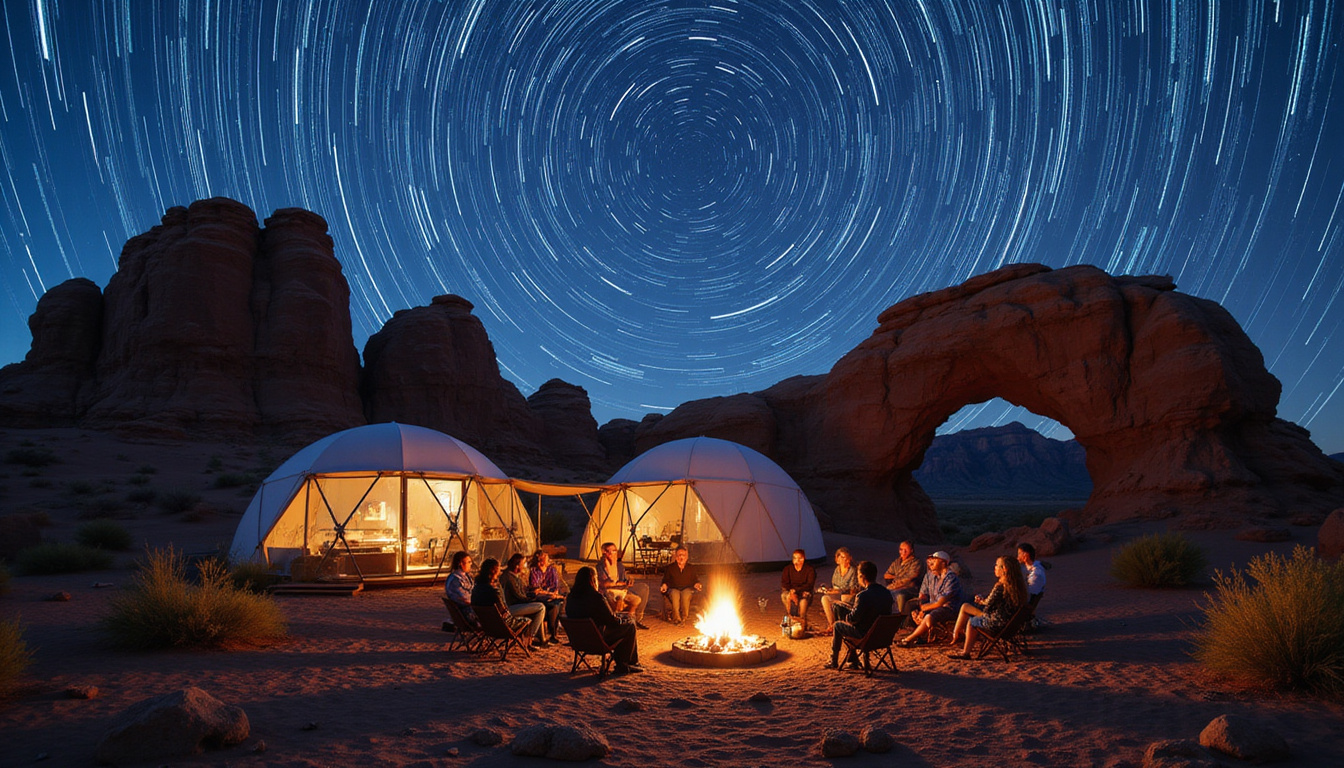
Near Death Valley National Park, California/Nevada
Death Valley earns top dark-sky honors, and its skies stay very dark.
Seek out hotels or camp-resorts within or right next to the park. Pick places that show:
• Open, round views
• Cool shading in the day (the heat can be high)
• Late check-ins and loose rules for night guests
Mountain Magic: Yosemite, Rocky Mountain & Beyond
High spots bring thin air and clear views on moonless nights.
Near Yosemite National Park, California
Yosemite’s stone peaks set strong shapes against starry dark.
Good stays in Yosemite include:
• Spots away from busy village centers – think small lodges or cabins in quiet valleys.
• Outdoor decks, open fields, or riverbanks on the land.
• Ties with local sky clubs for star parties.
Near Rocky Mountain National Park, Colorado
At over 8,000 feet, nights near Rocky Mountain bring stars close.
Pick a lodge or cabin away from the busy parts of Estes Park or Grand Lake. Look for:
• Simple paths to high passes (for views above trees)
• Simple rules for outside lights, such as dim bulbs or motion lights
• Warm lounges to share a drink between sky sessions
Northern Lights & Arctic Skies: Remote Alaska Lodges
In Alaska, parks run wide and remote. Lodges on their edges show rare sky scenes.
Near areas like Denali National Park, small hotels or lodges serve both day views of wild life and nights to watch the sky. Look for:
• Winter stays if you chase the dancing lights.
• Calls that wake you when the lights come on.
• Rooms with glass walls or domes that keep cold at bay.
In these north spots, stargazing hotels can also serve as aurora-viewing places. Long, dark winters bring both stars and northern lights.
How to Choose the Right Stargazing Hotel for You
Travelers seek a mix of sky, room ease, and park access. Use this list to narrow your choice.
Pick Your Main Goal: Clear Sky, Room Ease, or Proximity?
• If you want pure darkness, choose far-off lodges even if you drive more to get to parks.
• If you want more ease, say yes to small hotels and resorts with fine rooms.
• If you want park closeness, pick hotels near park gates for easy shows and clear skies.Check Night Conditions Before You Book
• Use maps that show light levels to judge how dark a spot is.
• Read terms like “Bortle scale” or “Dark Sky” in ads.
• Find reviews that mention nights or photos under the stars.Look for Items Made for Sky Watching
• Telescopes or binoculars on site
• Outdoor seating that faces clear sky
• Rules that keep lights lowThink of Your Travel Time
• Desert parks give clear nights from fall to spring, but can feel cool at night.
• Mountain parks shine best in summer or early fall with clear nights and fair air.
• North regions show long nights and auroras in fall and winter.
What to Pack for a Night-Sky Trip
Staying at a hotel built for star watching calls for a few extra things:
• Warm clothes: hats, gloves, and jackets work even in mild summer in high spots.
• A red-light headlamp or small torch: this keeps your eyes ready for stars as you move safely.
• Binoculars: a small pair (like 7×50 or 8×42) works better than a big telescope.
• Smartphone apps: night maps help you spot stars, planets, and the Milky Way.
• A tripod or camera gear (if you wish): these help with long, dark photos of the sky.
Simple Tips for Sky Watching
You do not need a Ph.D. in stars to enjoy a dark night:
Let your eyes get used to dim light.
Turn off bright screens. Sit in the dark for 20–30 minutes.Start with large, bright spots.
Find main star shapes, the band of the Milky Way, and bright planets like Jupiter or Saturn if they show.Use the hotel’s help.
If the hotel has guides, maps, or set star tours, join one session. They show you what to see later on your own.Pick nights with the right moon.
• To see the Milky Way and faint stars, choose nights when the moon is small.
• To see landscapes in moonlight, pick nights when the moon shows more.
Sample Itinerary: A 3-Night Night-Sky Trip
To make the best of a short stay at a stargazing hotel, try this plan:
Night 1 – Settle In and Rest
• Arrive before the sky darkens and check in.
• Walk around the land to find the darkest and safest spot.
• Spend an hour under the open sky with your own eyes.
Night 2 – Move to Deeper Views
• Use the day to drive the park roads or take walks.
• Join a night show offered by the park or hotel.
• Use binoculars and a star app to learn a few star shapes.
Night 3 – Take Your Favorite Images
• Return to your best spot.
• Try simple night photos, even with your phone on a tripod.
• Enjoy a calm night that uses your newly learned star tips.
FAQ: About Stargazing Hotels and Night-Sky Stays
Q1: What is a stargazing hotel and how is it different from a regular hotel?
A stargazing hotel plans for night skies. Its lights and views come first. Rooms may include small telescopes, star charts, or simple sky shows. Many lie near parks or wild spots where light stays low.
Q2: Are hotels meant for star watching good for beginners?
Yes. Most offer a warm welcome for new sky watchers. You do not need special tools or past know-how. Many run guided shows, plan night walks, and provide simple tools like binoculars and apps. A few warm layers and a bit of patience can help you enjoy the sky.
Q3: Do I need my own telescope for a star-focused visit?
Not at all. Most guests depend on their eyes and a small pair of binoculars. Some hotels and parks show nights with shared gear. If you have a small telescope and can travel with it, it may add to your trip—but it is not a must.
Turn Your Next Park Trip Into a Night-Sky Adventure
A stargazing hotel turns a park visit into a trip full of night wonder. When the sun sets, the fun does not end. Instead, the evening brings stars, planets, and the bright Milky Way near your window.
When you plan your next park trip, look carefully at hotels that care for dark skies. Ask about light rules and choose spots with open views and a quiet setting. With a bit of thought, you can sleep under many stars and wake to trees, rocks, or wide fields right outside your door.