
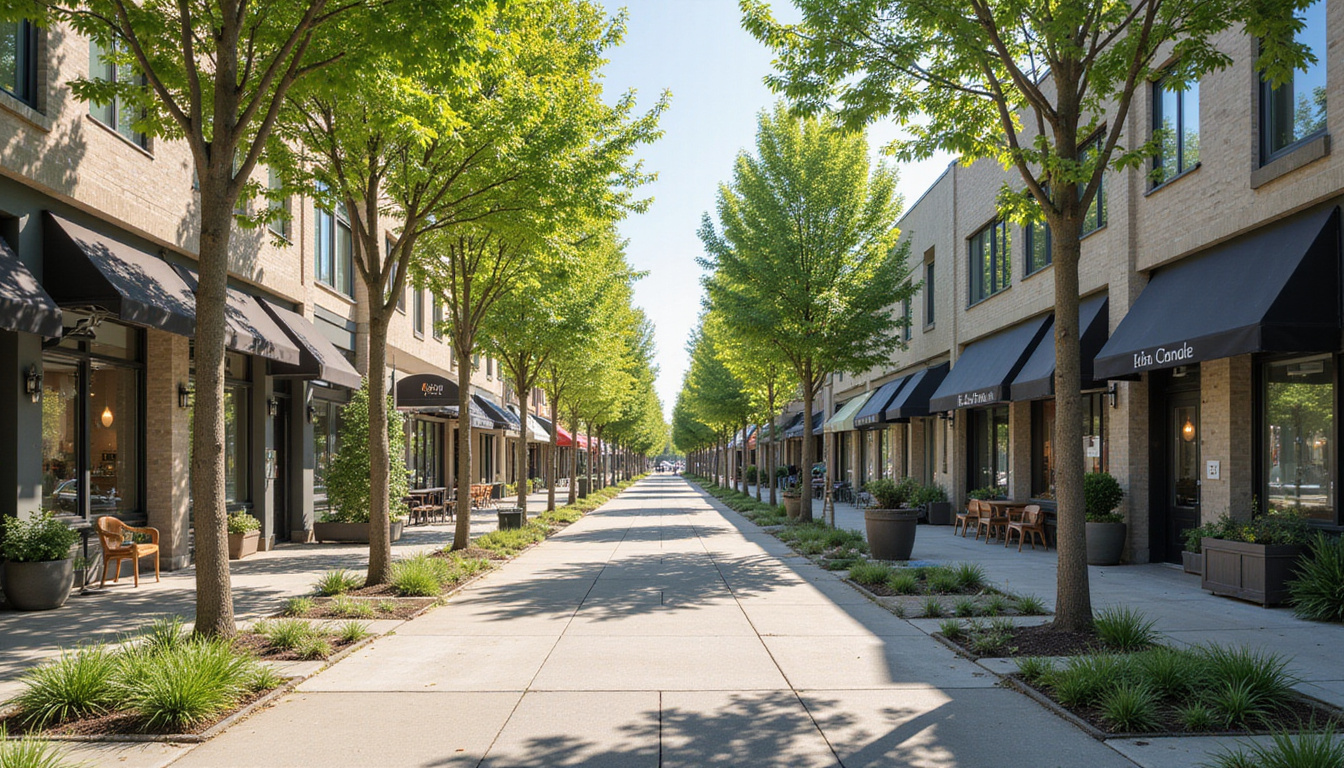
When you’re buying or selling a property in Egypt, nearby amenities can make as much difference to price and demand as the number of bedrooms or the quality of finishes. From schools and transport links to malls and waterfront promenades, the services and facilities that surround a home directly affect its market value, rental income potential, and day‑to‑day livability.
This guide explains which amenities matter most in the Egyptian context, how they impact prices in both new compounds and traditional neighborhoods, and what to look for if you want a property that will hold – and grow – its value.
Why Nearby Amenities Matter More Than You Think
Buyers often focus on what’s inside the home, but professional valuers and savvy investors always study what’s around it. In Egypt’s major markets – Cairo, Giza, Alexandria, the North Coast, the Red Sea, and the new urban areas – nearby amenities are a key component of:
- Resale value – Homes near strong amenities typically appreciate faster.
- Rental demand – Expats, young professionals, and families will pay a premium for convenience.
- Time on market – Well-located properties sell and rent more quickly.
- Lifestyle quality – Daily comfort, safety, and leisure options are all influenced by what’s close by.
In competitive areas like New Cairo, Sheikh Zayed, and New Administrative Capital, the difference between an average and a standout investment often comes down to the quality and variety of nearby amenities.
Core Amenity Categories That Drive Property Value
Not all amenities carry the same weight. Some are “value-defining” – buyers will pay significantly more for them – while others are “nice to have.” In Egypt, these categories usually rank highest.
1. Transport and Connectivity
Access and commute time are major price shapers.
High‑impact nearby amenities:
- Proximity to main roads and ring roads (e.g., Suez Road, Ring Road, Mehwar, 26th of July Corridor).
- Public transport hubs – metro stations in Greater Cairo, bus routes, and new monorail/HSR stations as they come online.
- Airport access – especially for expats and frequent travelers in areas like Heliopolis, Masaken Sheraton, New Cairo, and New Alamein.
Properties with multiple connectivity options command higher prices because they cut commute time to business districts, universities, and key services.
2. Education: Schools and Universities
In family‑driven markets, strong education options are among the most valuable nearby amenities.
- International and language schools – British, American, German, French, and reputable national schools.
- Universities and institutes – AUC in New Cairo, GUC in New Cairo, private academies in 6th of October, and future campuses in NAC and New Alamein.
Being within a short drive or even walking distance of a top school zone can raise both sale and rental values, especially in compounds catering to expat or upper‑middle‑class families.
3. Retail, Dining, and Entertainment
Daily convenience and social life heavily depend on commercial nearby amenities:
- Malls and retail centers – Cairo Festival City, Mall of Arabia, City Centre Almaza, San Stefano in Alexandria.
- Street retail and promenades – like Korba, Zamalek streets, Alexandria Corniche, or Marina/La Vista promenades on the North Coast.
- Cafés, restaurants, and co‑working spaces – vital for younger buyers and remote workers.
Areas that blend residential calm with quick access to vibrant retail and dining – such as Zamalek, parts of New Cairo, and Sheikh Zayed – tend to hold value even during market swings.
4. Health and Wellness Facilities
After the pandemic, health‑related nearby amenities gained importance.
Key value drivers:
- Hospitals and specialized clinics – established, reputable providers.
- Pharmacies operating late or 24/7.
- Fitness centers, sports clubs, and spas – from local gyms to major clubs like Al Ahly, Wadi Degla, and Shooting Club branches.
Lifestyle buyers often rank wellness amenities nearly as high as transport and schools when choosing between similar properties.
5. Parks, Greenery, and Waterfront Access
In dense cities like Cairo and Alexandria, open space is a luxury.
High‑value environmental amenities include:
- Public parks and landscaped promenades – e.g., Family Park, Zed Park, coastal promenades.
- Clubhouses and internal green areas in gated compounds.
- Beachfront or lagoon access in North Coast, Ain Sokhna, Hurghada, and El Gouna.
Homes facing parks, gardens, or water – even indirectly – typically achieve a price premium compared with those overlooking traffic or blank walls.
How Nearby Amenities Influence Different Buyer Profiles
The same nearby amenities can mean different things to different buyers. Knowing who you want to attract helps you pick the right location in Egypt’s diverse property landscape.
Families with Children
Priority amenities:
- Reputable schools within 10–20 minutes.
- Safe parks, playgrounds, or club facilities.
- Nearby clinics, pharmacies, and pediatric services.
- Family‑friendly malls and entertainment.
Result: These buyers pay more for a secure environment with a full ecosystem – a key reason family‑oriented compounds in New Cairo, 6th of October, Shorouk, and Obour have flourished.
Young Professionals and Singles
Priority amenities:
- Commute efficiency to business districts (New Cairo business hubs, Smart Village, NAC, Downtown Cairo).
- Cafés, gyms, and co‑working spaces nearby.
- Night‑time restaurants and lounges within a short drive.
Result: Central areas like Zamalek, Maadi Degla, and parts of New Cairo with strong nightlife and work access can ask higher rents for smaller units.
Expats and Digital Nomads
Priority amenities:
- International schools, embassies, and expat communities.
- Healthcare quality and English‑speaking doctors.
- Reliable internet providers and co‑working spaces.
- Easy access to airport and main business hubs.
For a feel of expat‑oriented living and what matters day‑to‑day, this video gives a useful personal perspective:
Things I Wish I Knew Before Moving to Egypt – My Honest Experience –
Investors Focused on Rental Yields
Priority amenities:
- Universities (for student housing demand).
- Business districts (for corporate rentals).
- Tourist attractions and beaches (for short‑term rentals).
- Malls and transport connections that expand the pool of potential tenants.
In these cases, nearby amenities translate almost directly into occupancy rates and rental pricing power.
Compounds vs. Traditional Neighborhoods: Different Amenity Models
Egypt’s property market now effectively offers two models:
1. Integrated Compounds: Built‑In Amenities
New Cairo, Sheikh Zayed, 6th of October, NAC, New Alamein, and Sokhna are full of integrated communities where most nearby amenities are actually inside the compound or within its master plan.
Typical features:
- Clubhouse, pools, gyms.
- Internal retail strips and cafés.
- Nursery or early education centers.
- Security and facility management.
Here, buyers look at both what’s inside the gates and what’s just outside: proximity to major hubs like Downtown New Cairo, central business districts in NAC, or coastal promenades.
2. Established Urban Neighborhoods: Organic Amenities
Central areas like Zamalek, Garden City, Old Maadi, Nasr City, Heliopolis, and Alexandria’s Corniche rely on organically developed nearby amenities:
- Street‑level cafés and restaurants.
- Long‑standing schools and clubs.
- Traditional souqs, local shops, and services.
These neighborhoods can rival or exceed compound value because of their character and walkability, even if their amenities aren’t “branded.” The crucial factor is the density and quality of services within walking or short‑driving distance.
Checklist: Evaluating Nearby Amenities Before You Buy
When comparing properties in Egypt, use a structured approach to assess nearby amenities. Here’s a practical checklist:
Transport and Access
- Distance to main roads (Ring Road, Mehwar, Suez/Ismailia Roads, etc.).
- Closest metro or bus hub; future transport projects nearby.
- Travel time to your work/study area at peak hours.
Education Options
- Nearest nurseries, primary, and secondary schools.
- Reputation and accreditation of international or language schools.
- Distance to universities or institutes that match your needs.
Healthcare and Wellness
- Name and distance of the closest major hospital.
- Availability of 24‑hour pharmacies.
- Nearby gyms, clubs, and sports facilities.
Retail and Daily Services
- Supermarkets, groceries, and fresh markets.
- Malls or shopping centers; typical drive time.
- Banks, ATMs, laundry, maintenance shops, and delivery coverage.
Recreation and Environment
- Parks, corniche, promenades, or club green spaces.
- Noise levels and traffic patterns at different times of day.
- Sea, lake, or lagoon access in coastal areas.
Future Development Plans
- Check government and developer plans for roads, metro lines, and new service hubs in the area (source: Egyptian Ministry of Housing and Urban Communities).
- Ask about upcoming malls, universities, or hospitals planned nearby.
The Investment Angle: Nearby Amenities and Price Growth
For investors, the impact of nearby amenities is particularly measurable over time:
- New infrastructure – announcing a new metro line, monorail, or road link can raise land and property prices before completion.
- Anchor amenities – the arrival of a major mall, university, or hospital often triggers a wave of new demand and supporting services.
- Amenity gaps – areas with good land prices but limited amenities may be “early stage” investment zones if reliable projects are planned.
However, not all promises materialize on schedule. Focus on:
- Projects already under construction, not just on billboards.
- Areas where multiple independent amenities (public and private) are developing, reducing dependence on a single developer.
Balancing Amenity Access with Peace and Privacy
While strong nearby amenities boost value, being too close to certain facilities can reduce comfort:
- A unit directly above or next to a busy commercial strip can suffer from noise and parking issues, lowering its resale or rental appeal compared with a quieter unit in the same area.
- Properties facing main roads may appreciate more slowly than those one or two streets inside, even though both benefit from similar surrounding amenities.
- In coastal and resort markets, a short walk to the beach with some separation from public crowds may be more valuable than being on a noisy frontline.
The ideal is usually “near but not on top of” – close enough to use amenities easily, far enough to preserve privacy and tranquility.
Frequently Asked Questions About Nearby Amenities and Property Value
1. How do nearby amenities affect property prices in Egypt?
Nearby amenities affect prices by shaping how desirable and practical a property is. Homes close to strong transport links, good schools, healthcare, and shopping often command a significant premium and see faster price growth than similar homes in amenity‑poor areas. In competitive zones like New Cairo or Sheikh Zayed, the difference can be substantial in both sale and rental values.
2. Which nearby amenities matter most for resale value?
For long‑term resale, the most important nearby amenities tend to be transport connectivity, reputable schools, healthcare facilities, and a solid base of everyday retail and services. Parks, waterfront access, and clubs add extra value, especially for family and lifestyle buyers, but core functional amenities are what keep a neighborhood resilient through market cycles.
3. Are nearby amenities more important than the property’s interior finishes?
Both matter, but nearby amenities often have a stronger impact over time. Finishes can be upgraded; location and surrounding infrastructure cannot. A well‑finished apartment in an isolated area may struggle compared with an average‑finished unit in a fully serviced, connected neighborhood. Smart buyers aim for a good property in a great location, not the reverse.
Make Nearby Amenities Work for Your Next Move
Whether you’re buying a primary home, searching for an investment, or planning a move within Egypt or from abroad, don’t treat nearby amenities as an afterthought. They are central to your quality of life, your monthly time and transport costs, and your property’s long‑term performance.
Before you commit, walk the streets, drive the commute at rush hour, visit the closest malls, schools, and clinics, and talk to people who already live there. Compare several neighborhoods or compounds through the lens of their nearby amenities, not just their brochures.
If you’re considering a purchase or sale and want to maximize value, now is the time to focus on locations where amenities, infrastructure, and community life are converging. Work with a local Egypt property specialist who truly understands these dynamics and can guide you toward areas with both strong present‑day convenience and promising future growth.
Your next home or investment should offer more than four walls; it should plug you into a network of nearby amenities that supports the lifestyle and returns you’re aiming for.