
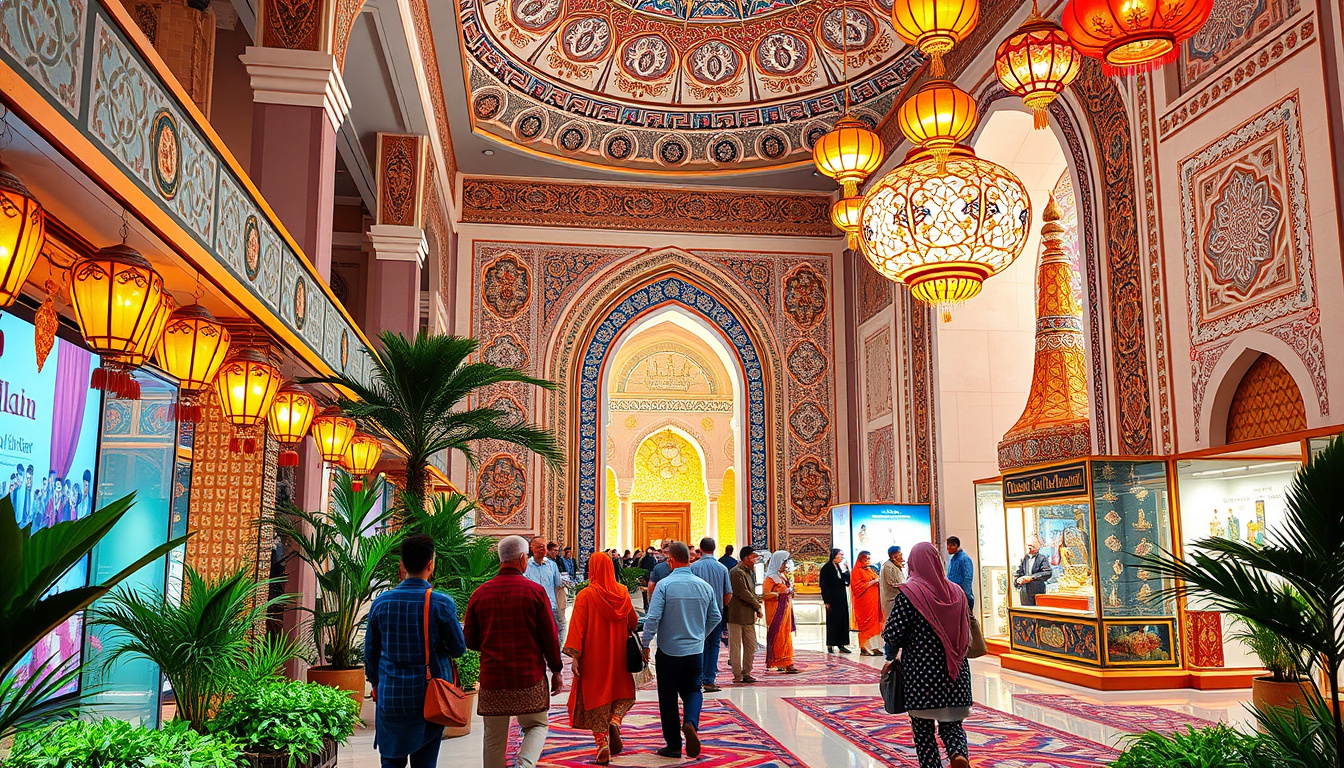
The Islamic New Year, also known as the Hijri New Year, marks a significant time for reflection and celebration among Muslims worldwide.
In Egypt, it is officially observed on June 18, though the astronomical occurrence was noted on June 17 this year.
This date signals the dawn of Muharram, the first month of the Islamic lunar calendar, commemorating the pivotal moment of the Hijra in 622 CE, when the Prophet Muhammad and his followers migrated from Mecca to Medina.
Due to its dependence on the lunar calendar, the Islamic New Year shifts earlier each year, making it an ever-evolving celebration.
The declaration of this new year is made by Dar al-Ifta, which is recognized as Egypt’s foremost Islamic authority.
Key Takeaways
- The Islamic New Year, marking the start of Muharram, is celebrated with varying dates each year due to the lunar calendar.
- Cairo’s Museum of Islamic Art houses over 100,000 artifacts, highlighting the diverse cultural heritage of the Islamic world.
- The museum reopened in 2017 after damage from a terrorist attack, showcasing restored items that celebrate Islamic history and achievements.
Understanding the Islamic New Year: Significance and Observance
The Islamic New Year, also known as the Hijri New Year, is a significant event that marks the beginning of Muharram, the first month of the Islamic lunar calendar.
In Egypt, this occasion is officially observed on June 18, following the astronomical occurrence the day prior, on June
17.
This transition signals not only a new year but also a reflection on the historical significance of the Hijra, the migration of the Prophet Muhammad from Mecca to Medina in 622 CE.
Because the Islamic calendar is lunar, the Hijri New Year does not align with the Gregorian calendar, leading to its early shift each year.
In Egypt, the announcement for the Islamic New Year is made by Dar al-Ifta, the preeminent Islamic authority, ensuring that the commencement of this period is widely recognized.
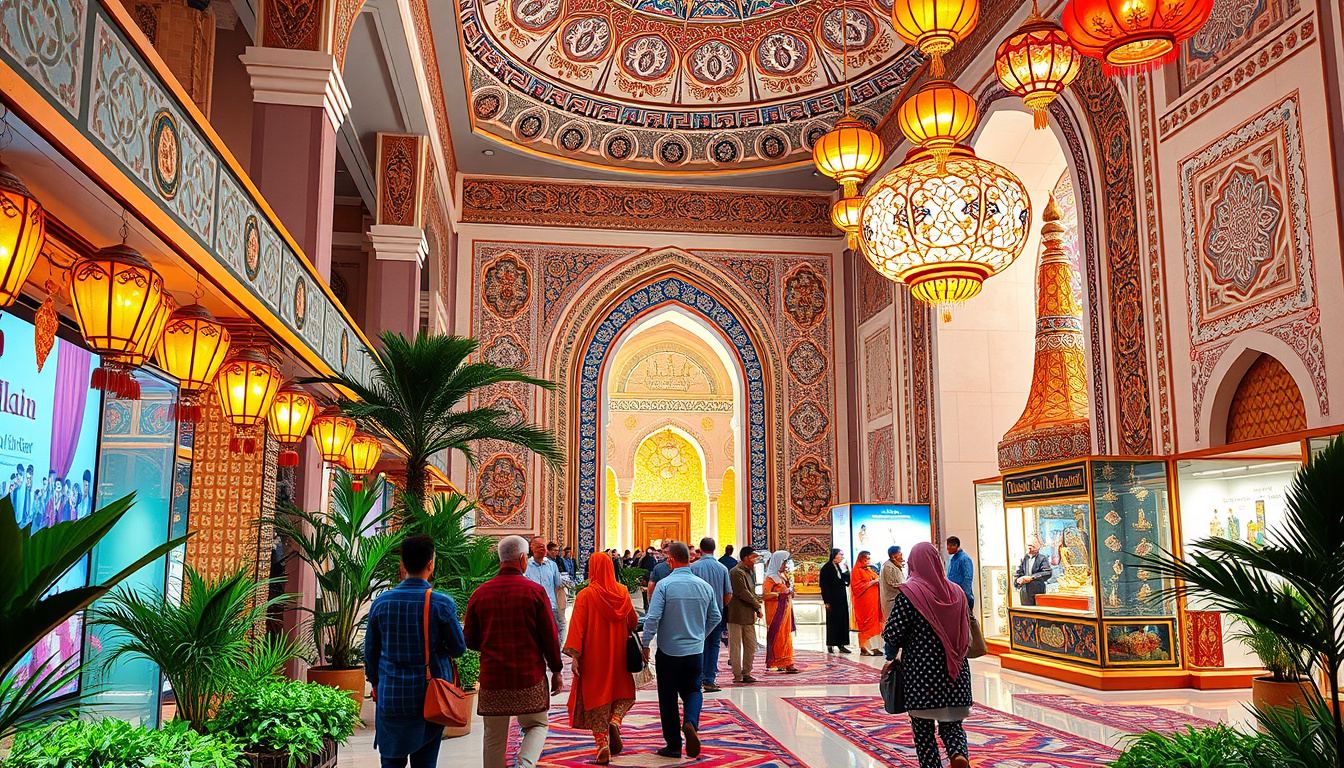
To honor the occasion, many are drawn to the Museum of Islamic Art in Cairo, a treasure trove of Islamic heritage that boasts an impressive collection of over 100,000 artifacts, although only around 4,000 can be viewed at any given time.
Opened in 1905, the museum, located in Bab el-Khalq, is renowned for its thematic exhibits that encompass ceramics, manuscripts, weaponry, and the advancement of Islamic science and medicine.
Following its closure due to damage from a 2014 car bomb attack, the museum reopened in 2017, showcasing restored artifacts that highlight the rich history of Islamic culture.
Commemorating the Islamic New Year here not only allows visitors to celebrate a new inception but also to appreciate the vast and diverse heritage that the Islamic civilization has contributed to the world.
Exploring Cairo’s Museum of Islamic Art: A Treasure Trove of Heritage
Visitors to the Museum of Islamic Art in Cairo will find themselves immersed in a narrative that spans centuries of Islamic cultural evolution.
The museum’s architecture, a blend of modern and classical styles, complements the rich variety of artworks within its walls.
From intricately crafted ceramics to ornate metalwork and stunning textiles, each exhibit tells a story of creativity and influence across different periods and regions.
The museum also dedicates sections to historical manuscripts that provide insight into the intellectual advancements during the Golden Age of Islam, further enriching the visitor experience.
For those interested in the impact of Islamic contributions to fields such as medicine and science, the exhibits on Islamic science serve as a testament to how this vibrant civilization shaped knowledge and innovation worldwide.
As the Islamic New Year unfolds, the museum stands as a vibrant reminder of the shared past and continued relevance of Islamic heritage in modern society.