
Smart, consistent property maintenance is one of the simplest ways to protect your investment, avoid surprise expenses, and keep your home’s value climbing instead of slipping. Whether you own a flat in Cairo, a villa on the North Coast, or a commercial unit in New Cairo, the same rule applies: small, regular actions now are far cheaper than big repairs later.
This guide walks you through a practical, people-first maintenance plan you can actually follow. You’ll see how to prevent common problems, what to check and when, and how the right strategy can increase your property’s long‑term value.
Why Property Maintenance Matters More Than You Think
Many owners wait until something breaks before acting. That “fix it when it fails” mindset is exactly what leads to:
- Emergency call-out fees
- Invasive repairs (breaking tiles, walls, ceilings)
- Lost rental income while work is done
- Accelerated wear that drags down property value
Proper property maintenance flips the script. By handling issues early, you:
- Extend the lifespan of structural elements, finishes, and systems
- Keep tenants happy and reduce turnover
- Present a well-kept, higher‑value asset to buyers or renters
- Avoid safety hazards and legal exposure
Globally, studies show that regular maintenance can significantly extend building life and reduce lifecycle costs (source: U.S. Department of Housing and Urban Development). The same principle holds true in Egypt’s climate—where heat, dust, salinity (in coastal areas), and occasional heavy rains can be especially tough on buildings.
Create a Simple Property Maintenance Schedule
A maintenance plan doesn’t have to be complicated. Break it into clear timeframes:
Monthly tasks
Focus on quick visual inspections and cleaning:
- Check taps, under-sink pipes, and exposed plumbing for drips or moisture.
- Test all lights and sockets; note any flickering or warm switches.
- Clean AC filters (especially important in Egypt’s dusty environment).
- Look for early signs of mold in bathrooms and kitchens.
- Walk balconies and terraces for cracked tiles, loose railings, or poor drainage.
Seasonal tasks
At least four times a year:
- Inspect roof, terrace, or top-floor surfaces for cracked waterproofing.
- Clear drains, gutters, and balcony floor traps of dust and debris.
- Service air-conditioning units before summer peaks.
- Check window and door seals for gaps that let in dust, heat, or moisture.
- Deep clean grouts and silicone in wet areas; replace failing sealant.
Annual and long‑term tasks
Once a year (or every few years):
- Full electrical check by a licensed electrician.
- Plumbing inspection and pressure test, especially in older buildings.
- Repainting or touch‑ups to protect walls from humidity and dirt.
- Review of waterproofing on roofs, bathrooms, and kitchens.
- Update your maintenance log and budget for larger upcoming works (e.g., elevator overhauls in shared buildings).
Turning property maintenance into a scheduled habit makes it far more manageable—and prevents “sudden” disasters that were quietly brewing for months.
Focus Area 1: Structural and Waterproofing Health
Structural issues and water leaks are the most expensive problems you can face. Catching them early is critical.
Watch for structural warning signs
You don’t have to be an engineer to notice red flags:
- Cracks wider than a coin in walls or ceilings
- Doors or windows that suddenly jam or misalign
- Sagging ceiling sections or bulging plaster
- Rust stains on concrete beams or columns
A few hairline cracks in plaster may just be cosmetic, but consistent widening or diagonal cracks near doors and windows can indicate movement. In Egypt’s older buildings, especially in central Cairo and Alexandria, pay extra attention to any change in structural behavior.
Take waterproofing seriously
Water is the silent enemy of building integrity. Poor waterproofing can damage:
- Concrete (through corrosion of steel reinforcement)
- Electrical systems
- Flooring and finishes
- Neighboring units below or beside yours
Key waterproofing checks:
- Roofs and terraces: Look for pooling water, cracked membranes, or loose tiles.
- Bathrooms: Check for damp patches on the ceiling of the unit below, or swollen wood around doors and cabinets.
- Kitchens: Inspect under sinks and around washing machine connections.
- Exterior walls: Look for peeling paint or efflorescence (white powdery deposits), especially after rain.
If you see repeated dampness, don’t just repaint. Have a professional investigate the source; proper property maintenance means treating the cause, not masking the symptom.
Focus Area 2: Plumbing – Small Leaks, Big Bills
A minor leak today can mean major demolition tomorrow. Plumbing deserves regular attention.
Common plumbing problems to prevent
- Slow, recurring drain clogs
- Low water pressure or sudden pressure drops
- Loud banging noises in pipes (“water hammer”)
- Rust-colored or cloudy water
- Constantly running toilet cisterns
Steps to protect your plumbing
- Install strainers in sinks and shower drains to catch hair and debris.
- Avoid harsh chemical drain cleaners that can damage pipes; use mechanical methods or professional services instead.
- Check flexible water hoses (to taps, toilets, and appliances) annually and replace at the first sign of bulging or corrosion.
- Train tenants or family not to flush wipes, sanitary products, or kitchen fat/oil.
In multi‑story buildings, unchecked leaks can create conflicts with neighbors and building management, and in some cases put you at risk of legal and financial claims. Preventive property maintenance here is also relationship maintenance.
Focus Area 3: Electrical and Safety Systems
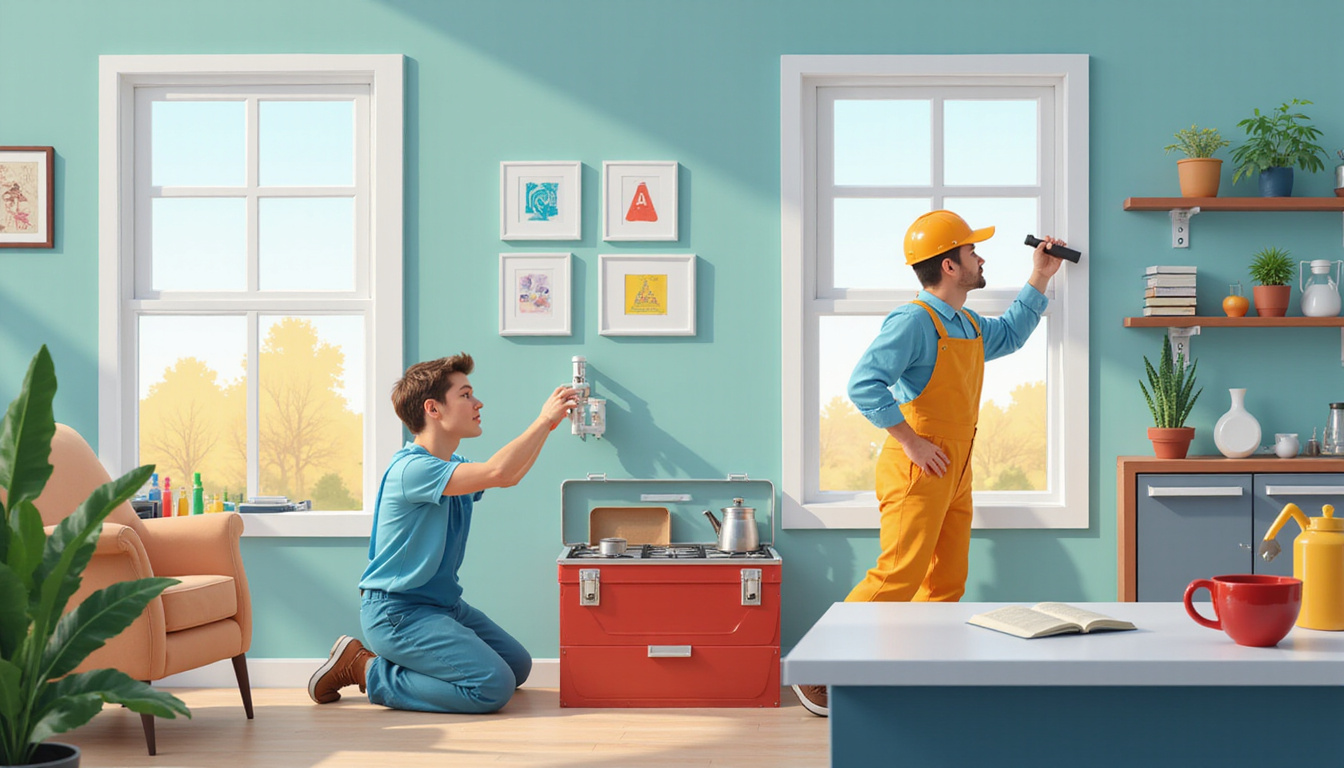
Electrical faults are a major fire hazard and one area where cutting corners can be dangerous.
What to monitor regularly
- Overheating switches or sockets
- Extension cords used as permanent wiring
- Exposed wires or loose outlets
- Frequent tripping of breakers
- Buzzing sounds from panels or switches
Safety upgrades to consider
- Install circuit breakers with residual current devices (RCDs) if your panel is outdated.
- Ensure bathrooms and kitchens have proper earthing and moisture‑resistant fixtures.
- Replace old, brittle wiring or improvised “fixes” by unqualified handymen.
- Add smoke detectors, especially near kitchens and bedrooms.
Never allow uncertified technicians to make major electrical changes. Proper documentation and safe installations add long‑term value and peace of mind.
Focus Area 4: Interior Finishes – Protecting What People See
Buyers and tenants judge a property on what they can see and feel. Thoughtful property maintenance keeps interiors fresh and appealing at a fraction of renovation costs.
Walls, floors, and ceilings
- Repaint high‑traffic areas every 3–5 years; choose washable paint for hallways and kids’ rooms.
- Repair plaster cracks properly before painting, not just covering with filler.
- Maintain grout lines in tiles; dark, missing grout makes spaces look older and lets water in.
- Check wooden flooring for gaps, warping, or termite signs; address immediately.
Kitchens and bathrooms
These two spaces heavily influence value:
- Replace worn silicone around sinks, bathtubs, and showers before water seeps behind tiles.
- Fix dripping taps and replace old, stained fixtures where feasible.
- Maintain adequate ventilation to reduce mold: exhaust fans, window vents, or dehumidifiers where needed.
- Periodically descale shower heads and taps to improve water flow and appearance.
Small, consistent upgrades—like new cabinet handles, modern light fixtures, or a refreshed countertop—can dramatically lift perceived value.
Focus Area 5: Exterior, Common Areas, and Curb Appeal
For villas and ground-floor units with garden or street access, exterior property maintenance is crucial.
Exterior maintenance essentials
- Maintain façade paint; repair peeling or cracked sections promptly.
- Keep entrance doors, intercoms, and external lighting in good condition.
- Ensure pathways and steps are not cracked, loose, or slippery.
- Trim plants and trees so roots don’t affect foundations or underground services.
In shared buildings, stay engaged with the homeowners association or building manager. Lobby condition, elevator reliability, and cleanliness of corridors and garages all affect your unit’s value and rentability.
Digital Tools and Professional Help
You don’t have to manage everything manually. Use:
- Calendar reminders (monthly, seasonal, annual tasks)
- A simple spreadsheet or app to track issues, contractor contacts, and costs
- Before/after photos of major repairs for future reference and resale proof
Know when to call professionals:
- Structural cracks or recurring damp patches
- Major plumbing blockages or leaks in walls/ceilings
- Electrical panel changes or complete rewiring
- Roof or comprehensive waterproofing works
This is not “extra cost”; it’s targeted investment that protects capital and supports higher valuations.
Sample Maintenance Checklist You Can Start Using Today
Use this quick list as a starting point for your own property maintenance plan:
Monthly
- Inspect for leaks under sinks and around toilets
- Test all lights, sockets, and appliances
- Clean AC filters and vents
- Check for visible mold in wet areas
Every 3–4 Months
- Inspect roof/terrace for cracks or pooling water
- Clear drains, gutters, and balcony floor traps
- Check window seals and door alignments
- Deep clean grout and bathroom silicone
Annually
- Full electrical safety check by a professional
- Plumbing inspection and pressure test
- Paint touch‑ups or full repainting where needed
- Waterproofing inspection for roofs and wet areas
Adapt this list for your specific property type—apartment, villa, coastal home, or commercial space—but keep the habit of regular review.
How Good Maintenance Boosts Rental and Resale Value
From an investment perspective, well‑documented maintenance gives you three big advantages:
Higher rent potential
A property that feels clean, solid, and “problem‑free” attracts better tenants and justifies higher rent compared with neglected units in the same building.Stronger negotiation power on sale
When buyers see consistent property maintenance records, they worry less about hidden issues—making them more willing to pay closer to your asking price.Shorter vacancy periods
Good condition photographs, a fresh look, and a reputation for rapid repairs mean your property spends less time empty between tenants.
If you’re considering living in or renting out your property to expats in Egypt, understanding expectations can be helpful. This video, “Things I Wish I Knew Before Moving to Egypt – My Honest Experience,” offers a personal angle on living standards and what people look for in housing:
FAQ: Property Maintenance and Value
1. How often should I do routine property maintenance checks?
For most homes, a basic property maintenance inspection every month, plus deeper seasonal and annual checks, works well. Apartments in newer compounds may need less structural attention but still require regular plumbing, electrical, and AC checks. Villas and coastal properties may require more frequent exterior and waterproofing inspections due to weather exposure.
2. What are the most important property maintenance tasks to never skip?
Never skip inspection of roof and bathroom waterproofing, electrical safety checks, and leak detection. These three areas—waterproofing, electricity, and plumbing—cause the most expensive damage when neglected. Keeping them in shape prevents structural decay, fire hazards, and conflicts with neighbors or tenants.
3. Can good property maintenance really increase my property’s market value?
Yes. Buyers and tenants pay a clear premium for properties that look and feel well cared for. Detailed property maintenance records, a fresh internal appearance, and a history of prompt repairs reduce perceived risk for buyers and increase the rent you can reasonably ask. Over several years, this can translate into significantly higher returns.
Turn Maintenance into a Value-Boosting Habit
Protecting your property is not about reacting to crises; it’s about quiet, consistent care. With a clear property maintenance schedule, attention to high‑risk areas like waterproofing, plumbing, and electrics, and a willingness to bring in professionals when needed, you turn your home or investment into a resilient, appreciating asset.
If you own or manage property and want to avoid nasty surprises while maximizing long‑term value, start by creating your own checklist today. Walk your property, note what needs attention, set calendar reminders, and schedule the first round of preventive checks.
The earlier you act, the more money you save—and the more attractive, safe, and valuable your property becomes year after year.