
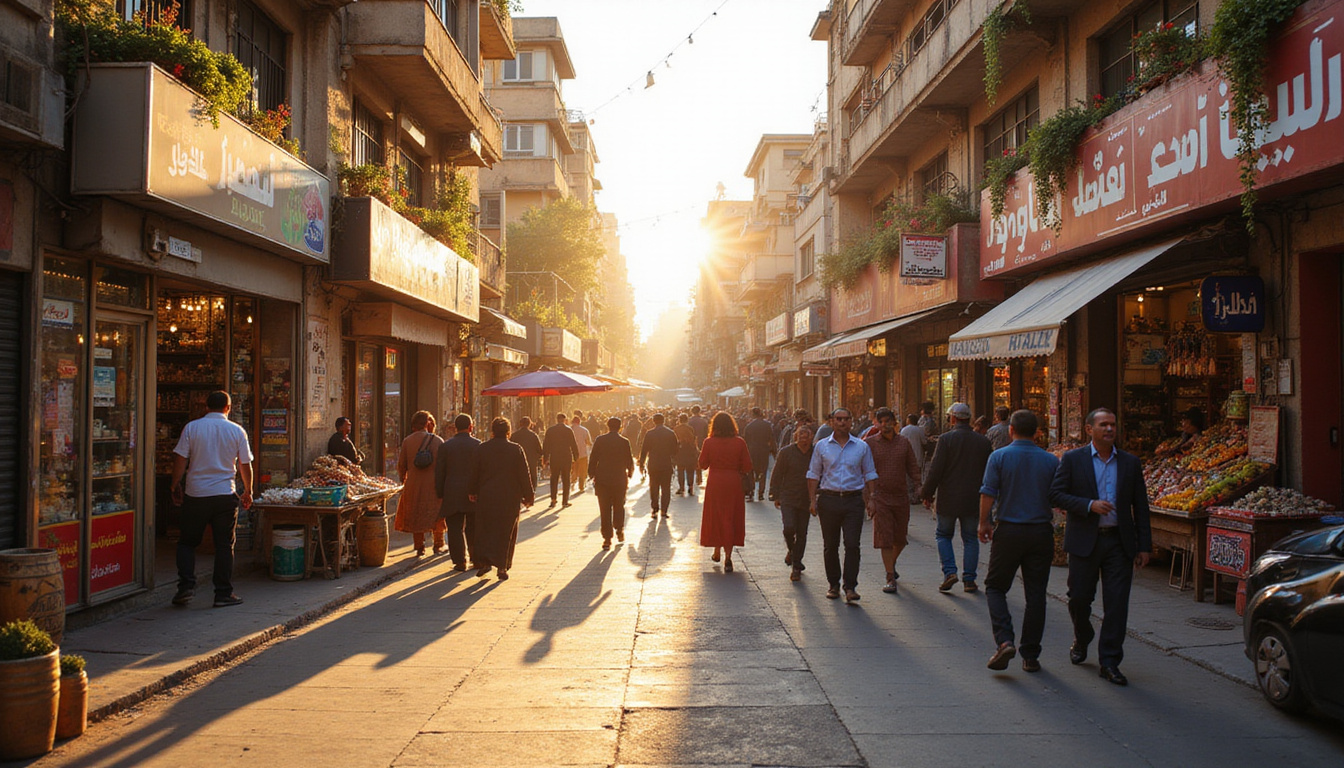
Finding the right retail space Egypt can be the difference between a thriving business and one that struggles to break even. With rapid development in cities like Cairo, New Cairo, 6th of October, Alexandria, and the North Coast, the market is full of options—but not all of them will suit your brand, budget, or long‑term goals. This guide walks you through how to choose profitable locations, evaluate leases, and avoid costly mistakes.
Why Egypt’s Retail Property Market Deserves Your Attention
Egypt has one of the largest populations in the Middle East and North Africa, with over 110 million people and a young demographic that spends heavily on food, fashion, entertainment, and services (source: World Bank). Urban expansion, new cities, and government‑backed infrastructure projects are reshaping demand for retail space Egypt in ways that reward informed investors and tenants.
Key drivers:
- Rapid growth of gated communities and new suburbs (New Cairo, Sheikh Zayed, New Capital)
- Rising purchasing power among middle‑ and upper‑middle‑income households
- Surge in mixed‑use developments blending residential, office, and retail
- Strong demand for F&B (restaurants, cafes), convenience, and services close to home
To benefit from these trends, you need to understand how to evaluate both location and lease structure.
Step 1: Clarify Your Retail Concept and Customer Profile
Before you even look at a map, define what you’re trying to achieve. The right retail space in Egypt is the one that matches your:
- Target customer segment
- Price positioning (mass, mid‑market, premium, luxury)
- Operating model (high‑volume/low margin vs. niche/high margin)
- Required size and layout
Ask yourself:
- Who are my ideal customers?
- Students, young professionals, families, tourists, office workers?
- When do they spend?
- Weekends, evenings, lunch breaks, after work?
- How do they visit?
- On foot, by car, via public transport, delivery apps?
A small grab‑and‑go coffee kiosk needs high footfall near offices or universities. A premium furniture showroom needs large, accessible, destination‑style retail space in Egypt’s affluent residential zones. Define this clearly so you don’t waste time on unsuitable locations.
Step 2: Understand the Main Types of Retail Space in Egypt
Retail supply is diverse, and each format has a different risk/return profile.
1. Street‑Front Retail (High Streets and Secondary Streets)
Examples: Zamalek, Maadi, Heliopolis, Nasr City, central Alexandria.
Pros:
- Strong visibility and signage opportunities
- Often lower service charges than malls
- Flexibility in operating hours
Cons:
- Inconsistent foot traffic depending on street
- Parking can be a major issue
- Building quality and utilities vary widely
Street‑front retail space Egypt works well for pharmacies, convenience stores, bakeries, barbershops, and local F&B.
2. Mall and Shopping‑Center Retail
Examples: Mall of Egypt, Cairo Festival City, Mall of Arabia, City Centre Almaza, San Stefano (Alexandria).
Pros:
- High, predictable footfall
- Anchors (hypermarkets, cinema, big fashion brands) attract your customers
- Professional property management and security
Cons:
- Higher rents and service charges
- Stricter lease terms and fit‑out requirements
- Revenue‑share or turnover rental clauses in many contracts
Mall‑based retail suits fashion, electronics, branded F&B, and lifestyle concepts.
3. Community and Strip Malls in Residential Compounds
Examples: smaller centers in New Cairo, Sheikh Zayed, 6th of October, New Capital.
Pros:
- Captive audience of residents
- Lower competition in early phases of new communities
- Good for daily‑need services (gyms, clinics, nurseries, grocery, cafes)
Cons:
- Footfall depends heavily on occupancy of the compound
- Tenant mix may be limited
- Delivery and parking flows can be tricky if not well‑planned
This is one of the most promising segments for service‑oriented and F&B retail space Egypt.
Step 3: Location Analysis – How to Identify Profitable Spots
Use a structured checklist to compare potential locations.
Demographics and Purchasing Power
- Income level of surrounding neighborhoods (middle, upper‑middle, high)
- Population density within 1–3 km
- Lifestyle indicators: presence of international schools, compounds, office parks, tourist sites
For a premium concept, prioritize areas like New Cairo, Sheikh Zayed, or key coastal destinations over low‑income, high‑density districts.
Footfall and Traffic Patterns
- Observe the area at different times: morning, afternoon, evening, weekdays, weekends
- Count passers‑by for 15 minutes at peak hours to get a rough idea
- Identify crowd generators: universities, hospitals, corporate offices, transportation hubs, mosques/churches
A smaller space with consistently high relevant footfall is often better than a larger, cheaper spot with inconsistent traffic.
Accessibility and Parking
- How easy is it to reach by car and public transport?
- Are there clear access roads and signage?
- Is parking free, paid, or scarce?
In car‑dependent cities like Cairo, poor parking can kill an otherwise strong retail space Egypt opportunity.
Visibility and Frontage
- Is the unit visible from main walkways or roads?
- Do people have to “discover” it, or is it on a natural path?
- How much frontage do you have for branding?
Corner units, entrances, and near‑escalator or food‑court positions inside malls often justify higher rent.
Step 4: Evaluating the Financials of Retail Space in Egypt
A profitable lease is not just about the rent per square meter; it’s about what your business can sustain.
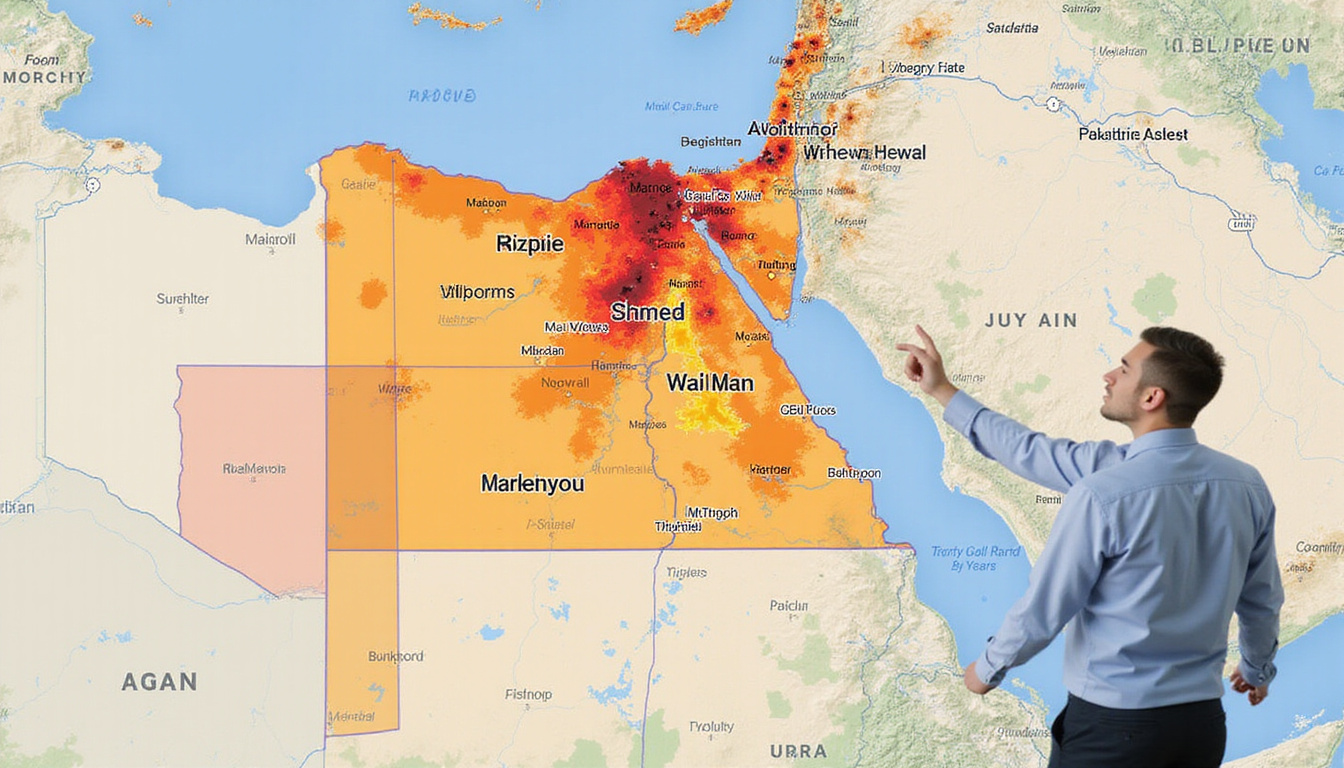
Key Numbers to Calculate
Total Occupancy Cost
- Base rent
- Service charges / maintenance
- Marketing contributions (in malls)
- Utilities (electricity, water, gas, internet)
- Property tax (if applicable under your agreement)
Occupancy Cost Ratio
- Total occupancy cost ÷ projected net sales
- For many retail businesses, aim for 8–15%. Above this, profitability gets tight.
Fit‑Out and Opening Costs
- Fit‑out (design, construction, MEP, furniture)
- Equipment (kitchen, POS, shelving, security systems)
- Initial inventory and working capital
Estimate your payback period: how many months of operation to recover initial investment under realistic sales assumptions.
Benchmarking Rents
Rents vary widely between areas, but you should:
- Compare at least 3–5 similar spaces in the same neighborhood
- Adjust for:
- Ground vs. upper floors
- Corner vs. inline unit
- Proximity to anchors
- Condition of the space (shell & core vs. fully finished)
If a landlord’s rate is significantly above alternatives without clear advantages, negotiate or walk away.
Step 5: Key Lease Terms to Watch (and Negotiate)
Leases for retail space Egypt can be complex. Always have a real estate lawyer review your agreement, but understand the main points yourself.
1. Lease Duration and Renewal
- Typical terms: 3–5 years, sometimes longer in prime malls
- Check: options to renew, renewal conditions, and rent increase formula (fixed %, inflation‑linked, or market review)
Longer leases provide stability but can be risky if the location underperforms; balance is key.
2. Rent Structure
Common structures:
- Fixed base rent only
- Base rent + turnover rent (% of gross sales above a threshold) in many malls
- Step‑up rent (rent increases annually by a fixed percentage)
Clarify:
- Which sales count for turnover rent (in‑store, online, delivery apps)?
- Audit rights and reporting requirements?
3. Fit‑Out Period and Contributions
- How many rent‑free months do you get for fit‑out?
- Does the landlord offer a financial contribution or capex support in strategic malls?
- What are the approval steps for design and signage?
A well‑negotiated fit‑out period can save you significant costs before you start generating revenue.
4. Exclusivity and Competition
- Do you have any exclusivity within a radius or within the mall?
- Are there restrictions preventing direct competitors from opening next door?
In F&B and specialized services, limited exclusivity can protect your sales.
5. Termination and Assignment
- Under what conditions can you exit the lease early?
- Is there a penalty or “break clause” at certain milestones?
- Can you sublease or assign the lease if you sell the business?
Even if you don’t plan to exit, having options reduces your downside risk.
A Practical Checklist Before Signing for Retail Space in Egypt
Use this list to structure your due diligence:
- Visit at least three times at different days and hours.
- Speak with existing tenants about sales performance, landlord support, and service issues.
- Confirm occupancy rate of the mall or building. High vacancy is a red flag.
- Check infrastructure: power capacity (especially for kitchens), ventilation, loading/delivery access, drainage.
- Request historical footfall data from mall management, if available.
- Run a break‑even analysis with conservative sales forecasts.
- Review all hidden costs: marketing, signage fees, storage, garbage collection, security.
- Have a lawyer review the lease—especially clauses on rent increase, termination, and dispute resolution.
Common Mistakes Tenants Make with Retail Leases in Egypt
Many new businesses lose money not because of poor products, but because of a bad location or lease. Avoid these pitfalls:
- Choosing a prestigious mall over a location that matches your target customer
- Overestimating sales and underestimating operating costs
- Signing long, rigid leases with no break clauses
- Ignoring service charges and common area maintenance (CAM) that rise over time
- Under‑negotiating fit‑out periods or contributions
- Not planning for future expansion or relocation
Take your time; the right retail space Egypt will support your business for years, while a wrong one can drain your capital in months.
The Role of Online and Delivery in Choosing Retail Space
E‑commerce and delivery apps are changing how people buy, especially in Cairo and Alexandria.
Consider:
- For F&B: proximity to dense residential and office zones boosts delivery demand. A less premium, back‑of‑house location may work if most orders are online.
- For retail: a smaller, well‑located showroom plus a strong online presence can outperform a large, expensive store.
- For services: visibility still matters, but digital booking and marketing can reduce the need for prime‑prime rent.
Your strategy for retail space Egypt should reflect how your customers discover, visit, and reorder from you—both offline and online.
To get a feel for daily life realities and customer behavior in the country, this video can be helpful:
FAQs about Retail Space Egypt
1. What is the average rent for retail space in Egypt?
Rents for retail space in Egypt vary widely by city and location. Prime mall units in Cairo’s top shopping centers command significantly higher rates than secondary streets or emerging community malls. Expect higher rents in New Cairo, Sheikh Zayed, and top coastal destinations, and more affordable options in secondary districts and new developments still ramping up occupancy.
2. Is buying or leasing better for retail space in Egypt?
Buying commercial retail space Egypt can provide long‑term asset growth and stability, but it requires substantial upfront capital and reduces flexibility if the location underperforms. Leasing offers lower initial cost, easier relocation, and access to prime malls where ownership isn’t an option. Many retailers start with leasing, then consider buying once their concept is proven.
3. How long are typical leases for retail space in Egypt?
For retail units Egypt, lease terms of 3–5 years are common, especially in managed malls and shopping centers. Street‑front units can sometimes be shorter or more flexible. In high‑traffic malls, landlords often seek longer commitments and may offer fit‑out support in exchange. Always clarify renewal options and rent escalation before signing.
Turn Insight into Action: Secure the Right Retail Space in Egypt
Profitable retail space Egypt is not just a matter of price per square meter; it’s the result of matching your concept with the right customers, location, and lease terms. By carefully analyzing demographics, footfall, accessibility, total occupancy cost, and contract details, you dramatically increase your chances of opening a store that thrives instead of merely surviving.
If you’re planning to open or expand your retail business in Egypt, now is the time to act. Start shortlisting areas that match your target customers, talk to local brokers who specialize in commercial property, and insist on seeing multiple options before committing. With the right preparation and a disciplined approach to evaluating locations and leases, you can secure a retail space that supports your brand, protects your investment, and positions you for long‑term growth in one of the region’s most dynamic markets.