

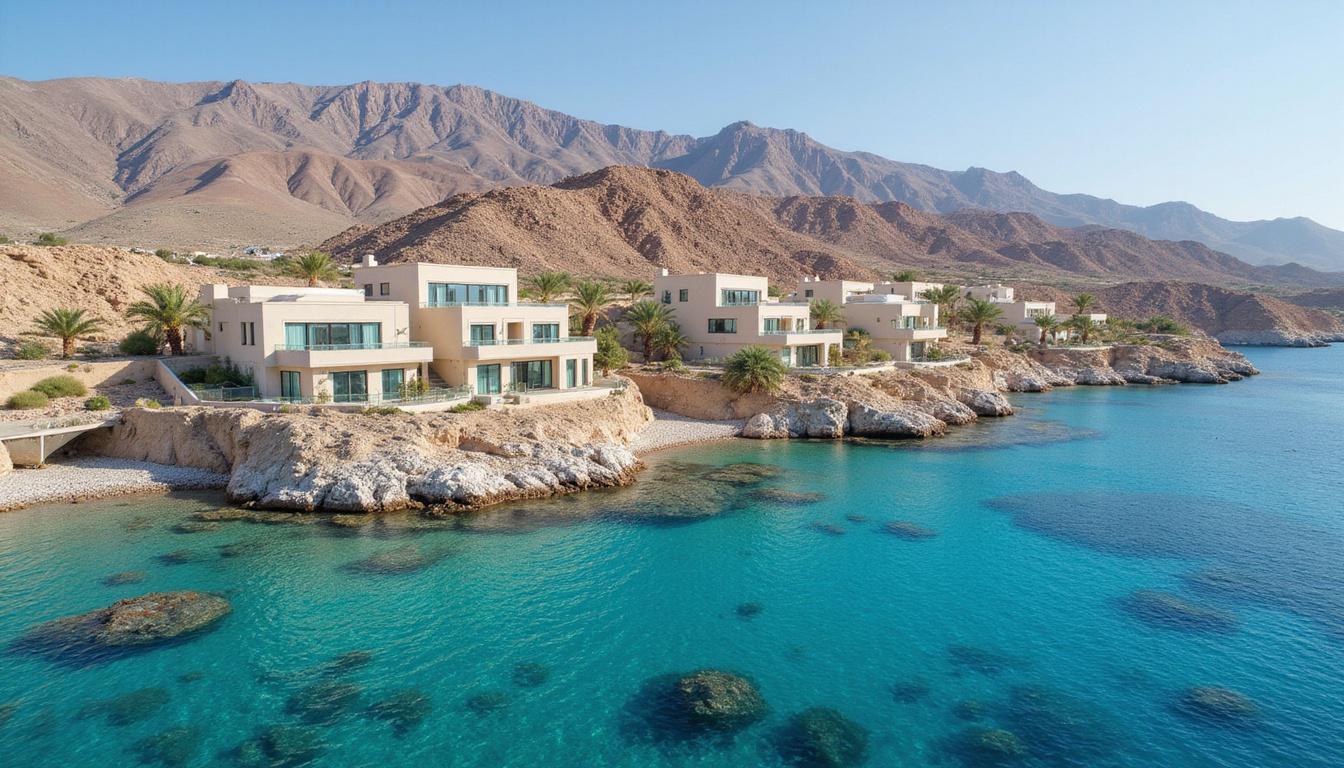
Sinai properties are rapidly gaining attention from both local and international buyers who want sun, sea, and solid returns. From the laid‑back beaches of Dahab to the resort compounds of Sharm El Sheikh and the wild beauty of Nuweiba, the Sinai Peninsula offers some of Egypt’s most unique coastal real estate. If you’re considering a beachfront investment here, you’ll need more than just a love of the Red Sea—you’ll need a clear strategy.
This guide walks you through the key locations, legal basics, due‑diligence steps, and investment tactics to help you choose the right Sinai property and avoid costly mistakes.
Why Sinai Properties Are So Attractive for Investors
Sinai sits at a crossroads between Africa and Asia, with coastlines on both the Red Sea and the Gulf of Aqaba. That unique geography, coupled with relatively affordable prices compared to other global beach destinations, makes Sinai properties particularly appealing.
Core reasons investors look to Sinai
High lifestyle value per dollar
Beachfront or sea‑view units often cost a fraction of equivalent properties in Europe or the Gulf, yet still offer clear water, great diving, and year‑round sunshine.Tourism‑driven demand
Sharm El Sheikh and Dahab attract divers, digital nomads, and long‑stay tourists. Even modest apartments can enjoy strong seasonal or medium‑term rental demand.Diverse options
You can find everything from simple beach chalets to luxury resort apartments, boutique eco‑lodges, and undeveloped coastline suitable for future projects.
To better understand daily life and costs, many prospective buyers watch expat experiences such as *[Things I Wish I Knew Before Moving to Egypt – My Honest Experience](
which gives a practical feel for living in Egypt as a foreigner.
Key Locations: Where to Buy Sinai Properties
Each major area in Sinai has its own personality, price point, and investment logic. Choosing the right spot is half the battle.
Sharm El Sheikh: Resort Powerhouse
Best for: Holiday rentals, resort‑style living, and established infrastructure.
- Pros
- International airport with direct flights from multiple countries.
- Wide range of compounds, hotels, and serviced apartments.
- High tourism numbers generate consistent short‑term rental demand.
- Considerations
- Prices tend to be higher than in smaller Sinai towns.
- Some areas are heavily touristic; choose carefully if you want quieter surroundings.
- Make sure you understand the rules in tourism‑zoned areas, particularly for foreign ownership and commercial use.
Dahab: Bohemian and Booming
Best for: Medium‑term rentals, digital nomads, and lifestyle investors.
- Pros
- Strong community of divers, kitesurfers, remote workers, and long‑stay guests.
- Demand for comfortable, well‑designed apartments and small houses is rising.
- Walkable, relaxed vibe with good cafes and co‑working spaces.
- Considerations
- Limited supply in prime sea‑front zones creates competition for standout properties.
- Infrastructure is improving but still more basic than in Sharm.
- Certain areas remain informally developed; due diligence is essential.
Nuweiba & Surroundings: Frontier for Early Movers
Best for: Long‑term speculative investment and eco‑tourism concepts.
- Pros
- Large stretches of quiet, scenic coastline with mountain backdrops.
- Potential for eco‑lodges, retreat centers, and wellness tourism.
- Lower entry prices than in Sharm or Dahab.
- Considerations
- Tourism volumes are smaller and more seasonal.
- Services, utilities, and banking access can be limited in some pockets.
- Exit strategy might be longer‑term; not ideal if you need quick liquidity.
Other Sinai Spots
- Ras Sudr / Gulf of Suez: Popular with Cairo residents for weekend homes and kitesurfing. Closer to Cairo, but not the classic “Red Sea” scenery of Sharm or Dahab.
- Taba & North Gulf of Aqaba: Scenic but more niche, with specific security and border‑area regulations to understand.
Legal & Ownership Basics for Sinai Properties
Real estate rules in Egypt can be complex, and Sinai has additional layers because of its strategic importance. Regulations can evolve, so always double‑check current laws with a qualified local lawyer.
Foreign Ownership in Sinai
Historically, property ownership rules in Sinai have been more restrictive than in other parts of Egypt. Common structures include:
- Long‑term usufruct rights (e.g., 50+ years) instead of freehold in some zones.
- Ownership through Egyptian companies for certain types of land or commercial projects.
- Limitations on land size and locations for non‑Egyptian buyers.
Always ask:
- What exactly is being sold—full freehold, usufruct, or leasehold?
- Can the title be registered in your name at the Real Estate Publicity Department?
- If not, what legal mechanism protects your use and resale rights?
For general background on foreign property ownership in Egypt and registration processes, refer to reputable guidance from legal and investment sources (for example, the U.S. Embassy’s investment chapter on Egypt provides useful high‑level context on property and investment rules (source)).
Due Diligence: How to Safely Buy Sinai Properties
Beyond location and lifestyle, the real work lies in verifying the property’s legal and physical status. Skipping steps here is the most common (and costly) mistake.
1. Verify Title and Zoning
- Ask for all title documents, previous sale contracts, and any registration certificates.
- Confirm that the seller is the actual legal owner or has proper power of attorney.
- Check zoning status: residential, tourism, commercial, or agricultural, and ensure your intended use is permitted.
- For land, confirm boundaries, area, and any encroachments through a licensed surveyor.
2. Engage an Independent Lawyer
Never rely solely on the developer’s or agent’s lawyer. Choose:
- A licensed Egyptian lawyer with experience in Sinai properties.
- Someone who can clearly explain contract terms in your language.
- A lawyer who provides a written legal opinion on the property’s status.
Typical tasks they should handle:
- Reviewing and/or drafting the preliminary sale agreement.
- Ensuring payments are linked to clear milestones or key documents.
- Guiding you through registration or the applicable protection mechanism for your rights.
3. Inspect the Property and Infrastructure
- Physical inspection: Check construction quality, finishing, water pressure, electrical wiring, and drainage.
- Infrastructure & services: Distance to main road, availability of potable water, electricity stability, internet coverage, and mobile signal.
- Compound rules (if applicable): Service charges, maintenance policies, rental restrictions, and guest policies.
Take your time: visit at different times of day to gauge noise, traffic, and beach usage.
Financial Considerations and Investment Math
Understanding the numbers is crucial if you’re buying Sinai properties as an investment rather than purely for personal use.
Price Levels and What Influences Them
- Waterfront vs. second row: Direct beachfront commands a premium; even 50–100 meters back can mean substantially lower prices.
- View and orientation: Unobstructed sea views, sunset or sunrise exposure, and mountain vistas all affect value.
- Compound vs. standalone: Gated resorts often have higher purchase and maintenance costs but can attract tourists more easily.
Rental Potential
In many Sinai markets, your best bet is medium‑term stays rather than nightly rentals:
- Dahab: Popular for 1–3 month rentals by divers and remote workers.
- Sharm: Good mix of short holiday lets and seasonal stays.
- Nuweiba: More suitable for boutique hospitality projects rather than individual buy‑to‑let units.
Ask local agents and owners for realistic figures on:
- Average monthly or nightly rates.
- Occupancy throughout the year (high vs. low season).
- Typical management fees if you use a rental agency.
Key Cost Items to Budget For
When evaluating a Sinai property, include:
- Purchase price and any installment plan interest.
- Registration and legal fees.
- Maintenance fees (for compounds) or standalone upkeep (garden, security, repairs).
- Utility deposits and connection fees.
- Any local taxes or municipal charges applicable.
Top Tips for Choosing the Right Sinai Property
Use this checklist as you shortlist and compare options:
Clarify your main goal
- Pure investment, mixed use (personal + rental), or personal lifestyle home with potential future resale?
Match property type to audience
- Small, well‑furnished apartments near amenities suit digital nomads and mid‑term stays.
- Larger villas or houses fit families and retreat groups.
Walk the neighborhood
- Is it walkable to cafes, shops, and the sea?
- How safe do you feel at night?
- Are there visible signs of growth (new businesses, renovations) or decline?
Test internet and mobile coverage
- Critical for remote workers and long‑stay guests, especially in Dahab and Nuweiba.
Check micro‑location within the town
- In Dahab, for instance, some investors prefer the Lighthouse area for easy access to dive centers and nightlife, while others prefer quieter neighborhoods slightly removed from the main strip.
Understand future development plans
- A planned hotel, new road, or marina nearby may increase value—or, if poorly planned, bring noise and traffic.
Common Pitfalls to Avoid When Buying in Sinai
Even experienced investors can stumble in a new market. Be especially wary of:
Unclear land ownership
Avoid properties on land that has unresolved tribal, state, or military claims. Insist on clear documentation.Overpromised returns
Be cautious of marketing that guarantees very high yields. Cross‑check rental projections with local agents and current owners.Paying too much upfront
If buying off‑plan, structure payments around construction milestones and hold a significant portion until delivery and snagging are completed.Ignoring exit strategy
Think about who your likely buyer will be in 5–10 years: another foreigner, a Cairene family, or a local business? Choose a property that will appeal to that future buyer profile.
Living With Your Investment: Property Management and Use
Once you own a Sinai property, managing it well can boost returns and preserve value.
Management Options
Self‑managed
Best if you live nearby or plan frequent visits. You’ll need trusted local contacts for cleaning, maintenance, and key handover.Local management company or agent
They handle bookings, check‑ins, and maintenance for a fee (often a percentage of rental income or a fixed monthly rate).Hybrid approach
Use management for high season and manage personally during your own stays or quieter periods.
Personal Use vs. Income
Balance your own usage with rental demand:
- If you plan to use the property during peak season, expect lower annual yields.
- Some owners block out specific months for themselves and market the rest of the year aggressively.
- Keep the property well‑maintained and updated; fresh paint, working appliances, and comfortable furniture significantly influence reviews and repeat bookings.
FAQ: Sinai Property Investment Essentials
1. Are Sinai properties a good investment for foreigners?
Yes, Sinai properties can be a strong investment for foreigners seeking relatively affordable beachfront real estate with tourism‑driven demand. However, you must understand specific ownership structures (such as usufruct rights) and any restrictions in sensitive areas. Work with an experienced local lawyer and focus on well‑documented properties in established areas like Sharm El Sheikh and Dahab.
2. What should I look for when buying a beachfront property in Sinai?
When evaluating beachfront real estate in Sinai, prioritize clear legal title, zoning compatibility, and infrastructure access (roads, utilities, internet). Analyze the micro‑location: distance to the sea, sand quality, protection from strong winds, and proximity to restaurants, shops, and diving or kitesurfing centers. Also, model realistic rental income and ongoing costs before committing.
3. How do Sinai real estate prices compare to other Egyptian coastal areas?
In general, Sinai real estate prices are competitive compared with other Egyptian coastal zones like the Red Sea mainland (Hurghada, El Gouna). Sharm El Sheikh is closer in price to popular Red Sea resorts, while Dahab, Nuweiba, and Ras Sudr can offer lower entry points, especially a few rows back from the beach. Because some areas are still emerging, there may be more room for long‑term appreciation—if you choose carefully and verify all legal aspects.
Ready to Discover Your Sinai Property Gem?
If you’re drawn to crystal‑clear water, relaxed coastal living, and the potential for solid returns, Sinai properties deserve a place on your shortlist. By choosing the right town, verifying legal status, running the numbers carefully, and planning your management strategy, you can secure a beachfront asset that works both as a lifestyle upgrade and as a long‑term investment.
Start by shortlisting your preferred areas—Sharm for resort comfort, Dahab for bohemian energy, or Nuweiba for raw, undeveloped beauty—then speak with reputable local agents and an independent lawyer. The sooner you begin exploring options on the ground, the sooner you’ll be in a position to lock in your own slice of Sinai’s shoreline.