
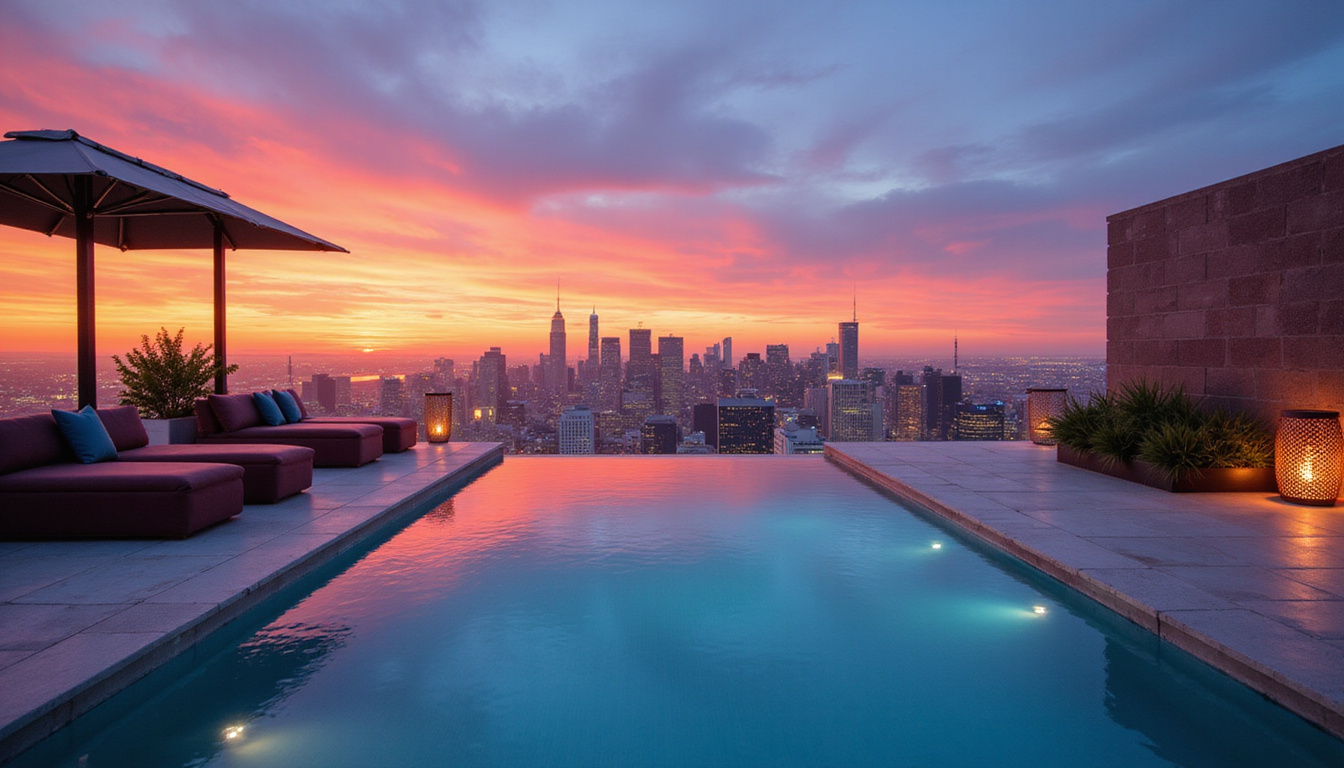
Small luxury hotels sit in a special spot in global travel. They join the warm feel of a guesthouse with the shine and tools of a five‑star resort. For travelers who value style, design, and local taste, small luxury hotels often give more lasting trips than huge hotel chains can. This guide shows what makes these boutique spots stand out, where to find them, and how to pick the one that suits your next trip.
What Defines a Small Luxury Hotel?
There is no strict rule. Most travel experts share these points:
- Limited rooms – Usually 10 to 80 keys, which keeps the space small and warm.
- High‑end details and tools – Soft linens, handpicked minibars, fine bathrooms, and sometimes spa or wellness areas.
- Unique design – The building style, rooms, and art express their own view, not a standard brand look.
- Tailored service – Staff learn your name and likes quickly; the hotel feels like a private home.
- Strong local touch – Design, food, and events tie back to the local culture and area.
Travelers find that these hotels mean fine details, calm comfort, and care that goes beyond size or excess.
Why Travelers Choose Small Luxury Hotels
Interest in small luxury hotels grows with modern travel needs. More people want trips that feel real, personal, and close to local life.
1. Real Local Flavor
Chain hotels may look the same everywhere. Small luxury hotels link closely with local roots:
- Old mansions in busy town centers
- Lodges in the desert that use age-old methods
- Beach villas that mirror the local coastal look
Menus show local food, art comes from local hands, and the team knows nearby spots. This design helps you feel like a local guest instead of a passing tourist.
2. Personal Service
With few guests, the staff fine-tune the trip to your taste:
- Arranging quiet visits to well-known spots
- Picking your pillow, minibar, or room scent with care
- Remembering your morning coffee order
Large resorts can hardly match this close care.
3. Space, Privacy, and Calm
A smaller size means:
- Less busy pools and restaurants
- Fewer crowds at breakfast
- Shorter waits at check-in and lifts
For couples, solo travelers, or business guests, this calm feels like the best form of luxury.
4. Unique Style and Look
It can be a protected house, a changed warehouse, or an eco‑lodge by the sea. With small luxury hotels, you get more than a bed. You join a space with a clear style.
Types of Small Luxury Hotels Around the World
These hotels come in many forms for different travelers.
Urban Boutique Hotels
In cities like London, Paris, Cairo, or New York, these hotels suit culture‑lovers who want to be near the action. They give:
- Easy access to museums, eateries, and nightlife
- Stylish lobbies that work as meeting spots or work areas
- Rooms that blend modern tools with elegant looks
They work well for short breaks or business trips that need both comfort and a good spot.
Heritage and Historic Properties
In places rich with history like Italy, Egypt, or Morocco, many small luxury hotels stay in old, restored works:
- 19th‑century mansions
- Traditional riads or havelis
- Colonial houses and former palaces
They mix old features (stone arches, wood ceilings, mosaics) with modern comforts like air conditioning, good soundproofing, and modern baths.
Beach and Island Hideaways
On coasts and islands, small luxury hotels bring out nature and rest:
- Villas or suites with a private plunge pool
- Direct steps to the beach and sea views
- A focus on fresh, local fish and healthful living
They often feel like a private beach house, suited for honeymoons or special dates.
Desert and Nature Retreats
In deserts or quiet mountain areas, these hotels are set for star views, hikes, or quiet thought:
- Eco construction with local material
- Few rooms to keep the peace
- Choices like guided walks, camel rides, or birdwatching
They work for travelers who want fine care along with a touch of adventure.
How to Choose the Right Small Luxury Hotel
Since each hotel stands on its own, you must check a few things.
Location vs. Seclusion
Decide if you want:
- A central spot – For sites, events, and good eats.
- Quiet space – For full rest and privacy.
Some hotels sit just outside the crowd. They lie near enough to the town yet give calm.
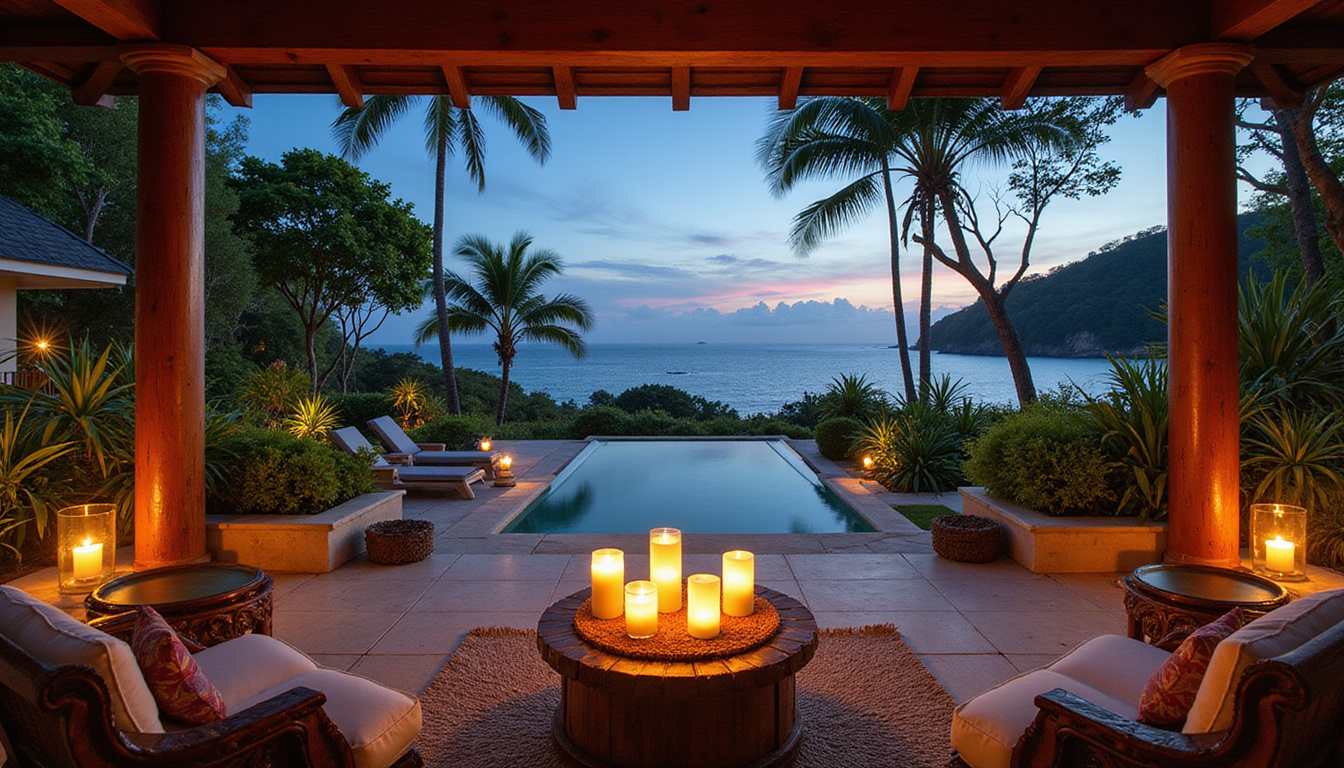
Style and Atmosphere
Look at words and current photos:
- Is the mood classic, modern, artsy, or very simple?
- Does it feel like a private club, a design space, or a family home?
Match the hotel’s vibe with your own taste.
Room Types and Layout
In small hotels, each room may differ. Check for:
- Size and ceiling space
- The view (garden, city, sea, or desert)
- Outdoor space (balcony, terrace, or private yard)
Call the hotel if you have strong needs for light, quiet, or items like bathtubs versus walk-in showers.
On-Site Amenities
Not all small luxury hotels give every extra. Think about which of these you need:
- Spa or Turkish bath
- Gym or yoga area
- Roof terrace or pool
- High-end restaurant or simple bistro
Sometimes a hotel without a full spa can set up in‑room care with local experts. Ask if you need this.
Guest Reviews and Expert Lists
Mix guest reviews with expert notes. Look for:
- Steady care through time, not just one season
- Staff and service notes, not only art
- Replies from managers on any bad points
Guides from Condé Nast Traveler, Travel + Leisure, and the Small Luxury Hotels of the World group give hints on top picks (source: Small Luxury Hotels of the World).
Advantages of Small Luxury Hotels for Different Travelers
Different groups find small luxury hotels appealing in various ways.
Couples and Honeymooners
- More privacy and romance than big hotels
- Flexibility for surprises or special touches
- Intimate dining that feels personal, not mass served
Some hotels design trips meant for couples. They may set up private dinners on a rooftop, in‑room spa time, or personal photo trips in well-known spots.
Solo Travelers
- Safe, warm spots where staff quickly know you
- Easy talks with other guests in small bars or lounges
- Staff who tend to ask if you need advice or help
Their small size makes it easier to feel welcome, even if you come alone.
Families and Multi‑Generational Groups
Some small luxury hotels welcome families:
- Suites or rooms that join well for parents and kids
- Private villa setups with shared spaces
- Staff who shape plans for different ages and likes
For trips with many family members, booking a large part of a small hotel can work as your private family home.
Work and Creative Retreats
Guests on business trips or creative work see small luxury hotels as:
- Places outside the office for retreats
- Spots for deep work with few distractions
- Inspiring settings for making content or planning
Meeting places may be few but hold a clear charm and flexible shape.
Practical Tips for Booking Small Luxury Hotels
Since rooms are few, plan well to get the best spot and price.
- Book early in busy times. With only a few rooms, these hotels fill fast during holidays and festivals.
- Write to the hotel directly. A direct chat may reveal extra packages, room upgrades, or flexible check-in.
- Ask about minimum stay rules. Some hotels require 2–3 nights during full periods.
- Check on transport and help services. In remote or old spots, taxis or rides may be few.
- Ask what "luxury" means for them. Some focus on local care more than on high cost—good for many, but not all.
Key Benefits of Choosing Small Luxury Hotels (At a Glance)
- Close, careful service
- A strong tie to local ways
- Quiet, open spaces
- Unique and often stunning buildings
- Flexible and made-to-fit plans rather than set menus
FAQs About Small Luxury Hotels
1. What makes a property a small luxury hotel?
A place is seen as a small luxury hotel when it has few rooms—often fewer than 80—with rich features and custom care. It must give top care and design with a personal, boutique feel, not a large resort scale.
2. Are small luxury hotels pricier than big chains?
Prices change with place and time. Small luxury hotels usually cost in the upper mid to high range. You may pay similar rates as large five‑star hotels, but you gain more character, care, and personal detail.
3. How do I find the best small luxury hotels in a spot?
To find the top hotels, mix many sources: curated groups such as Small Luxury Hotels of the World, known travel magazines, and search sites that let you pick boutique hotels. Read new guest comments and write to hotels to match your style and sum.
Make Your Next Trip Truly Unforgettable
If you want your next trip—be it to a busy city, a calm coast, or a quiet desert—to feel different and leave a mark, a stay at a small luxury hotel is a smart pick. The right boutique spot becomes more than a bed; it shapes your views, links you to local life, and leaves you with lasting tales.
Start by shortlisting places and hotels. Write to a few that appeal to you, share what matters—privacy, style, food, or fun—and let their teams plan a stay made for you. With some research and early planning, your next trip can bring the kind of memorable boutique care that big hotels cannot match.